

The Indian motorcycling landscape has undergone a seismic shift over the last decade. What was once a market dominated by fuel-efficient commuters and heavy cruisers has transitioned into a playground for adventure seekers. As the "Adventure" (ADV) segment continues to explode in popularity, riders are no longer satisfied with machines that only perform one task. They demand versatility: a motorcycle that can navigate the chaotic urban sprawl of Mumbai or Delhi during the week, cruise effortlessly at triple-digit speeds on the national highways on Saturday, and tackle technical trails on Sunday.
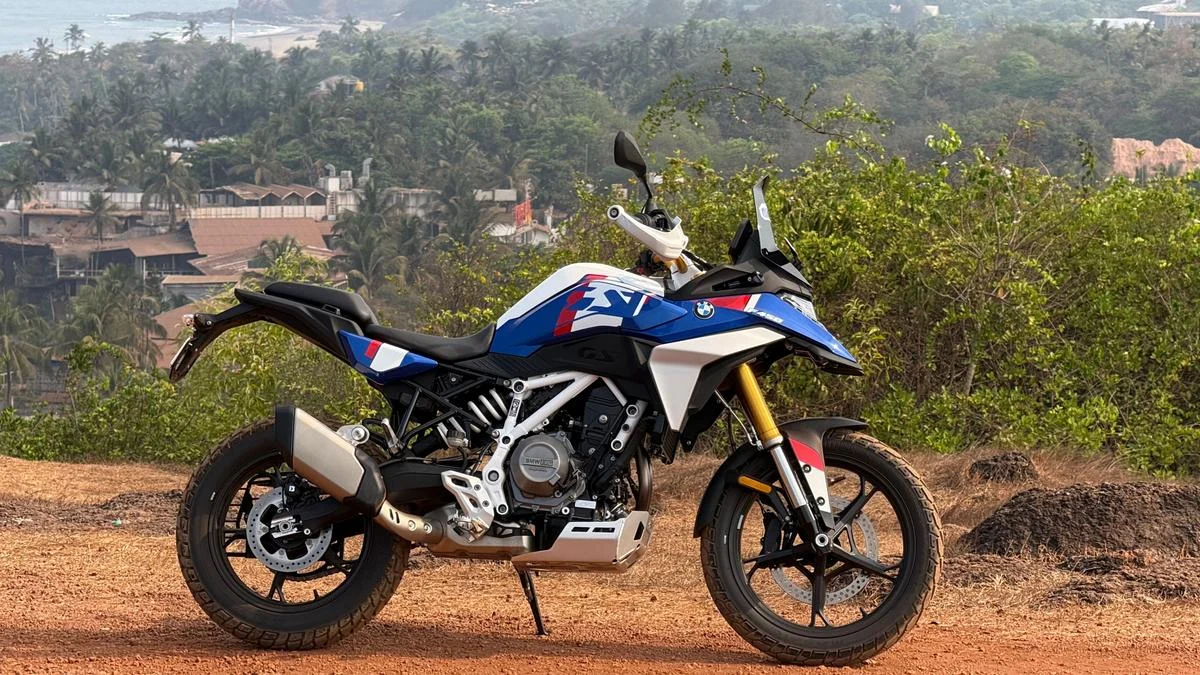
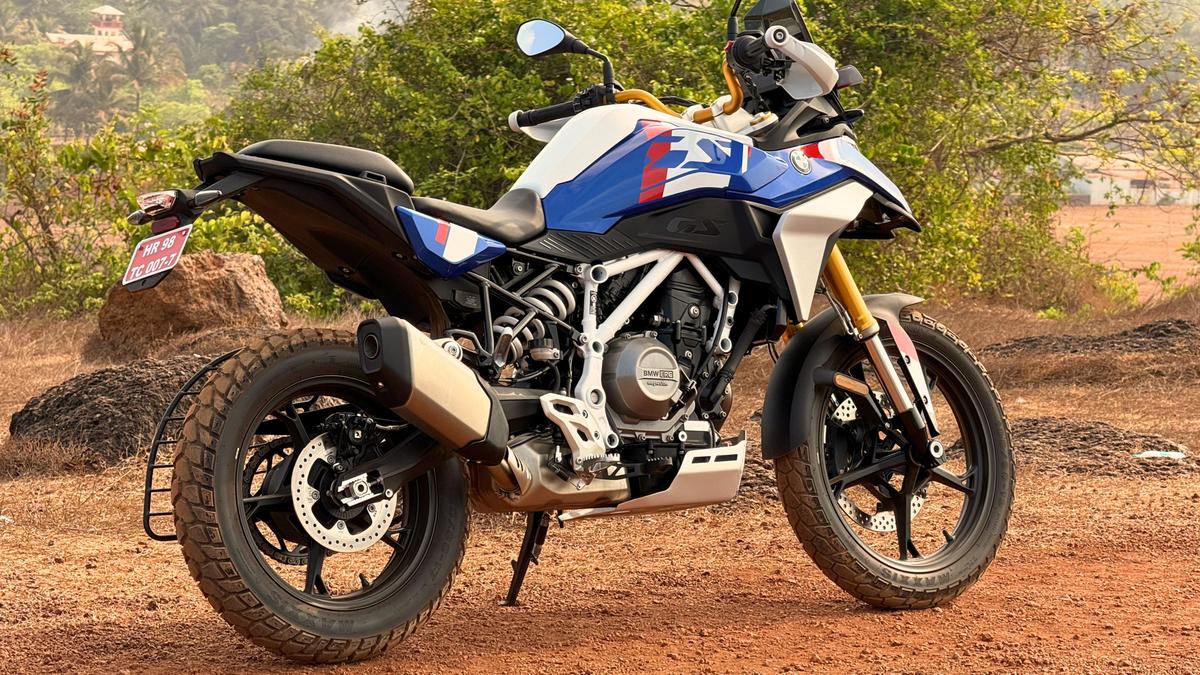
Into this fiercely competitive arena steps the BMW F 450 GS. Born from the legendary "Gelände/Straße" (Off-road/Road) lineage that has defined the adventure segment globally for over four decades, the F 450 GS arrives not as a budget compromise, but as a precision-engineered entry point into the premium GS lifestyle. Recently put to the test across the diverse terrains of Goa—from the smooth tarmac of coastal roads to the rugged, rocky inclines of the Vagator hilltop—the F 450 GS has proven that it knows exactly what it is meant to do.
1. Main Facts: The Technical Blueprint of the F 450 GS
The BMW F 450 GS is positioned as a premium mid-capacity adventure tourer, bridging the gap between the entry-level G 310 GS and the more intimidating F 850/900 GS models. It is designed to offer the "Big GS" experience in a package that is physically manageable and mechanically refined.
Engine and Performance
At the heart of the machine lies a newly developed 420 cc parallel-twin engine. This liquid-cooled powerhouse produces a healthy 48 hp and 43 Nm of peak torque. While these figures place it squarely within the A2-license category globally, in the Indian context, they represent a "sweet spot" of performance—enough power to dominate the highway without being so aggressive as to overwhelm a novice rider.
The engine’s defining characteristic is its unique 135° crankshaft. This engineering choice is pivotal; it gives the parallel-twin a distinctive firing order that mimics the character of a V-twin while significantly cancelling out secondary vibrations. The result is a motor that remains eerily smooth even as the digital tachometer climbs toward the redline.
Chassis and Suspension
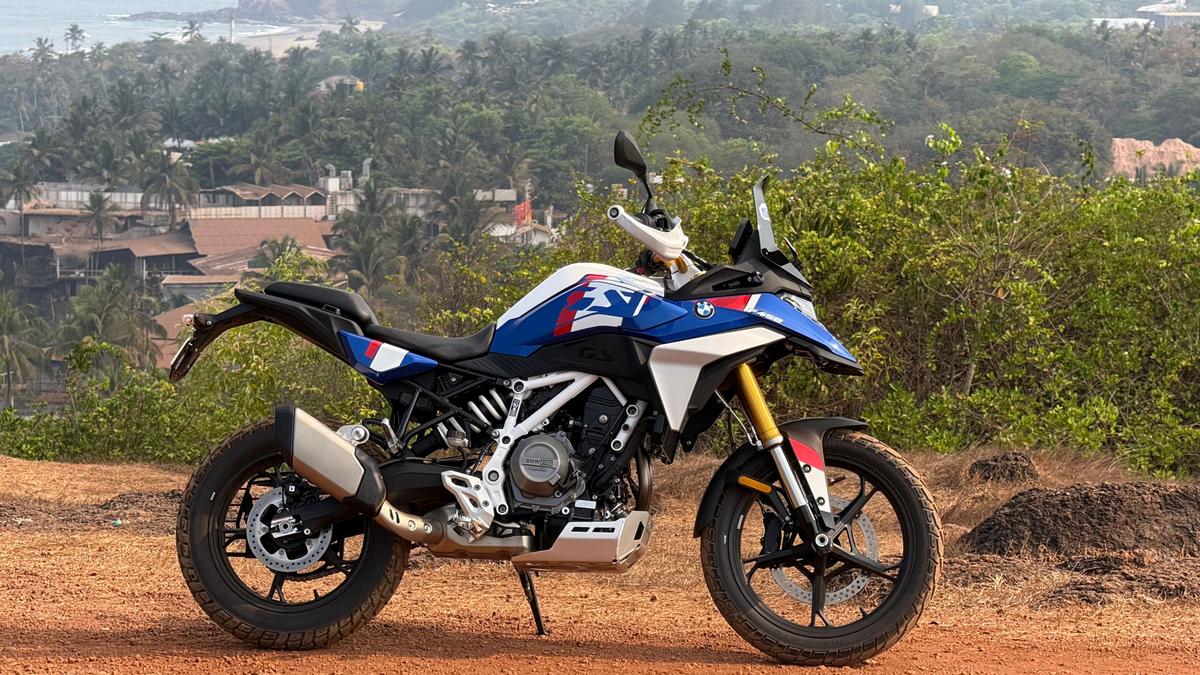
To handle the rigors of Indian roads, BMW has equipped the F 450 GS with high-specification hardware. The front end is supported by 43mm upside-down (USD) forks, while the rear features a monoshock with progressive damping (WAD), designed to become firmer as it compresses to prevent bottoming out during hard off-road landings.
Pricing and Variants
BMW Motorrad India has launched the F 450 GS in three distinct trims to cater to different aesthetic and functional preferences:
- Base Variant: ₹4,70,000
- Exclusive Variant: ₹4,90,000
- GS Trophy Variant: ₹5,30,000 (featuring the iconic racing colors and off-road oriented aesthetics).
2. Chronology: From the Coastal Tarmac to Vagator’s Heights
The evaluation of the BMW F 450 GS took place over a multi-stage testing phase in Goa, a location that offers a microcosm of the various environments an Indian ADV rider will encounter.
Stage 1: The Urban and Highway Transition
The journey began on the winding roads of North Goa. Here, the F 450 GS immediately showcased its road manners. The upright riding position and the 845 mm seat height provide a commanding view of traffic. For the first hour, the focus was on "rideability." The engine’s low-end torque meant that the bike could pull cleanly from low speeds in higher gears, reducing the need for constant shifting in stop-go traffic.
Stage 2: The Technical Ascent at Vagator
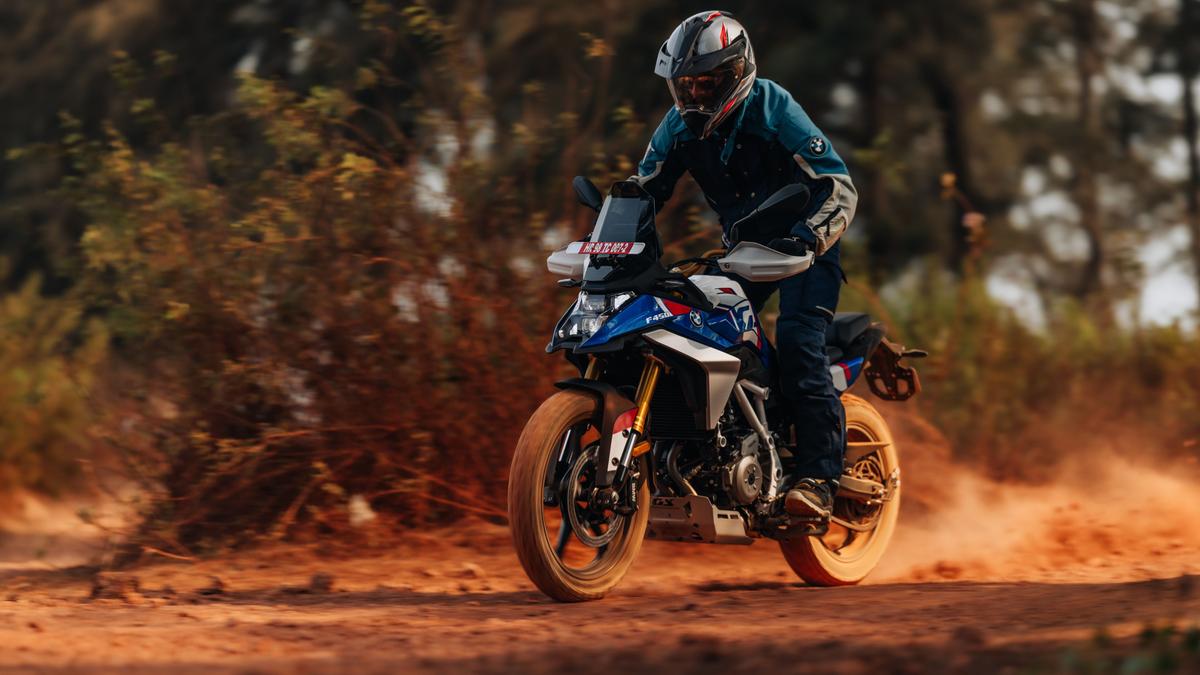
The true test began at the Vagator hilltop, a location notorious for its loose shale, sharp rocks, and steep gradients. This is where the electronics and ergonomics were pushed to their limits. By switching the motorcycle into ‘Enduro Pro’ mode, the ABS on the rear wheel was deactivated, and the traction control was calibrated to allow for controlled slides. The bike’s weight distribution became apparent here; despite its premium features, it felt light and flickable, allowing the rider to pick lines through rocky patches with surgical precision.
Stage 3: High-Heat Endurance
The afternoon sun in Goa provided a natural "stress test" for the bike’s cooling system. Riding in high-humidity, high-temperature environments often reveals flaws in engine heat management. However, the F 450 GS utilized an efficient radiator and cowling design that directed hot air away from the rider’s legs, a critical factor for long-distance touring in the Indian summer.
3. Supporting Data: Refinement and Technology
What sets the F 450 GS apart from its competitors is the integration of "big bike" technology into a mid-size frame.
The Easy Ride Clutch (ERC) and Shift Assistant Pro
One of the most talked-about features is the Easy Ride Clutch (ERC). This system allows the rider to start, stop, and maneuver at low speeds without manually modulating the clutch lever. When paired with the Shift Assistant Pro (a bi-directional quickshifter), the rider can cycle through the six-speed gearbox without touching the clutch once the bike is in motion.
Data from the test ride suggests that while there is a slight learning curve—specifically in mastering throttle blips and low-speed U-turns—the system significantly reduces rider fatigue. In a country where a "quick ride" can often turn into a two-hour crawl through traffic, the ERC is a genuine game-changer.
Fuel Efficiency and Range
In an era of rising fuel costs, practicality remains paramount. During the test, which included aggressive off-roading and high-speed highway bursts, the F 450 GS returned an average fuel efficiency of 26–27 km/l. With its generous fuel tank, this provides a theoretical range of over 350 kilometers, making it a viable tool for cross-country expeditions.
Instrumentation and Connectivity
The 6.5-inch color TFT display serves as the nerve center of the motorcycle. It offers BMW Motorrad Connectivity, allowing riders to link their smartphones for turn-by-turn navigation, music control, and telephony. The interface is navigated via the multi-controller on the left handlebar, a system that is widely regarded as the gold standard for motorcycle ergonomics.
4. Official Philosophy: The BMW Motorrad Approach
While official corporate statements often focus on market share, the design philosophy behind the F 450 GS reflects BMW Motorrad’s broader strategy: "The Spirit of GS."
According to the brand’s positioning, the F 450 GS is intended to be "unintimidating yet highly capable." This is a strategic response to a common problem in the ADV world: "displacement inflation." As adventure bikes have grown to 1200cc and 1300cc, they have become too heavy and expensive for many riders to actually take off-road. The F 450 GS is BMW’s answer to the "Right-Sizing" movement—offering a bike that has enough tech to be premium but is light enough to be dropped and picked up by a single rider on a trail.
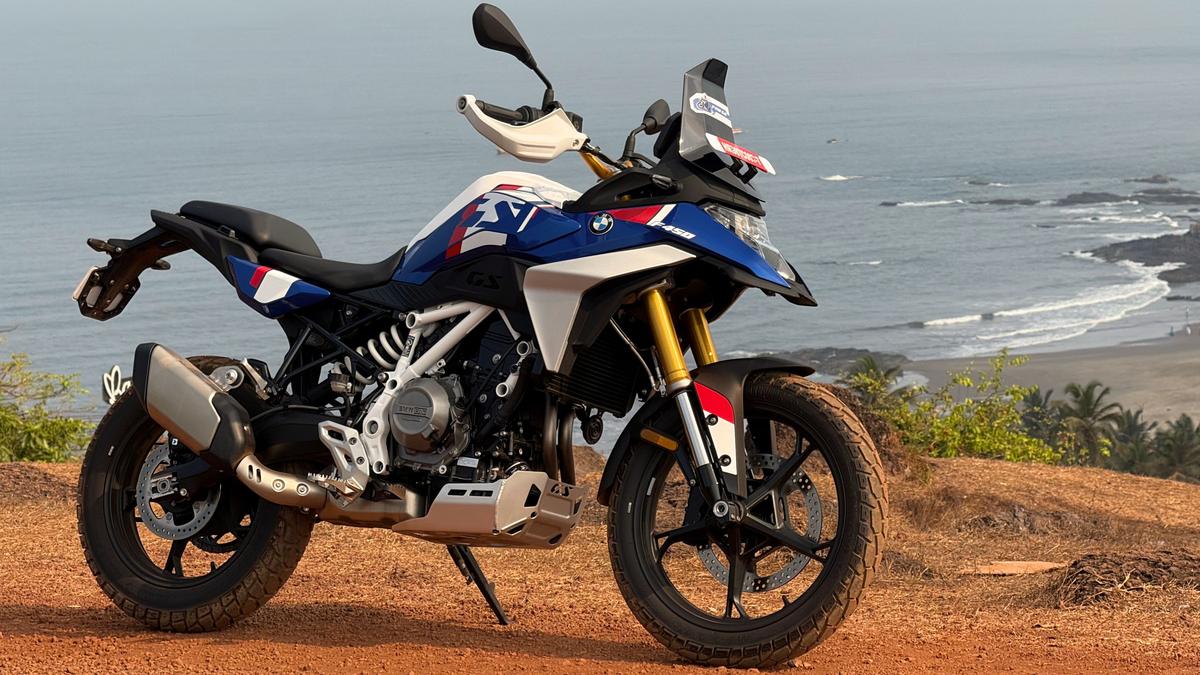
Furthermore, by pricing the bike starting at ₹4.70 lakh, BMW is targeting the aspirational middle class in India—riders who have graduated from 200cc or 250cc motorcycles and are looking for a badge that carries global prestige without the prohibitive costs of a liter-class machine.
5. Implications: What the F 450 GS Means for the Indian Market
The arrival of the F 450 GS has significant implications for both consumers and competitors in the Indian motorcycling industry.
Competition and Market Dynamics
The F 450 GS enters a segment currently occupied by the KTM 390 Adventure and the Royal Enfield Himalayan 450. While both the KTM and the Royal Enfield are significantly more affordable, the BMW justifies its premium through refinement. The KTM is often criticized for its "high-strung" single-cylinder nature, and the Himalayan is praised for its ruggedness but lacks the sophisticated electronic suite of the GS.
BMW has effectively created a "sub-premium" niche. They are not competing on price; they are competing on the "cost of ownership experience" and the refinement of the parallel-twin engine.
The "Gateway" Effect
The F 450 GS serves as a gateway into the BMW ecosystem. A rider who starts on an F 450 GS is statistically more likely to upgrade to an R 1300 GS later in their riding career. By making the entry point more accessible and less intimidating (thanks to the 48 hp cap and the ERC technology), BMW is cultivating a new generation of brand loyalists.
Safety and Accessibility
The inclusion of cornering ABS, sophisticated traction control, and the "Enduro Pro" mode as standard or near-standard features raises the safety bar for the segment. As Indian riders become more safety-conscious, the demand for these electronic "safety nets" is expected to grow, forcing other manufacturers to upgrade their offerings.
Conclusion
The BMW F 450 GS is a rare example of a motorcycle that manages to be many things to many people. It is a refined commuter, a stable highway cruiser, and a surprisingly capable off-roader. While the 845 mm seat height and the premium price tag may be hurdles for some, the sheer level of engineering—specifically the smoothness of the 135° crankshaft and the convenience of the Easy Ride Clutch—sets it apart.
In the final analysis, the F 450 GS isn’t just another motorcycle in the mid-size segment; it is a statement of intent from BMW Motorrad. It proves that you don’t need a massive engine to have a massive adventure. For the Indian rider who wants the prestige of the GS badge backed by genuine, usable capability, the F 450 GS isn’t just a choice—it’s the new benchmark.
