

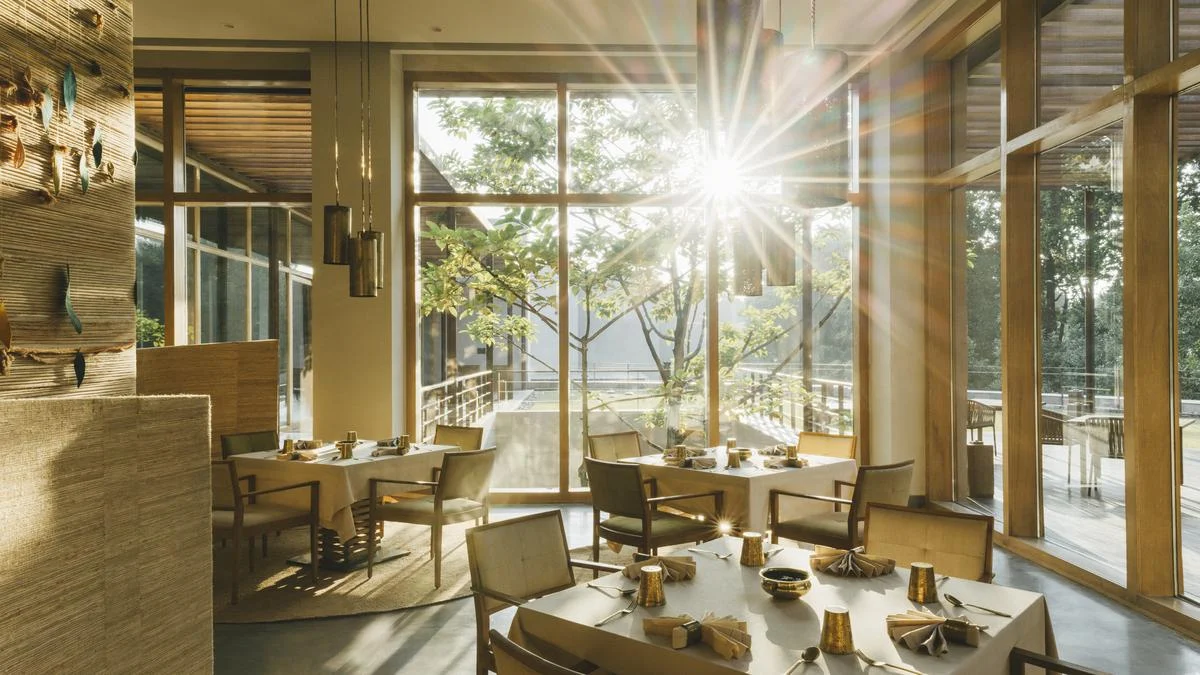
In the world of high-end hospitality, the pursuit of excellence has long been measured by star ratings and industry accolades. However, October 2025 marked a paradigm shift for the Indian luxury landscape. The Michelin Guide, the world’s most venerable arbiter of culinary and hospitality standards, announced its global selection of "Keys," awarding recognition to 2,457 hotels worldwide. Among this elite global cohort, 36 Indian properties emerged as standard-bearers of excellence, signaling a new era for the country’s tourism and heritage sectors.
Main Facts: The Michelin Key Framework
The Michelin Key is a three-tier distinction introduced to formalize the Guide’s hotel recommendations, which have existed in various forms since the early 1900s. Unlike the self-determined star system (three, four, or five stars), which is often based on amenities and standardized polish, the Michelin Key is an elusive accolade awarded by anonymous inspectors.
In the 2025 selection for India, the distribution was as follows:
- One Michelin Key: 22 properties (A very special stay).
- Two Michelin Keys: 12 properties (An exceptional stay).
- Three Michelin Keys: 2 properties (An extraordinary stay).
Inspectors evaluate properties based on five rigorous criteria: architecture and interior design; quality and consistency of service; overall personality and character; value for the price; and a meaningful contribution to the local setting.
Chronology: From Roadmaps to Keys
The journey of the Michelin Guide from a tire manufacturer’s promotional pamphlet to a global authority on luxury is a century-long saga.

- Early 1900s: Michelin began recommending hotels to motorists, primarily focusing on convenience and basic comfort during the early days of automotive travel.
- 1920s–2020s: For decades, the Guide focused heavily on its "Star" system for restaurants, while hotels remained "recommended" without a formal tiered hierarchy.
- 2024: Michelin officially launched the "Michelin Key" to provide a clear, quality-based ranking for the world’s most exceptional hotels, mirroring the prestige of its culinary stars.
- October 2025: The formal announcement of the Indian selection, identifying 36 properties that define the pinnacle of Indian hospitality.
Case Studies in Excellence: Experiencing the Tiers
To understand the nuance between these tiers, an "inspector-style" analysis of three distinct properties—a wellness retreat, a metropolitan icon, and a heritage palace—reveals the depth of Michelin’s selection process.
One Michelin Key: Six Senses Vana, Dehradun
Six Senses Vana represents the "One Key" philosophy: doing one thing exceptionally well with absolute conviction. Located near the urban bustle of Dehradun, Vana transforms into a "sealed oasis" upon entry. The experience is defined by a "digital detox"—phones are restricted, and guests (referred to as vanavasis) wear identical white kurta-pyjamas to eliminate social hierarchy and decision fatigue.
Architecturally, the property is a study in modern restraint, providing a contemporary shell for ancient Ayurvedic and Tibetan healing practices. With a staff-to-guest ratio that allows 200 employees to know a guest’s name without introduction, Vana achieves a level of precision that justifies its roughly ₹95,000 (USD $1,000) nightly rate. It earns its Key not through universal appeal, but through a uncompromising commitment to holistic transformation.
Two Michelin Keys: The Imperial, New Delhi
The "Two Key" designation is reserved for properties that serve as cultural custodians. The Imperial, situated near New Delhi’s Connaught Place, is often called the "Grand Dame." It does not merely reference history; it preserves it. The hotel houses an extraordinary art collection of over 5,500 works, and its "Gandhi Table" (Table No. 14 at the 1911 restaurant) remains a testament to the political conversations that shaped modern India.
What elevates The Imperial to Two Keys is its independence and scale of influence. Owned by the Akoi family since the 1930s, it maintains a family-run warmth that global chains often struggle to replicate. It balances Victorian and Art Deco aesthetics with functional luxury, offering an experience that is both exceptional and deeply rooted in the narrative of the city.

Three Michelin Keys: Taj Lake Palace, Udaipur
A "Three Key" property is defined by its irreproducibility. The Taj Lake Palace, an 18th-century summer palace floating in Lake Pichola, is a site where geography, history, and architecture converge. Reachable only by boat, the palace is a masterclass in Mughal and Rajasthani craftsmanship, featuring Makrana marble and intricate jharokhas.
In a Three-Key property, the experience is inseparable from the site itself. Removing the hotel from its context would destroy its meaning. While the culinary offerings are excellent, the true value lies in the "living heritage" aspect—the preservation of a floating architectural marvel that sustains local livelihoods and offers guests the rare opportunity to experience the lifestyle of a Maharaja. At ₹95,000 a night, it is an investment in a sensory experience that exists beyond the standard metrics of management.
Supporting Data: The 2025 Indian Selection
The following properties represent the full 2025 Michelin Key cohort in India, showcasing a diverse geographic spread from the Himalayas to the southern coast.
Three Michelin Keys (The Extraordinary)
- Taj Lake Palace, Udaipur
- Taj Falaknuma Palace, Hyderabad
Two Michelin Keys (The Exceptional)
- The Oberoi Amarvilas, Agra
- Amanbagh, Alwar
- Suján Jawai, Bisalpur
- Raffles Jaipur, Jaipur
- The Leela Palace, Jaipur
- Sitara Himalaya, Manali
- The Imperial, New Delhi
- The Leela Palace, New Delhi
- Aman-i-Khás, Ranthambhore
- Six Senses Fort Barwara, Sawai Madhopur
- Raffles Udaipur, Udaipur
- The Oberoi Udaivilas, Udaipur
One Michelin Key (The Special)
- The Kumaon, Almora
- Narendra Bhawan, Bikaner
- The Leela Palace, Chennai
- Six Senses Vana, Dehradun
- The Oberoi Gurgaon, Gurugram
- Taj Usha Kiran Palace, Gwalior
- Rajmahal Palace RAAS, Jaipur
- Taj Devi Ratn Resort & Spa, Jaipur
- The Johri, Jaipur
- The Oberoi Rajvilas, Jaipur
- Villa Palladio, Jaipur
- Soho House, Mumbai
- Taj Mahal Palace, Mumbai
- Taj Mahal Tower, Mumbai
- Taj Mahal, New Delhi
- The Lodhi, New Delhi
- Ran Baas – The Palace, Patiala
- Taj Rishikesh Resort & Spa, Uttarakhand
- Suján Sher Bagh, Sawai Madhopur
- The Oberoi Vanyavilas, Sawai Madhopur
- RAAS Devigarh, Udaipur
- Nadesar Palace, Varanasi
Expert Insights and Official Responses
While Michelin’s inspectors remain anonymous, the industry’s response to the 2025 list has been one of validation. Analysts suggest that the "Michelin Effect" will significantly impact these properties’ international visibility.
"The Michelin Key does not just reward luxury; it rewards ‘inevitability’—the sense that a hotel has become the best possible version of what it was meant to be," notes an industry expert. "For India, this list highlights that our strength lies in ‘Living Heritage’—properties that are not just places to sleep, but destinations that safeguard the country’s architectural and cultural soul."

Management at the Three-Key Taj Lake Palace emphasized that such recognition is a tribute to the "Indian spirit of Atithi Devo Bhava (The Guest is God), combined with rigorous global standards of preservation."
Implications for the Indian Hospitality Industry
The introduction of Michelin Keys in India carries several long-term implications:
- Shift from Standardization to Character: The awards emphasize "personality and character" over cookie-cutter luxury. This encourages developers to invest in unique architectural narratives rather than standardized designs.
- Boosting Heritage Tourism: With many Key properties being heritage palaces (Udaipur, Hyderabad, Jaipur), the awards provide a massive marketing boost to India’s historical tourism circuit.
- Pricing and Value Perception: While many of these hotels command high prices, the Michelin "Value for Price" criterion ensures that the cost is justified by the depth of the experience, potentially setting a new benchmark for luxury pricing in the region.
- Global Competitiveness: India’s 36 Keys place it firmly on the map for high-net-worth travelers who rely on the Michelin Guide to curate their global itineraries.
Ultimately, the Michelin Keys clarify that luxury is not a linear ladder of expense. Whether it is the disciplined wellness of a One-Key retreat or the irreplaceable majesty of a Three-Key floating palace, these awards recognize hotels that have fulfilled their highest ambition, offering experiences that are, in every sense of the word, beyond the ordinary.
