

Introduction: A New Chapter in Indian Electric Mobility
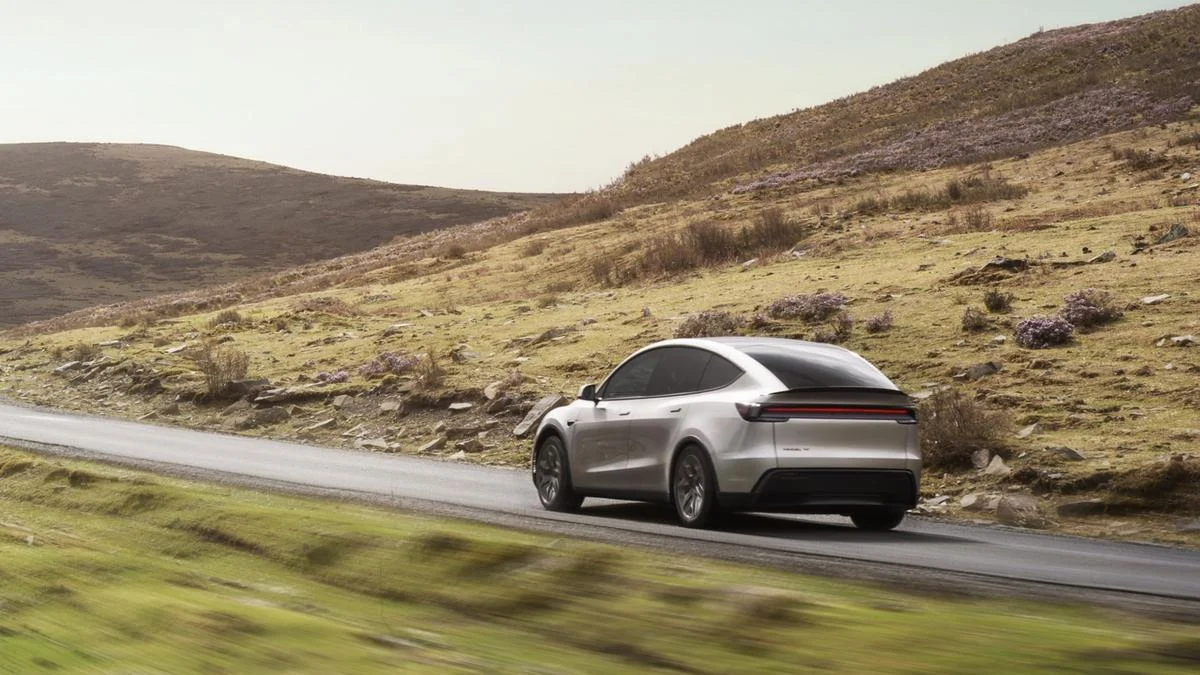
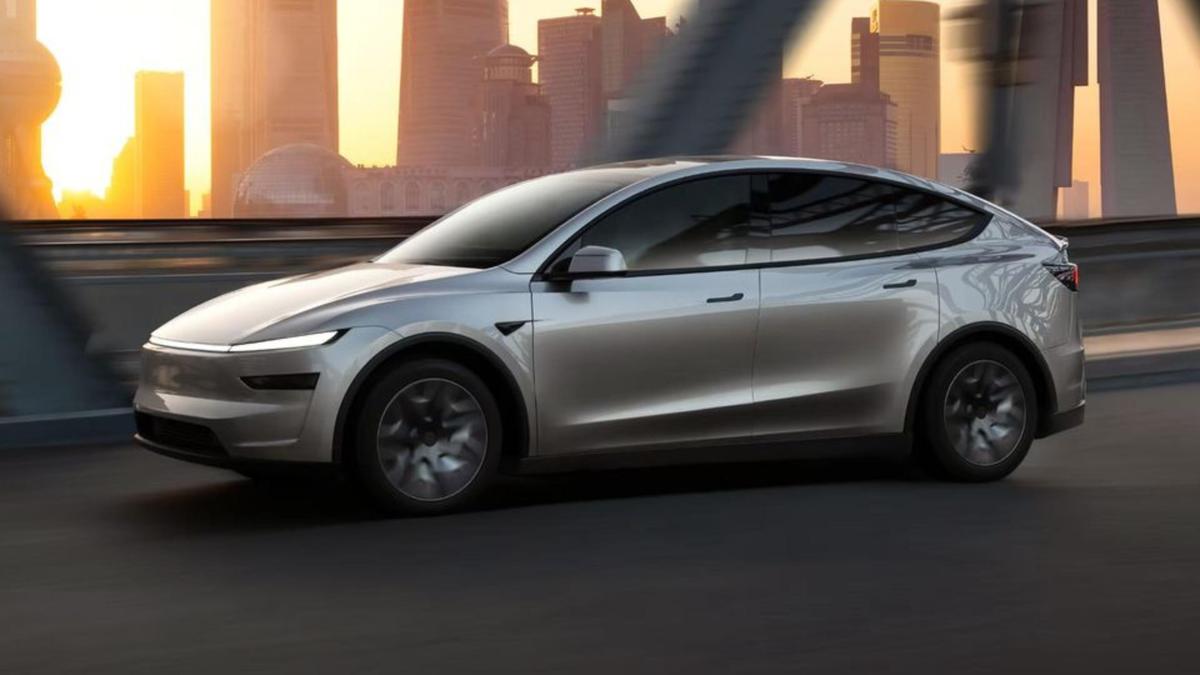
For years, the discourse surrounding Tesla’s entry into the Indian subcontinent was characterized by a mix of high-octane anticipation and regulatory deadlock. However, as of mid-2026, the narrative has shifted from "if" to "how." Tesla’s approach to the world’s third-largest auto market has notably bypassed the typical "disruptor" archetype, opting instead for a philosophy of measured restraint and localized relevance. The centerpiece of this strategy is the Tesla Model Y L—a vehicle that appears less like a global product forced into a new geography and more like a calculated response to the specific idiosyncrasies of the Indian premium car buyer.
Priced at ₹61.99 lakh, the Model Y L represents a significant inflection point for the electric vehicle (EV) landscape in India. It arrives at a time when the nation is witnessing a burgeoning appetite for green mobility, yet remains tethered to traditional demands for space, status, and long-distance reliability. By prioritizing utility and "usable luxury" over raw performance alone, Tesla is attempting to bridge the gap between the Silicon Valley ethos and the practicalities of Indian roads.
Main Facts: The Model Y L Specification and Value Proposition
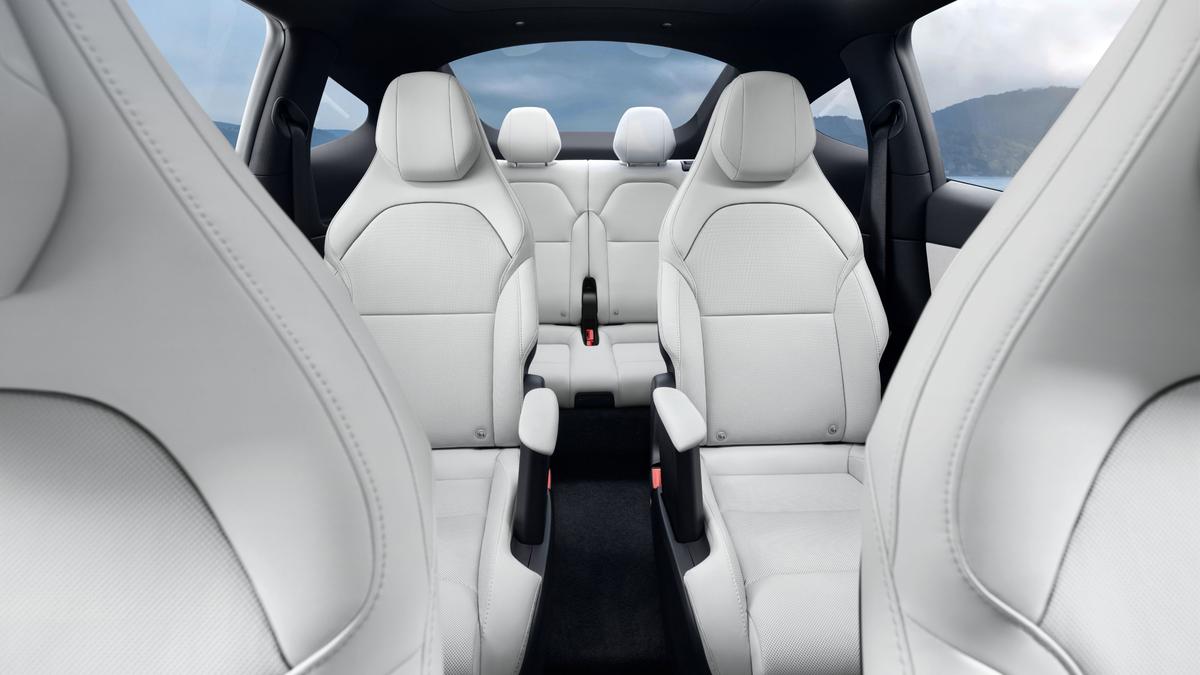
The Tesla Model Y L is not merely a regional variant; it is a re-imagining of what a family SUV should offer in a market where the chauffeur-driven experience often carries as much weight as the driving dynamics. The most striking departure from Tesla’s global standard is the transition from a five-seat configuration to a three-row, six-seat layout.
The Interior Architecture
The "L" in the Model Y L signifies a focus on length and luxury. The inclusion of second-row captain seats is a direct nod to the Indian executive and premium family segment. These seats are not merely static benches; they are sophisticated units equipped with ventilation, heating, powered armrests, and a one-touch folding mechanism. This design choice addresses a specific local preference for "ease of ingress and egress," a critical factor for families with elderly members or professionals who use their vehicles as mobile offices.
The third row, which in many compact luxury SUVs serves as a vestigial space for luggage or small children, has been given a "first-class" treatment. It features power-recline functions and its own dedicated vented climate control system, ensuring that the "Tesla experience" is uniform across all six occupants.
Performance and Range
While the focus has shifted toward comfort, the Model Y L remains a Tesla at its core. The All-Wheel Drive (AWD) variant delivers a 0 to 100 km/h sprint in a blistering 5.0 seconds. More importantly for the Indian consumer—who often cites "range anxiety" as a primary barrier to EV adoption—the vehicle boasts a claimed range of up to 681 km (WLTP cycle). Even when adjusted for real-world Indian conditions (which involve heavy air conditioning use and erratic traffic patterns), the Model Y L promises a range that comfortably covers intercity corridors such as Delhi-Jaipur or Mumbai-Pune with significant reserves.

Pricing Strategy
At ₹61.99 lakh, Tesla has positioned the Model Y L with surgical precision. It sits comfortably below the price points of flagship electric SUVs from German legacy manufacturers like Mercedes-Benz and BMW, yet offers a technological suite and seating capacity that rivals vehicles in the ₹80 lakh to ₹1 crore bracket. This aggressive pricing suggests that Tesla is willing to sacrifice immediate margins to secure a dominant market share in the nascent luxury EV segment.
Chronology: The Road to the Model Y L Launch
The arrival of the Model Y L is the culmination of a multi-year saga involving policy negotiations, infrastructure benchmarking, and consumer research.
- 2021–2023: The Negotiation Phase: Tesla’s initial entry was hampered by high import duties. The company spent years lobbying for tax breaks, while the Indian government maintained a firm stance on "Make in India" requirements. This period was marked by public social media exchanges and high-level meetings between Tesla leadership and Indian policymakers.
- 2024: The Policy Shift: The Indian government introduced a new EV policy that lowered import taxes for companies committing to local manufacturing and high investment. This served as the green light for Tesla to begin its official setup.
- 2025: Infrastructure Foundation: Before a single car was delivered, Tesla began the quiet rollout of its Supercharger network. Focusing on the "Golden Quadrilateral" and major metropolitan hubs, the company aimed to ensure that the hardware was in place to support its high-voltage ecosystem.
- May 2026: The Official Debut: The Model Y L is officially launched. Unlike the standard Model Y sold in Europe or North America, the Indian version emphasizes the six-seat configuration and a chassis tuned for the diverse (and often challenging) Indian road topography.
Supporting Data: Engineering for the Indian Context
To understand the Model Y L’s potential impact, one must look at the data points that differentiate it from its competitors.
Cargo and Utility
One of the most impressive figures is the maximum cargo capacity of 2,539 liters. In a country where "the family car" often doubles as a transport for airport runs with heavy luggage or weekend getaways with extended family, this volume is a significant selling point. Tesla has achieved this through clever packaging of the electric drivetrain, which eliminates the need for a traditional engine bay and transmission tunnel.

Chassis and Ride Quality
Indian roads demand a specific type of suspension tuning—one that can handle sharp potholes while remaining stable at highway speeds. The Model Y L features an adaptive suspension system with electronic damping. Data from initial testing suggests that the system adjusts its damping rates hundreds of times per second, filtering out surface imperfections that would typically unsettle a stiffly sprung European EV.
The Digital Ecosystem
Tesla’s "software-first" approach is backed by impressive hardware:
- Audio: An 18-speaker system with a dedicated subwoofer, designed to provide studio-quality sound in a cabin insulated by acoustic glass.
- Connectivity: The car functions as a connected hub, offering live traffic visualization, satellite-view maps, and integrated streaming for Netflix, YouTube, and Spotify. For the Indian buyer, who spends an average of 7% of their day in traffic, this "living room on wheels" concept is a powerful differentiator.
Official Responses and Infrastructure Status
Tesla’s entry has been met with a mixture of welcome and caution from the domestic industry. While the government has praised the move as a validation of India’s growing importance in the global EV supply chain, competitors are bracing for a price war.
Tesla’s Official Stance
The company has characterized the Model Y L as a "localized solution." In statements accompanying the launch, Tesla emphasized that the Indian market requires a "pragmatic" approach. The focus is not just on selling a car, but on building a "holistic ecosystem."
The Charging Network
A critical component of this ecosystem is the Tesla Supercharger network. As of May 2026, the footprint includes:
- 5 Major Hub Stations: Located in key metros.
- 20 Superchargers: High-speed units capable of adding 275 km of range in just 15 minutes.
- 14 Wall Connectors: Aimed at hospitality and commercial partners to facilitate "destination charging."
While these numbers are modest compared to Tesla’s networks in China or the US, the company has committed to a rapid scaling phase, targeting an expansion across 50 intercity routes by the end of 2027.
Implications: A Catalyst for Change
The introduction of the Tesla Model Y L carries profound implications for the Indian automotive industry, the energy sector, and consumer behavior.
1. Redefining the "Luxury SUV"
For decades, luxury in the Indian car market was defined by leather, chrome, and the prestige of a German badge. Tesla is shifting that definition toward "technological luxury." The Model Y L suggests that a minimalist, interface-driven cabin can be just as prestigious as a wood-trimmed interior, provided it offers superior connectivity and ease of use.

2. Pressure on Legacy Manufacturers
The ₹61.99 lakh price tag is a shot across the bow for companies like Mercedes-Benz, BMW, and Audi. These manufacturers have traditionally enjoyed high margins on their luxury EVs. Tesla’s entry forces them to either justify their premium pricing through superior service and brand heritage or to recalibrate their pricing strategies to remain competitive.
3. Infrastructure Acceleration
Tesla’s Supercharger network acts as a "rising tide" for the entire EV industry. By establishing high-speed charging corridors, Tesla is inadvertently making EV ownership more viable for owners of other brands as well, provided interoperability standards are met. This will likely spur local players like Tata Power and Adani Total Energies to accelerate their own charging infrastructure rollouts.
4. The Shift to "Pragmatic Mobility"
The Model Y L’s focus on the six-seat layout and ride comfort signals a shift in the EV narrative. It moves the conversation away from EVs being "toys for the wealthy" or "city-only commuters" toward being genuine, primary vehicles for the Indian family.
Conclusion: The Road Ahead
The Tesla Model Y L is more than just a new car launch; it is a litmus test for the Indian market’s readiness for high-end electric mobility. By choosing a measured, localized approach over an aggressive global rollout, Tesla has shown a rare degree of corporate humility and strategic foresight. In a market where relevance often trumps disruption, the Model Y L—with its blend of space, range, and technology—may very well be the vehicle that finally tips the Indian luxury segment toward a sustainable, electric future. For the Indian consumer, the message is clear: the future of mobility has arrived, and it is more practical than we ever imagined.
