

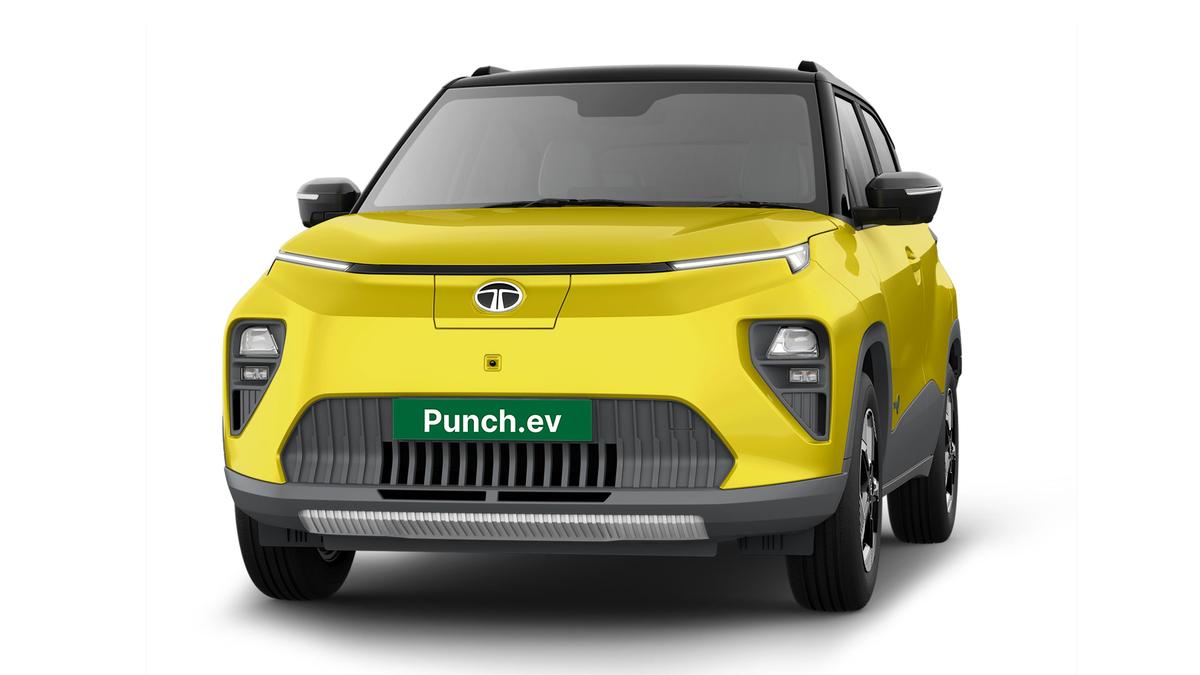
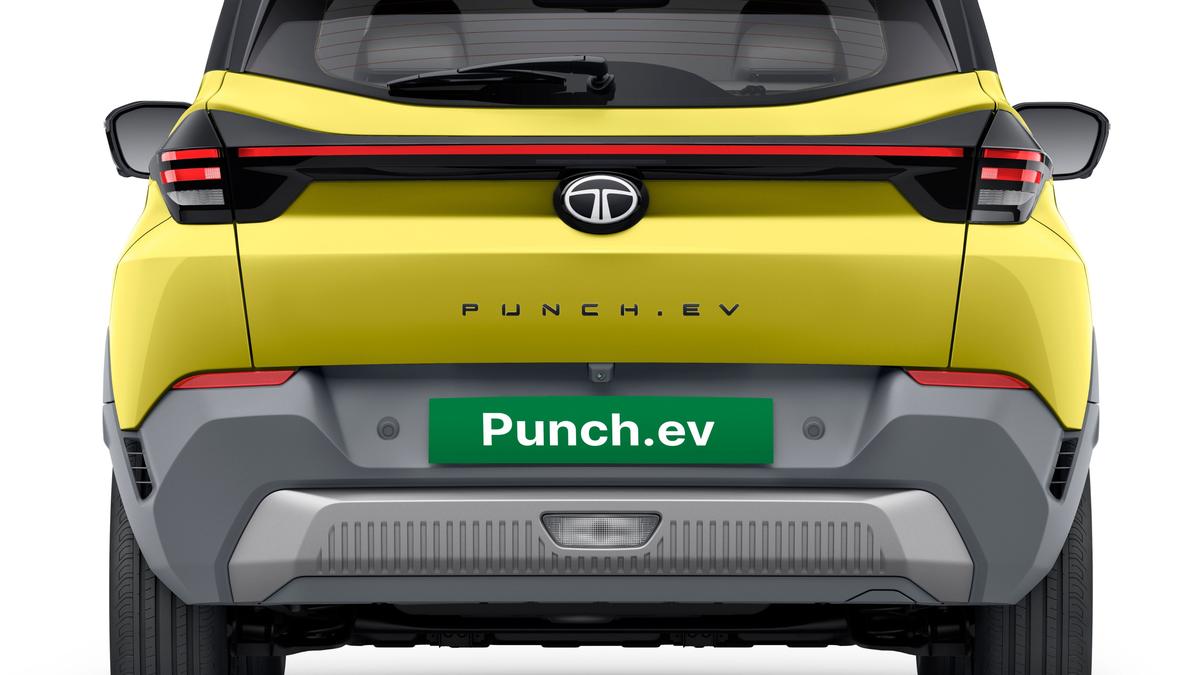
In the rapidly evolving landscape of India’s automotive sector, few brands have managed to capture the zeitgeist of the electric vehicle (EV) transition as effectively as Tata Motors. With the introduction of the Tata Punch.ev, the company has signaled a shift away from experimental forays into a more mature, calculated era of electrification. There is a quiet confidence to the way the Tata Punch.ev goes about its job. Rather than attempting to dazzle consumers with superficial gimmicks or overwhelming them with unnecessary technology, Tata Motors has focused on delivering a vehicle that integrates seamlessly into the rigors of everyday life.
This clarity of purpose is evident from the moment the vehicle is set in motion, marking a significant milestone in the journey toward mass-market EV adoption in the Indian subcontinent.
Main Facts: A Purpose-Built Electric Contender
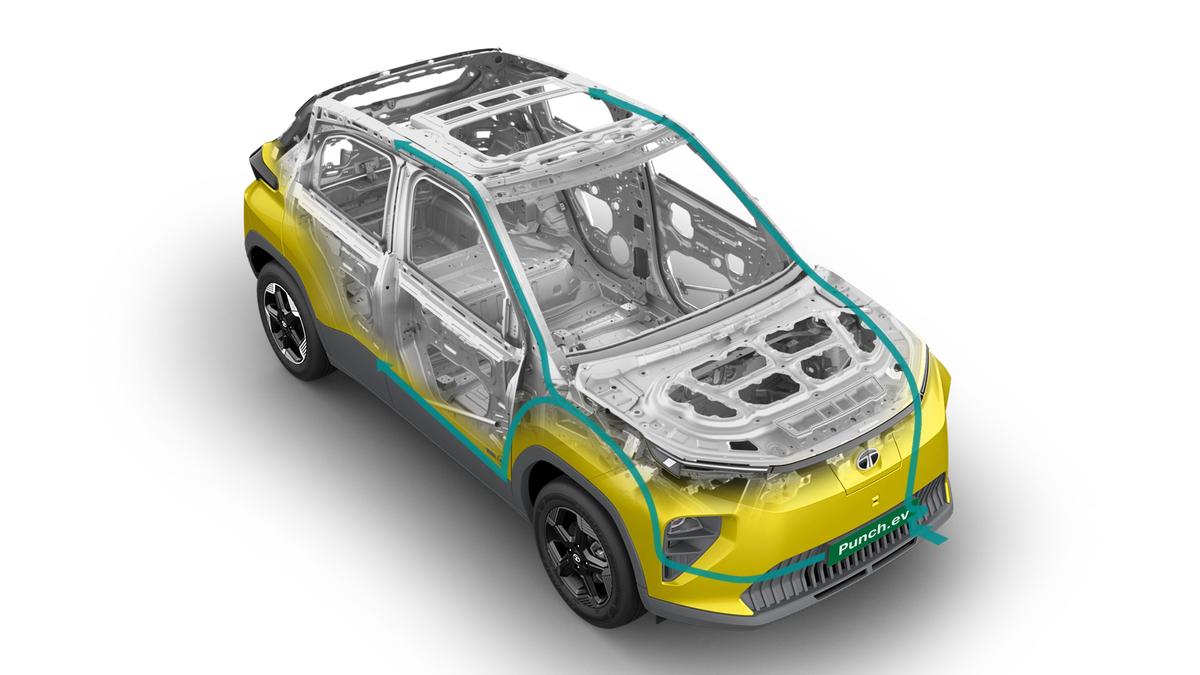
The Tata Punch.ev is not merely an internal combustion engine (ICE) vehicle with its heart swapped for a battery; it represents the debut of Tata’s sophisticated acti.ev platform (Advanced Connected Tech-Intelligent Electric Vehicle). This dedicated architecture allows for better space management, improved structural integrity, and enhanced battery packaging.
Key Specifications and Pricing
The Punch.ev is positioned strategically within the Indian EV hierarchy, sitting comfortably between the entry-level Tiago.ev and the more premium Nexon.ev.
- Price Range: ₹9.69 lakh to ₹12.59 lakh (ex-showroom).
- Battery Variants: Two options, including a 25 kWh Medium Range and a 40 kWh Long Range pack.
- Performance: The Long Range variant produces approximately 130 PS of power and 154 Nm of peak torque.
- Platform: acti.ev (Tata’s first dedicated EV-only architecture).
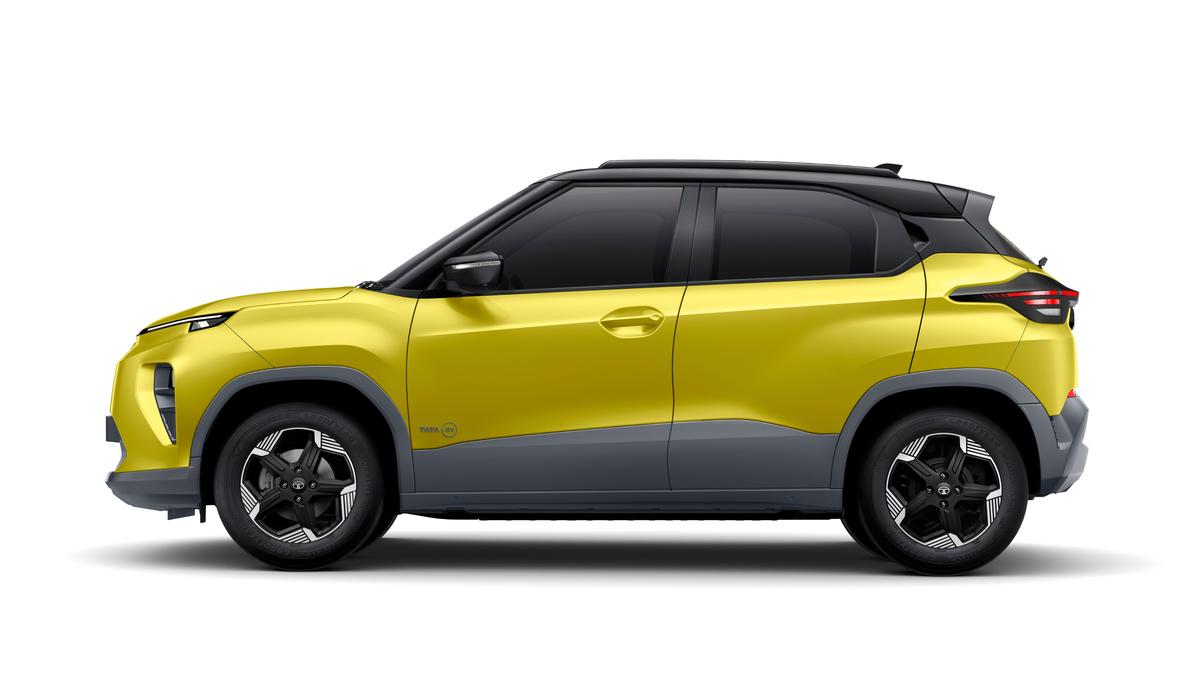
- Ground Clearance: A robust 195 mm, maintaining its "SUV" credentials.
The vehicle’s first impression is defined by its effortless movement. There is an immediacy to the acceleration that is perfectly calibrated for urban conditions. Unlike many early-generation EVs that suffered from a "binary" throttle—either too slow or uncomfortably jerky—the Punch.ev offers a progressive and predictable power delivery. It is quick off the line and remains eager up to 60 km/h, making the navigation of dense city traffic an almost enjoyable experience.
Chronology: The Evolution of Tata’s EV Strategy
To understand the significance of the Punch.ev, one must look at the timeline of Tata Motors’ electrification journey.
- The ICE Conversion Era (2020-2022): Tata entered the market with the Nexon EV and Tigor EV. These were "Gen 1" EVs—internal combustion engine platforms modified to house batteries. While successful, they faced limitations in terms of floor height and cabin space.
- Market Dominance (2023): With the Tiago.ev, Tata democratized electric mobility, bringing EVs to the sub-₹10 lakh segment. However, the market demanded something more rugged and feature-rich.
- The Launch of acti.ev (2024): The introduction of the Punch.ev marked the transition to "Gen 2" architecture. By moving to a dedicated EV platform, Tata addressed previous ergonomic concerns, such as the high floor-to-seat ratio that plagued earlier models.
- Current Status: The Punch.ev now serves as the benchmark for compact electric SUVs, offering features previously reserved for vehicles in higher price brackets, such as ventilated seats and a 360-degree camera system.
Supporting Data: Performance, Range, and Charging Infrastructure
Data from real-world testing and technical specifications reveal that the Punch.ev is engineered for practicality rather than just headline-grabbing figures.
Real-World Efficiency
While the Automotive Research Association of India (ARAI) provides optimistic range figures that often exceed 400 km for the larger battery pack, the real-world performance is more grounded. In typical Indian driving conditions—combining city stop-and-go traffic with occasional highway bursts—the 40 kWh variant settles into a believable 300–350 km range window.
Crucially, the vehicle maintains efficiency even when the air conditioning is running at full tilt—a vital requirement for the Indian climate. Even under aggressive driving, the range depletion is linear and predictable, reducing the "range anxiety" that often deters first-time EV buyers.
Charging Capabilities
The acti.ev platform enables faster charging speeds than Tata’s previous entry-level models.
- DC Fast Charging: Supports up to 65 kW.
- Efficiency: Under ideal conditions, the battery can go from 20% to 80% in approximately 30 minutes.
- Emergency Top-ups: A short 15-minute charge can add over 130 km of range, making it viable for spontaneous inter-city trips.
Ride Quality and Dynamics
The Punch.ev finds a "sweet spot" in ride dynamics. Weighing more than its ICE counterpart due to the battery pack, the car feels more planted and mature on the road. The suspension is tuned to absorb minor imperfections with confidence. While sharper bumps can elicit a hint of firmness—a common trait in EVs designed to manage battery weight—the overall stability at higher speeds is reassuring. The 195 mm ground clearance and impressive water-wading capability ensure that the vehicle retains the ruggedness expected of an SUV in this segment.
The Interior Experience: Tech and Ergonomics
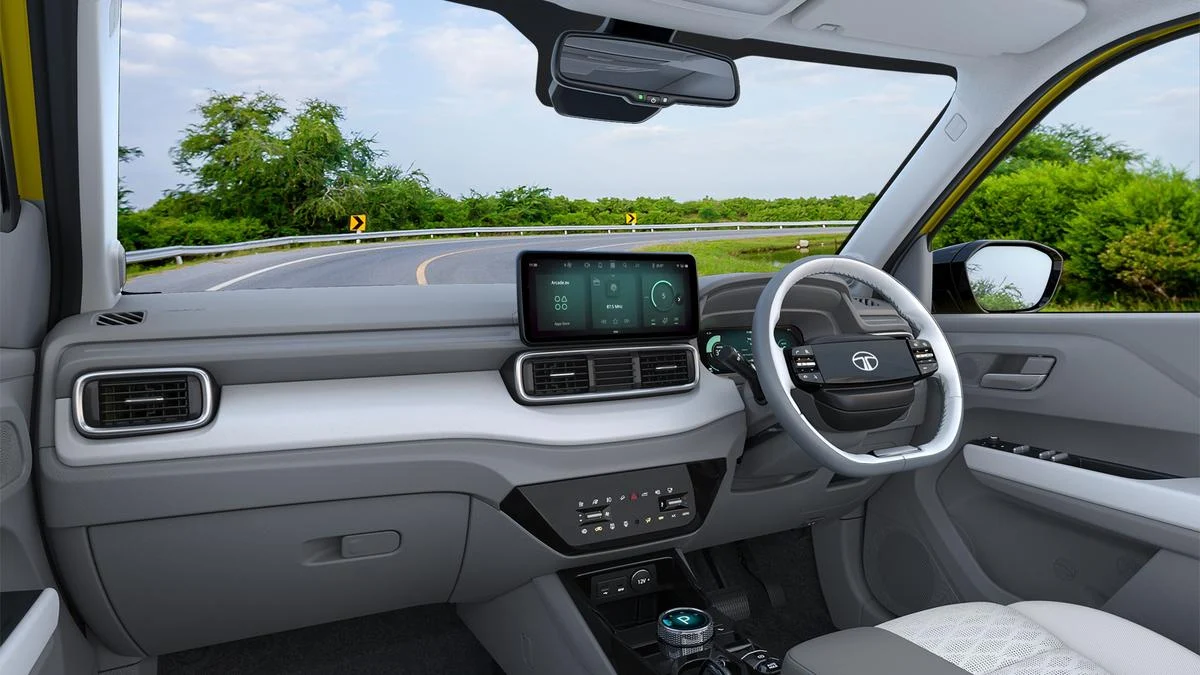
The cabin of the Tata Punch.ev reflects a philosophy of modern utility. It borrows elements from the more expensive Nexon.ev, giving it a premium feel that belies its price point.
- Digital Interface: A dual 10.25-inch screen setup (one for the infotainment and one for the instrument cluster) provides sharp, high-resolution visuals. The integration of wireless Android Auto and Apple CarPlay is seamless, and the navigation projection onto the driver’s cluster is a standout feature for urban navigation.
- Comfort Features: The addition of ventilated front seats is a segment-first that significantly improves the ownership experience in tropical regions.
- Space Management: The flat rear floor—a benefit of the acti.ev platform—maximizes legroom for rear passengers. The 366-liter boot remains functional for daily needs, despite a somewhat high loading lip.
However, cost considerations are visible upon closer inspection. Some plastics on the door cards feel basic, and certain ergonomic details could be further refined. Nevertheless, the fit and finish are a marked improvement over previous Tata models, lending the car a more polished character.
Official Responses and Market Positioning
Tata Motors has positioned the Punch.ev as a "no-compromise" urban vehicle. During the platform’s unveiling, Tata executives emphasized that the acti.ev architecture was designed to achieve high safety ratings and modularity.
Safety is not treated as an afterthought. The car is equipped with essential systems such as Electronic Stability Control (ESC) and Traction Management as standard. These systems are particularly important for front-wheel-drive EVs, which can sometimes struggle with wheel-spin due to the instant torque of the electric motor. Tata’s structural integrity, which has earned several of its models 5-star Global NCAP ratings, remains a core selling point for the Punch.ev.
Industry analysts note that Tata’s strategy of "filling the gaps" in the EV market is working. By offering a vehicle that is more capable than the Tiago.ev but more affordable than the Nexon.ev, Tata is capturing the widest possible demographic of Indian car buyers.
Implications: The Future of the Entry-Level EV Space
The success of the Tata Punch.ev has significant implications for the Indian automotive industry and the global shift toward electrification.
1. Pressure on Competitors
The Punch.ev’s feature-rich packaging puts immense pressure on rivals like the MG Comet and Citroen eC3. To remain competitive, other manufacturers will need to accelerate their plans for dedicated EV platforms and localized battery assembly to match Tata’s pricing and range.
2. Mainstreaming of Dedicated EV Platforms
The shift from ICE-conversion to the acti.ev platform proves that Indian consumers are ready for sophisticated EV tech. This will likely lead to a "Gen 2" wave across the industry, where vehicles are designed from the ground up to be electric, leading to better range, faster charging, and more interior space.
3. Solving the "Second Car" Dilemma
For many Indian households, the Punch.ev is the perfect "second car"—a vehicle dedicated to city commutes and school runs that is cheap to run and easy to park. As charging infrastructure continues to expand, vehicles with a 300+ km real-world range are increasingly being viewed as viable primary vehicles for small families.
Conclusion: A Well-Judged Choice
The Tata Punch.ev does not try to reinvent the electric car. Instead, it focuses on eliminating friction—making ownership simpler, driving easier, and the overall experience more approachable. While there is room for improvement in material quality and minor ergonomic details, these do not detract from the larger picture.
The Punch.ev is a practical, well-judged, and attainable entry into the electric space. It proves that for an EV to succeed in a price-sensitive market like India, it doesn’t need to be a spaceship; it just needs to be a very good car that happens to be electric. With pricing that hits the mark and a platform built for the future, Tata Motors has once again set the pace for the rest of the industry to follow.
