

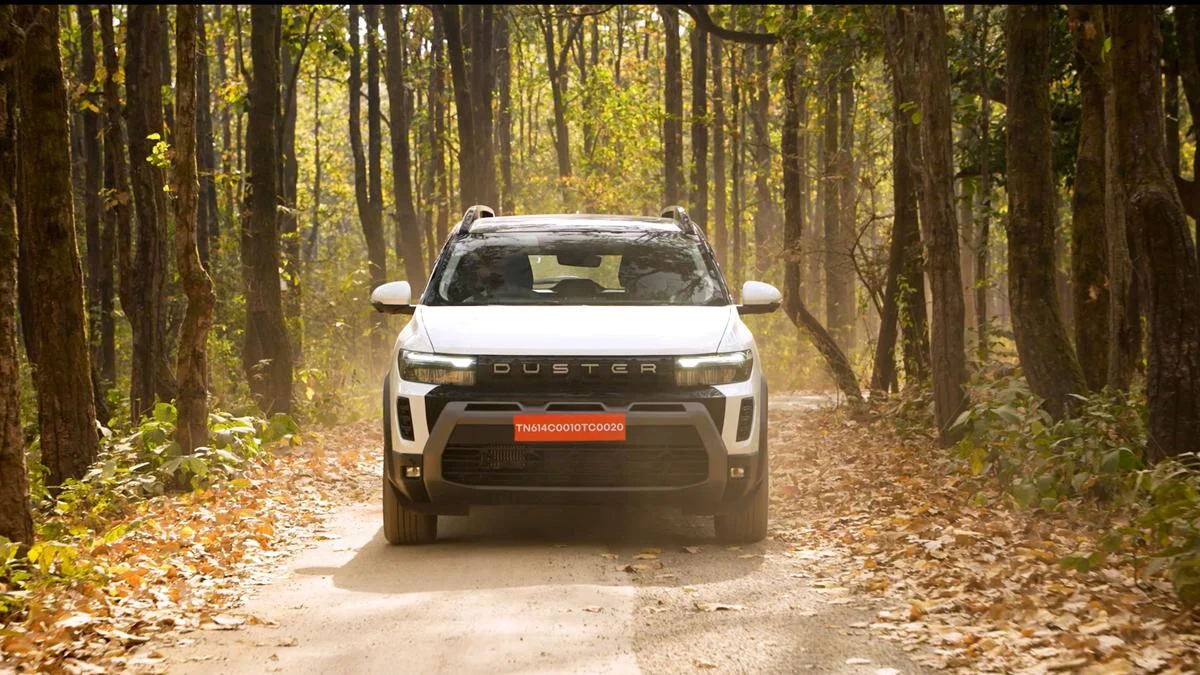
The Indian automotive landscape is no stranger to the "Duster" moniker. When Renault first introduced this compact SUV over a decade ago, it didn’t just enter a segment; it essentially invented one. Before the Duster, the choice for Indian buyers was polarized between ladder-frame behemoths and small hatchbacks. The Duster offered a third way: a rugged, monocoque SUV that combined the toughness of an off-roader with the road manners of a sedan. Now, after a hiatus that saw the segment it pioneered become the most crowded battlefield in the industry, the Renault Duster is making a high-stakes comeback.
I. Main Facts: The Specifications of a Renaissance
The new Renault Duster arrives not as a mere facelift, but as a comprehensive reimagining of what a modern, rugged SUV should be. Positioned in the heart of the mid-size SUV segment, the new iteration seeks to balance its heritage of "go-anywhere" capability with the "stay-connected" demands of the modern consumer.
Key Technical Highlights:
- Pricing: The Duster is competitively positioned with a price range of INR 10.29 lakh to INR 18.49 lakh (ex-showroom), targeting both entry-level SUV buyers and those seeking premium performance.
- Powertrain Options: The flagship 1.3-litre Turbo-Petrol engine delivers a class-leading 163hp and 280Nm of torque. Additionally, a 1.0-litre turbo-petrol (100hp/160Nm) serves as the entry point, while a highly anticipated 1.8-litre Strong Hybrid producing 160hp is slated for a Diwali release.
- Transmission: Options include a precise six-speed manual for enthusiasts and a smooth Dual-Clutch Transmission (DCT) for urban commuters.
- Dimensions & Utility: The vehicle retains its muscular proportions but adds a massive 518-litre boot, making it one of the most practical haulers in its class.
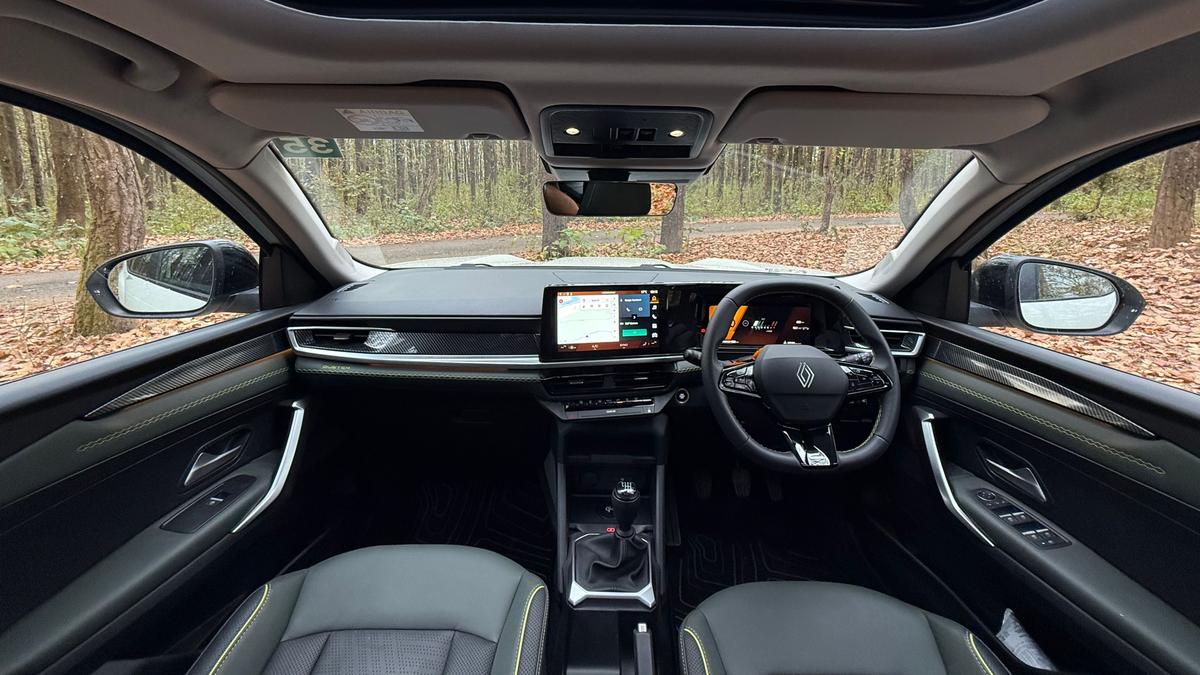
- Modern Tech: A 10.1-inch touchscreen infotainment system with Google-based services and a 10.25-inch digital driver display anchor the new "ICONIC" cabin.
II. Chronology: From Trailblazer to Hiatus and Back
To understand the weight of this launch, one must look at the Duster’s timeline in India, which serves as a microcosm of the Indian SUV evolution.
- 2012 – The Arrival: Renault launches the first-generation Duster. It becomes an overnight sensation, praised for its "unbreakable" suspension and ride quality. It single-handedly turned Renault into a household name in India.
- 2014-2016 – The Peak: The introduction of the All-Wheel Drive (AWD) variant solidified its cult status among enthusiasts. However, the arrival of the Hyundai Creta in 2015 began to shift consumer focus toward "lifestyle" features and premium interiors—areas where the aging Duster began to lag.
- 2020 – The Turbo Transition: As Bharat Stage VI (BS6) emission norms kicked in, Renault discontinued its legendary 1.5-litre K9K diesel engine, replacing it with a potent 1.3-litre turbo-petrol. While the engine was a masterpiece, the aging platform could no longer hide its years.
- 2022 – The Departure: Renault India officially paused Duster production, leaving a void in their portfolio. Fans were left wondering if the nameplate would ever return.
- 2024/2025 – The Resurrection: Utilizing the advanced CMF-B platform, Renault unveils the third-generation Duster globally. The Indian version is tailored to meet local tastes, bringing back the nameplate to take on the very rivals that once displaced it.
III. Supporting Data: A Deep Dive into Design and Performance
Aesthetic Evolution: Ruggedness Refined
The design philosophy of the new Duster is described as "matured identity." It avoids the trend of over-styling, opting instead for a "no-nonsense" stance.
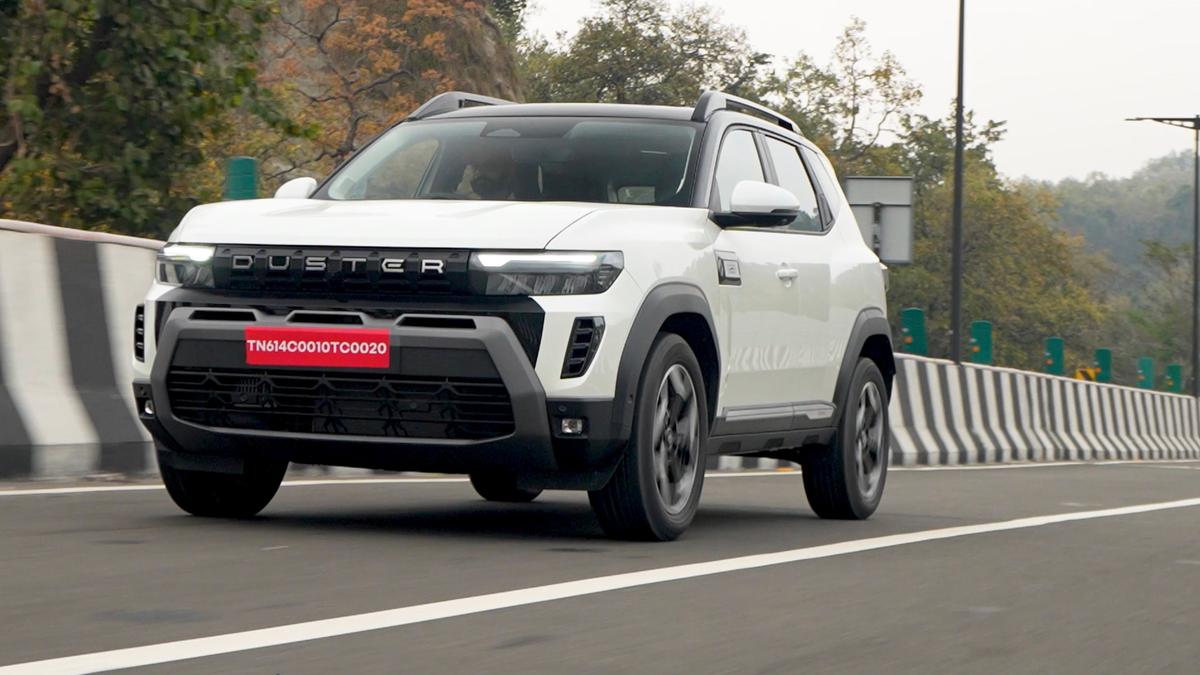
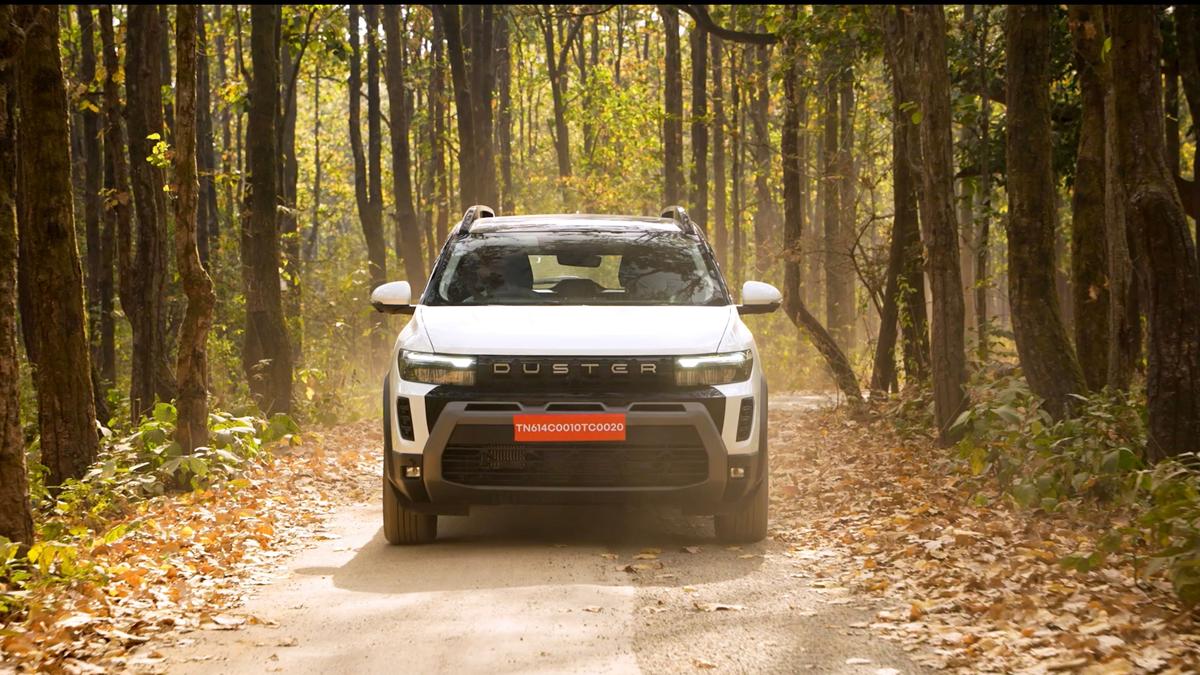
- Front Fascia: The LED lighting signature is clean and horizontal, integrated into a grille that prominently features the Duster lettering. The sculpted bonnet and silver skid plates aren’t just decorative; they are designed to withstand the debris of broken Indian roads.
- Side Profile: The SUV’s silhouette is defined by squared-off wheel arches and 18-inch alloy wheels. A notable modern touch is the rear door handle, now integrated into the C-pillar, giving the SUV a cleaner, two-door-like aesthetic while maintaining four-door practicality.
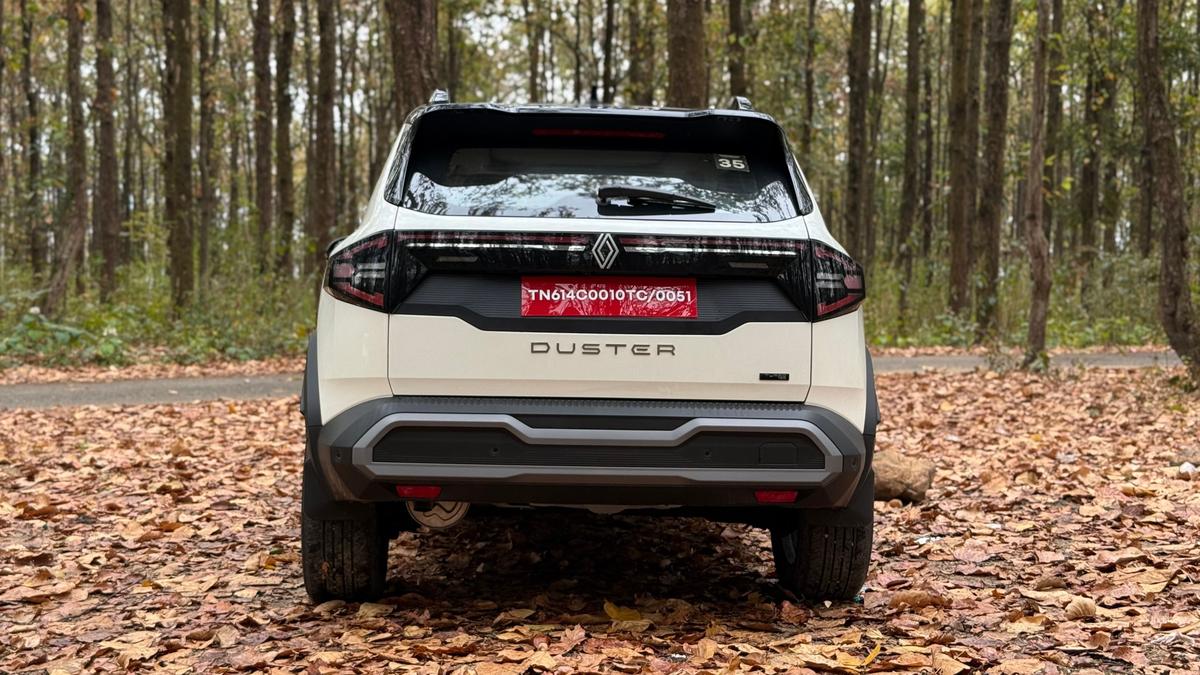
- Rear Design: Connected LED tail lamps provide a wide, planted look, emphasizing the vehicle’s width and stability.
The Driving Experience: Power and Poise
The 1.3-litre Turbo ICONIC variant is the focal point of the range. Performance data suggests a vehicle that punches well above its weight:
- The Torque Factor: With 280Nm available early in the rev range, the Duster exhibits a "surging" mid-range. Testers have noted that the car can break traction in second gear under heavy acceleration, a testament to the engine’s raw output.
- Ride Quality: This remains the Duster’s "Ace in the hole." The suspension geometry is tuned to absorb undulations that would unsettle its Korean or German rivals. While there is a slight firmness at low speeds to prevent "wallowing," it flattens out beautifully as speeds increase.
- Efficiency: Despite the high power output, Renault claims a fuel efficiency of over 18 kmpl for the turbo-petrol. In rigorous real-world testing (hilly terrain and spirited driving), figures hovered around 13 kmpl, suggesting that a steady highway cruise could easily yield 15-16 kmpl.
Interior and Ergonomics
Renault has addressed the primary criticism of the previous generation: the cabin.
- Material Quality: The "ICONIC" trim features tighter panel gaps and better-judged materials. It no longer feels like a "budget" SUV.
- Technology Integration: The 10.1-inch screen is tilted toward the driver, featuring a responsive UI. Crucially, Renault has retained physical buttons for climate control—a nod to safety and ease of use while driving on bumpy roads.
- Comfort Features: For the first time, the Duster offers powered and ventilated front seats, a panoramic sunroof, and a 360-degree camera, bringing it parity with the feature-rich segment leaders.
IV. Official Responses and Strategic Positioning
Renault’s strategy with the new Duster is a calculated departure from the "feature-war" currently dominating the Indian market.
The AWD Omission:
One of the most discussed aspects of the new Duster is the initial lack of an All-Wheel Drive (AWD) option. Official communication from Renault indicates that while the CMF-B platform is fully AWD-capable, the company is prioritizing front-wheel-drive (FWD) configurations to cater to the 95% of urban buyers. However, officials have hinted that "the return of AWD depends entirely on market feedback and demand," leaving the door open for an "Extreme" or "Off-Road" edition later in the lifecycle.
The Hybrid Pivot:
Recognizing the Indian market’s shift away from diesel, Renault’s official stance is a heavy lean toward hybridization. The upcoming 1.8-litre Strong Hybrid is seen as the spiritual successor to the diesel Duster, offering high torque and exceptional fuel economy without the "diesel-gate" baggage.
Market Competition:
When asked about competing with the Hyundai Creta and Kia Seltos, Renault spokespeople emphasize "Robustness" over "Flash." Their goal is not to sell a gadget on wheels, but a "tool for exploration" that happens to have modern gadgets.
V. Implications: What the Duster’s Return Means for the Market
The return of the Duster has several far-reaching implications for the Indian automotive industry:
- Reinvigorating the "Rugged" Sub-Segment: While the Creta and Seltos have mastered the urban "lifestyle" SUV, the Duster reintroduces a focus on mechanical toughness. This may force competitors to offer more robust suspension tunes or "off-road" styled trims.
- The Hybrid vs. EV Debate: By introducing a Strong Hybrid late in 2024, Renault is betting that Indian consumers aren’t quite ready for full EV adoption in the SUV segment but want better efficiency than a standard petrol engine. This puts them in direct competition with the Maruti Suzuki Grand Vitara and Toyota Hyryder.
- Brand Survival for Renault India: The Duster is more than just a product; it is a brand anchor. Its success is critical for Renault to maintain its relevance in India, especially as the brand looks to refresh its entire lineup, including the Kwid and Triber, using the same CMF-B platform architecture.
- Consumer Choice: For the buyer, the Duster’s return means they no longer have to choose between a fragile-feeling feature-rich car and a utilitarian workhorse. The Duster attempts to occupy the middle ground—the "Sweet Spot"—of the Indian SUV market.
Final Verdict:
The Renault Duster is no longer the only player in the game, but it remains one of the few with a distinct soul. It returns to a market that is more crowded, more demanding, and more tech-savvy than the one it left. By sticking to its core strengths—unmatched ride quality and a muscular presence—while fixing its historical weaknesses in tech and interior quality, the Duster is once again ready to challenge the status quo. Whether it can rewrite the rulebook a second time remains to be seen, but the "Duster" nameplate has certainly regained its intent.
