ASSAGAO, GOA — In the heart of Goa’s burgeoning culinary capital, Assagao, a new landmark has emerged that seeks to bridge the geographical and cultural gap between the regal courts of Lucknow and the sun-drenched coast of the Arabian Sea. Kesar Bagh, the latest venture by Chef Azaan Qureshi in partnership with hospitality mogul Priyank Sukhija, represents more than just a restaurant opening; it is the transplantation of a multi-generational culinary legacy into one of India’s most competitive food and beverage landscapes.
As the Goan dining scene shifts from beach shacks to high-end heritage experiences, Kesar Bagh enters the fray with a pedigree that few can match. Serving authentic Awadhi cuisine, the establishment is a tribute to the "Dum Pukht" style of slow-cooking, brought to life by a chef whose family name is synonymous with the revival of North Indian royal gastronomy.
Main Facts: A Convergence of Heritage and Hospitality
Kesar Bagh is situated within a meticulously restored 180-year-old Portuguese bungalow, a choice of venue that reflects the fusion of cultures the restaurant embodies. Spread across half an acre, the property can accommodate 120 guests, offering a variety of dining environments including an indoor salon and two expansive al fresco areas.

The restaurant’s culinary direction is spearheaded by Chef Azaan Qureshi, the grandson of the legendary Padma Shri awardee Chef Imtiaz Qureshi. The elder Qureshi is credited with revolutionizing Indian fine dining in the 1970s and 80s, having been the creative force behind iconic institutions like Bukhara and Dum Pukht at the ITC Maurya in Delhi. Following in the footsteps of his grandfather and his father, Chef Ghulam Qureshi, Azaan brings 15 years of experience with ITC Hotels to this flagship independent project.
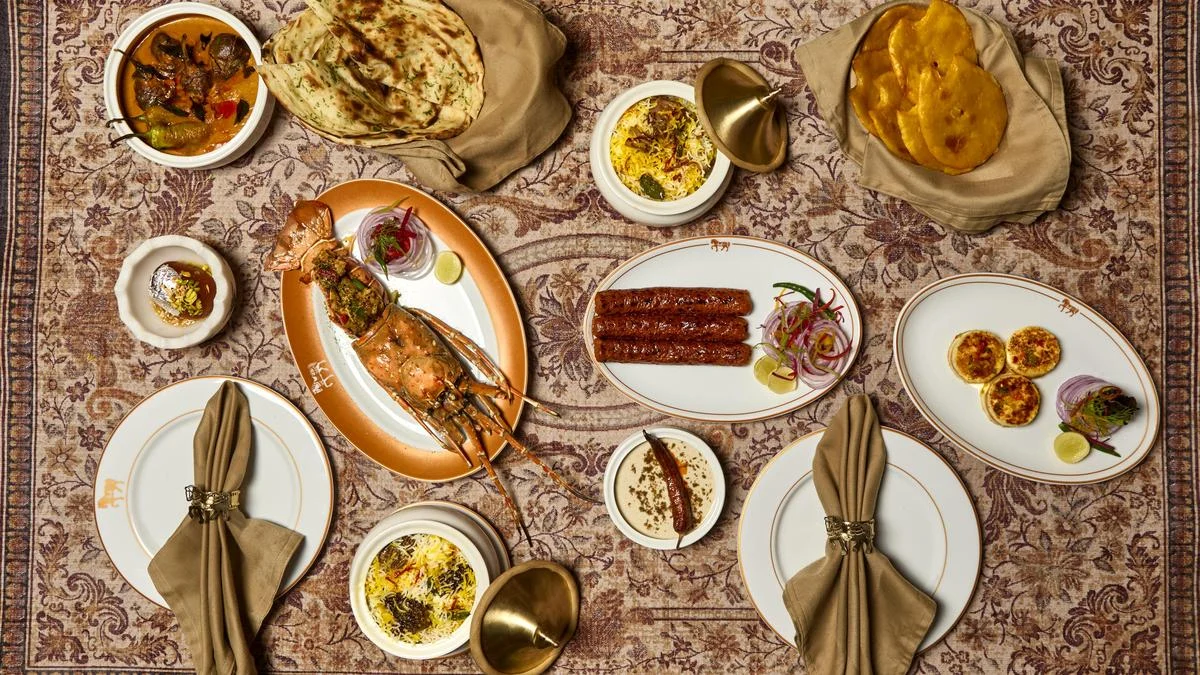
The menu at Kesar Bagh is a curated exploration of Awadhi staples, emphasizing the galawat (tenderizing) and dum (slow steam-cooking) techniques. Signature offerings include the world-renowned Kakori Kebab, the saffron-infused Sheermal, and the Gucchi-Subz-E-Zar—a dish featuring Himalayan morels that highlights the family’s ability to blend Indian traditions with global influences.
Chronology: From Gurugram to the Heart of Goa
The journey of Kesar Bagh began far from the tropical humidity of Goa. Originally, the concept was slated for a launch in Gurugram, Haryana, a hub for corporate fine dining. However, a pivot occurred when Chef Azaan Qureshi and Priyank Sukhija, CEO and Managing Director of First Fiddle F&B, visited Goa.
The duo happened upon an ancestral Portuguese bungalow in Assagao that resonated with their vision of "regal intimacy." The decision to relocate the project was instantaneous. The bungalow’s architecture—characterized by high tiled roofs, interconnected rooms, and expansive courtyards—provided the perfect canvas for a restaurant inspired by Lucknow’s Qaiser Bagh palace complex.

Renovations began in late 2023, focusing on preserving the structural integrity of the 19th-century building while infusing it with Awadhi aesthetic sensibilities. Original elements, such as century-old doors and the layout of the rooms, were maintained. The property officially opened its doors in April 2024, marking a significant addition to the "Assagao-Anjuna" dining belt, which has recently seen an influx of premium brands from Delhi and Mumbai.
Supporting Data: The Technical Artistry of Awadhi Cuisine
The success of Kesar Bagh rests on the technical precision of its kitchen. Unlike many contemporary "North Indian" restaurants that rely on heavy creams and generic tomato-based gravies, Kesar Bagh adheres to the strict principles of the Qureshi lineage.
The Galawat Technique
The Kakori Kebab, often described as the "pinnacle of the kebab-maker’s art," is the restaurant’s piece de resistance. The meat is tenderized using a technique called galawat, which utilizes the natural enzymes found in raw papaya. This process, perfected over half a century by the Qureshi family, results in a kebab so delicate that it requires no chewing—a characteristic that historically catered to the aging Nawabs of Lucknow.
The Dum Pukht Philosophy
Azaan Qureshi emphasizes that Awadhi food is defined by "fragrance over fire." The dum technique involves sealing a heavy-bottomed pot (handi) with dough, allowing the ingredients to cook in their own juices and steam over a very slow flame. This method ensures that the volatile oils of the spices—cardamom, mace, saffron, and cloves—permeate the meat and rice without being burnt off by high heat.

The Menu Matrix
Data from the kitchen reveals a focus on rare ingredients and complex preparations:
- Gucchi-Subz-E-Zar: Utilizing expensive morel mushrooms stuffed with clotted cream and potatoes, this dish reflects Chef Imtiaz Qureshi’s historical interactions with French culinary techniques.
- Bread Program: The menu features specialized breads like the Hazari Naan (layered with ajwain) and the Doodh Garlic Naan, which is kneaded with milk, curd, and cheese to achieve a specific texture.
- The Sweet Note: The Lab-e-mashooq (Kulfi Falooda) is designed with a specific sugar-to-fat ratio to cleanse the palate after the spice-rich main courses.
Official Responses: A Legacy to Protect
In an exclusive dialogue regarding the restaurant’s mission, Chef Azaan Qureshi spoke about the weight of his family’s reputation. "In Awadhi cuisine, it’s not just the masalas but the dum technique that is special," Qureshi explained. "It makes even fewer spices seem more complex through the longer cooking process. We aren’t just selling food; we are preserving a technique that has been passed down orally for generations."
When asked about the choice of location, Azaan noted the shifting demographics of Goa. "People come to Goa for an experience. While seafood is the staple here, there was a void for authentic, high-end Indian heritage food that isn’t just ‘curry.’ If I don’t bring this authentic lineage to the modern diner, who will?"
Priyank Sukhija of First Fiddle F&B echoed this sentiment, highlighting the business logic behind the move. "Goa is no longer just a seasonal destination; it is a year-round culinary hub. Kesar Bagh fits into the ‘slow-living’ vibe of Assagao while providing a level of sophistication and historical narrative that is currently in high demand among domestic and international tourists."

Architectural and Aesthetic Implications
The design of Kesar Bagh serves as a physical manifestation of its culinary philosophy. The interior palette of light salmon pink and teal is a departure from the traditional dark woods and gold leaf often associated with royal Indian restaurants. Instead, it opts for a "contemporary palace" feel.
The inclusion of high-profile Indian art, specifically paintings by the renowned Thota Vaikuntam, adds a layer of cultural prestige. The transition from the outdoor "Kesar" bar—where bartenders serve modern infusions like the Mango Kesar Spritzer—to the formal indoor dining rooms allows the restaurant to function as both a casual evening spot and a formal celebratory venue.
However, the integration of modern amenities into a 180-year-old structure has its challenges. Observers have noted that while the visual aesthetics are seamless, the modern sound systems and technological requirements of a high-volume restaurant occasionally clash with the "old-world" ambiance. Nevertheless, the restoration is being hailed by local heritage enthusiasts as a successful example of adaptive reuse, preventing the bungalow from falling into disrepair.
Implications for the Goan F&B Landscape
The arrival of Kesar Bagh in Assagao signifies a broader trend in the Indian hospitality sector: the "De-territorialization" of regional cuisines. No longer is authentic Awadhi food confined to the "Bukhara-style" corridors of five-star hotels in the North. By bringing this level of culinary sophistication to a beach-state, the Qureshi family is testing the market’s appetite for "reverent dining" in a traditionally "relaxed" environment.

Furthermore, the restaurant’s pricing—approximately ₹4,000 for two—positions it as a premium destination, signaling confidence in the spending power of the "New Goa" resident. As more chefs of Azaan Qureshi’s caliber exit the structured environment of luxury hotel chains to start flagship independent properties, the Indian dining scene is likely to see a rise in specialized, heritage-focused "boutique" restaurants.
Kesar Bagh is not merely a place to eat; it is a repository of the Qureshi family’s secrets, a showcase of Lucknowi history, and a bold bet on the evolution of Goan tourism. For the diner, it offers a rare opportunity to witness "time standing still" over a plate of Kakori kebabs, even as the world outside continues its rapid pace.
Fact Box: Kesar Bagh
- Location: 5, Saunto Waddo, Anjuna Mapusa Road, Assagao, Goa.
- Cuisine: Authentic Awadhi (Lucknowi).
- Key Figures: Chef Azaan Qureshi (Founder), Priyank Sukhija (Partner).
- Average Cost: ₹4,000 for two (exclusive of taxes).
- Hours: 12:30 PM to 3:30 PM, 7:00 PM to 11:30 PM.