

In the contemporary real estate landscape, the ancient Indian architectural science of Vastu Shastra has transcended traditional boundaries, becoming a pivotal consideration for modern homeowners and urban planners alike. Among the various orientations, the north-east-facing house—often referred to as the "Ishanya" corner—stands out as the most coveted. Believed to be a powerhouse of divine energy and positive vibrations, a north-east orientation is synonymous with spiritual growth, financial abundance, and physical health.
However, owning a north-east-facing property is only the first step. The internal configuration, the placement of elements, and the flow of "Prana" (life force) determine whether the residents will truly benefit from this auspicious alignment. This report explores the intricate guidelines of Vastu for north-east-facing homes, the historical significance of these practices, and the practical implications for modern living.
1. Main Facts: The Significance of the North-East Direction
In Vastu Shastra, the north-east direction is governed by "Ishana," an avatar of Lord Shiva, and is associated with the element of water. This direction is considered the point where the magnetic fields of the Earth and the solar energy from the sun converge, creating a unique "energy vortex."
Key Architectural Principles:
- Energy Inflow: The north-east is the entry point for cosmic energy. Any obstruction here is believed to block the flow of prosperity.
- The Solar Factor: These homes receive the first rays of the morning sun, which are rich in Vitamin D and have natural disinfecting properties.
- The Water Connection: As the water element zone, it dictates the placement of underground tanks, borewells, and fountains.
- Psychological Impact: Proper Vastu in this direction is linked to mental clarity, reduced stress, and harmonious family relationships.
2. Chronology: The Evolution of Vastu from Ancient Wisdom to Modern Necessity
The principles of Vastu Shastra date back thousands of years, rooted in the Vedas and the Matsya Purana. Historically, Vastu was used to design temples and royal palaces to ensure the longevity of the structures and the prosperity of the inhabitants.
- Ancient Origins: Early Vedic texts described the "Vastu Purusha Mandala," a metaphysical planning tool that treated the house as a living organism. The North-East (Ishanya) was identified as the head of the Vastu Purusha, necessitating that it remain light, clean, and open.
- Medieval Adaptation: During the middle ages, Vastu principles were integrated into the design of traditional Indian courtyards (Haveli and Wada), where the north-east was often left as an open courtyard to allow sunlight and rain to bless the center of the home.
- Modern Resurgence: In the 21st century, as urban living becomes more cramped and stressful, there has been a significant shift toward "Vastu-compliant" apartments. Today, developers use north-east facing as a primary selling point, and interior designers use Vastu "tweaks" to rectify architectural flaws in pre-built structures.
3. Supporting Data: Detailed Guidelines for Room Placement and Decor
To harness the full potential of a north-east-facing house, specific rules must be followed regarding the internal layout. Deviations are believed to result in "Vastu Dosha" (architectural defects), which may lead to financial losses or health issues.
A. The Entrance and Exterior
The main gate is the mouth of the house. For a north-east-facing home, the entrance should ideally be located in the north-east quadrant of the plot.
- Size Matters: The main door should be the largest door in the house. This facilitates the "swallowing" of positive energy and brings glory to the residents.
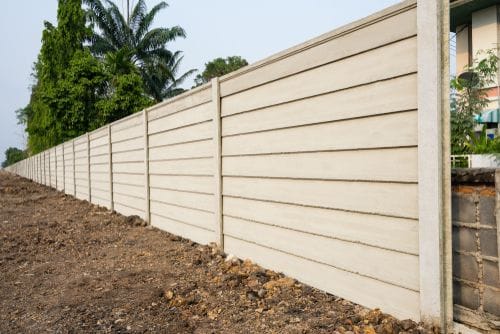
- Boundary Walls: Vastu dictates a "slope" of energy. Therefore, the compound walls in the north and east should be shorter and thinner, while those in the south and west should be higher and thicker to retain energy.
B. The Master Bedroom and Stability
While the house faces north-east, the residents must "anchor" themselves in the heavy energy of the Earth.
- South-West Placement: The master bedroom should ideally be in the south-west (Nairutya) corner. This direction is governed by the Earth element, providing stability, leadership, and sound sleep.
- Avoid the Head: Placing a master bedroom in the north-east is considered a major flaw, as it puts the "weight" of the family on the "head" of the Vastu Purusha, leading to mental tension.
C. The Kitchen and the Fire Element
The kitchen represents the fire element (Agni). Fire and water are opposing forces.
- The South-East Rule: The kitchen should ideally be in the south-east corner.
- Conflict Prevention: A kitchen in the north-east is strictly prohibited, as it places "fire" in a "water" zone, which is believed to lead to frequent arguments and health problems for the women of the house.
D. Aesthetics, Colors, and Mirrors
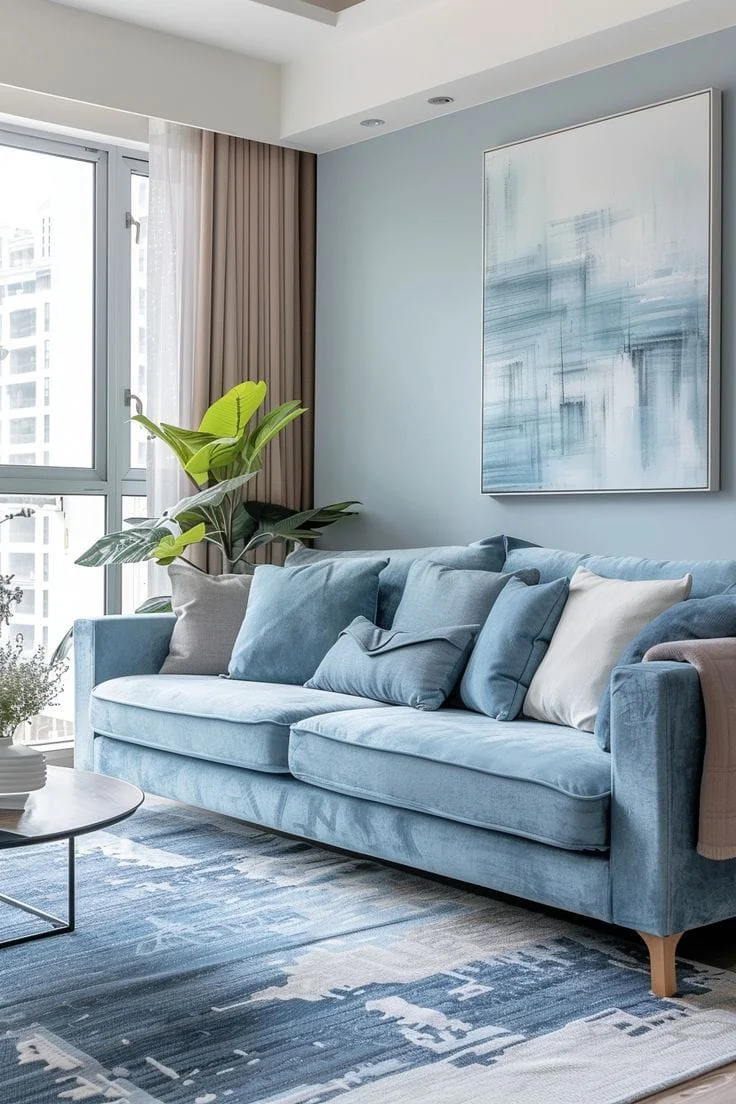
- Color Palette: Light blue and white are the most auspicious colors for north-east homes. These shades reflect peace, purity, and the water element. Darker shades like black or deep red should be avoided in this corner.
- Mirror Placement: Mirrors are "water" elements. Placing a mirror on the north or east wall of the north-east corner can virtually "expand" the space, doubling the flow of positive energy. However, they should never reflect the main door, as this "bounces" the energy back out.
4. Official Responses: Expert Perspectives on Vastu and Psychology
Leading Vastu consultants and psychologists have often weighed in on the efficacy of these traditional practices. While skeptics view it as superstition, proponents argue it is a form of environmental psychology.
The Expert View:
"Vastu is about the harmony of the five elements: Earth, Water, Fire, Air, and Space," says Dr. Arunesh Sharma, a veteran Vastu consultant. "When we say a north-east corner should be clean and light, we are essentially advocating for better hygiene, better ventilation, and more natural light. These are scientifically proven to improve serotonin levels and reduce cortisol."

The Real Estate Perspective:
Real estate analysts report that north-east-facing properties command a premium of 5% to 15% in the Indian market. "Buyers are increasingly looking for ‘Peace of Mind’ as an amenity," notes a senior executive from a leading property portal. "A north-east facing flat isn’t just a house; it’s seen as a spiritual insurance policy."
5. Implications: The Impact of Vastu on Modern Lifestyle
The implications of adhering to north-east Vastu guidelines extend beyond mere tradition; they touch upon the socio-economic and psychological well-being of the inhabitants.
A. Financial Stability and Career Growth
In Vastu, the north is the direction of Lord Kubera (the God of Wealth). A north-east-facing house that keeps its northern side open and clutter-free is believed to experience fewer financial bottlenecks. For professionals, this translates to better decision-making and career opportunities.
B. Health and Vitality
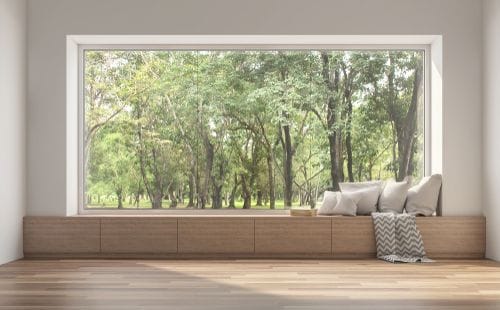
The "morning light" factor cannot be understated. By ensuring that big windows are in the north and east rather than the south-west, residents avoid the harsh, infrared-heavy heat of the afternoon sun, which can cause irritability and fatigue. Instead, they receive the germicidal benefits of early morning UV rays.
C. Remedial Vastu for Existing Structures
For those living in apartments where structural changes are impossible, Vastu offers "non-invasive" remedies:
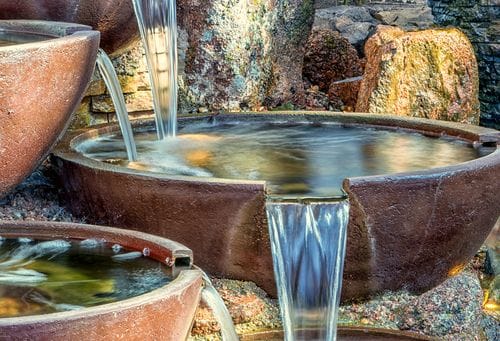
- Water Fountains: Placing a small, recirculating water fountain in the north-east can stimulate stagnant energy.
- Planting: Adding small, green plants in the north-east can enhance the "Air" element and purify the indoor environment.
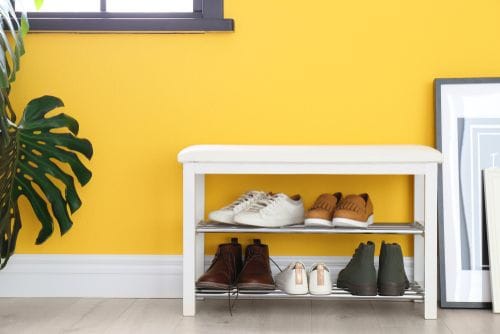
- Decluttering: The simplest and most powerful implication is the "Cleanliness Rule." Removing heavy furniture, shoe racks, and trash cans from the north-east entry point is said to immediately shift the "vibe" of a home.
Conclusion: Achieving Harmony in the North-East
Implementing Vastu in a north-east-facing house is not about rigid adherence to ancient dogmas but about creating a living space that breathes and thrives in sync with nature. By prioritizing light, cleanliness, and the correct placement of elements like water and fire, homeowners can transform their living environment into a sanctuary of peace.
While Vastu is not a substitute for hard work or medical science, it serves as a supportive framework. As the modern world becomes increasingly chaotic, the "Ishanya" corner offers a return to balance. Whether you are building a new home or renovating an old flat, a few simple tweaks—like changing a wall color to light blue or moving a shoe rack away from the entrance—can pave the way for a more harmonious and prosperous life.
Disclaimer: The information provided in this article is a synthesis of traditional Vastu principles, industry trends, and architectural guidelines. While many find these practices beneficial, they should be used as a supplementary guide. Readers are encouraged to consult with professional Vastu experts and architects before making significant structural changes to their properties.
