

NEW DELHI – In the high-stakes arena of international badminton, where matches are won by millimeters and championships are decided by the capacity to endure, PV Sindhu has long stood as a titan of Indian sports. However, following her historic triumph at the Japan Open—becoming the first Indian to claim the title—the double Olympic medalist has pulled back the curtain on a different kind of battle: the relentless, scientific, and often experimental pursuit of physical recovery.
In a candid revelation shared via social media and recent interviews, Sindhu detailed the sophisticated "home laboratory" managed by her husband, entrepreneur Venkata Datta Sai, and the profound impact of a pivotal mentorship session with cricket legend Virat Kohli. Her journey from the depths of injury-induced despair to the top of the podium in Japan offers a rare blueprint of how modern elite athletes integrate cutting-edge technology, nutritional science, and psychological fortitude to extend their careers.
Main Facts: The Architecture of an Elite Recovery Routine
PV Sindhu’s recent success is not merely the result of grueling 5:30 a.m. sessions on the court; it is the byproduct of a 24-hour recovery cycle. Since her marriage to Venkata Datta Sai, her domestic environment has transformed into a high-performance recovery center.
The "experiments" described by Sindhu include a mix of biohacking trends and clinically backed therapies:
- Inversion Therapy: Influenced by Zomato founder Deepinder Goyal, this involves hanging at an inverted angle to decompress the spine.
- Photobiomodulation (Red-Light Therapy): Used to reduce inflammation and accelerate cellular repair.
- Thermoregulation: The use of temperature-controlled mattresses to optimize sleep cycles.
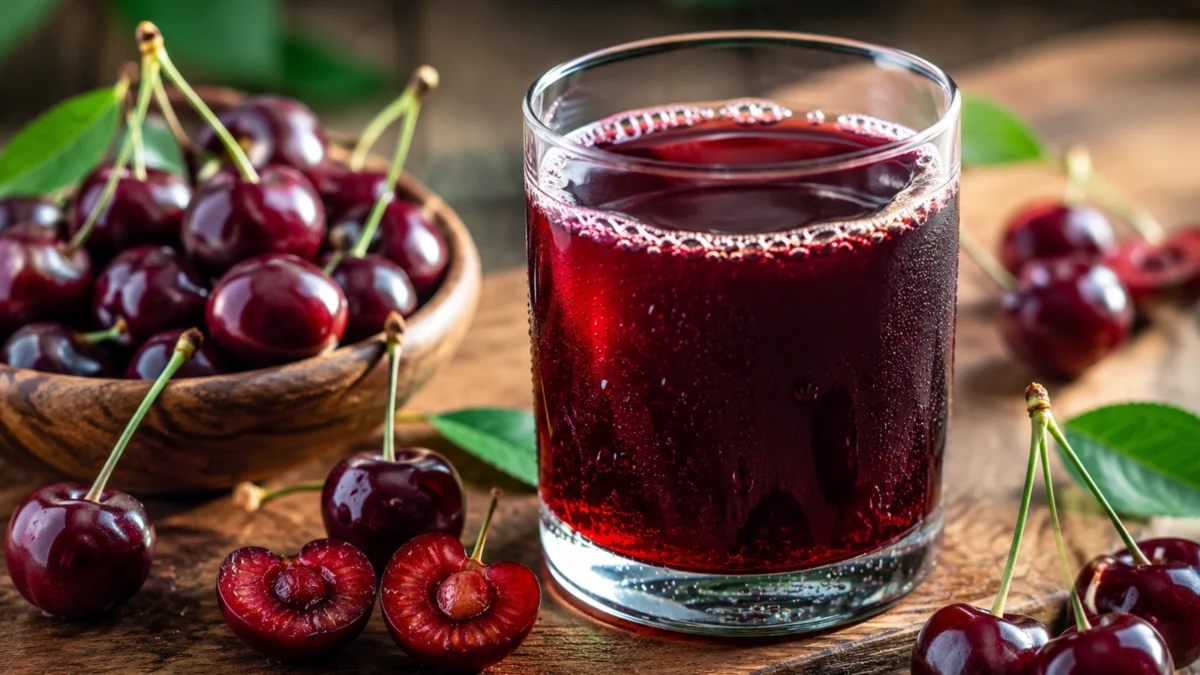
- Nutritional Intervention: The mandatory consumption of tart cherry juice for its melatonin and antioxidant properties.
- Advanced Modalities: Recovery boots (compression therapy), cryotherapy (cold exposure), and the impending acquisition of a hyperbaric oxygen chamber.
Beyond the physical, Sindhu highlighted a critical turning point in her mental health, attributing her resurgence to a private meeting with Virat Kohli during a period of professional stagnation and physical vulnerability.
Chronology: From the Nadir of Injury to the Japan Open Glory
The timeline of Sindhu’s recent career arc reveals a classic narrative of "the dark night of the soul" followed by a scientific rebirth.
The Low Point (Post-2022/2023)
Following a series of stress fractures and recurring injuries, Sindhu faced a period where "results weren’t coming." The physical toll of a decade at the top of the BWF (Badminton World Federation) circuit began to manifest as self-doubt. It was during this phase that she reached out to Virat Kohli.
The Kohli Intervention
Seeking counsel from someone who understood the unique pressure of being a national icon, Sindhu met with the former Indian cricket captain. While the specifics of the conversation remain private, Sindhu notes it "changed the way you see things." This mental shift provided the foundation for her to embrace a more rigorous, data-driven approach to her body’s maintenance.
The "Home Lab" Era
With the support of her husband, Venkata Datta Sai, Sindhu began implementing the "experiments" mentioned in her recent disclosures. This phase marked a transition from traditional training to a holistic "bio-optimization" model.
The Japan Open Milestone (July 2026)
The culmination of these efforts was realized in Tokyo, where Sindhu’s physical resilience allowed her to outlast younger opponents, securing a historic Japan Open title and silencing critics who suggested her peak had passed.
Supporting Data: The Biohacking Toolkit
To understand Sindhu’s success, one must look at the data behind the modalities she is currently utilizing.
1. The Hyperbaric Chamber
Datta Sai’s latest obsession, the hyperbaric chamber, involves breathing pure oxygen in a pressurized environment. Data suggests that this increases the amount of oxygen the blood can carry, which can speed up the healing of tissues and reduce swelling—critical for an athlete dealing with high-impact joint stress.
2. Red-Light Therapy (RLT)
RLT uses low-wavelength red light to reportedly improve mitochondrial function. For a badminton player, whose sport requires explosive lateral movement, RLT helps in the rapid repair of muscle fibers and reduces the oxidative stress caused by overtraining.
3. Inversion Tables
Used for spinal decompression, these tables help counteract the "gravitational compression" that occurs during jumping and lunging. By shifting the body’s center of gravity, it allows the discs in the spine to rehydrate and reduces nerve pressure.
Official Responses: The Expert View on Tart Cherry Juice
One of the more accessible elements of Sindhu’s routine is the consumption of tart cherry juice. To validate this practice, medical experts have weighed in on why this specific fruit has become a staple for elite performers.
Dt Amreen Sheikh, Chief Dietitian at KIMS Hospitals, Thane, confirms that Sindhu’s "compulsory" bedtime drink is backed by significant nutritional science.
"Tart cherry juice contains natural compounds like anthocyanins, which have potent anti-inflammatory and antioxidant properties," Sheikh explained. "Crucially, it contains small amounts of natural melatonin. Research suggests it may support better sleep quality and help the body recover after intense physical activity."
However, Sheikh offered a cautionary note for the general public: "It is not a magic drink. For athletes like Sindhu, it works because it is part of a 360-degree routine. For someone with a sedentary lifestyle, adding cherry juice won’t fix a poor diet. Furthermore, many commercial brands add sugar, which can cause blood sugar spikes. It must be unsweetened to be effective."
Implications: The Evolution of the Indian Athlete
The "Sindhu Model" of recovery signifies a broader shift in the Indian sporting landscape.
The Professionalization of the "Inner Circle"
The role of Venkata Datta Sai as an entrepreneur-turned-performance-manager highlights a new trend where the athlete’s family acts as a sophisticated support unit. By vetting technologies and consulting with tech leaders like Deepinder Goyal, the modern athlete’s team operates more like a tech startup than a traditional coaching camp.
Cross-Sport Mentorship
The revelation regarding Virat Kohli suggests that India’s sporting elite are moving away from silos. The "Kohli-Sindhu" exchange demonstrates a maturing ecosystem where legends across different disciplines share psychological strategies for longevity. This camaraderie is essential for maintaining the mental health of athletes who face immense public scrutiny.
Redefining "Winning"
Perhaps the most significant implication is Sindhu’s shift in perspective. She stated, "Today, I know exactly why I wake up for those 5:30 a.m. sessions… it isn’t the trophies. It’s something much deeper." This intrinsic motivation—protecting the "joy" of the sport—is often what separates athletes who burn out from those who achieve legendary longevity.
Accessibility of Sports Science
While hyperbaric chambers and temperature-controlled mattresses are expensive, the focus on "breathing drills" and "recovery boots" signals to the next generation of Indian shuttlers that the game is no longer just about what happens on the court. Recovery is now recognized as an active, rather than passive, part of the job.
Conclusion: The New Frontier
PV Sindhu’s journey serves as a testament to the fact that talent alone is insufficient in the modern era. Her willingness to be a "guinea pig" for her husband’s recovery experiments, combined with her humility in seeking advice from peers like Virat Kohli, has equipped her with a "giant metal tube" (the hyperbaric chamber) and a renewed spirit.
As she continues to compete at the highest level, the "bizarre things" that Sindhu says are "starting to make sense" will likely become the standard operating procedure for the next generation of Indian champions. In the end, the trophies may be the visible result, but the true victory lies in the science of the "Okay… what’s today’s experiment?"
DISCLAIMER: This article is based on information from the public domain and expert interviews. The recovery routines mentioned are specific to elite professional athletes. Always consult your health practitioner or a certified sports scientist before starting any new health or recovery routine.
