

Hangzhou, China – The meticulously manicured tracks and fields of the Asian Games have once again become the stage for a compelling narrative, one where the raw power and enduring spirit of African-born athletes are indelibly stamping their class. In a trend that has steadily intensified over the past two decades, athletes who have switched national allegiances from African nations to represent various Asian countries are not merely participating; they are dominating, reshaping medal tallies, and challenging the very identity of "Asian" athletic prowess. This phenomenon, while legal under current World Athletics regulations, ignites fierce debate about fair play, the spirit of regional competition, and the future development of indigenous Asian talent.
In the latest edition of the Asian Games, this dominance was starkly evident across multiple disciplines, particularly in endurance running and relays. In at least three high-profile races – the Women’s 10,000m, the Men’s 10,000m, and the Mixed 4x400m relay – African-born athletes, now representing Asian nations, stormed to the podium. In two of these crucial events, they narrowly edged out strong Indian contenders for the coveted gold medals, underscoring the formidable challenge they pose to traditional Asian powerhouses.
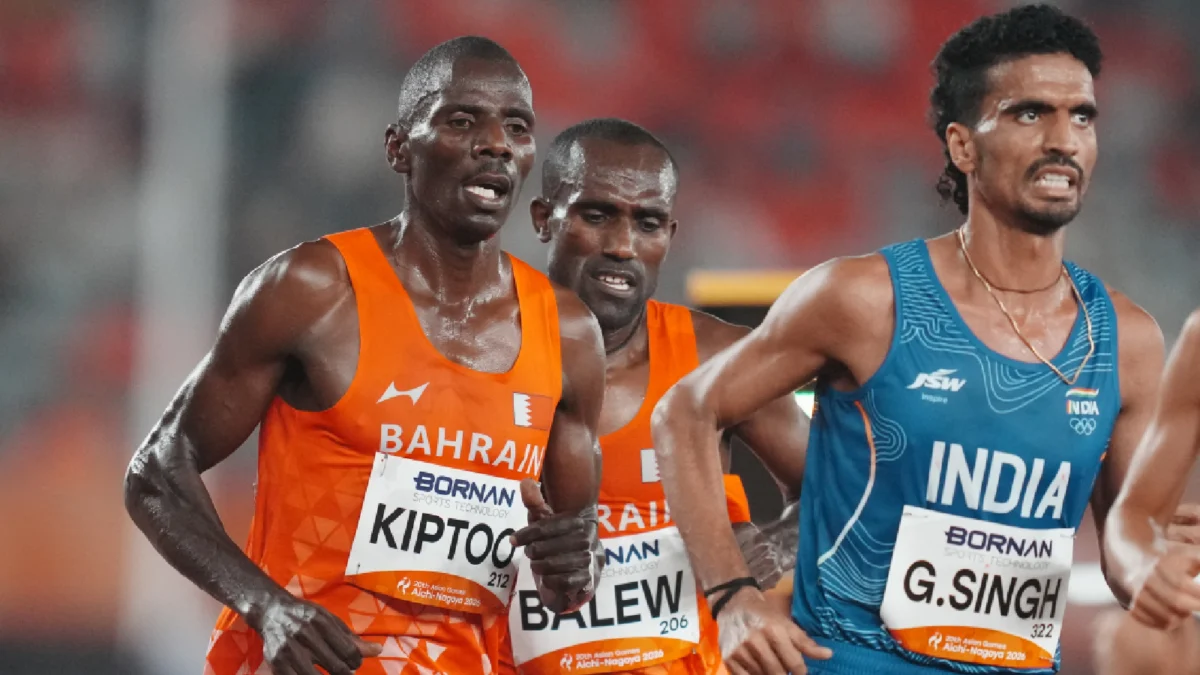
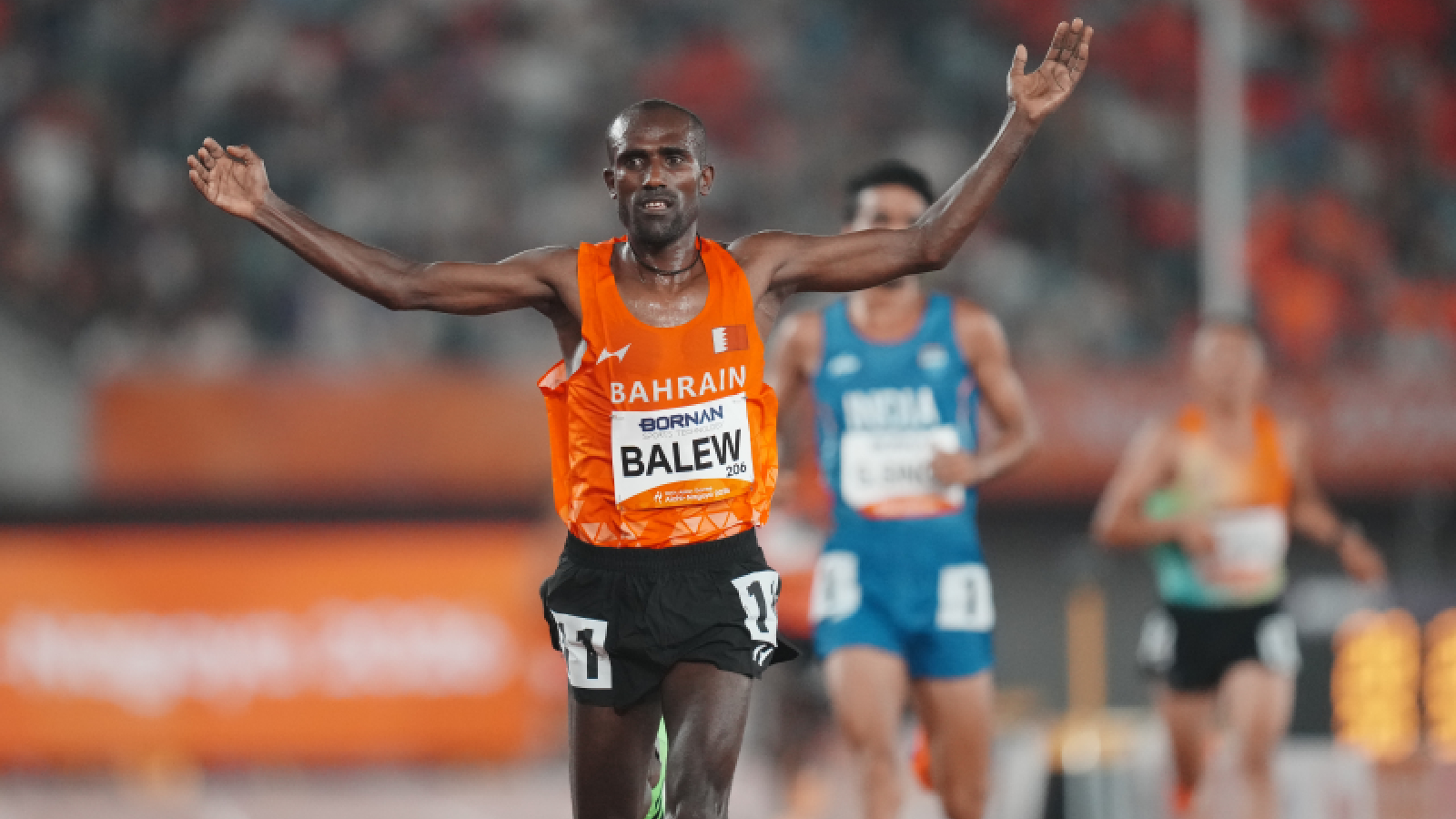
The Men’s 10,000m final served as a poignant illustration of this dynamic. India’s Gulveer Singh, widely regarded as one of Asia’s premier long-distance runners, dictated the pace for much of the race, displaying tactical acumen and formidable stamina. He appeared poised for a historic victory, especially given his renowned finishing kick. However, in a dramatic final lap, Ethiopia-born Birhanu Balew, competing for Bahrain, unleashed an astonishing burst of speed, leaving Gulveer Singh in his wake. Balew’s devastating kick created a significant gap, allowing him to cross the finish line a decisive 1.87 seconds ahead of the Indian, securing the gold and relegating Singh to a hard-fought silver. This moment encapsulated the broader struggle faced by native Asian athletes: even at their peak, they are increasingly finding themselves in direct, often insurmountable, competition with world-class talent originally nurtured on the African continent.
A Deep-Seated Trend: More Medals, More Flags
The presence of African-born athletes in the Asian Games is by no means a novel occurrence, but its scale and impact have evolved dramatically. What began as a trickle has become a powerful current, fundamentally altering the competitive landscape of Asian track and field. Analysis of past games reveals a clear upward trajectory in the success of these athletes. In the 2014 Incheon Asian Games, athletes who had transferred allegiances accounted for 14 medals in athletics. By the 2018 Jakarta-Palembang Games, this number had risen to 16, a testament not only to their individual excellence but also to the increasing strategic recruitment by various Asian national Olympic committees.
Beyond the sheer number of medals, the diversity of nations these athletes represent has also expanded. While Gulf countries like Qatar and Bahrain were early and prominent adopters of this strategy, nations like Kazakhstan have more recently joined the ranks of beneficiaries. This diversification suggests a growing understanding across Asia of the competitive advantage offered by tapping into Africa’s rich talent pool, particularly in endurance and sprint events where African athletes have historically excelled globally. For countries like India, whose track and field programme, particularly in middle-distance events, has traditionally been a source of national pride and medal aspirations, this trend presents a profound challenge. Indian athletes are now compelled to "dig deeper" than ever before, not just to win, but often just to secure a spot on the podium against a field that increasingly mirrors global rather than purely regional competition.
Quantifying the Dominance: The Record Books Tell a Story
The influence of African-born athletes extends far beyond individual races and medal ceremonies; it is fundamentally reshaping the historical records of Asian athletics. A glance at all-time top 10 lists for various events reveals a striking transformation. In the men’s 5000m, for instance, a staggering eight of the top ten all-time Asian performances have been achieved by African-born athletes. Only two native Asians, Moukhled Al Outaibi of Saudi Arabia and India’s Gulveer Singh, manage to break into this elite group. This disproportionate representation highlights the extraordinary standard set by these transferred athletes, often eclipsing the best efforts of generations of indigenous talent.
Similarly, in the gruelling women’s 3000m Steeplechase, the situation is equally pronounced. India’s Parul Chaudhary stands as the sole native Asian in the all-time top five, with the other four spots occupied by African athletes who have switched to represent Bahrain and Kazakhstan. These statistics are not isolated anomalies; they reflect a consistent pattern across a range of track and field disciplines where endurance, speed, and sustained athletic performance are paramount.
The impact has also been keenly felt in sprint events, which are traditionally highly competitive and often decided by fractions of a second. The 2018 Asian Games provided memorable instances of this direct competition. Indian sprint sensations Dutee Chand, in both the 100m and 200m, and Hima Das, in the 400m, found themselves outpaced by formidable Nigeria-born sprinters. Odiong Edidiong of Bahrain claimed gold in the women’s 100m, while Salwa Eid Naser, also representing Bahrain but originally from Nigeria, dominated the 400m. These races, where India’s brightest hopes were ultimately denied gold by athletes with African origins, underscored the comprehensive nature of this competitive shift. The infusion of such talent elevates the overall standard but simultaneously raises questions about the definition of "Asian" supremacy in these events.
A Chronology of Transfers: From Pioneer to Policy
The practice of athletes switching allegiance, particularly from African nations to wealthier Asian counterparts, is not a recent phenomenon but rather a trend with a clear historical trajectory. Its roots can be traced back to the late 20th century, driven by a confluence of economic opportunities, access to superior training facilities, and the desire for international competitive exposure.
Early Adopters and Pioneering Transfers (1990s – Early 2000s):
Qatar stands out as one of the earliest and most proactive adopters of this strategy. The nation made headlines when Somalia-born Mohamed Suleiman, competing in the 1500m discipline, became Qatar’s first-ever Olympic medallist at the 1992 Barcelona Olympics. This landmark achievement demonstrated the immediate benefits of such transfers and likely served as a blueprint for other Gulf states looking to enhance their sporting profiles on the global stage. These early transfers were often individual decisions, driven by personal circumstances and the promise of a better life.
The Doha Catalyst and the Surge in Transfers (2006 onwards):
The trend gained significant momentum and became far more institutionalized following the 2006 Doha Asian Games, hosted by Qatar. This event served as a powerful showcase for the success of transferred athletes. Kenyan-born runners, representing Qatar and Bahrain, dominated a swathe of middle and long-distance events, winning gold in the men’s 800m, 1500m, 5,000m, 10,000m, 3000m steeplechase, and marathon. The palpable success at their home games, coupled with the rising global profile of athletics, provided a compelling incentive for Gulf nations to intensify their recruitment efforts.
The Peak of the Transfer Market (2012-2016):
The period between 2012 and 2016 marked the zenith of allegiance transfers, characterized by a more systematic and large-scale recruitment drive. Bahrain, in particular, became a significant player in this "transfer market." During this time, the tiny island nation acquired a staggering 18 athletes from Kenya, 17 from Ethiopia, 5 from Morocco, and 2 from Nigeria, among others. These bulk transfers were often facilitated through direct negotiations with athletes’ families, offering them attractive financial packages, a significantly improved lifestyle, and the opportunity to compete at the highest international levels.
This aggressive recruitment strategy directly correlated with a dramatic improvement in Bahrain’s athletics medal tally at the Asian Games. From securing a respectable nine athletics medals at the 2010 Asian Games, Bahrain’s performance surged to an impressive 19 medals (including 9 golds) at the 2014 Incheon edition. This ascendancy continued into the 2018 Jakarta edition, where they bagged 26 medals (with 12 golds). Even in the more recent 2023 Hangzhou edition, Bahrain maintained its strong showing, securing 16 medals (10 golds), largely propelled by its contingent of African-born athletes. This data unequivocally demonstrates the profound impact of these transfers on national sporting success.
Birhanu Balew’s personal account echoes the motivations behind many such transfers. After securing his 2026 Asian Games gold medal, he candidly shared his experience with the media: "Life has changed for me after I started competing for Bahrain. I drive a Corolla and have a new home. I train in Ethiopia mostly year round. I love Bahrain, my family keeps switching between Bahrain and Ethiopia." His words encapsulate the tangible benefits – economic stability, modern amenities, and continued ties to his homeland – that entice many talented African athletes to pursue these opportunities.
Official Responses and the Shifting Regulatory Landscape
The escalating trend of bulk transfers, particularly those perceived to be driven purely by financial incentives rather than genuine national ties, eventually drew the attention and concern of international sporting bodies. World Athletics (then known as the International Association of Athletics Federations, or IAAF) recognized the potential for exploitation and the erosion of sporting integrity.
The Freeze and Reforms (2017-2018):
In a decisive move to address the "wholesale market for African talent," World Athletics imposed a moratorium on the transfer of allegiance from February 2017 to July 2018. This temporary freeze was intended to allow the organization to review and reform its rules governing such transfers. Hamad Kalkaba Malboum, the IAAF Council representative for Africa, was a vocal critic of the existing system, famously condemning it as "a wholesale market for African talent open to the highest bidder." His strong words highlighted the ethical concerns surrounding the practice, particularly the perceived exploitation of young, talented athletes from economically disadvantaged backgrounds.
Following this period of reflection and reform, new, more stringent regulations were announced in 2018. These reforms aimed to introduce greater oversight and prevent the indiscriminate acquisition of athletes. Key changes included:
- A new waiting period of three years: Athletes were required to observe a minimum three-year waiting period from their last competition for their former country before being eligible to represent a new nation.
- An age limit of 20: To discourage the recruitment of very young athletes, an age limit of 20 was introduced for athletes to be eligible for transfer, though exceptions could be granted under specific circumstances.
- Demonstrated connection: The new rules also sought to ensure that athletes had a genuine link to their new country, beyond purely financial arrangements.
Ongoing Challenges and Recent Interventions:
Despite these more stringent laws, the issue of allegiance transfers continues to be a complex and evolving challenge. World Athletics remains vigilant, demonstrating its willingness to intervene when transfers appear to circumvent the spirit of the regulations. A recent high-profile instance involved the blocking of a move by 11 athletes, including several prominent figures, to Turkiye. Among these athletes were the 2024 Paris Olympic discus gold medalist Rojé Stona (Jamaica), former marathon world record-holder Brigid Kosgei (Kenya), shot putter Rajindra Campbell (Jamaica), long jumper Wayne Pinnock (Jamaica), and sprinter Favour Ofili (Nigeria). World Athletics termed this collective transfer a "coordinated recruitment strategy led by the Turkish government," indicating that even with stricter rules, nations continue to seek ways to acquire top talent, prompting ongoing scrutiny from the international governing body.
Implications and the Future of Asian Athletics
The increasing prevalence of African-born athletes competing at the Asian Games presents a multifaceted dilemma, with significant implications for the future trajectory of Asian athletics. On one hand, it undeniably raises the overall competitive standard of the Games, pushing all athletes to perform at their absolute best. For native Asian athletes, this means constant exposure to world-class competition, potentially driving them to new levels of performance and inspiring greater investment in training and development.
However, the other side of the coin reveals a more challenging reality: the consistent denial of medals to genuine Asian talent. When a significant portion of the podium places in key events are occupied by athletes whose formative years and natural talent were developed outside the continent, it inevitably raises questions about the integrity and identity of "Asian" championships. Does it dilute the significance of winning an Asian Games medal if the victor is not ethnically or culturally from the region? This is a sensitive debate, touching upon notions of national identity, sporting heritage, and the very purpose of regional games.
For native Asian athletes, the situation demands an unprecedented level of resilience and dedication. They are forced to compete not just against their regional peers, but against a global standard embodied by athletes who have often benefited from different developmental pathways and genetic predispositions for endurance or speed. This requires significant investment in infrastructure, coaching, sports science, and grassroots development within Asian nations to nurture and retain their own talent.
The fundamental question of "right and wrong" in this scenario remains complex and open to debate. From the perspective of the individual athlete, transferring allegiance can be a life-altering opportunity, providing financial security, world-class training, and a platform to achieve their full potential – opportunities that might not exist in their birth countries. For the receiving nations, it’s a strategic move to boost their sporting prestige and medal counts. Yet, for the native athletes of Asia, it is an undeniable competitive hurdle that fundamentally alters their chances of reaching the pinnacle of regional sport.
Ultimately, the reality for native Asian athletes is clear and uncompromising: they must prepare to compete with the very best, whether those athletes originate from within Asia or from the formidable talent pools of Africa. This means a continuous push for excellence, a deeper commitment to fostering indigenous talent, and a strategic approach to navigating a competitive landscape that has undeniably been transformed. The Asian Games will continue to be a spectacle of athletic prowess, but the origins of its champions will remain a topic of intense discussion and strategic consideration for years to come.
