

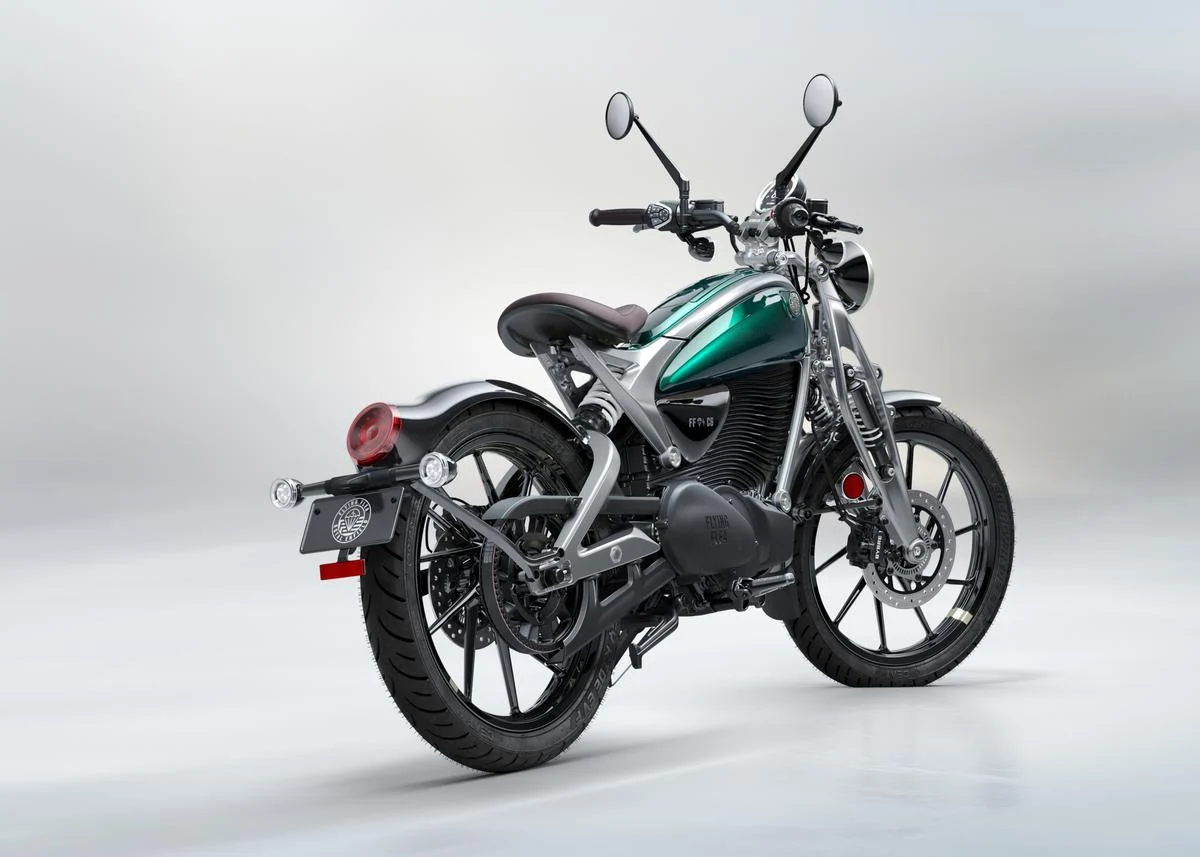
BENGALURU — In a move that marks one of the most significant pivots in its century-long history, Royal Enfield has officially entered the electric vehicle (EV) sector with the unveiling of the Flying Flea C6. This debut represents more than just a new model; it is the maiden offering under Royal Enfield’s dedicated electric sub-brand, “Flying Flea.” Designed from the ground up as a bespoke electric platform, the C6 seeks to reconcile the brand’s rugged, heritage-driven identity with the high-tech, sustainable demands of 21st-century urban commuting.
The Flying Flea C6 arrives at a critical juncture for the Indian two-wheeler market, where the transition to electric power is accelerating under the pressure of environmental regulations and shifting consumer preferences. By establishing a separate sub-brand, Royal Enfield is signaling that its electric future will not be a mere adaptation of its internal combustion engine (ICE) legacy, but a distinct, tech-forward evolution.
Main Facts: A New Identity for the Modern Commuter
The Flying Flea C6 is positioned as a premium, lightweight urban motorcycle. Priced at ₹2.79 lakh (ex-showroom), the vehicle targets an aspirational demographic that values both aesthetic heritage and cutting-edge technology. In a strategic move to lower the barrier to entry, Royal Enfield is also introducing a "Battery-as-a-Service" (BaaS) model, which brings the initial purchase price down to a more competitive ₹1.99 lakh.
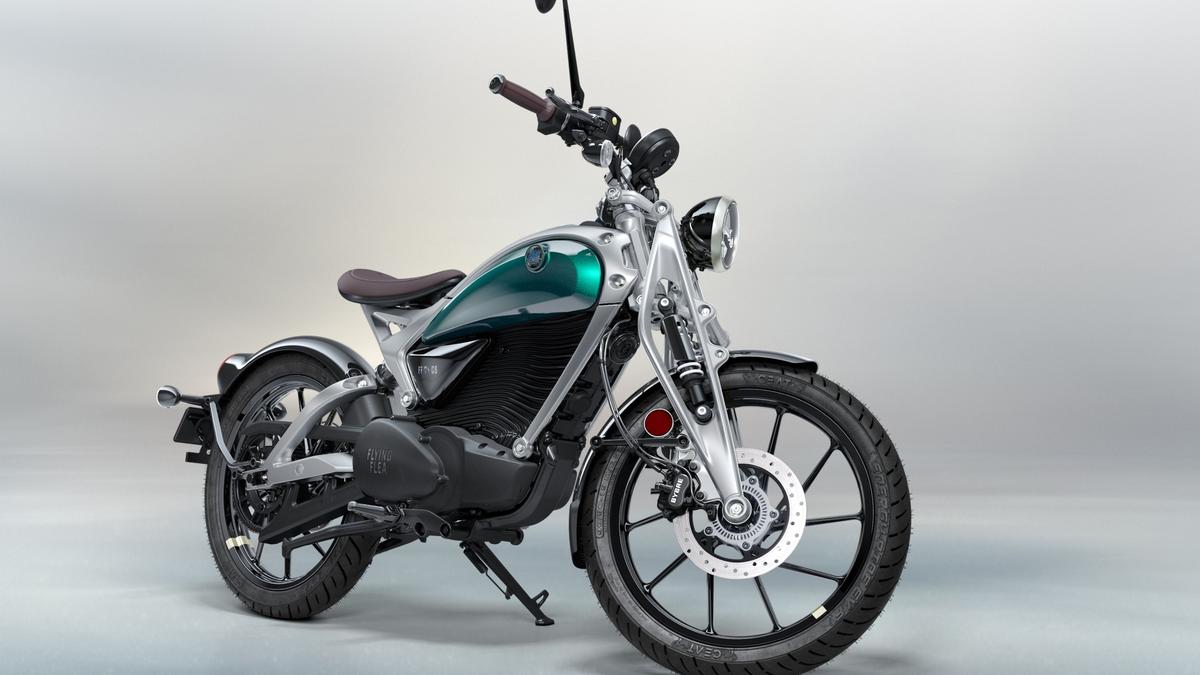
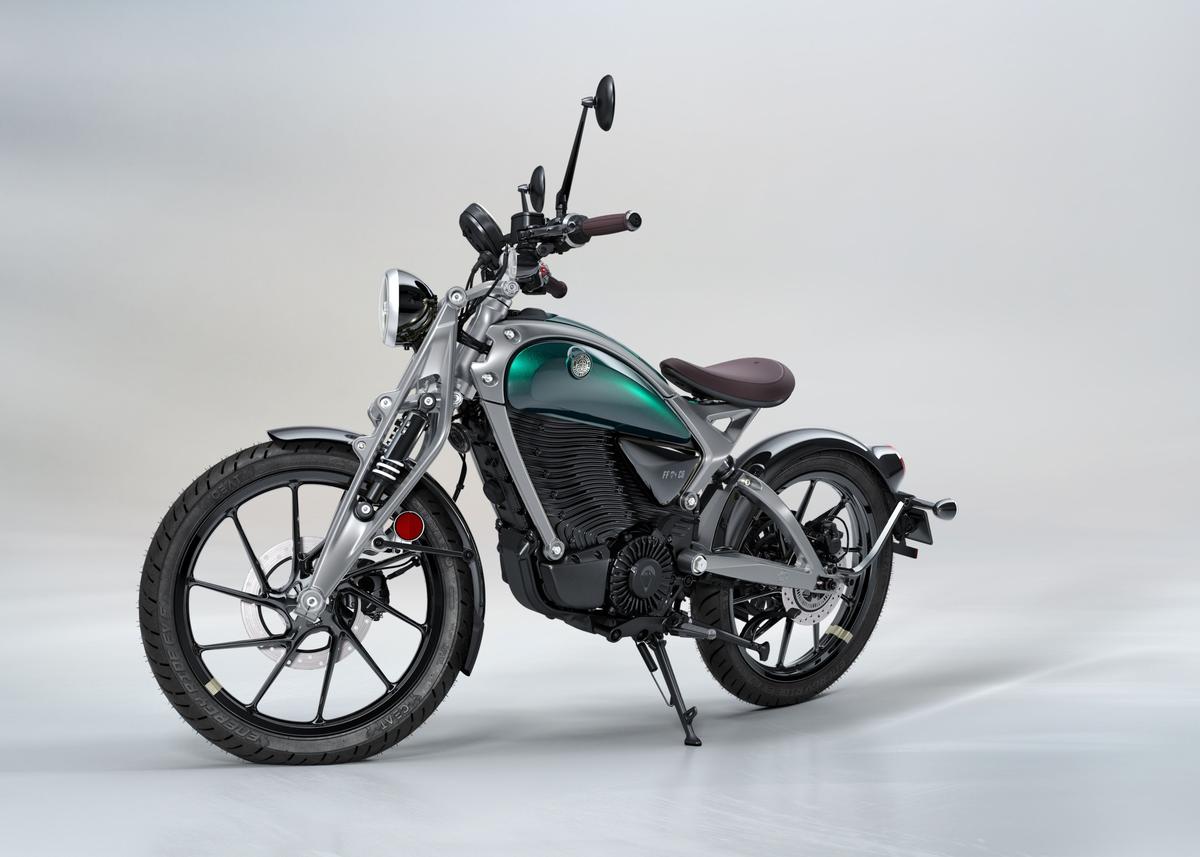
At the heart of the C6 is a 3.91 kWh battery pack, mated to an electric motor capable of producing 15.4 kW of peak power and 60 Nm of torque. While these figures may seem modest compared to high-performance electric superbikes, they are optimized for the "stop-and-go" nature of metropolitan traffic. The bike’s kerb weight of just 124 kg—exceptionally light for an electric motorcycle—promises a power-to-weight ratio that ensures nimble handling and brisk acceleration.
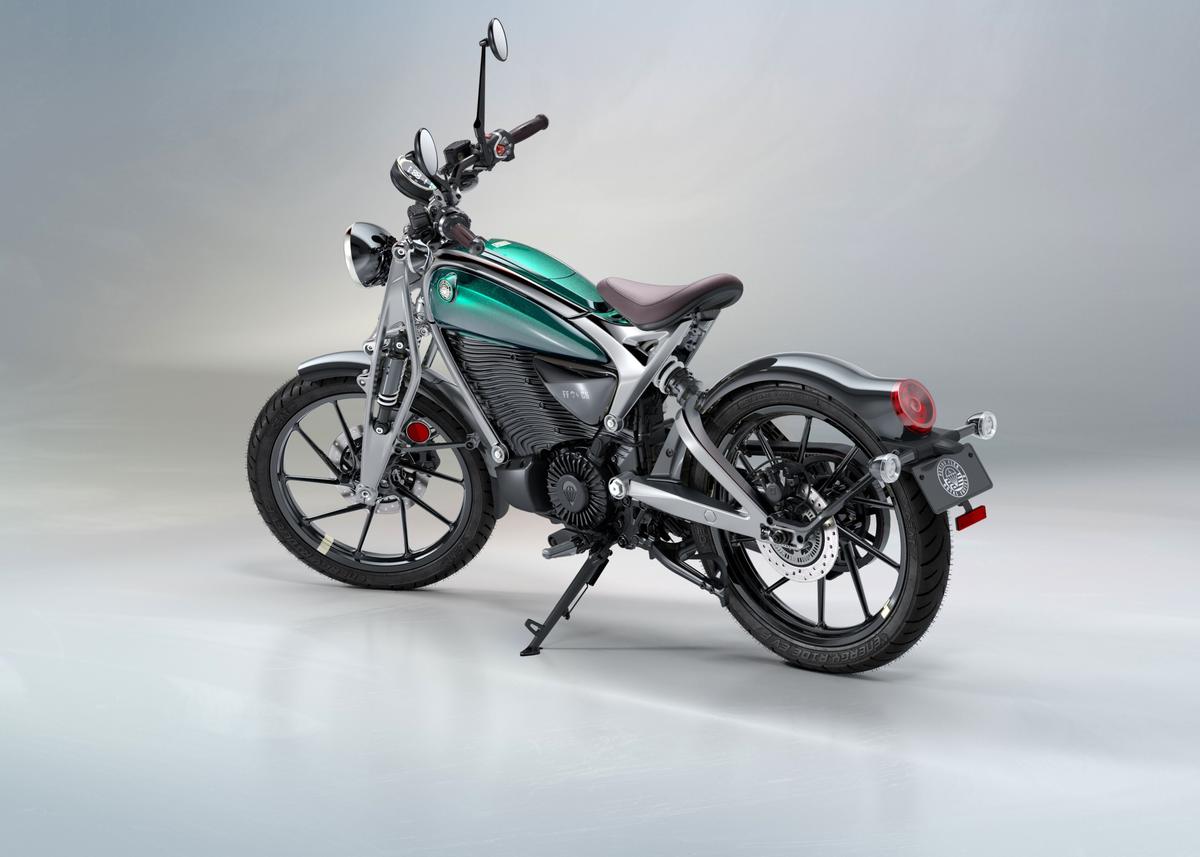
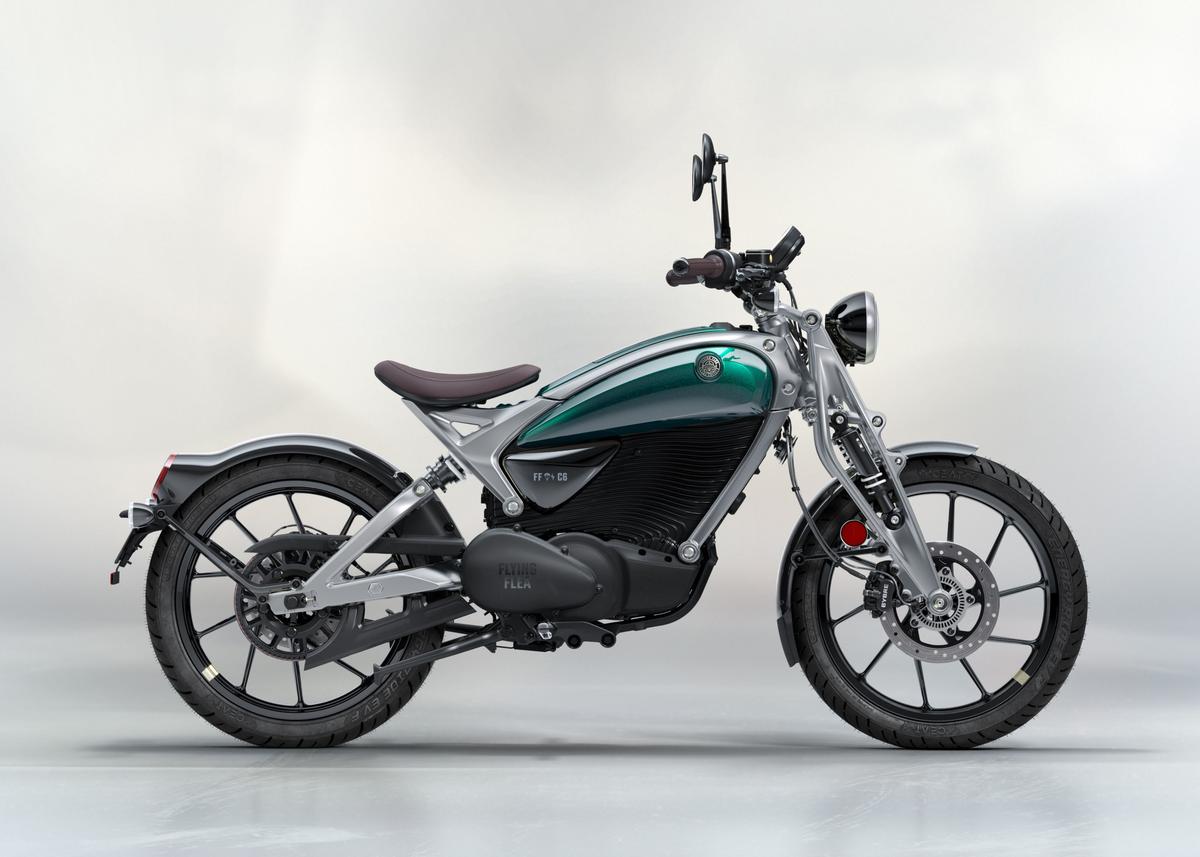
The design language of the C6 is a deliberate blend of the past and the future. The most striking feature is the forged aluminum girder fork. Historically used on motorcycles in the early 20th century, the girder fork has been re-engineered here with modern materials to provide a unique visual signature while maintaining structural rigidity and weight efficiency. This is complemented by an articulating mudguard and a finned battery casing designed for passive thermal management, giving the bike a "neo-retro" silhouette that is unmistakably Royal Enfield, yet clearly futuristic.
Chronology: From Paratrooper Heritage to May 2026 Deliveries
The name "Flying Flea" is steeped in military history. The original Flying Flea was a lightweight 125cc motorcycle developed by Royal Enfield during World War II. It was designed to be dropped via parachute behind enemy lines to provide rapid mobility for airborne troops. By reviving this name for its electric sub-brand, Royal Enfield is drawing a parallel between the wartime bike’s mission of "agile mobility" and the modern electric bike’s mission of "urban freedom."
The development of the C6 platform has been an intensive multi-year project, conducted largely in-house at Royal Enfield’s technical centers in India and the UK. The company has moved away from the "bolt-on" approach seen in many early EV conversions, opting instead for a dedicated chassis that integrates the battery and motor as stressed members of the frame.

The rollout schedule for the Flying Flea C6 is as follows:
- Present: Bookings and test rides have officially opened, initially centered in Bengaluru, India’s primary EV hub.
- Late 2025: Expansion of experience centers and charging infrastructure partnerships across major Tier-1 cities.
- May 2026: Commencement of customer deliveries in Bengaluru, followed by a phased national and international rollout.
Supporting Data: Technical Specifications and Infrastructure
The Flying Flea C6 is engineered to address the three primary concerns of EV skeptics: range anxiety, charging speed, and weight.
Performance and Weight
The 124 kg kerb weight is a significant achievement. For comparison, many electric scooters in the Indian market weigh between 110 kg and 150 kg, while traditional 350cc ICE motorcycles often exceed 190 kg. The use of forged aluminum in the front suspension and a compact battery layout allows the C6 to remain flickable in tight city corridors. Its top speed is electronically governed at 115 km/h, making it capable of occasional short-distance highway stints while remaining firmly rooted in its urban identity.
Energy and Charging
The 3.91 kWh battery uses high-density cells designed to withstand the high ambient temperatures of the Indian subcontinent. Royal Enfield has integrated a versatile charging system:
- Rapid Charging: Can replenish the battery from 20% to 80% in approximately 60 minutes.
- Home Charging: Compatible with a standard 16 Amp wall socket, requiring no specialized garage installation for overnight charging.
- Efficiency: Under ideal conditions, the bike can add approximately 1 km of range for every minute of charging.
- Energy Recovery: The C6 features sophisticated regenerative braking, which captures kinetic energy during deceleration to marginally extend the riding range.
Connectivity and Software
Perhaps the most radical departure for Royal Enfield is the C6’s software-defined nature. The bike features a circular TFT touchscreen display that serves as the nerve center for:
- Connectivity: Integrated 4G, WiFi, and Bluetooth for seamless smartphone pairing.
- Navigation: Cloud-based maps with real-time traffic data.
- Over-the-Air (OTA) Updates: The motorcycle’s firmware, motor controller, and battery management system (BMS) can be updated remotely, allowing the bike to improve its efficiency or gain new features over time.
- Safety Tech: The C6 is equipped with a six-axis Inertial Measurement Unit (IMU), enabling lean-sensitive ABS and traction control—features usually reserved for high-end sportbikes.
Official Responses: The Strategic Vision
Royal Enfield leadership has emphasized that the Flying Flea brand is not just a product line, but a long-term commitment to a "sustainable lifestyle ecosystem."
In statements regarding the launch, the company highlighted that the Flying Flea C6 is the "first chapter in a much larger story." The decision to lead with a lightweight urban bike rather than an electric version of the popular Bullet or Classic was intentional. By starting with a fresh platform, the engineering team was able to prioritize the unique requirements of electric propulsion—such as weight distribution and thermal airflow—without being constrained by the geometry of an ICE frame.
The introduction of the Battery-as-a-Service (BaaS) model is also a calculated strategic move. By decoupling the cost of the battery from the vehicle, Royal Enfield is addressing the high upfront cost of EVs while providing customers with a safety net regarding battery degradation. This move is expected to appeal to younger, tech-savvy urbanites who are accustomed to subscription-based models in other areas of their lives.
Implications: Disrupting the Urban Landscape
The launch of the Flying Flea C6 has profound implications for the Indian automotive industry and the global perception of the Royal Enfield brand.
1. Market Positioning:
Royal Enfield is moving into a "white space" in the market. Most electric two-wheelers in India are currently scooters (such as those from Ola Electric, Ather, and TVS) or high-performance electric motorcycles (like the Ultraviolette F77). The C6 sits in the middle—a premium, stylish, and accessible commuter motorcycle that emphasizes "cool factor" and ease of use over raw speed.
2. Brand Dilution vs. Evolution:
There has been much debate among purists regarding whether an electric motor can ever replicate the "soul" or the "thump" of a Royal Enfield. By using a sub-brand, Royal Enfield protects its core ICE heritage while allowing Flying Flea to forge a new identity based on silence, smoothness, and connectivity. This "dual-brand" strategy mirrors what legacy automakers like Audi (with the e-tron) or Mercedes-Benz (with the EQ line) have done.
3. The Future of Urban Infrastructure:
The success of the C6 will depend heavily on the maturity of the charging infrastructure by 2026. While the bike’s ability to charge from a standard 16 Amp socket is a major plus, the "1 km per minute" rapid charging claim will require a robust network of fast-chargers. Royal Enfield’s phased rollout starting in Bengaluru suggests a cautious, data-driven approach to scaling this infrastructure.
4. Technological Benchmark:
With features like lean-sensitive ABS, OTA updates, and a forged aluminum girder fork, the C6 sets a new technological benchmark for small-capacity electric motorcycles. It forces competitors to move beyond simple battery-and-motor setups toward integrated digital ecosystems.
Conclusion
The Flying Flea C6 is a bold gamble. It asks the Royal Enfield faithful to trade the rumble of an exhaust for the hum of an electric motor, and it asks new riders to invest in a premium electric vision. With its sophisticated design, impressive weight management, and innovative pricing models, the C6 is well-positioned to lead the charge. As May 2026 approaches, the industry will be watching closely to see if this "Flea" can jump-start a genuine revolution in how we navigate the modern city.
This report was produced in association with Motorscribes and The Hindu. For more updates on the evolving world of automotive technology, follow @motorscribes on Instagram.
