


Introduction: A Crucial Gap in Women’s Health Education
For many women, a basic understanding of reproductive health begins with knowing how contraception works, the purpose of a Pap smear, and the general location of their uterus. Yet, a critical component of their anatomy, the pelvic floor, remains largely unknown and unacknowledged. This network of muscles and connective tissues, vital for urinary and bowel control, organ support, and sexual function, is often discovered only when something goes awry. This article delves into the pervasive lack of knowledge surrounding the pelvic floor, the high prevalence of related disorders, and the urgent need for comprehensive education and accessible care.
Main Facts: The Hidden Epidemic of Pelvic Floor Dysfunction
A growing body of research highlights a significant prevalence of pelvic floor disorders among women, particularly in India, yet these issues remain underreported and poorly understood. Studies reveal alarming statistics: a 2024 study in Uttarakhand found a staggering 56.7% prevalence of pelvic floor disorders, while a 2019 study in Tamil Nadu reported 54.7% of women experiencing some form of pelvic floor muscle dysfunction. These figures underscore that this is not an isolated concern but a widespread health challenge affecting women across diverse demographics.
The narrative of these disorders is often characterized by a delayed diagnosis, with women only seeking answers when experiencing distressing symptoms such as sudden urinary urgency, pelvic pain, or discomfort during sexual activity. The common thread running through these experiences is the lack of prior education and the tendency for these symptoms to be dismissed as "normal" by friends, family, and even healthcare providers. This normalization of dysfunction perpetuates a cycle of suffering and prevents timely intervention.
Chronology: From Personal Revelation to Systemic Awareness
The journey to understanding pelvic floor health often begins with a personal health crisis. For many, like the author of the original piece, the realization dawns in their late twenties or thirties, often triggered by an unexpected symptom. This was the case for a 29-year-old woman who, despite possessing a general understanding of women’s health, found herself unable to identify or explain the function of her pelvic floor. Her experience, marked by a sudden urgency to use the bathroom, led her on a quest for answers that unearthed an entirely overlooked system within her own body.
This pattern is echoed in the experiences of other women. Mehak Malhotra, 33, who experienced mild urinary leakage postpartum, successfully recovered through targeted pelvic floor exercises. However, she lamented the lack of pre-natal and post-natal education on this crucial aspect of recovery, highlighting how overwhelming even minor issues can feel during the postpartum period.
Hiteshree M Dudani, 27, navigated a more protracted struggle. Experiencing lower back pain after a pregnancy loss, her symptoms were repeatedly dismissed as normal. It took eight months of suffering and a referral to a pelvic floor specialist to finally receive effective treatment. Her story powerfully illustrates the detrimental impact of misdiagnosis and the lack of specialist knowledge within general healthcare.
Nupur Vig, 34, faced urinary incontinence early in her pregnancy. Despite her discomfort, she was told it was normal. It was only after a friend’s intervention and a consultation with a pelvic floor physiotherapist that she understood the underlying issue. Her advice to other women is unequivocal: "If it doesn’t feel normal, it isn’t. Early intervention is key."
These personal accounts, spanning different life stages and triggers—childbirth, pregnancy, and pregnancy loss—paint a consistent picture: symptoms emerge, are often minimized, and effective relief is found only through specialized pelvic floor care. This raises a critical question: why, despite extensive education on menstruation, pregnancy, and contraception, is the pelvic floor so conspicuously absent from women’s health discourse?
Supporting Data: The Scope and Causes of Pelvic Floor Disorders
The prevalence of pelvic floor disorders is not confined to specific age groups or life events. Contrary to popular belief, these conditions are not exclusively postpartum issues. Dr. Snehal Kohale, a fertility specialist and gynecologist, explains that the historical framing of pelvic floor health solely within the context of pregnancy and childbirth has inadvertently relegated it to a "later" concern. In reality, the pelvic floor plays a multifaceted role, supporting organs, enabling continence, facilitating sexual function, and maintaining pelvic stability.
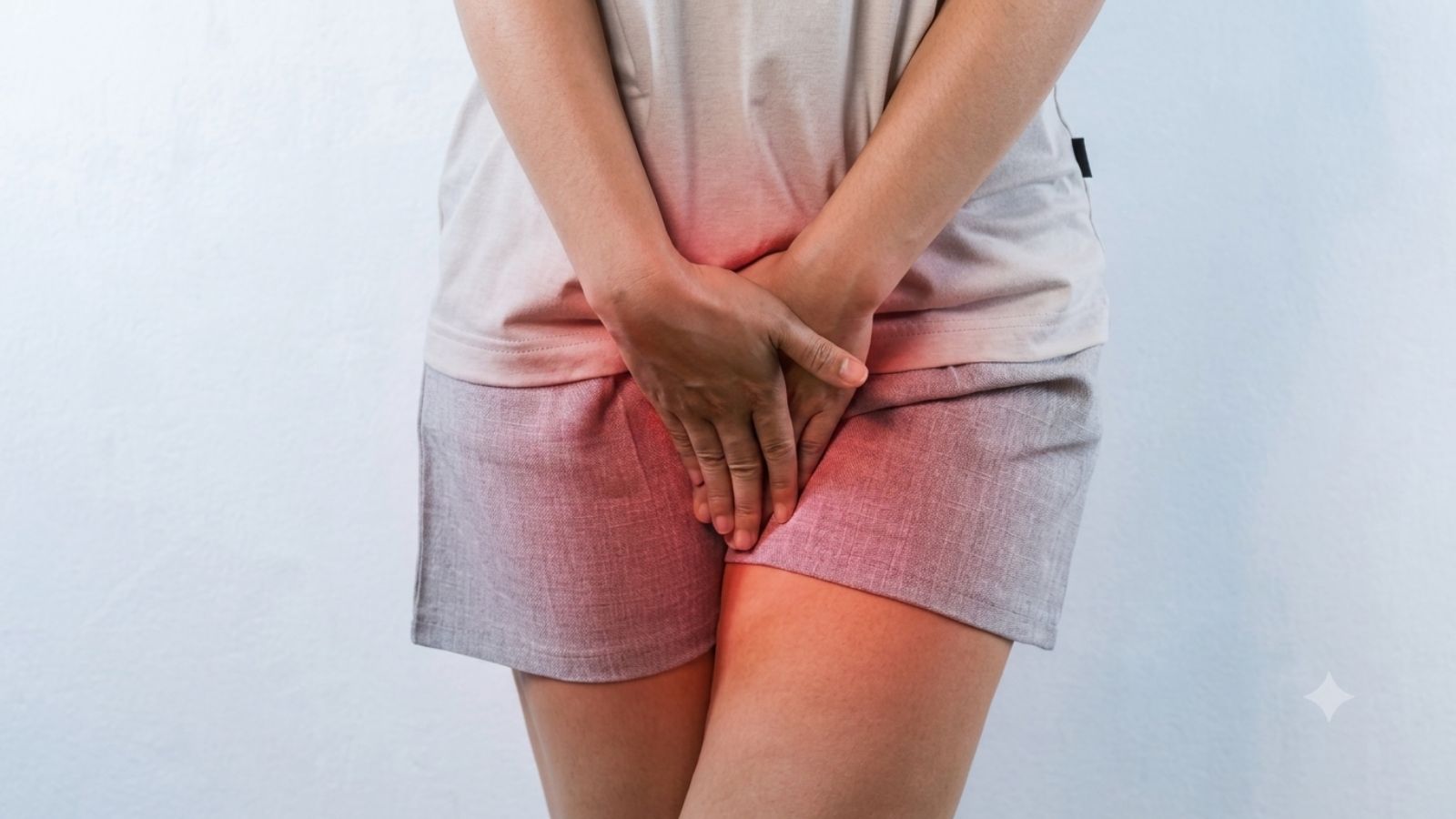
When these muscles are not functioning optimally, a spectrum of issues can arise, including:
- Urinary Incontinence: Leakage of urine during coughing, sneezing, laughing, or exercise.
- Urgency and Frequency: A sudden, strong urge to urinate, or the need to urinate more often than usual.
- Bowel Dysfunction: Constipation, difficulty emptying the bowels, or fecal incontinence.
- Pelvic Organ Prolapse: The descent of pelvic organs (bladder, uterus, or rectum) into the vagina.
- Sexual Dysfunction: Pain during intercourse, decreased sensation, or difficulty achieving orgasm.
- Pelvic Pain: Chronic or intermittent pain in the pelvic region, lower back, or tailbone.
The causes of pelvic floor dysfunction are diverse and can affect women of all ages, even those who have never been pregnant. Dr. Prathima A., a consultant obstetrician-gynecologist and urogynaecologist, notes the frequent presentation of pelvic floor disorders in younger, nulliparous women. Contributing factors include:
- High-Impact Sports and Weightlifting: Especially when performed with improper technique.
- Chronic Constipation: Straining repeatedly can weaken the pelvic floor.
- Chronic Coughing: Persistent coughing exerts pressure on the pelvic floor.
- Obesity: Excess weight places additional strain on the pelvic organs.
- Prior Pelvic Surgery: Surgical interventions can impact pelvic floor integrity.
- Connective Tissue Conditions: Conditions like Ehlers-Danlos syndrome can affect tissue strength.
- Stress and Anxiety: Chronic stress can lead to muscular tension, including in the pelvic floor.
- Endometriosis: This condition can cause pelvic pain and affect the pelvic floor muscles.
- Lifestyle Factors: Prolonged sitting, poor posture, habitually holding urine or stool, and improper core-bracing during workouts, as highlighted by Dr. Saurabh Singh, therapy head at Marengo Asia Hospitals, Gurgaon, contribute significantly to muscular tension and dysfunction.
- Hypermobility Syndromes and Jaw Injuries: Dr. Anuja Chandrana, a pelvic health physiotherapist, points to the interconnectedness of the body’s tension patterns, noting how even seemingly unrelated issues can impact the pelvic floor.
Furthermore, the notion that pelvic floor dysfunction is solely due to "weakness" is a misconception. Dr. Chandrana emphasizes that the pelvic floor can also be hypertonic, meaning it is too tight to function effectively. This tension, often stemming from chronic stress, prolonged sitting, or imbalanced exercise, can paradoxically lead to symptoms such as pelvic pain, painful intercourse, and even urinary urgency and incontinence.
Official Responses and Policy Gaps: A Call for Systemic Change
The lack of widespread pelvic floor education is not merely a cultural oversight; it represents a documented policy gap. While the UK’s NICE Guideline NG210 explicitly recommends increased public awareness of pelvic floor dysfunction for women from age 12 onwards, and even calls for education on anatomy and function for girls aged 12-17, such comprehensive initiatives remain largely absent in many healthcare systems.
Experts like Dr. Kohale advocate for pelvic floor education to be a routine component of women’s healthcare, integrated beyond just postnatal appointments. Dr. Prathima stresses the importance of teaching this subject with the same seriousness as breast health or cervical cancer screening, underscoring that "Pelvic floor health has nothing to do with age but everything to do with knowledge." The earlier women are informed, the better equipped they are to maintain their health throughout their lives.
Implications: Reclaiming Pelvic Floor Health
The consequences of this pervasive lack of knowledge are significant, leading to delayed diagnoses, prolonged suffering, and a diminished quality of life for countless women. The normalization of symptoms like urinary leakage, pelvic pain, and discomfort during sex perpetuates a culture of silence and shame, preventing women from seeking the help they deserve.
The implications extend beyond individual well-being, impacting societal productivity and healthcare costs. Addressing this knowledge gap requires a multi-pronged approach:
- Comprehensive Educational Integration: Pelvic floor anatomy, function, common disorders, and preventative measures must be integrated into school health curricula, starting from early adolescence.
- Healthcare Provider Training: Healthcare professionals, including gynecologists, obstetricians, and general practitioners, need enhanced training to recognize, diagnose, and manage pelvic floor disorders effectively.
- Public Awareness Campaigns: Targeted campaigns are needed to destigmatize pelvic floor issues and encourage women to seek timely medical advice.
- Accessible Specialist Care: Ensuring access to qualified pelvic floor physiotherapists and urogynaecologists is crucial for accurate diagnosis and personalized treatment.
- Challenging Misconceptions: Dispelling the myth that Kegel exercises are a universal solution is vital, as they can exacerbate symptoms in cases of hypertonic pelvic floors.
What Helps: Towards Proactive Pelvic Floor Care
The good news is that pelvic floor dysfunction is often treatable, and proactive care can prevent long-term issues. The path forward involves:
- Open and Non-Judgmental Assessment: Consultations with pelvic floor specialists should be characterized by open dialogue, thorough questioning about habits and history, and physical examination conducted with consent and clear explanation. It is a space free from shame or judgment.
- Individualized Treatment Plans: Recognizing that there is no one-size-fits-all approach, treatment plans are tailored to individual needs, encompassing strengthening exercises, techniques for releasing muscle tension, posture and breathing adjustments, and lifestyle modifications.
- Holistic Lifestyle Management: For women in their 20s and 30s, managing stress, incorporating balanced exercise routines, avoiding unnecessary straining, and seeking early physiotherapy input can be instrumental in preventing future problems. Practical advice includes regular mobility work, taking breaks from prolonged sitting, and actively managing the nervous system.
- Early Intervention: Pain or inconvenience related to the pelvic floor is a signal that professional help is needed. Symptoms such as persistent lower back discomfort, frequent UTIs, or waking up repeatedly at night to urinate should not be dismissed.
Conclusion: Empowering Women Through Knowledge
The pelvic floor, a silent yet foundational component of women’s health, has been relegated to the shadows for too long. The alarming prevalence of pelvic floor disorders, coupled with a pervasive lack of awareness, demands immediate attention. By prioritizing comprehensive education, fostering open dialogue, and ensuring access to specialized care, we can empower women to understand and care for this vital system, leading to improved health, well-being, and a life free from the burden of preventable suffering. The time has come to bring the pelvic floor out of the darkness and into the light of proactive, informed healthcare.
