


New Delhi, June 18, 2026 – For individuals managing diabetes, maintaining stable blood sugar levels is a constant balancing act. However, a lesser-understood complication of chronic kidney disease (CKD) can throw this delicate equilibrium into disarray, leading to potentially life-threatening episodes of hypoglycemia, or dangerously low blood sugar. While healthy kidneys play a vital role in regulating glucose metabolism, impaired kidney function can disrupt this process, creating a complex and often overlooked health challenge.
This article delves into the intricate relationship between CKD and blood sugar control, exploring how kidney dysfunction can lead to hypoglycemia, the symptoms to watch for, and the crucial steps patients and healthcare providers must take to mitigate these risks.
The Kidney’s Crucial Role in Glucose Regulation
The kidneys, often referred to as the body’s tireless filtration system, perform a multitude of essential functions, including the regulation of blood sugar. This intricate process involves several key mechanisms:
- Insulin Breakdown: Insulin, the hormone responsible for transporting glucose from the bloodstream into cells for energy, is primarily broken down by the kidneys. When kidney function declines, the rate at which insulin is cleared from the blood decreases. This can lead to higher concentrations of insulin circulating for longer periods, consequently driving blood sugar levels down.
- Glucose Production: In times of need, such as during fasting or prolonged periods without food, the kidneys can produce glucose through a process called gluconeogenesis. This ensures that vital organs, particularly the brain, have a continuous supply of energy. Impaired kidney function can affect this glucose-producing capacity, further complicating blood sugar regulation.
- Hormonal Balance: Kidneys also play a role in the production and regulation of various hormones that influence glucose metabolism. Damage to these organs can disrupt this hormonal balance, leading to unpredictable blood sugar fluctuations.
Dr. Sumiran Mahajan, a consultant nephrologist specializing in interventional nephrology and transplant services at KIMS Hospitals, Thane, emphasizes the significance of these kidney functions. "Healthy kidneys are integral to maintaining glucose homeostasis," Dr. Mahajan explains. "They act as a crucial partner with the pancreas and liver in ensuring that blood sugar levels remain within a safe and functional range. When this partnership falters due to CKD, the consequences for individuals, especially those with diabetes, can be severe."
The Unseen Connection: How CKD Drives Hypoglycemia
The impact of CKD on blood sugar control is multifaceted and often becomes more pronounced as the disease progresses. For individuals with diabetes, this presents a particularly concerning scenario.
1. Impaired Insulin Clearance and Prolonged Insulin Action:
As kidney function deteriorates, the ability of the kidneys to break down insulin is significantly compromised. This means that insulin, whether produced by the body or administered as medication, remains in the bloodstream for extended periods. This prolonged presence of insulin can lead to an exaggerated glucose-lowering effect, pushing blood sugar levels below the normal range.
"This is especially important for people with diabetes who are on insulin or certain glucose-lowering drugs," states Dr. Mahajan. "These medications are designed to work with the body’s natural insulin clearance mechanisms. When the kidneys are not functioning optimally, the clearance rate is reduced, leading to a higher risk of hypoglycemia, even with standard medication dosages."
2. Reduced Appetite and Dietary Changes:
CKD often brings with it a host of other health issues that can indirectly affect blood sugar levels. Reduced appetite, nausea, and the need for dietary restrictions are common among CKD patients. These factors can lead to decreased food intake, meaning less glucose is entering the bloodstream. When combined with medications that lower blood sugar, this can create a deficit, resulting in hypoglycemia.
"Reduced appetite, dietary restrictions, nausea, and unintentional weight loss are common issues for many CKD patients and can lead to lower blood sugar levels," Dr. Mahajan elaborates. "Sometimes, patients continue taking the same doses of diabetes medications even when their body’s insulin needs change, increasing the risk of hypoglycemia."
3. Altered Glucose Production:
The kidneys’ role in gluconeogenesis also becomes compromised in CKD. This means that when the body needs to produce glucose, such as during periods of fasting or exercise, the kidneys may not be able to contribute as effectively. This further exacerbates the risk of hypoglycemia, as the body has fewer internal mechanisms to raise blood sugar levels.
4. Medication Interactions and Adjustments:
Many diabetes medications are metabolized and excreted by the kidneys. When kidney function is impaired, the body may not be able to clear these medications effectively, leading to an accumulation of the drugs in the system. This can amplify their glucose-lowering effects, increasing the likelihood of hypoglycemia. Furthermore, the choice and dosage of diabetes medications often need careful adjustment in CKD patients, a process that requires close medical supervision.
Is Low Blood Sugar Common in People with Kidney Disease?
Yes, low blood sugar can occur in individuals with kidney disease, particularly in the more advanced stages. This phenomenon, known as hypoglycemia, can be a significant concern for patients managing both diabetes and CKD.
"It can happen, particularly in the later stages of kidney disease," confirms Dr. Mahajan. The interplay of factors mentioned above – impaired insulin clearance, reduced appetite, and altered glucose production – collectively contribute to a heightened risk.
The challenge is compounded by the fact that some symptoms of hypoglycemia can be subtle and easily mistaken for other conditions, or even for the general fatigue associated with CKD. This underscores the critical need for vigilant monitoring and a thorough understanding of the potential interplay between kidney health and glucose control.
Symptoms of Hypoglycemia: Recognizing the Warning Signs
Recognizing the symptoms of low blood sugar is paramount for prompt intervention and preventing severe complications. Hypoglycemia can manifest in a variety of ways, ranging from mild to severe:
Mild to Moderate Symptoms:
- Sweating: Often a prominent and early sign.
- Shakiness or Tremors: Feeling a noticeable tremor in the hands or body.
- Dizziness or Lightheadedness: A sensation of unsteadiness.
- Weakness or Fatigue: Feeling unusually tired or lacking energy.
- Hunger: An intense and sudden craving for food.
- Headache: A dull or throbbing pain.
- Confusion or Difficulty Concentrating: Impaired cognitive function, leading to forgetfulness or an inability to focus.
- Blurred Vision: Difficulty seeing clearly.
- Irritability or Mood Changes: Feeling unusually agitated or emotionally labile.
Severe Symptoms:
If hypoglycemia is not treated promptly, it can progress to more severe symptoms, which require immediate medical attention:
- Slurred Speech: Difficulty articulating words.
- Incoordination or Loss of Motor Skills: Clumsiness or difficulty with movement.
- Seizures: Involuntary muscle contractions and loss of consciousness.
- Loss of Consciousness or Coma: A state of unresponsiveness.
"In severe cases, it may result in loss of consciousness if not treated quickly," warns Dr. Mahajan. "Since some symptoms can be mild, regular monitoring is especially important for people dealing with both diabetes and kidney disease." The overlap in symptoms between CKD-related fatigue and mild hypoglycemia can mask the true issue, making proactive monitoring even more crucial.
The Misconception: Does a Drop in Blood Sugar Mean Kidney Disease is Improving?
A common misconception among patients is that a decrease in blood sugar levels signifies an improvement in kidney disease. However, this is often not the case and can, in fact, be a red flag.
"A decrease in blood sugar levels should not be seen as a good sign," clarifies Dr. Mahajan. "Often, it indicates changes in how the body processes insulin and medications as kidney function worsens." As the kidneys’ ability to clear insulin and medications diminishes, blood sugar levels can drop without a corresponding improvement in kidney function.
"Any unexpected drop in blood sugar should be discussed with a healthcare professional to identify the cause," Dr. Mahajan advises. It is essential for patients and their caregivers to understand that a seemingly positive change in blood sugar could, in reality, be an indicator of a worsening underlying condition. This highlights the importance of open communication with healthcare providers and avoiding self-diagnosis or interpretation of lab results without professional guidance.
Strategies for Prevention and Management: Empowering CKD Patients
Managing the risk of hypoglycemia in CKD patients requires a proactive and collaborative approach involving patients, their families, and their healthcare teams. Several key strategies can help mitigate these risks:
1. Regular Blood Sugar Monitoring:
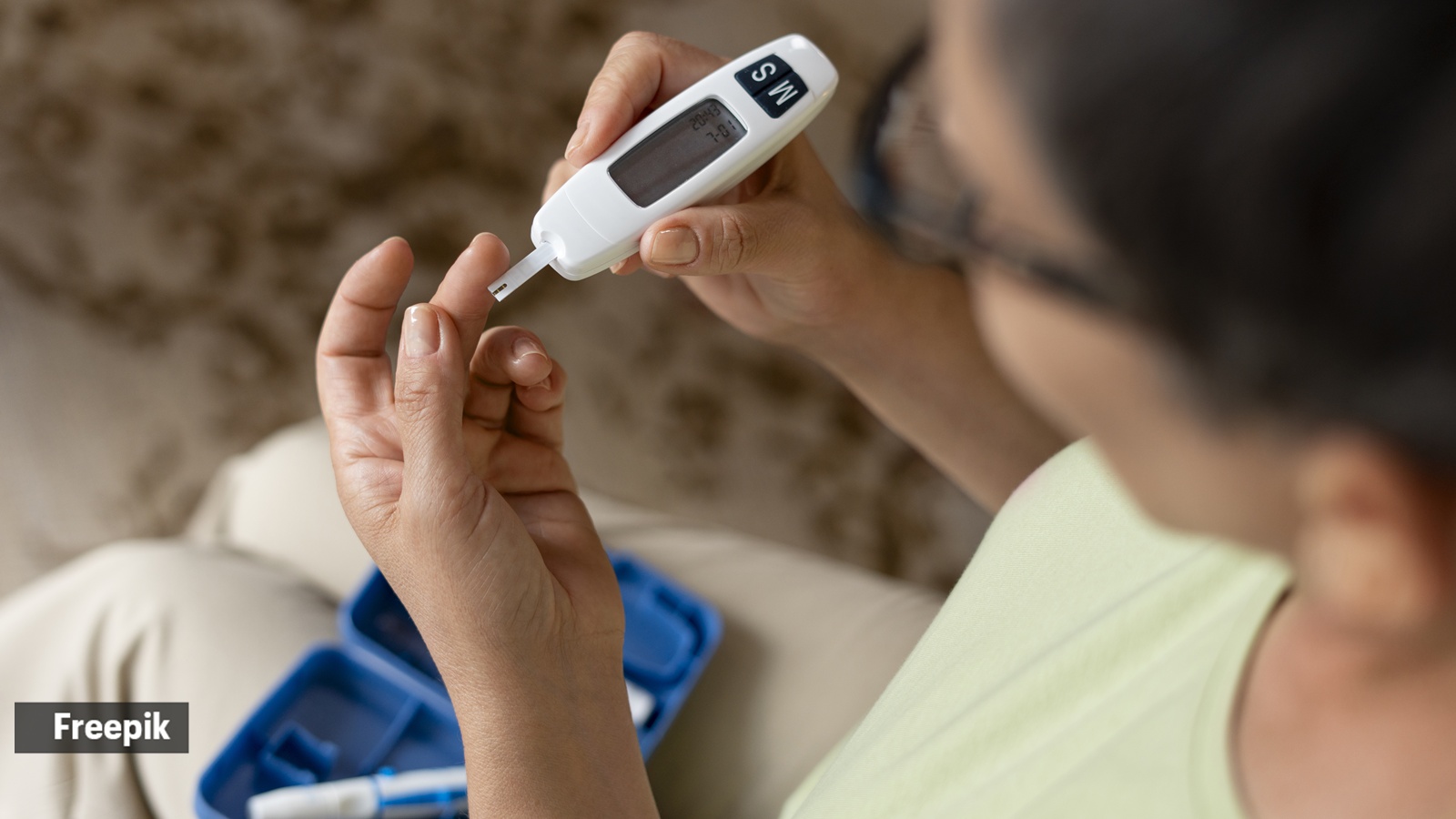
This is the cornerstone of effective management. Frequent self-monitoring of blood glucose levels, as recommended by a healthcare provider, allows for early detection of both high and low blood sugar episodes. This data is invaluable for making informed decisions about medication, diet, and lifestyle.
2. Timely and Balanced Meals:
Adhering to a consistent meal schedule and ensuring adequate caloric intake is crucial. Skipping meals or consuming significantly less food than usual can increase the risk of hypoglycemia, especially when taking glucose-lowering medications. Working with a registered dietitian can help CKD patients develop a meal plan that is both nutritious and supports stable blood sugar levels.
3. Medication Review and Adjustment:
As kidney function changes, the dosage and type of diabetes medications may need to be adjusted. It is imperative that patients never alter their medication regimen without consulting their doctor. Healthcare providers will carefully assess kidney function and the effectiveness of current medications to make necessary adjustments.
"Patients should never change their diabetes medications without consulting a doctor," Dr. Mahajan stresses. "As kidney disease advances, treatment plans often need adjustments to keep blood sugar in a safe range."
4. Routine Medical Check-ups:
Regular follow-up appointments with nephrologists and endocrinologists are essential. These appointments provide opportunities to monitor kidney function, assess blood sugar control, and address any emerging concerns. Open communication about symptoms, medication side effects, and lifestyle changes is vital during these consultations.
5. Patient Education and Empowerment:
Educating patients and their families about the connection between CKD and blood sugar control is critical. Understanding the symptoms of hypoglycemia, knowing when and how to seek help, and being an active participant in their own care can significantly improve outcomes.
"Early recognition of symptoms and active management can help prevent complications and enhance overall quality of life," says Dr. Mahajan.
6. Awareness of Other Contributing Factors:
Other factors can influence blood sugar levels in CKD patients, including infections, certain medications (not related to diabetes), and changes in physical activity. Patients should be aware of these potential influences and discuss them with their healthcare providers.
The Broader Implications for Healthcare Systems
The intricate interplay between CKD and blood sugar dysregulation highlights a critical need for integrated care models. Patients with diabetes and CKD often require the expertise of multiple specialists, including nephrologists, endocrinologists, and dietitians. Effective communication and coordination among these healthcare professionals are paramount to ensure comprehensive and safe patient management.
Furthermore, public health initiatives aimed at raising awareness about CKD as a risk factor for hypoglycemia could lead to earlier diagnosis and intervention. This proactive approach can not only prevent severe hypoglycemic events but also improve the long-term health outcomes and quality of life for millions of individuals living with these chronic conditions.
The silent threat of low blood sugar in the context of chronic kidney disease is a complex medical challenge that demands greater attention. By fostering a deeper understanding of this relationship, promoting vigilant monitoring, and ensuring collaborative care, healthcare providers can empower patients to navigate this perilous path and safeguard their well-being.
Disclaimer: This article is based on information from the public domain and/or the experts we spoke to. It is intended for informational purposes only and does not constitute medical advice. Always consult your health practitioner before starting any routine, making any changes to your diet, or altering your medication.
