

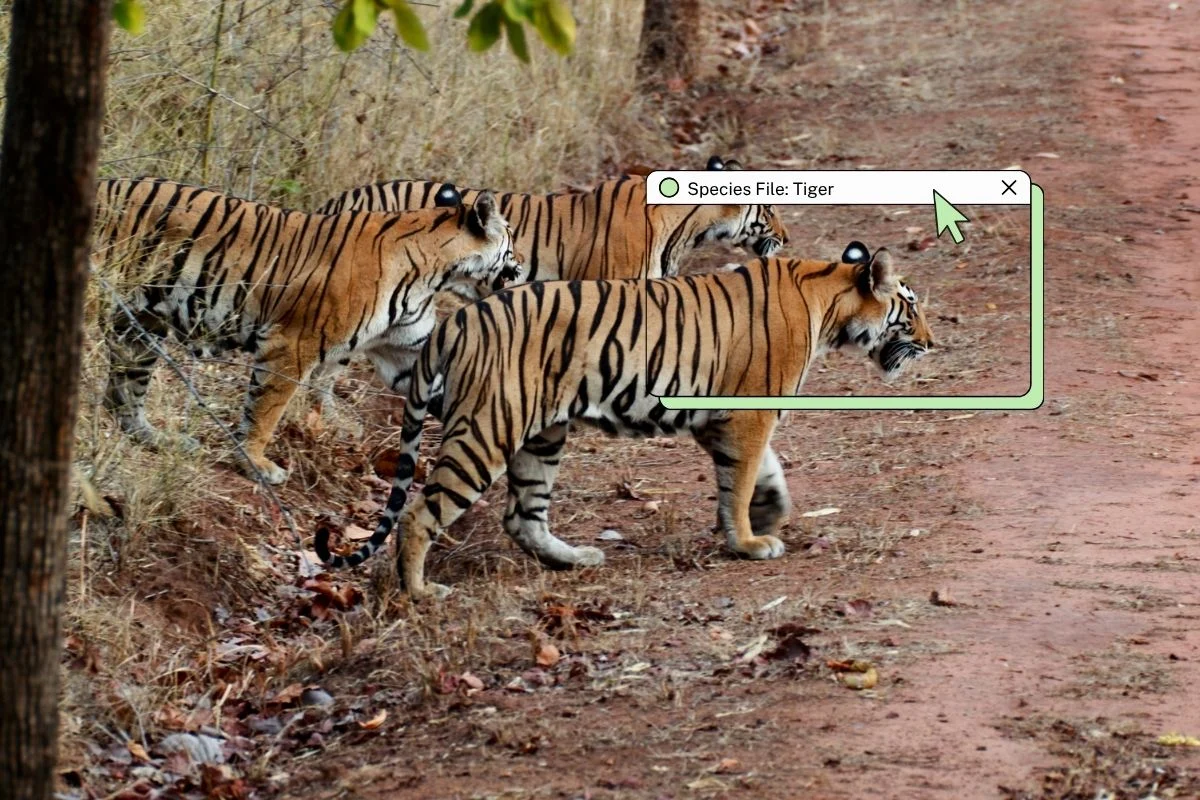
India stands as the ultimate bastion for the world’s most iconic big cat. As the guardian of approximately 75% of the global wild tiger population, the nation’s success or failure in conservation directly dictates the survival of the species. From the dense mangrove swamps of the Sunderbans to the rugged terrains of Central India, the Royal Bengal Tiger (Panthera tigris tigris) remains a symbol of both ecological health and national pride.
However, as populations stabilize and even grow in certain pockets, new and complex challenges emerge. The struggle is no longer just about preventing poaching; it is about managing space, ensuring genetic flow through forest corridors, and mitigating the inevitable friction between a growing predator population and an expanding human footprint.
Main Facts: The Biology and Ecology of an Apex Predator
The tiger is not merely an inhabitant of the forest; it is the architect of its ecosystem. As an apex predator, the tiger occupies the top of the food chain, regulating the populations of herbivores like deer and wild boar. This regulation prevents overgrazing, which in turn protects the health of the vegetation and the integrity of the watersheds that provide water to millions of people.
The Science of Stripes
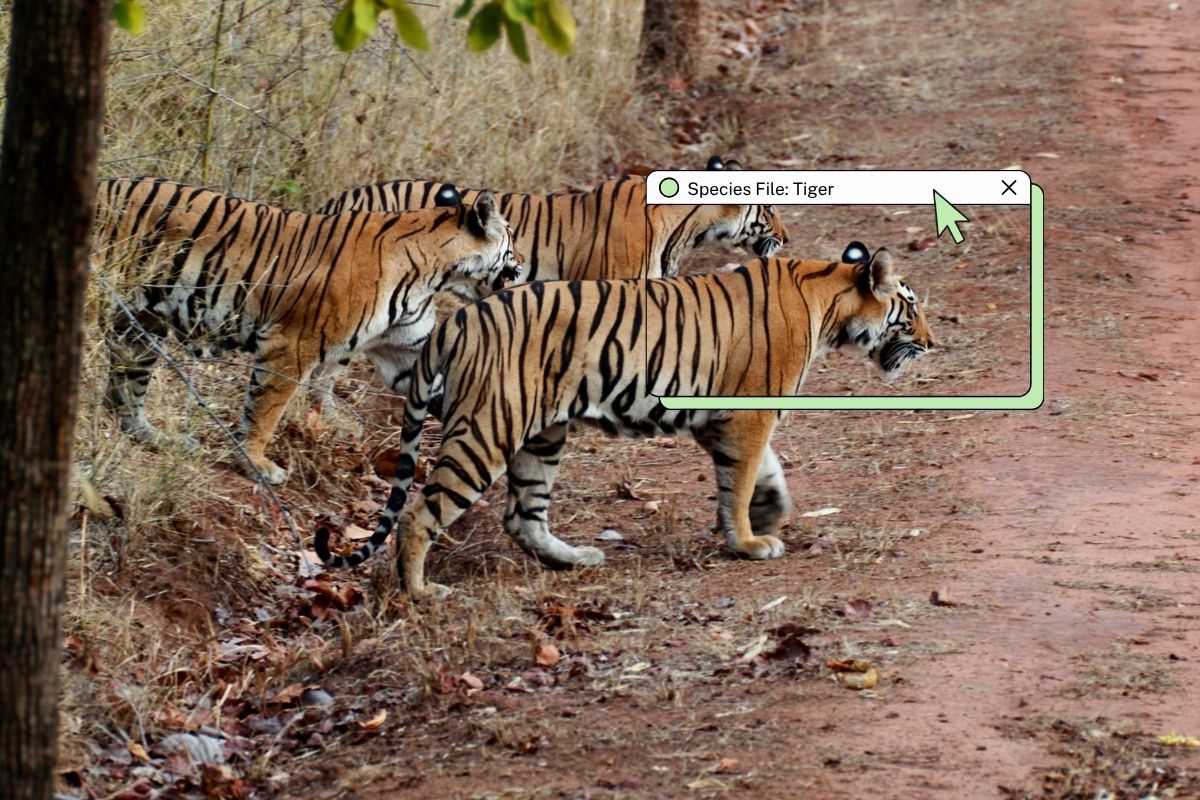
One of the most remarkable biological features of the tiger is its coat. Much like the human fingerprint, no two tigers share the same pattern of stripes. These markings are not just on the fur but are also pigmented into the skin itself. For researchers, this uniqueness is a vital tool. Through the use of camera traps, scientists can identify individual tigers, allowing for precise population monitoring and the tracking of individual movements across vast landscapes.
Physical Prowess and Habitat
Tigers are the largest of all big cat species, characterized by their muscular build and distinctive reddish-orange coats. They are highly adaptable, capable of surviving in diverse environments including:
- Mangrove Swamps: Such as the Sunderbans, where tigers are known to be adept swimmers.
- Tropical Rainforests: Providing dense cover for their solitary hunting style.
- Grasslands and Deciduous Forests: Common in Central India and the Terai region.
As solitary and territorial animals, tigers require large home ranges. A male tiger’s territory may overlap with those of several females but rarely with another male. This territoriality is a primary driver of tiger dispersal; as young tigers reach maturity, they must leave their birth areas to find their own territory, often traveling hundreds of kilometers through "corridors" of varying quality.
Chronology: The Evolution of India’s Tiger Conservation
India’s journey toward becoming a global leader in tiger conservation has been marked by periods of crisis and transformative policy shifts.
1972–1973: The Foundation
In 1972, the Royal Bengal Tiger was declared the National Animal of India, replacing the lion. This was followed by the enactment of the Wildlife Protection Act (WPA) of 1972, which placed the tiger under Schedule I, granting it the highest level of legal protection. In 1973, "Project Tiger" was launched from Jim Corbett National Park, establishing the first dedicated tiger reserves in the country.
2005–2006: The Crisis and Reform
The mid-2000s marked a dark period for Indian conservation when it was discovered that the entire tiger population in the Sariska Tiger Reserve had been wiped out by poachers. This scandal led to a massive overhaul of the system. In 2006, the WPA was amended to create the National Tiger Conservation Authority (NTCA). This body was designed to provide statutory authority to Project Tiger, ensuring more rigorous oversight and the implementation of the Tiger Task Force’s recommendations.
2010–Present: The St. Petersburg Declaration and Recovery
In 2010, India joined other tiger-range countries at the Tiger Summit in Russia, pledging to double its wild tiger population by 2022 (the "TX2" goal). India achieved this milestone ahead of schedule. The most recent national census, conducted in four-year cycles, has shown a steady upward trajectory, culminating in the current estimate of over 3,600 individuals.
Supporting Data: Mapping the Population and Threats
The current status of the tiger in India is a story of regional triumphs and localized declines. According to the 2022 All India Tiger Estimation (AITE), the tiger population stands at approximately 3,682 individuals.
Regional Distribution
- Central India and the Eastern Ghats: This region holds the largest share, approximately 40% of the country’s tigers. The landscape is a patchwork of protected areas and human-dominated lands, making it a critical zone for conservation.
- The Western Ghats: Historically a stronghold, this region has seen some stabilization, though certain areas face pressure from developmental projects.
- The Shivalik Hills and Gangetic Plains: Home to significant populations in parks like Corbett and Dudhwa.
- The Northeast Hills and Brahmaputra Floodplains: While possessing high potential, this region faces challenges due to difficult terrain and historical hunting practices.
The IUCN Status and Threats
Despite the rising numbers, the International Union for Conservation of Nature (IUCN) continues to list the tiger as Endangered. The species faces a "very high risk of extinction in the wild" due to several persistent threats:
- Habitat Fragmentation: As roads, railways, and mines cut through forests, tiger habitats become isolated "islands," preventing genetic exchange.
- Poaching and Illegal Trade: Demand for tiger parts in traditional medicine outside India’s borders remains a constant threat.
- Depletion of Prey Base: Over-hunting of deer and wild boar by local communities leaves tigers with nothing to eat, forcing them to target livestock.
- Human-Wildlife Conflict: As tigers move out of saturated reserves, they encounter villages. Attacks on livestock and, occasionally, humans lead to retaliatory killings.
Official Responses: Strengthening the Legal and Technological Framework
The Indian government, through the NTCA and the Ministry of Environment, Forest and Climate Change (MoEFCC), has implemented a multi-layered strategy to safeguard the species.
The Role of the NTCA
The NTCA is responsible for the management of 54 Tiger Reserves across the country. Its mandate includes:
- Standardizing the "M-STrIPES" (Monitoring System for Tigers – Intensive Protection and Ecological Status) software, which uses GPS and mobile technology to assist forest guards in patrolling.
- Providing financial support to states for relocation of villages from "core" areas to create inviolate spaces for tigers.
- Conducting the world’s largest wildlife survey every four years.
Legal Protections
Under the Wildlife Protection Act, 1972, harming a tiger or its habitat carries severe penalties, including mandatory imprisonment. The government has also moved toward a "Landscape Approach," recognizing that tigers do not stay within the artificial boundaries of parks. This involves the identification and legal protection of "corridors"—strips of forest that connect one reserve to another.
Implications: The Vital Importance of Connected Landscapes
The future of the tiger depends on more than just counting heads; it depends on the connectivity of the land. This is the central theme of modern conservation biology.
The Genetic Necessity of Corridors
As Pallavi Ghaskadbi, a wildlife biologist and postdoctoral researcher at the Swedish University of Agricultural Sciences, noted in a 2025 report for Mongabay-India: "Tigers need connected landscapes. Protecting and restoring forest corridors between reserves is not just a long-term goal but essential for dispersing tigers right now."
Without these corridors, tiger populations become inbred, leading to genetic mutations and a lack of resilience against diseases. For instance, in Central India, tigers frequently move between the Kanha, Pench, and Bandhavgarh reserves. If a highway or a new settlement severs these paths, the sub-populations become isolated, significantly increasing their risk of local extinction.
Coexistence and the Human Element
The "fortress conservation" model—where humans are entirely excluded—is increasingly difficult to maintain in a country with 1.4 billion people. The implications of a growing tiger population mean that "living side-by-side" with tigers is a reality for thousands of forest-fringe communities.
Success in the coming decades will require:
- Incentivizing Conservation: Ensuring that local communities benefit from tiger tourism and carbon credit programs.
- Rapid Compensation: Streamlining payments for livestock lost to tigers to prevent retaliatory poisoning.
- Smart Infrastructure: Building eco-bridges and underpasses on highways that bisect tiger corridors to allow for safe passage.
Conclusion
The recovery of the tiger in India is one of the world’s greatest conservation success stories, but it is a fragile victory. The transition from 3,000 to 4,000 tigers will be much harder than the transition from 1,000 to 2,000. It requires a shift from managing "parks" to managing "landscapes." As India continues to develop, the survival of its national animal will serve as the ultimate litmus test for the nation’s commitment to preserving its natural heritage amidst the pressures of the 21st century. The tiger’s unique stripes remain a reminder that each individual is a vital thread in the complex tapestry of India’s biodiversity—a tapestry that, if unraveled, threatens the ecological security of the entire subcontinent.
