

New Delhi, September 2, 2026 – Beyond the gym and the bodybuilding world, protein plays a far more fundamental role in our daily health and well-being. Celebrated celebrity nutritionist Pooja Makhija has brought to light a critical aspect of modern diets: the often-overlooked signs that your body may be experiencing a protein deficiency. In a recent insightful Instagram video, Makhija revealed that subtle yet significant indicators like persistent ankle swelling, overwhelming sugar cravings, and a gnawing sense of constant hunger could be your body’s discreet signals for a lack of this vital macronutrient.
While protein is colloquially associated with muscle development and strenuous physical activity, its nutritional significance extends far beyond this narrow perception. Makhija eloquently explained, "It contributes to satiety, tissue repair, immune function, and maintaining the body’s protein stores. And there’s an interesting concept called the protein leverage hypothesis, which proposes that our appetite may increase when our diet is relatively low in protein, potentially encouraging us to keep eating until we meet our protein needs." This hypothesis suggests a fascinating biological mechanism where our bodies, sensing a shortfall in protein, might ramp up hunger signals to ensure we consume enough to meet our fundamental needs.
However, Makhija also issued a crucial caveat: not every fleeting craving or moment of hunger is an immediate indictment of protein deficiency. She emphasized, "And ankle swelling, in particular, has many possible causes and shouldn’t be used as a self-diagnosis for protein deficiency." This cautionary note is vital, as attributing complex symptoms to a single cause can be misleading and delay appropriate medical attention.
The Indispensable Role of Protein: A Deeper Dive
Meenu Balaji, Chief Nutritionist at Pragmatic Nutrition in Chennai, wholeheartedly concurs with Makhija’s assessment, underscoring the non-negotiable importance of protein for human survival. "Protein is absolutely essential for our survival, since the human body can’t make all the essential amino acids," Balaji stated in an interview with IndianExpress.com. "Protein is important for our health for multiple reasons. It is not just about muscles. Enzymes and hormones in our body are proteins, and we need them for sustenance and survival. Even the haemoglobin in the blood has ‘globin,’ a protein that transports oxygen to different body parts."
This highlights protein’s pervasive influence, acting as the building blocks for countless critical biological processes. From the intricate machinery of enzymes that catalyze biochemical reactions to the signaling molecules of hormones, protein is at the core of our physiological functions. Even the very mechanism that allows us to breathe, the oxygen-carrying capacity of our blood, relies heavily on a protein component.
Decoding the Subtle Signals: Beyond the Obvious
While Makhija and Balaji have illuminated some of the more nuanced indicators of protein deficiency, a comprehensive understanding of these signals is crucial for proactive health management. Beyond ankle swelling and incessant hunger, several other signs warrant attention:
The Erosion of Muscle Mass: A Gradual Deterioration
One of the most well-documented consequences of insufficient protein intake is the loss of muscle mass. Studies have indicated that even a short period of protein deprivation, as little as seven days, can significantly impact muscle tissue. This effect is particularly pronounced in the elderly, where sarcopenia (age-related muscle loss) can be exacerbated by inadequate protein consumption, leading to frailty and reduced mobility. Muscles are not merely for movement; they are metabolically active tissues that play a role in overall body composition and function.
The Slowdown of Metabolism: A Hidden Consequence
The link between muscle mass and metabolic rate is undeniable. Muscles are crucial to maintaining our metabolic rate, the pace at which our body burns calories. When muscle tissue is depleted due to insufficient protein, our metabolism can slow down. This metabolic shift can make it harder to maintain a healthy weight and may even contribute to unintended weight gain, even with a seemingly consistent dietary intake. The body, in essence, becomes less efficient at burning energy.
Compromised Immunity: A Heightened Susceptibility to Illness
Protein is a fundamental component of the immune system. Antibodies, which are crucial for fighting off infections, are proteins. When the body lacks adequate protein, its ability to produce these vital immune defenders can be compromised. This can lead to an increased risk of falling sick more often, with infections potentially lasting longer or being more severe. A robust immune system is a cornerstone of good health, and protein is a key pillar supporting its strength.
The Unrelenting Grip of Cravings: A Signal of Nutritional Imbalance
As highlighted by the protein leverage hypothesis, insufficient protein intake can significantly increase food cravings. When meals are not adequately balanced with protein, they may not provide the desired feeling of fullness or satiety. This can lead to a constant feeling of hunger, prompting individuals to seek out more food, often in the form of high-carbohydrate or sugary snacks. These cravings are not necessarily a sign of a lack of willpower but rather a physiological response to a perceived nutritional deficit. The body is seeking the essential nutrients it needs to feel satisfied and function optimally.
The Degradation of Skin, Hair, and Nails: External Manifestations of Internal Needs
The outward appearance of our skin, hair, and nails can also serve as indicators of our internal nutritional status. Protein is an integral component of the structure of these tissues. Keratin, a key protein, forms the basis of hair and nails, while collagen, another vital protein, provides strength and elasticity to the skin. When protein intake is insufficient, these tissues can suffer. This can manifest as brittle nails, dull and dry skin, and even increased hair loss. These are not merely cosmetic concerns but can be signals of underlying protein scarcity affecting cellular health and repair.
Beyond the Obvious: Other Potential Indicators
While the above points represent some of the most commonly cited signs, other subtle indicators might include:
- Fatigue and Weakness: Protein is essential for energy production and muscle function. A deficiency can lead to persistent feelings of tiredness and a general lack of energy.
- Mood Swings and Irritability: Protein is involved in the production of neurotransmitters, which regulate mood. Insufficient intake can disrupt this balance, leading to mood fluctuations and increased irritability.
- Poor Wound Healing: Protein is crucial for tissue repair. If you notice that cuts and bruises take an unusually long time to heal, it could be a sign that your body is not getting enough protein to support its repair processes.
Addressing the Protein Gap: A Holistic Approach to Nutrition
The good news is that addressing a potential protein deficiency is achievable through a strategic and diversified approach to dietary intake. Meenu Balaji emphasizes the importance of not relying on a single source of protein. "While animal products like lean meats, poultry, and fish are excellent protein providers, plant-based sources such as beans, lentils, tofu, and quinoa can be equally effective," she advises.
This recommendation underscores the principle of dietary diversity. Animal-based proteins are often considered "complete" proteins, meaning they contain all nine essential amino acids that the body cannot produce on its own. However, plant-based proteins, when consumed in combination throughout the day, can also provide a full spectrum of essential amino acids. For instance, combining legumes with grains creates a complete protein profile.
Balaji further stresses that "including a variety of protein-rich foods ensures you receive a spectrum of essential amino acids crucial for bodily functions." This means actively incorporating a range of protein sources into daily meals and snacks. This might include:
- Lean Meats and Poultry: Chicken breast, turkey, lean beef, and lamb are excellent sources of high-quality protein.
- Fish and Seafood: Fatty fish like salmon and mackerel provide protein along with beneficial omega-3 fatty acids, while leaner options like cod and tuna are also good choices.
- Eggs: A versatile and complete protein source, eggs are easily incorporated into various meals.
- Dairy Products: Milk, yogurt (especially Greek yogurt), and cheese offer significant protein content, along with calcium.
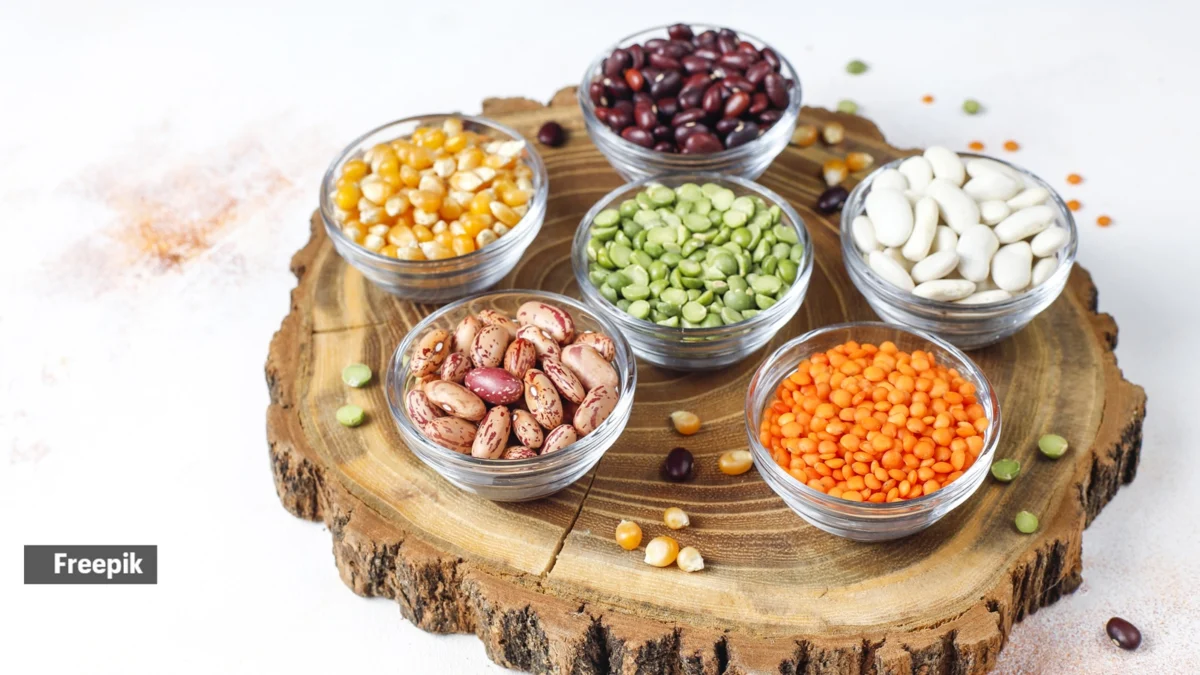
- Legumes: Beans, lentils, chickpeas, and peas are protein powerhouses, particularly for vegetarians and vegans, and are also rich in fiber.
- Soy Products: Tofu, tempeh, and edamame are complete plant-based protein sources derived from soybeans.
- Nuts and Seeds: Almonds, walnuts, chia seeds, flaxseeds, and pumpkin seeds contribute protein, healthy fats, and fiber.
- Whole Grains: While primarily a source of carbohydrates, some whole grains like quinoa and oats also offer a decent amount of protein.
The Importance of Professional Guidance
It is imperative to reiterate the disclaimer provided in the original article: "This article is based on information from the public domain and/or the experts we spoke to. Always consult your health practitioner before starting any routine." While recognizing these potential signs of protein deficiency is empowering, self-diagnosis can be misleading. Ankle swelling, for instance, can stem from a myriad of medical conditions, including kidney issues, heart problems, or circulatory disorders. Persistent hunger could also be a symptom of underlying hormonal imbalances or other metabolic conditions.
Therefore, if you suspect you might be experiencing a protein deficiency or are concerned about any of the signs discussed, the most prudent course of action is to consult with a qualified healthcare professional or a registered dietitian. They can conduct a thorough assessment of your diet, lifestyle, and overall health, and if necessary, recommend appropriate diagnostic tests to confirm any nutritional deficiencies. Personalized dietary advice can then be provided, ensuring that your protein intake is optimized for your individual needs and health goals.
In conclusion, protein is far more than just a muscle-building nutrient; it is a fundamental building block for life itself, essential for virtually every bodily function. By understanding the subtle signals our bodies send and by adopting a balanced, diverse diet rich in various protein sources, we can proactively safeguard our health and well-being. However, professional guidance remains the cornerstone of accurate diagnosis and effective management of any health concerns.
