

Introduction: A Viral Revelation in the Sethi Household
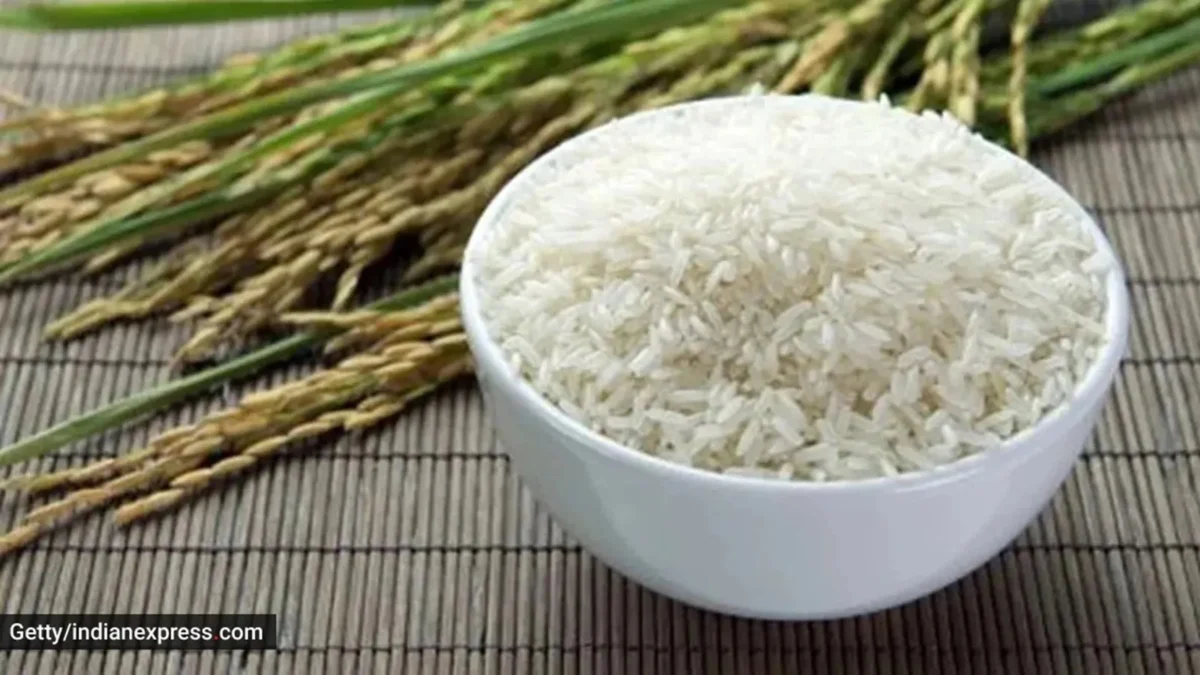
In the fast-evolving world of celebrity wellness, even the most mundane dietary choices can spark a national conversation. Recently, veteran actress and television personality Archana Puran Singh brought a common household debate to the forefront of public discourse. During an appearance on her elder son Aaryamann’s YouTube vlog, the actress revealed that her younger son, Ayushmaan Sethi, has been strictly advised by his nutritionist to eliminate roti (wheat-based flatbread) from his diet in favor of steamed rice.
The revelation, delivered with a touch of maternal sympathy—Archana referred to her son as a "bechara" (poor soul) for having to forgo the staple Indian bread—has reignited the long-standing debate over which carbohydrate source reigns supreme for health and fitness. While roti has traditionally been viewed as the healthier, fiber-rich option in the Indian subconscious, Ayushmaan’s shift toward steamed rice highlights a growing trend in personalized nutrition that challenges conventional wisdom.
Main Facts: The Catalyst of the Conversation
The core of this news story lies in a lifestyle update shared via a digital medium. Archana Puran Singh, known for her candid nature, used her son’s platform to discuss the specific dietary restrictions currently governing Ayushmaan’s life. According to the actress, the decision was not a matter of personal preference but a professional recommendation from a certified nutritionist.
"Steamed rice because Ayushmaan’s nutritionist has advised him to avoid roti. So, bechara… he is eating steamed rice," she shared during the vlog. This statement immediately raised eyebrows among followers, as wheat-based rotis are often the cornerstone of North Indian diets, prized for their perceived nutritional superiority over white rice.
The discussion quickly moved beyond the Sethi family, prompting health experts to weigh in on why a fitness-conscious individual might be steered away from whole wheat—a grain long heralded as a "superfood" for weight management—and toward the often-maligned steamed rice.
Chronology: From Vlog Snippet to Health Discourse
The timeline of this discussion began in late June 2026, when Aaryamann Sethi uploaded a "day-in-the-life" style vlog featuring his family. These vlogs, which offer a behind-the-scenes look at the lives of the "Comedy King" Parmeet Sethi and Archana Puran Singh’s family, often touch upon fitness, food, and daily routines.
- June 22, 2026: The vlog is released. Within hours, the segment regarding Ayushmaan’s diet is clipped and shared across social media platforms like Instagram and X (formerly Twitter).
- June 23-24, 2026: Public reaction intensifies. Nutritionists and fitness influencers begin posting "Reaction Videos," some supporting the move and others questioning the exclusion of wheat.
- June 25, 2026: Medical experts, including Dt Amreen Sheikh from KIMS Hospitals, are sought out by major news outlets to provide a scientific context to the "Rice vs. Roti" debate.
- Present Day: The conversation has transitioned from a celebrity gossip piece into a broader analysis of personalized nutrition, gut health, and the glycemic index.
Supporting Data: The Nutritional Breakdown of Staples
To understand why a nutritionist would recommend rice over roti, one must look at the biochemical profile of both foods. The debate is rarely about which food is "bad," but rather which food fits a specific physiological need.
The Case for Roti (Whole Wheat)
Traditionally, roti is considered the healthier choice due to:
- Fiber Content: Whole wheat contains significant amounts of dietary fiber, which aids in digestion and provides a prolonged feeling of fullness (satiety).
- Protein: Wheat generally has a higher protein content per 100 grams compared to white rice.
- Micronutrients: It is rich in Magnesium, Phosphorus, and B-vitamins.
The Case for Steamed Rice
Despite its reputation for causing "sugar spikes," steamed rice offers unique benefits:
- Ease of Digestion: Rice is a "low-residue" food. It is significantly easier for the stomach to break down than the complex fibers and gluten found in wheat.
- Gluten-Free: For individuals with non-celiac gluten sensitivity or general gut inflammation, wheat can cause bloating and lethargy. Rice is naturally gluten-free.
- Quick Energy: Because it is digested faster, rice can serve as an efficient fuel source for athletes or those with high-intensity workout schedules.
Comparative Glycemic Load
While white rice has a higher Glycemic Index (GI) than whole wheat, the Glycemic Load of a meal depends on what it is paired with. Eating rice with fiber-rich vegetables, lentils (dal), and healthy fats (ghee) significantly slows down glucose absorption, making the "rice makes you fat" argument largely a myth of portion control rather than ingredient quality.
Official Responses: Expert Insights from the Medical Community
Dt Amreen Sheikh, Chief Dietitian at KIMS Hospitals, Thane, provided a comprehensive breakdown of why Ayushmaan Sethi’s nutritionist might have made this specific recommendation. She stressed that the "Rice vs. Roti" debate is often overly simplistic and fails to account for individual biology.

"One is not inherently better than the other," Sheikh explained. "The right choice depends on a person’s body type, activity levels, health goals, digestion, and overall eating habits."
Why Avoid Roti?
According to Sheikh, there are several clinical reasons to swap wheat for rice:
- Gut Health and Bloating: "Some people find rice easier to digest than wheat. If someone has bloating, discomfort, or specific gut issues like IBS (Irritable Bowel Syndrome), rice might be a better temporary or even permanent choice," she noted.
- Inflammation: Gluten, the protein found in wheat, can sometimes cause low-grade inflammation in certain individuals, leading to water retention and a "puffy" appearance—something often avoided by those in the performing arts or fitness industries.
- Workout Synergy: For individuals like Ayushmaan, who likely follow a rigorous fitness regime, carbohydrate timing is crucial. "Rice is often easier to digest and can be useful around exercise times because it gets absorbed pretty quickly," Sheikh added.
The "Bad Rap" of Rice
Sheikh addressed the stigma surrounding rice, noting that "Rice often gets a bad rap for causing weight gain or blood sugar spikes. But food doesn’t act alone. The amount, cooking method, meal makeup, and a person’s nutritional needs matter much more than just one ingredient." She emphasized that steamed rice, when prepared correctly and eaten in moderation, is a clean carbohydrate source.
Implications: The Dangers of Celebrity-Led Diet Mimicry
The publicizing of Ayushmaan Sethi’s diet carries significant implications for public health. In a culture where celebrity lifestyle choices are often adopted as gospel by fans, experts are issuing a word of caution.
1. The Pitfall of "One-Size-Fits-All"
The most significant risk is the assumption that because a nutritionist recommended a "no-roti" diet for a celebrity’s son, it is a healthy choice for the general public. Diet plans are highly personalized interventions based on blood work, metabolic rate, and lifestyle. For a sedentary office worker, replacing fiber-rich roti with white rice without increasing vegetable intake could lead to weight gain and insulin resistance.
2. The Psychology of "Good" vs. "Bad" Foods
Dt Amreen Sheikh pointed out that social media discussions often label foods in binary terms. "The focus should be on balance, not on labeling foods as ‘good’ or ‘bad.’ Rather than asking if rice is better than roti, a more useful question is whether the overall meal includes the right portions of carbohydrates, protein, fiber, and healthy fats."
3. The Role of Professional Guidance
The Sethi family’s decision highlights the importance of consulting experts. Ayushmaan did not simply quit roti based on a whim; he did so under the guidance of a nutritionist. This underscores a shift toward "Bio-Individuality"—the idea that your neighbor’s "superfood" might be your "poison."
4. Cultural Dietary Evolution
This trend also marks an evolution in the traditional Indian diet. For decades, the "Roti-Sabzi" or "Dal-Chawal" staples were unquestioned. As modern science delves deeper into gut health and the microbiome, many Indians are discovering that their traditional staples may need adjustment to suit modern, less active lifestyles or specific digestive sensitivities.
Conclusion: A Lesson in Nutritional Nuance
The story of Ayushmaan Sethi’s dietary shift is more than just a snippet from a YouTube vlog; it is a microcosm of the modern approach to health. It reflects a move away from generalized dietary guidelines and toward a more nuanced, data-driven approach to what we put on our plates.
As Archana Puran Singh’s "bechara" comment suggests, change—especially cultural dietary change—can be difficult. However, as Dt Amreen Sheikh concludes, the ultimate goal of any diet is not to adhere to a trend but to achieve a state of metabolic balance. Whether that balance is found through a stack of rotis or a bowl of steamed rice depends entirely on the individual sitting at the table.
DISCLAIMER: This article is based on information from the public domain and expert commentary. Nutritional requirements vary significantly from person to person. Always consult a qualified health practitioner or clinical dietitian before making significant changes to your diet or starting a new fitness routine.
