

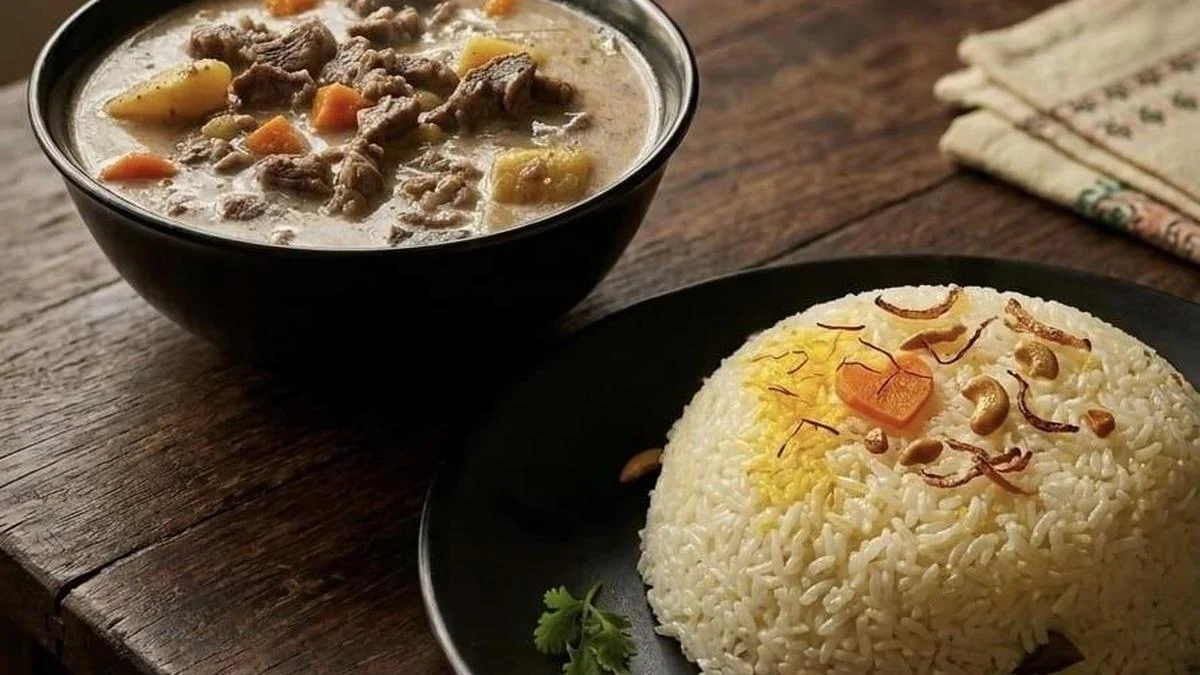
In the steaming kitchens of Kerala, where spices have dictated the flow of global history for centuries, few dishes embody the state’s complex, cosmopolitan heritage as elegantly as the ishtew. Once a humble accompaniment to the lacy appam or a thick slice of bread, the Kerala stew—a delicate, coconut-milk-based broth infused with aromatics—is undergoing a dramatic transformation. No longer relegated to the sidelines of a breakfast menu, the stew has emerged as a culinary protagonist, fueling a new wave of dedicated restaurants, innovative food trucks, and specialized cloud kitchens across the city of Kochi.
This resurgence is more than a fleeting food trend; it is a sophisticated marriage of nostalgia, colonial history, and modern entrepreneurship. As the dish migrates from grandmother’s kitchens to the forefront of the urban "foodie" scene, it is redefining how the Malayali diaspora and locals alike consume their heritage.
Main Facts: The Rise of the Standalone Stew
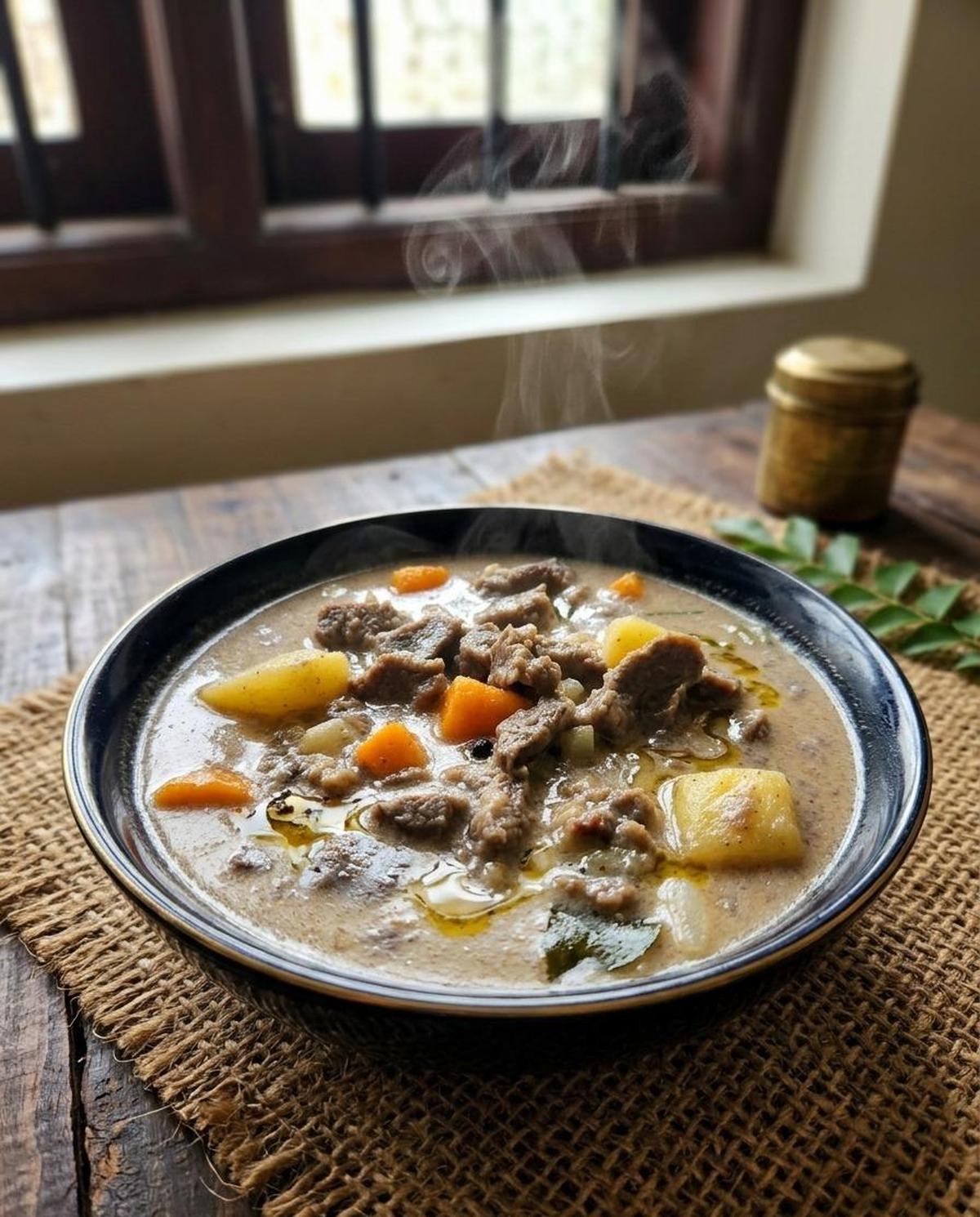
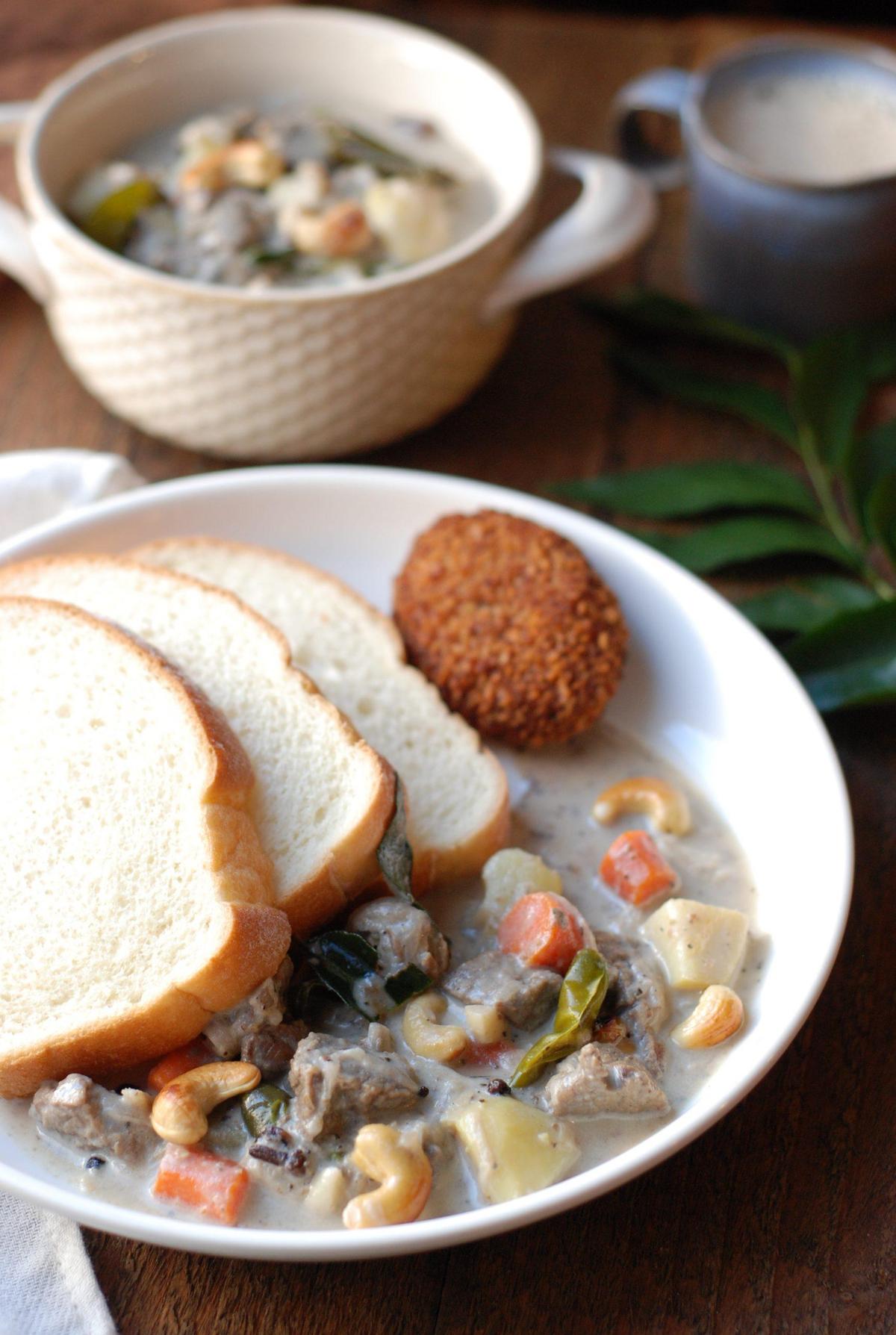
The traditional Kerala stew—known colloquially as ishtoo—is a study in subtlety. Unlike the fiery, red-hot gravies typically associated with South Indian cuisine, the stew relies on a pale, creamy base of coconut milk. Pieces of succulent chicken, beef, or mutton are simmered alongside cubed potatoes, carrots, and onions. The flavor profile is defined by "whole spices": cinnamon sticks, green cardamom, cloves, black peppercorns, and bay leaves, all tempered in coconut oil with fresh curry leaves and ginger.
Historically, this dish was a staple of celebratory breakfasts, particularly within the Syrian Christian and Anglo-Indian communities. However, recent market shifts in Kochi indicate a change in consumption patterns. The stew is now being marketed as a versatile, all-day meal.
Several key players are driving this movement:
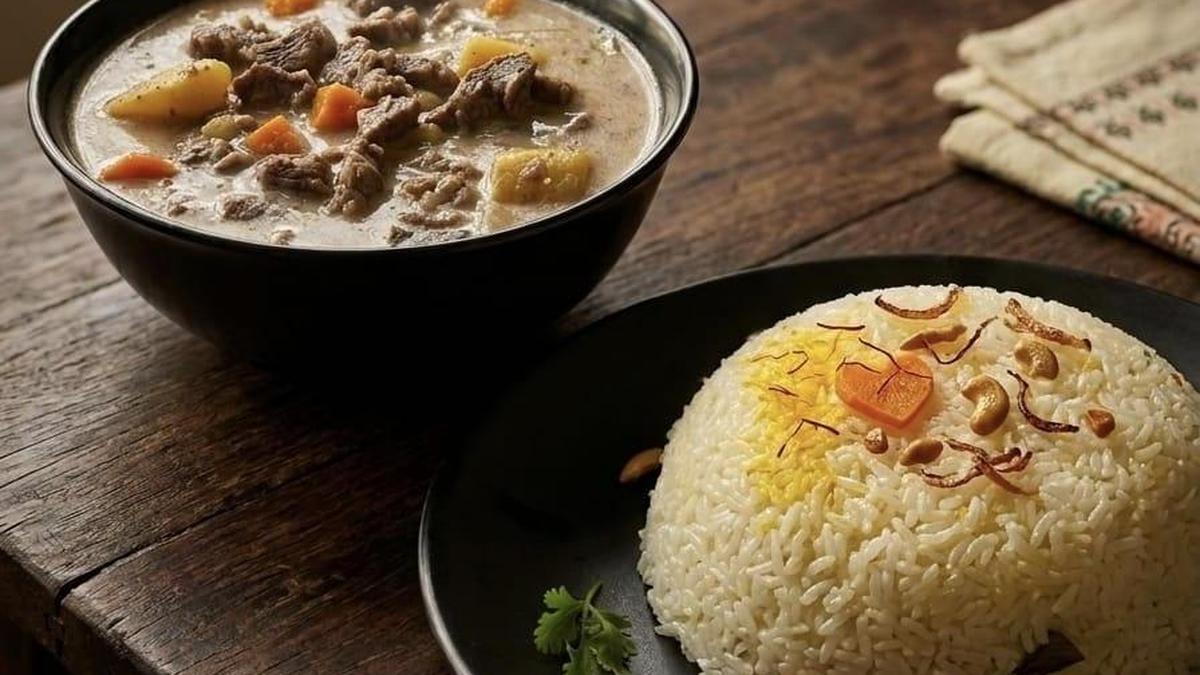
- Reems Stew and Bread: A mobile food truck that has turned the simple combination of bread and stew into a cult favorite in Kochi’s Kakkanad and Panampilly Nagar districts.
- Stewmuch: A cloud kitchen that has expanded the stew’s repertoire by introducing regional variations from Malabar and pairing the dish with ghee rice—a departure from the traditional appam pairing.
- Hamza’s Kitchen: One of the early pioneers to leverage social media to turn bread-and-stew into a viral sensation.
The demand is driven by a craving for "light" comfort food. Unlike heavy masala-laden curries, the stew is perceived as easy on the palate and the stomach, making it an ideal choice for the health-conscious urban professional.
Chronology: From Colonial Trade Routes to Food Trucks
The evolution of the Kerala stew is a timeline of cultural fusion, spanning over five centuries.
The Colonial Genesis (15th – 19th Century)
The roots of the dish are inextricably linked to the arrival of the Portuguese and later the British. Before European intervention, Kerala’s vegetable preparations were largely based on indigenous gourds and tubers. The Portuguese introduced potatoes and carrots, which became the structural foundation of the modern stew.
The British brought the concept of the "slow-cooked broth." However, the European version used flour (roux) or cornstarch as a thickener and often utilized dairy milk. The Malayali adaptation replaced dairy with coconut milk—a modification likely influenced by West Asian Jewish communities in Kerala who followed Kosher laws prohibiting the mixing of meat and dairy.
The Community Staple (20th Century)
Throughout the 1900s, the stew became the "signature of hospitality" in Kerala homes. It was the quintessential dish for Easter and Christmas mornings. In the Anglo-Indian enclaves of Fort Kochi, mutton stew served with crusty local bread became the standard wedding breakfast, symbolizing a bridge between European form and Indian flavor.

The Commercial Transition (2010s – 2020)
For decades, the stew existed on restaurant menus only as part of a "combo" (e.g., Appam-Stew). It was rarely the reason a customer visited an establishment. The shift began around 2021-2022, as the post-pandemic dining scene saw a surge in "micro-specialty" eateries.
The Modern Explosion (2024)
In January 2024, the launch of Reems Stew and Bread marked a turning point. By taking the dish to the streets via a food truck, the owners democratized a dish that was once reserved for home dining or high-end hotels. This was followed by the rise of Stewmuch, which utilized the cloud kitchen model to bring regional "Malabar-style" stews to a wider audience.
Supporting Data: Regional Variations and Culinary Nuances
While the core ingredients remain similar, the Kerala stew is not a monolith. Data from local chefs and culinary historians suggest significant regional divides in the recipe, primarily between the Malabar (Northern) and Kochi (Central) traditions.
| Feature | Kochi / Southern Stew | Malabar / Northern Stew |
|---|---|---|
| Color | Bright white / Pale cream | Mild yellow / Golden |
| Consistency | Thin to medium | Thick and velvety |
| Spice Level | Mild, sweet undertones | Peppery, prominent ginger |
| Primary Pairing | Appam, Sliced Bread | Ghee Rice, Puttu |
| Thickener | Coconut Milk / Cashew Paste | Thick Coconut Milk / Onion Paste |
A significant technical variation noted by Reems Stew and Bread is the rejection of modern thickeners. While many commercial kitchens use cornflour to achieve a thick consistency quickly, traditionalists insist on the "cashew paste" method. This technique, passed down through generations, involves grinding soaked cashews into a fine paste, adding a rich, nutty depth to the gravy that cornflour cannot replicate.
Furthermore, the popularity of the meat used varies by demographic. While chicken remains the most common, industry insiders like Jishnu KP of Stewmuch report that beef stew is the "bestseller" among Kochiites, prized for the way the meat’s fat renders into the coconut milk broth over long hours of simmering.
Official Responses: Perspectives from the Frontline
To understand the phenomenon, one must look at the voices of the entrepreneurs and historians who are documenting and shaping this revival.
Ajoy ET, Co-founder of Reems Stew and Bread:
"The response has been sensational," Ajoy notes. "The bread-stew combination is more than food for the Kochiite. It is part of our celebrations—Christmas and Easter. It is pure nostalgia and a taste of home, which has people coming to us in droves. We get calls almost daily asking about our location." He emphasizes that the secret to their success is his wife Reema’s adherence to her grandmother’s recipe, specifically the use of cashew paste instead of cornflour.
Jishnu KP, Founder of Stewmuch:
Jishnu, who hails from Kozhikode, spent three years deliberating before launching his stew-centric cloud kitchen. "I chose stew because its spices and warmth are balanced. It is not a heavy dish; it feels light on the palate. Another thing I love about stew is that it fits every meal—breakfast, lunch, and dinner. Very few foods carry that versatility." Jishnu is also attempting to bridge regional gaps: "Malabar stew is generally thicker and has a stronger note of pepper. Kochi stew is milder. Our recipe tries to keep a balance between these two traditions."
Tanya Abraham, Food Historian and Author:
In her work Eating with History: Ancient Trade Influenced Cuisines of Kerala, Abraham explores the "layered history" of the dish. "The stew is often connected to the Surianis (Syrian Christians), who specifically used pepper and ginger. Potatoes and carrots came with the Portuguese, and the stew took on a variation of their slow-cooked broth-like dish." She further explains the Jewish influence: "Coconut milk was used widely by the Jews who couldn’t mix milk and meat due to Kosher laws… Syrian Christians often adapted their techniques."
Implications: Nostalgia as an Economic Driver
The "Stew Revolution" in Kochi carries several broader implications for the Indian culinary landscape.
1. The Commercialization of Nostalgia
The success of Reems and Stewmuch proves that "nostalgia" is a viable business model. By taking a dish associated with the intimacy of home and the sanctity of religious festivals and making it available on a sidewalk or via a delivery app, these businesses are tapping into the emotional psyche of the consumer.
2. Culinary Preservation
As family recipes are standardized for commercial kitchens, there is a risk of losing the "micro-variations" that make each home’s stew unique. However, the current trend seems to be doing the opposite—entrepreneurs are highlighting these differences (such as the use of cashew paste or the Malabar yellow tint) as Unique Selling Points (USPs), thereby preserving traditional techniques that might otherwise have been lost to industrial shortcuts.
3. The Shift to "Light" Dining
The rise of the stew reflects a broader shift in urban Indian dining preferences. Consumers are increasingly moving away from heavy, oil-saturated restaurant foods in favor of "cleaner" flavors. The stew, with its reliance on fresh coconut milk and whole spices rather than processed powders, fits perfectly into the modern wellness-oriented diet.
4. Urban Food Identity
Kochi is cementing its status as a culinary melting pot. By embracing a dish that has Portuguese, British, Jewish, and Syrian Christian DNA, the city is celebrating its identity as a global trade hub. The "stew truck" is not just a place to eat; it is a symbol of Kochi’s ability to modernize its history without stripping it of its soul.
In conclusion, the Kerala stew is no longer just a "warm hug" in a bowl served on a Sunday morning. It has become a vibrant, commercial force in Kochi’s food economy. Whether served from a sleek food truck in Kakkanad or a cloud kitchen in the heart of the city, the ishtew remains a testament to the enduring power of simple, well-balanced flavors and the deep-seated memories they evoke.
