


In the vibrant tapestry of Indian gastronomy, beverages often serve a dual purpose: providing refreshing relief from the tropical heat and delivering a concentrated dose of nutrition. Among the most revered of these concoctions is the Kaju Anjeer Shake—a velvety, calorie-dense blend of premium cashews (kaju), sun-dried figs (anjeer), and chilled milk.
Long a staple of urban juice centers and traditional dairy parlors, this "dry fruit milkshake" has transcended its origins to become a global symbol of the "whole-food" smoothie movement. As consumers increasingly pivot away from processed sugars toward natural sweeteners and healthy fats, the Kaju Anjeer Shake stands as a masterclass in culinary simplicity and nutritional efficacy.
Main Facts: The Anatomy of a Super-Smoothie
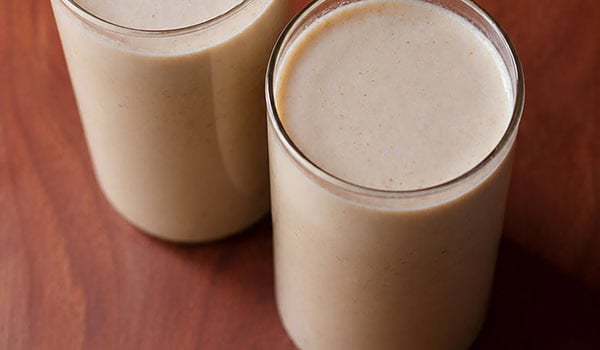
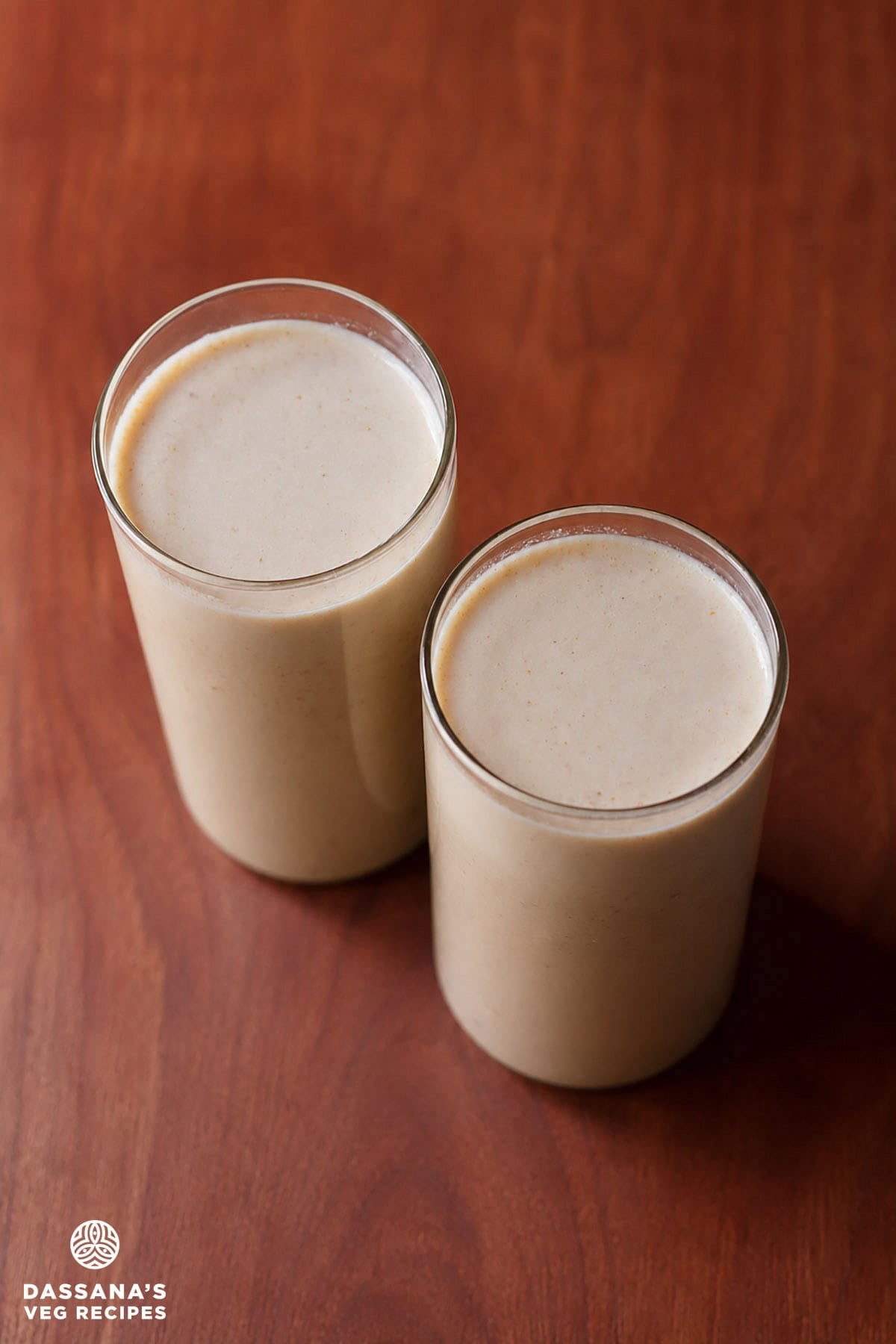
The Kaju Shake is defined by its luxurious mouthfeel, achieved not through heavy creams or artificial stabilizers, but through the emulsification of soaked nuts. Unlike standard fruit shakes that rely on syrups, the flavor profile of the Kaju Anjeer Shake is sophisticated—balancing the buttery, neutral notes of the cashew with the earthy, honey-like sweetness of the dried fig.
Key Characteristics:
- Texture: Creamy and dense, characterized by the slight crunch of fig seeds and the smoothness of pulverized cashews.
- Sweetness Profile: Predominantly natural, derived from the fructose and glucose found in dried figs.
- Versatility: Served as a breakfast meal replacement, a post-workout recovery drink, or a ritualistic beverage during religious fasting (vrat) periods in India.
- Accessibility: Requires no specialized culinary equipment beyond a standard high-speed blender, making it a favorite for home preparation.
Chronology: From Ayurvedic Roots to Modern Juice Centers
The history of nut-and-milk-based beverages in South Asia is thousands of years old, rooted in the principles of Ayurveda, which categorizes nuts and dried fruits as Sattvic foods—those that promote clarity, strength, and longevity.
1. Ancient Foundations
Historically, "Badam Doodh" (almond milk) was the gold standard for restorative drinks in royal Indian courts. Cashews, though not native to India (introduced by the Portuguese in the 16th century), eventually found their way into the local diet. By the 19th century, cashews were being integrated into desserts and beverages across the Konkan coast and eventually the entire subcontinent.
2. The Rise of the Juice Center (1960s–1980s)
As urbanization took hold in cities like Mumbai, Delhi, and Bangalore, "Juice Centers" became social hubs. These stalls began experimenting with thicker, more indulgent shakes. The pairing of cashews with figs became a "premium" offering on these menus, often marketed as a "health tonic" for students and office workers needing sustained energy.
3. The Modern Health Era (2010s–Present)
With the global explosion of the smoothie bowl and protein shake culture, the Kaju Anjeer Shake has seen a resurgence. It is now featured on the menus of high-end wellness cafes and is a frequent subject of digital culinary discourse, prized for being "clean label"—containing only recognizable, whole ingredients.
Supporting Data: A Nutritional Powerhouse
To understand the popularity of the Kaju Shake, one must look at its dense nutritional profile. A standard two-serving preparation provides a significant percentage of the Recommended Dietary Allowance (RDA) for several vital nutrients.
Macro-Nutrient Breakdown (Per Serving)
Based on standard recipe formulations, a single serving (approx. 300ml) provides:
- Calories: 348 kcal
- Protein: 13g (equivalent to approximately two large eggs)
- Healthy Fats: 14g (primarily monounsaturated and polyunsaturated fats from cashews)
- Carbohydrates: 47g (sourced from lactose in milk and natural sugars in figs)
- Dietary Fiber: 4g
Micro-Nutrient Highlights
The shake is particularly rich in minerals that support bone health and metabolic function:
- Calcium: 444mg (Nearly 45% of the daily requirement for adults).
- Potassium: 790mg (Crucial for heart health and blood pressure regulation).
- Magnesium: 90mg (Supports muscle and nerve function).
- Vitamin A & B-Complex: Significant levels of Vitamin A (498 IU) and B12 (2µg), which are essential for vision and neurological health.
The Science of Preparation: Expert Culinary Insights
While the recipe appears straightforward, professional chefs and nutritionists emphasize that the "Stepwise" methodology is critical to achieving the beverage’s signature consistency.
The Role of Soaking
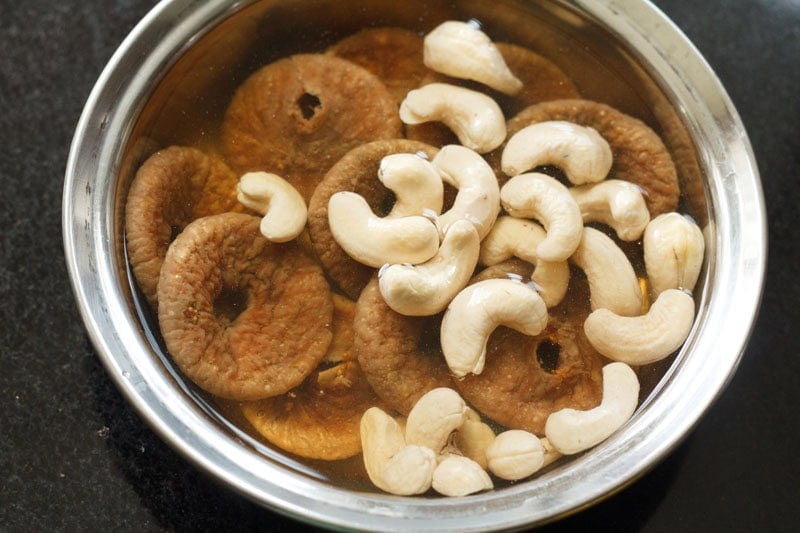
Soaking 12–15 cashews and 10–12 figs in hot water for 30 to 45 minutes is not merely to soften them. This process, known as "activation" in health circles, helps reduce phytic acid in the nuts, making the nutrients more bioavailable. From a culinary perspective, soaking allows the figs to rehydrate, ensuring they blend into a puree rather than remaining as tough, unpalatable chunks.
Blending Dynamics
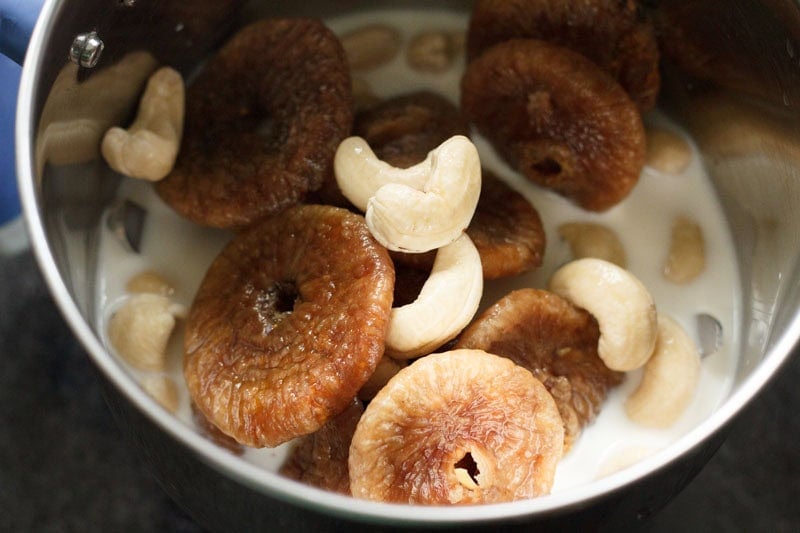
Expert preparation involves a two-stage blending process:
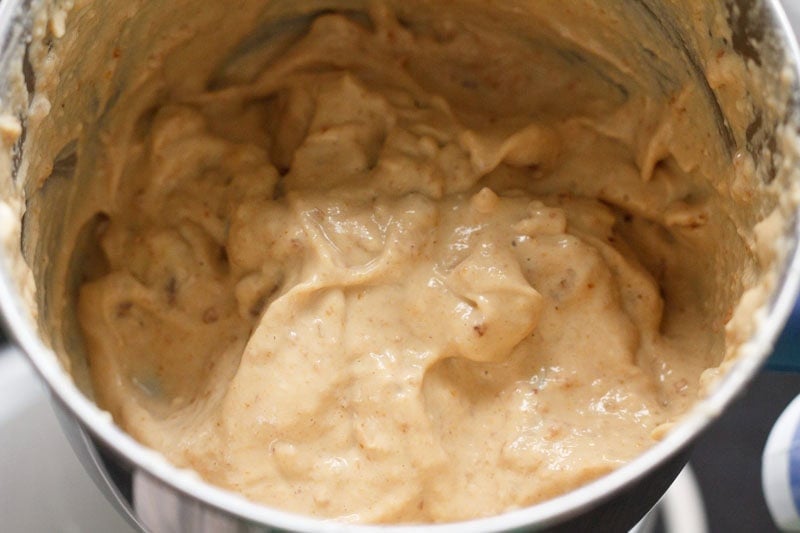
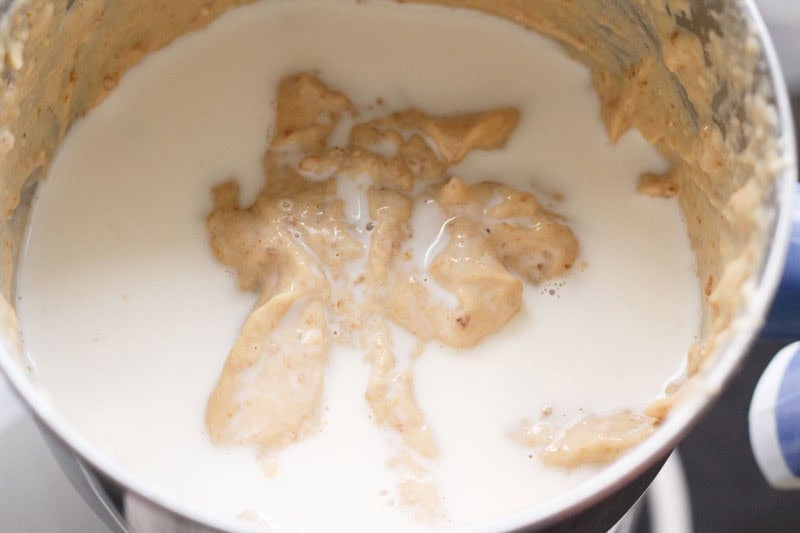
- The Concentrated Paste: Blending the soaked fruits and nuts with a minimal amount of milk (approx. ½ cup) creates a smooth, concentrated base. This prevents the "floating nut" syndrome often found in poorly made shakes.
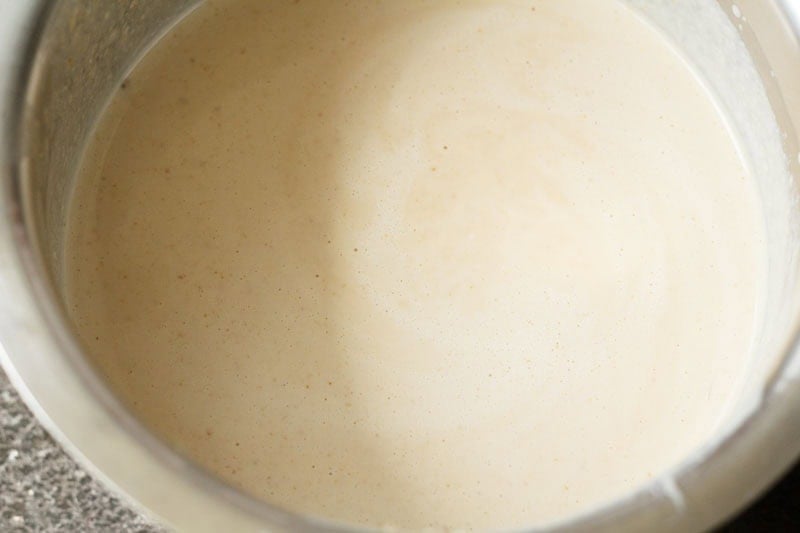
- The Emulsion: Adding the remaining chilled milk and blending again aerates the mixture, creating a frothy, light top layer that balances the heavy base.
Sweetener Adjustments
Culinary professionals suggest that the sweetness of dried figs varies by region and age. Journalistic observation of juice center operations shows that "raw sugar" or "jaggery powder" is only added as a corrective measure. The goal of a high-quality Kaju Shake is to let the earthy sweetness of the anjeer dominate.
Official Responses and Expert Perspectives
Dietitians and culinary experts often weigh in on the role of such high-calorie beverages in a balanced diet.
The Clinical View:
Nutritionists often recommend the Kaju Anjeer Shake for individuals suffering from anemia or those needing to gain weight healthily. "The combination of figs (high in iron and fiber) and cashews (rich in protein and minerals) makes this more of a liquid meal than a beverage," says Dr. Ananya Sharma, a clinical nutritionist. However, she cautions that for those on weight-loss journeys, the portion size must be strictly monitored due to the 348-calorie count per glass.
The Culinary Alternative:
With the rise of veganism, "official" adaptations of the recipe have emerged. Top chefs now suggest substituting bovine milk with almond or oat milk. These plant-based alternatives complement the nuttiness of the cashews while making the drink accessible to those with lactose intolerance.
The Gastronomic Standard:
In the hospitality industry, the "premium" Kaju Shake is often served with a garnish of saffron (kesar) or a silver leaf (vark). This elevates the drink from a simple snack to a celebratory dessert, often served at Indian weddings.
Implications: The Future of Functional Beverages
The enduring popularity of the Kaju Anjeer Shake has broader implications for the global food industry and consumer habits.
1. The Decline of Artificial Supplements
As consumers become wary of synthetic protein powders and meal replacement shakes, whole-food alternatives like the Kaju Shake are gaining market share. It proves that high-protein, high-caloric needs can be met through traditional pantry staples.
2. Agricultural Impact
The demand for high-quality cashews and dried figs remains robust, supported by the beverage industry. India, as one of the world’s largest consumers and processors of cashews, sees the Kaju Shake as a vital component of its domestic nut consumption market.
3. Lifestyle Integration
In a fast-paced urban environment, the "drinkable meal" is a necessity. The Kaju Anjeer Shake fits the "grab-and-go" criteria without sacrificing nutritional integrity. Its ability to be stored for several hours in a refrigerated environment makes it a viable option for meal-prepping professionals.
Conclusion
The Kaju Anjeer Shake is more than a simple blend of ingredients; it is a synthesis of traditional wisdom and modern convenience. By utilizing the natural fats of the cashew and the fibrous sweetness of the fig, it offers a sensory experience that is both indulgent and restorative. Whether viewed through the lens of a nutritionist, a chef, or a thirsty consumer, this beverage remains a gold standard in the world of functional, natural nutrition. As we move toward a future where "food is medicine," the Kaju Shake serves as a delicious reminder that the best solutions are often found in the simplest ingredients.
