

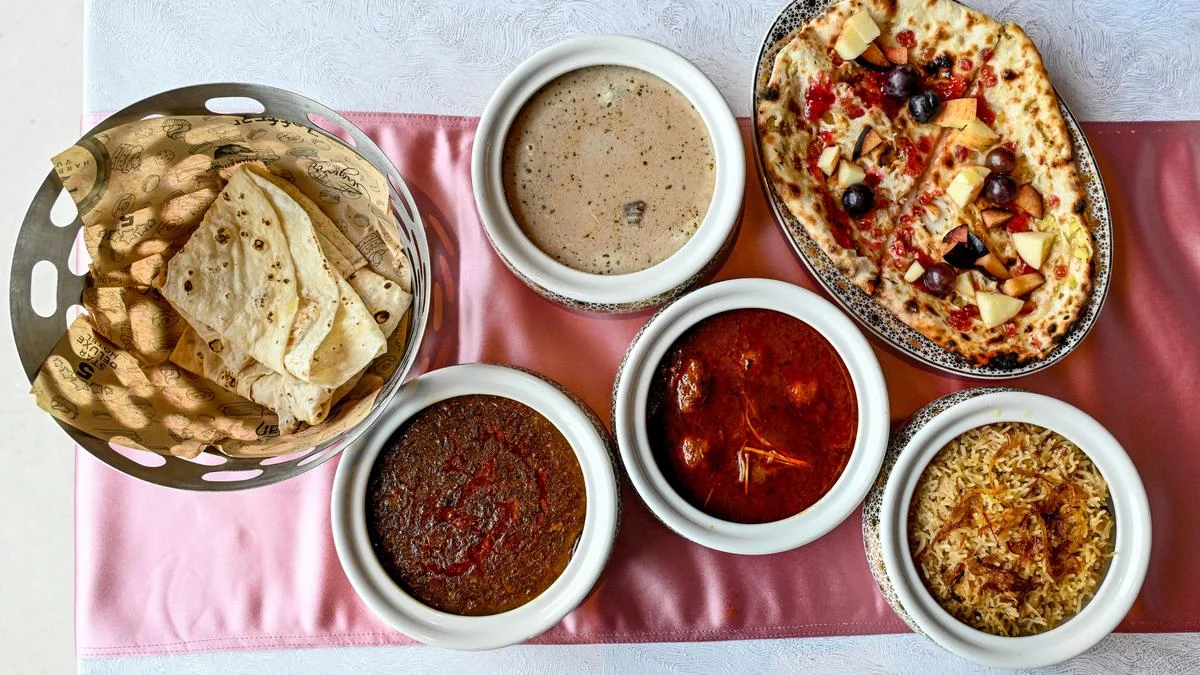
VISAKHAPATNAM – In the coastal city of Visakhapatnam, where the salty breeze of the Bay of Bengal usually carries the piquant aromas of Andhra’s fiery seafood, a different olfactory narrative is currently unfolding. At Zaffran, the signature restaurant of Novotel Visakhapatnam Varun Beach, the air is thick with the scent of sun-dried ginger, tempered fennel, and the world’s most expensive spice: saffron.
The "Dawat-E-Wazwan" food festival, curated by the celebrated Chef Rehman and Chef Abdul, is more than just a seasonal menu; it is a meticulous translation of the Kashmir Valley’s multi-course culinary tradition, brought to the shores of Andhra Pradesh. Running through late June, the festival seeks to redefine the local perception of North Indian cuisine, moving away from the generic "makhani" gravies toward the nuanced, aromatic complexity of the royal Kashmiri courts.
Main Facts: The Essence of Dawat-E-Wazwan
The festival is anchored by the "Wazwan," a term derived from ‘Waz’ (cook) and ‘Wan’ (shop). Traditionally a 36-course meal served at Kashmiri weddings and celebrations, the Wazwan is considered a point of pride for the Kashmiri identity. At Novotel, Chefs Rehman and Abdul have distilled this gargantuan tradition into a curated festival menu that highlights the "Big Four" of Kashmiri seasonings: maval (cockscomb flower for color), shahi zeera (black cumin), saunf (fennel powder), and sonth (dry ginger).
The festival, hosted at the Zaffran restaurant, offers a sophisticated bridge between the rugged terrain of the Himalayas and the discerning palates of Vizag’s food enthusiasts. With a price point of approximately ₹3,000 to ₹3,500 for two, it positions itself as a premium cultural experience rather than a standard buffet.
Key Event Details:
- Venue: Zaffran, Novotel Visakhapatnam Varun Beach.
- Lead Chefs: Chef Rehman and Chef Abdul.
- Theme: Authentic Kashmiri Wazwan.
- Duration: Concluding June 28.
- Signature Dishes: Rista, Maaz Seekh Kebab, Nadur Yakhni, and Kong Phirni.
Chronology of a Culinary Journey: From Shorba to Phirni
To understand the Kashmiri palate, one must follow the chronological progression of the meal, which is designed to balance the body’s internal temperature and digestion—a vital consideration in the cold climate of the Valley.
The Opening Act: Soups and Starters
The experience begins with the Kashish Paya Shorba. Unlike the heavy, gelatinous trotter stews found in Hyderabadi or Mughlai cuisine, the Kashmiri version is a clarified, light broth. It serves as a "palate awakener," using minimal spices to highlight the essence of the mutton.
Following the soup, the starters arrive. The Maaz Seekh Kebab stands as a testament to the chefs’ knife skills. In traditional Wazwan, meat is never ground in a machine; it is hand-pounded on a stone plinth (daenz) until it reaches a paste-like consistency. This process preserves the fiber of the meat, resulting in a kebab that is succulent yet firm. While the Badami Kukar Tikka (almond-infused chicken) offers a mild, nutty diversion, it is the mutton preparations that truly embody the spirit of the festival.
The Heart of the Meal: The Mains
The transition to the main course introduces the Rista. For the uninitiated, the Rista is a marvel of culinary engineering. These are hand-pounded mutton meatballs simmered in a vibrant red gravy. The color, however, is deceptive. While it glows with the intensity of Kashmiri chillies, the heat is negligible. Instead, the chilies provide a smoky depth, complemented by the muskiness of saffron.

Vegetarian diners are not sidelined. The Nadur Yakhni—lotus stems cooked in a delicate yogurt gravy—is perhaps the most authentic representation of the Valley’s geography. The lotus stems, sourced from the Dal Lake, provide a crunchy texture that contrasts beautifully with the silky, fennel-scented yogurt sauce. This is paired with Kokur Pulao, a fragrant rice dish where every grain is distinct, carrying the aroma of whole spices.
The Sweet Conclusion
The meal concludes with a dual offering: Malai Gilori and Kong Phirni. The Phirni, a ground rice pudding, is infused with Kong (the Kashmiri word for saffron). While the sweetness is unapologetically bold, the creamy texture provides a cooling finish to a meal rich in warm spices.
Supporting Data: The Science and History of the Wazwan
To appreciate the "Dawat-E-Wazwan," one must understand the historical and technical rigors that support it. The Wazwan is not merely a collection of recipes; it is a guild-based craft.
The Persian Influence
The roots of Kashmiri cuisine trace back to the 14th century, during the invasion of Timur, who brought with him skilled craftsmen, weavers, and cooks from Samarkand. These influences merged with local Kashmiri ingredients—such as the abundance of walnuts, dried fruits, and lotus stems—to create a unique fusion.
Technical Precision
A critical aspect of the Wazwan is the "slow-cook" philosophy. Unlike the rapid sautéing found in Chinese or even some South Indian cuisines, Kashmiri food relies on Dum (steam pressure) and slow simmering.
- Yogurt Base: Unlike the cream and nut-heavy gravies of the plains, Kashmiri "Yakhni" uses yogurt as a tenderizer and base, creating a lighter mouthfeel.
- The Absence of Onions and Garlic: Traditional Wazwan (particularly the Pandit style, though also influencing the Muslim style) often eschews the heavy use of onions and garlic, relying instead on Asafoetida (Hing) and dry ginger for pungency.
Official Responses: Insights from the Kitchen
Chef Rehman, the visionary behind the festival, emphasizes that the primary goal of "Dawat-E-Wazwan" is education through taste.
"Wazwan is about patience and balance," Chef Rehman explained during the festival’s launch. "We don’t rely on heavy spices or the ‘masala’ culture that dominates much of the Indian restaurant scene. Instead, the flavors come from the integrity of the ingredients. When we cook mutton, we want you to taste the mutton, not just the chili. We use ingredients like yogurt, fennel, saffron, and dry ginger to create layers of flavor that reveal themselves slowly."
Management at Novotel Visakhapatnam Varun Beach noted that the decision to host a Kashmiri festival was driven by a growing demand for authentic regional experiences. "Our patrons in Visakhapatnam are well-traveled," a spokesperson for the hotel stated. "They are looking for something beyond the familiar. By bringing in specialists like Chef Rehman and Chef Abdul, we ensure that the experience is not just a ‘Kashmiri-style’ meal, but a true representation of the Valley’s heritage."

Implications: Cultural Gastronomy in a Globalized City
The "Dawat-E-Wazwan" festival at Novotel signifies a larger trend in the Indian hospitality industry: the move toward "hyper-regionalism."
1. Culinary Tourism at Home
As international travel becomes more expensive and logistically complex, luxury hotels are increasingly bringing the "destination" to the guest. For a resident of Visakhapatnam, this festival offers a sensory trip to Srinagar without leaving the city. It fosters a deeper national integration through the medium of food.
2. Preserving Dying Arts
The art of the Vasta Waza (master chef) is a diminishing one. By hosting such festivals, commercial establishments provide a platform for traditional chefs to showcase their skills, ensuring that the labor-intensive techniques of hand-pounding meat and slow-cooking in copper vessels (degs) are not lost to the convenience of modern food processors.
3. Expanding the Palate of the Coast
For a city like Vizag, which has a palate traditionally tuned to high heat and tamarind-based acidity, the introduction of the Kashmiri profile—characterized by "warmth" rather than "heat"—is a significant gastronomic shift. It challenges the diner to look for subtlety, aroma, and texture.
Conclusion
The "Dawat-E-Wazwan" at Zaffran is a rare opportunity for the people of Andhra Pradesh to experience the soulful, meditative cooking of Kashmir. While there are minor critiques—such as the over-sweetness of the Phirni or the slightly overpowering spice in the paneer—the overall execution is a triumph of authenticity.
As the festival draws to a close on June 28, it leaves behind a lingering trail of saffron and a reminder that in the world of fine dining, the most profound flavors are often those that require the most patience. For those seeking to escape the humidity of the coast for the aromatic cool of the Valley, a table at Zaffran is currently the best ticket available.
Event Summary:
- What: Dawat-E-Wazwan Food Festival
- Where: Zaffran, Novotel Visakhapatnam Varun Beach
- When: Daily for Lunch and Dinner, until June 28
- Cost: ₹3,000-₹3,500 for two (approx.)
- Verdict: A must-visit for lovers of authentic, slow-cooked regional Indian cuisine.
