

Main Facts: Redefining a Culinary Staple for the Modern Kitchen
In the pantheon of global breakfast traditions, few dishes hold as much reverence and regional pride as the South Indian dosa. Traditionally, this fermented crepe requires a labor-intensive process involving the soaking of raw rice and de-husked black gram (urad dal), followed by meticulous stone-grinding and a lengthy fermentation period. However, a culinary shift is underway, driven by the demands of a fast-paced global lifestyle and the need for dietary accessibility.
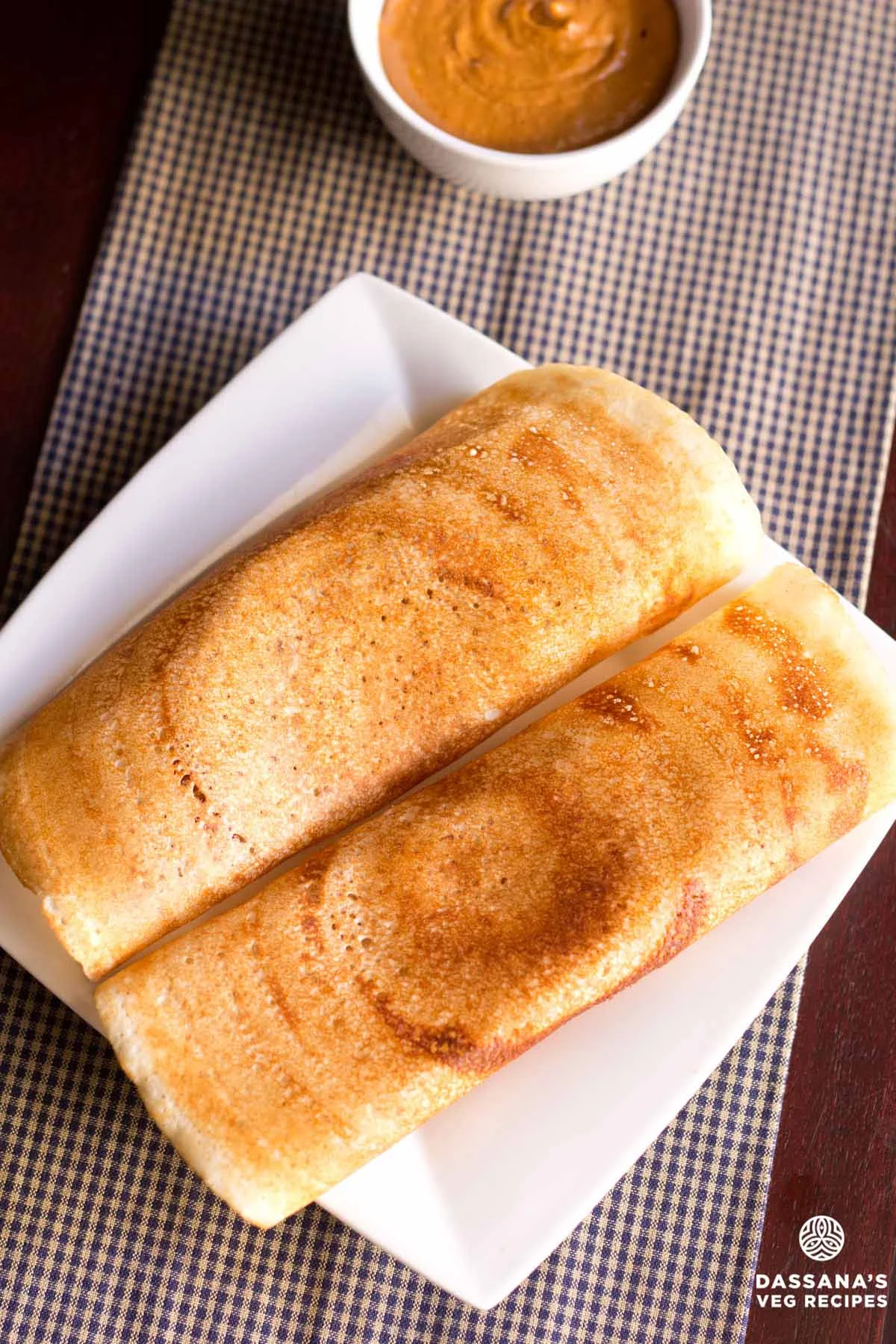
The "Rice Dosa"—a streamlined version of the classic—has emerged as a significant innovation in vegetarian cooking. Utilizing pre-milled rice flour and urad dal flour, this "no-grind" method eliminates the most daunting barriers to home preparation: the heavy-duty mixer-grinder and the 24-hour preparation cycle. According to culinary experts, this transition represents more than just a shortcut; it is a democratization of South Indian cuisine, allowing those without specialized equipment or extensive time to enjoy a staple that is naturally gluten-free and rich in fermented probiotics.
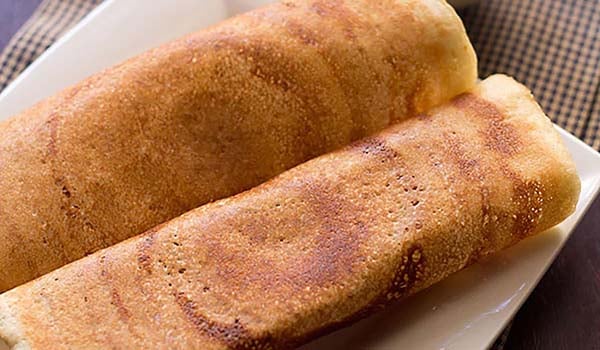
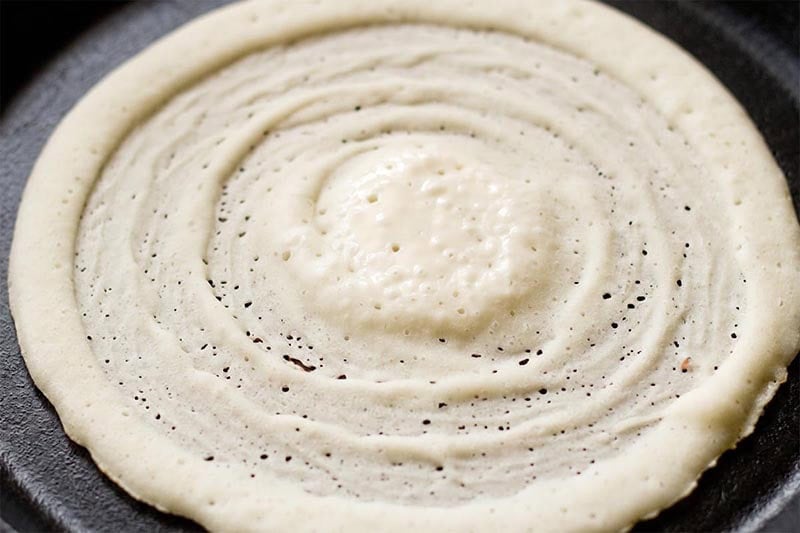
While the flavor profile differs slightly from the traditional "soaked-and-ground" variety—lacking some of the deep, earthy undertones of stone-ground grains—the result is a remarkably crisp, light, and golden crepe that maintains the structural integrity required to hold spiced potato fillings or to be dipped into sambar.
Chronology: The Preparation Lifecycle of the Modern Dosa
The transition from raw ingredients to a finished breakfast follows a specific, albeit shortened, chronological path. Unlike the traditional method, which begins 24 to 36 hours in advance, the flour-based rice dosa operates on a tighter "overnight" schedule.
Phase 1: The Evening Integration (10 Minutes)
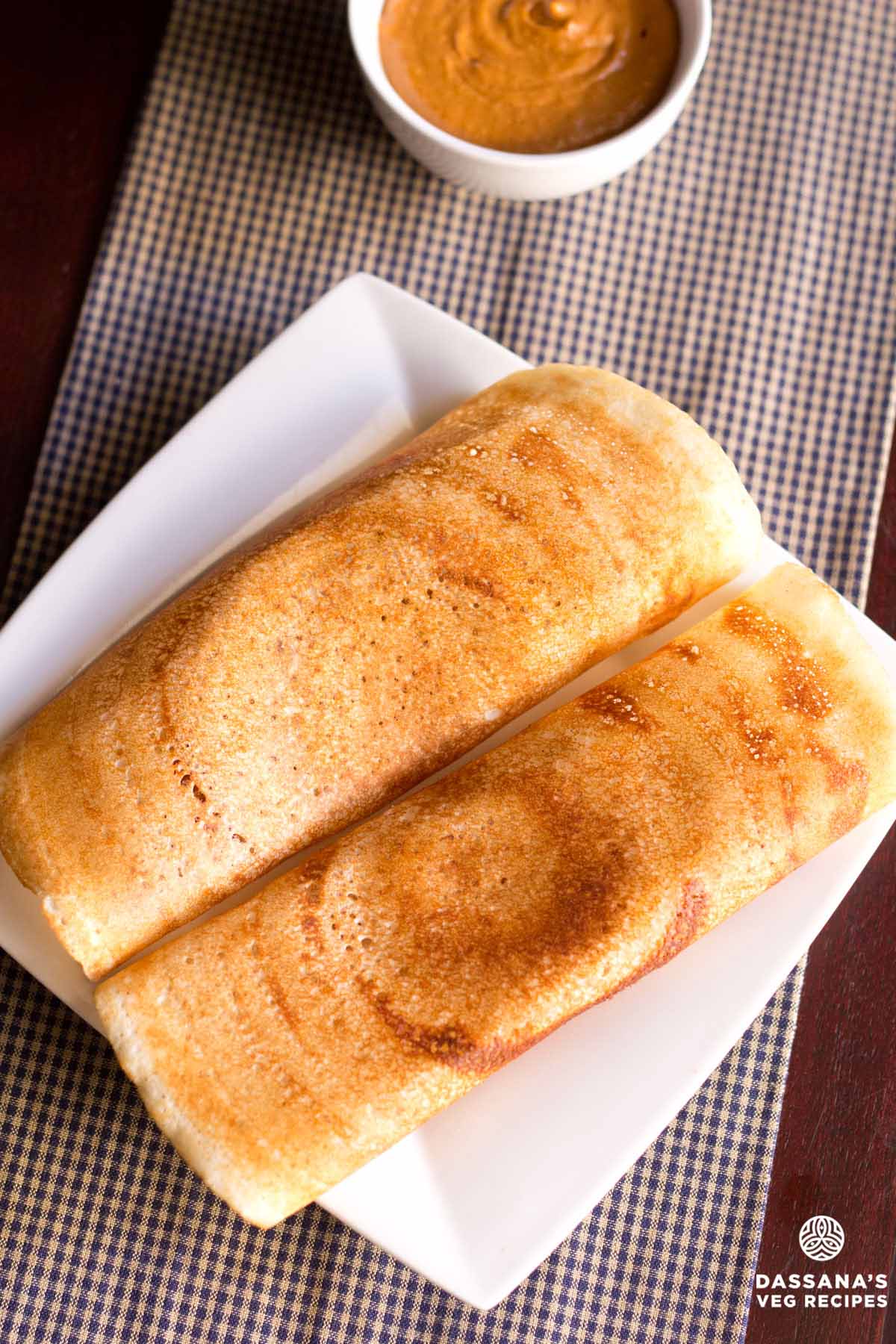
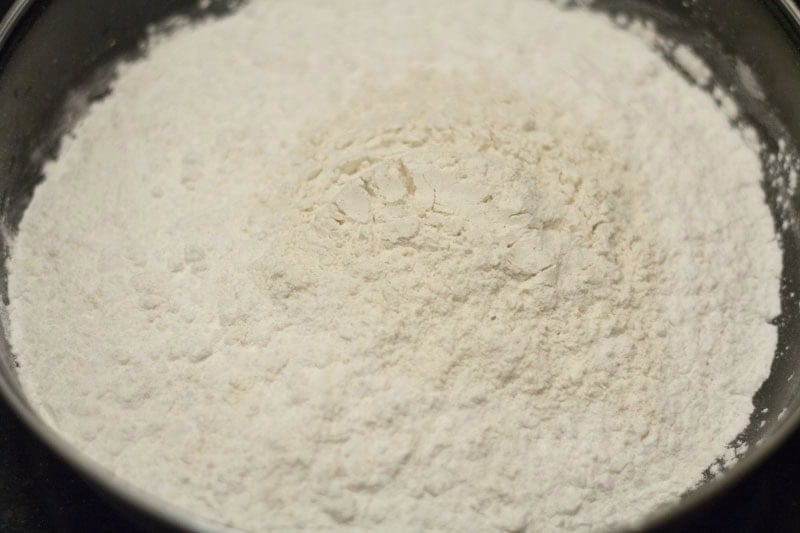
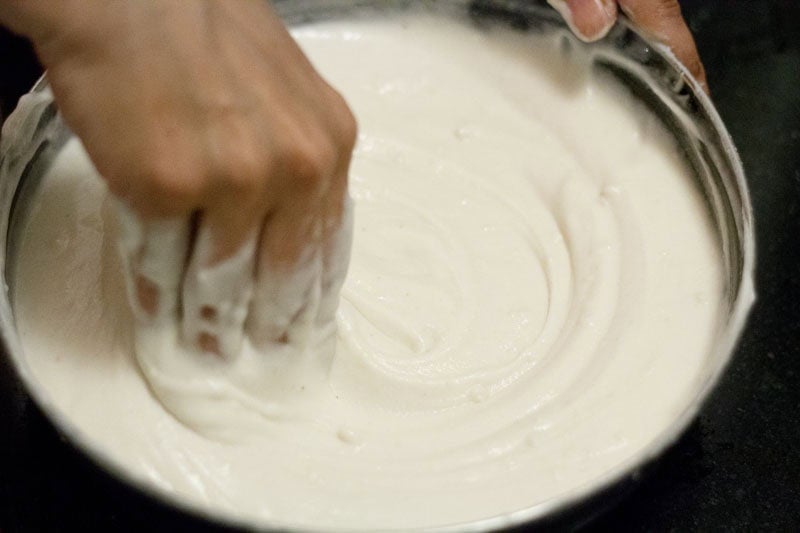
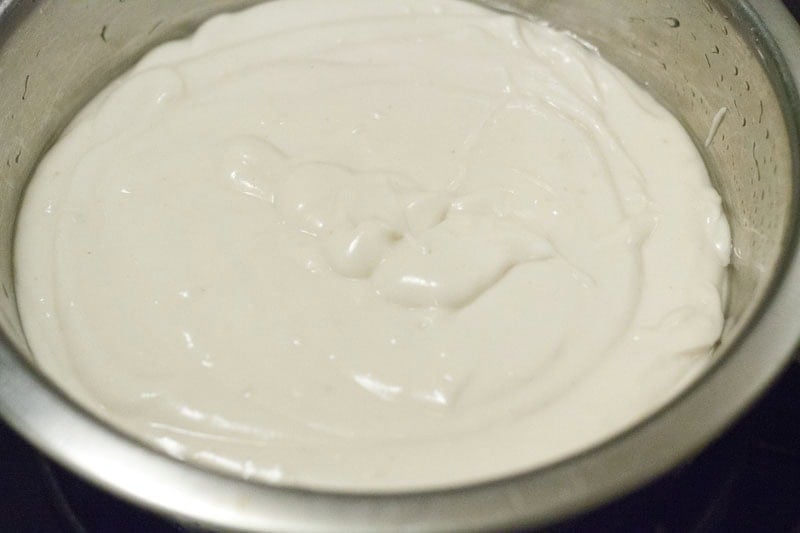
The process begins with the dry-to-wet integration. In a standard domestic kitchen, the cook combines 1¼ to 1½ cups of fine rice flour with ¾ cup of urad dal flour. The critical step here is the ratio of water to solids—typically 2½ cups of water are introduced to achieve a medium-thick, flowing consistency. Unlike traditional batters, which are ground to a specific grit, this version relies on manual whisking or hand-mixing to ensure the complete dissolution of lumps, creating a homogenous suspension of starches and proteins.
Phase 2: The Fermentation Window (9–10 Hours)
Once mixed, the batter enters the fermentation stage. This occurs at room temperature, ideally between 75°F and 90°F (24°C–32°C). During these nine to ten hours, wild yeasts and lactic acid bacteria interact with the carbohydrates in the flours.
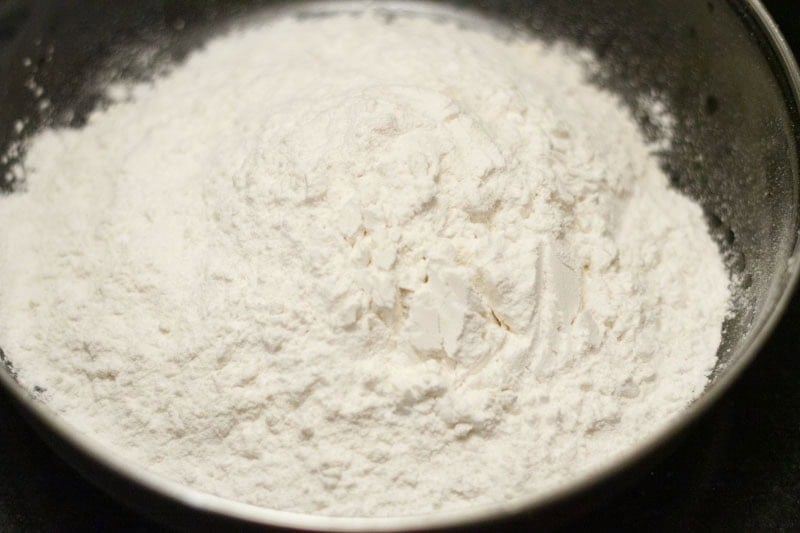
Observers note that flour-based batters do not exhibit the same dramatic "rise" or doubling in volume seen in traditional batters. Instead, the chronology of fermentation is marked by a subtle change in aroma—developing a mild tang—and the appearance of tiny air bubbles, indicating the release of carbon dioxide. In cooler climates, this phase may be extended by two hours or bolstered by the addition of a tablespoon of yogurt to jumpstart the microbial activity.
Phase 3: The Morning Execution (15 Minutes)
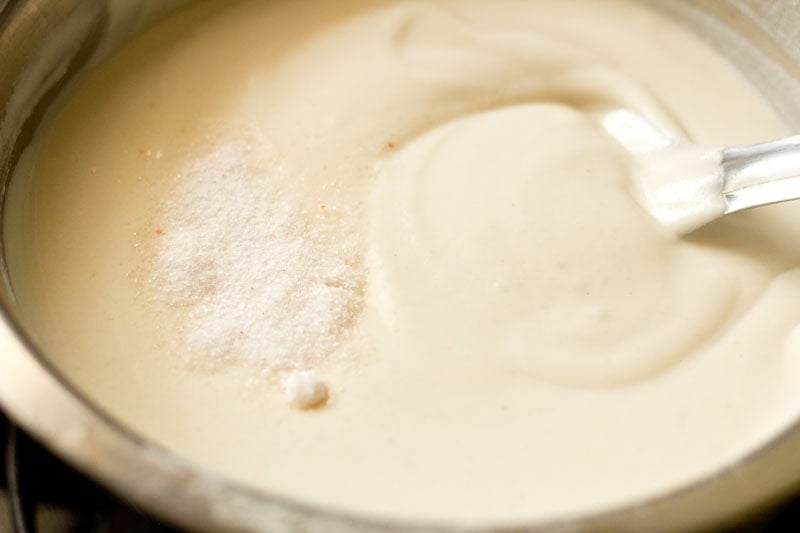
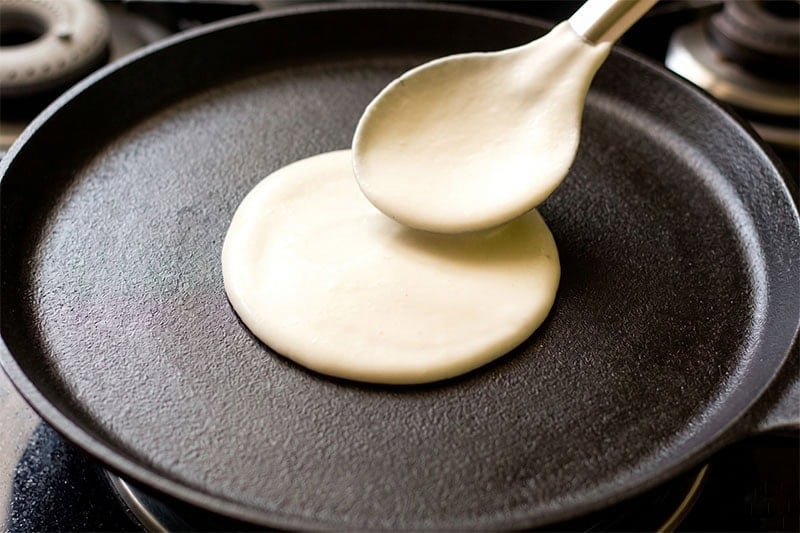
The final stage occurs immediately before consumption. Salt is added only after fermentation to avoid inhibiting the yeast. The cooking process requires a high-thermal-mass surface, such as a cast-iron tawa or a heavy-gauge non-stick skillet. The batter is spread in concentric circles, drizzled with oil, and cooked until the edges lift and the base achieves a characteristic golden-brown hue.
Supporting Data: Nutritional and Technical Specifications
The move toward flour-based dosas is supported by a robust nutritional profile that aligns with modern dietary requirements. Because the primary ingredients are rice and lentils, the dish remains a complete protein source, containing the essential amino acids often missing in singular grain diets.
Nutritional Breakdown (Per Serving)
An analysis of the rice dosa reveals a balanced caloric distribution suitable for a primary meal:
- Total Calories: 174 kcal
- Carbohydrates: 21g (primarily complex starches)
- Protein: 7g
- Fiber: 5g
- Healthy Fats: 7g (primarily monounsaturated, depending on the cooking oil used)
Furthermore, the dish is a significant source of micronutrients. It provides 21mg of Calcium and 2mg of Iron per serving, along with trace amounts of Magnesium and Phosphorus. The presence of Vitamin B-complex, particularly Niacin (0.3mg) and B6 (0.04mg), highlights the benefits of the fermentation process, which enhances the bioavailability of these nutrients.
Technical Mastery: The "Tawa" Variable
Data from professional kitchens suggests that the surface temperature of the cooking vessel is the most significant variable in achieving the "crispness" metric. A cast-iron tawa must be seasoned and lightly greased. Interestingly, for non-stick surfaces, the data suggests avoiding pre-greasing, as a slick surface prevents the batter from "gripping" the pan, which is necessary to spread it into a thin, translucent layer.
Expert Insight: Perspectives from the Culinary Field
Dassana Amit, a professionally trained vegetarian chef and Le Cordon Bleu-certified pastry chef, provides a critical perspective on this "no-grind" evolution. With over 16 years of experience in plant-based patisserie and traditional Indian cooking, Amit emphasizes that while the "no-grind" version is a "convenient option for busy days," it serves a specific niche in the culinary ecosystem.
"The flavor is different from the classic version," Amit notes. "Since the batter is prepared with flours, it does not develop the same deep fermented taste and aroma [as soaked grains]. Even so, the rice dosa turns out crisp, light, and delicious."
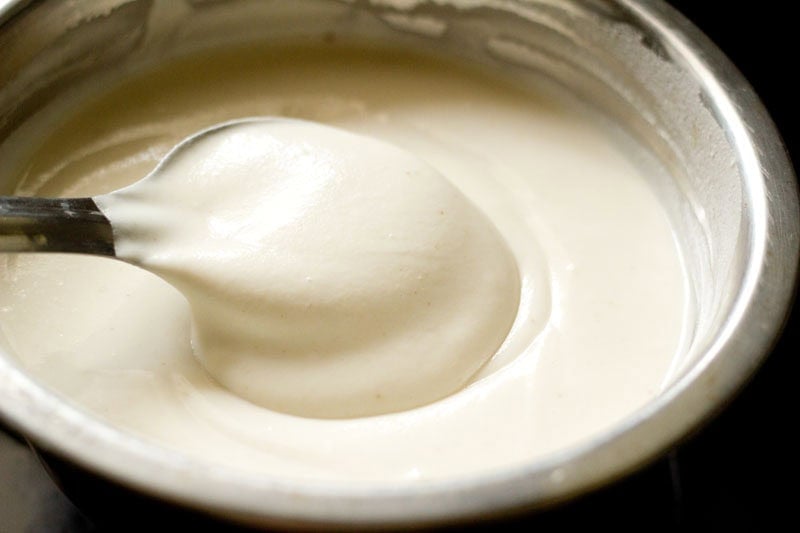
This expert testimony suggests a pragmatic shift in professional vegetarian circles: the acknowledgement that "authentic" results can be achieved through non-traditional means. Amit’s guidance also includes technical "failsafes," such as the use of a wired whisk to mimic the aeration usually provided by a wet grinder, and the specific recommendation of using a cast-iron tawa for superior heat retention—a tip that bridges the gap between ancient technique and modern convenience.
Implications: The Future of Heritage Foods in a Globalized World
The rise of the no-grind rice dosa carries significant implications for the preservation of South Indian culture and the broader "Free-From" food market.
1. Cultural Portability
As the South Indian diaspora expands globally, access to traditional stone grinders (Aattukkal) or high-speed Indian mixers becomes limited. The flour-based recipe allows the "Dosa Tradition" to survive in apartments in New York, London, or Tokyo. It transforms a regional heritage dish into a portable, globalized recipe that can be executed with ingredients found in any standard international supermarket.
2. The Gluten-Free Movement
With the global gluten-free market projected to grow exponentially, the rice dosa is positioned as a premier naturally gluten-free alternative to wheat-based wraps and crepes. Unlike many gluten-free breads that rely on gums and stabilizers, the dosa’s structural integrity comes from the natural synergy between rice starch and the mucilaginous properties of the urad dal.
3. Sustainability and Waste Reduction
The traditional method often results in large batches of batter that must be consumed quickly. The flour-based method allows for "micro-batching." Because the ingredients are kept in flour form, they have a longer shelf life than soaked grains, allowing households to mix only what they need, thereby reducing food waste.
4. Culinary Hybridization
The "convenience factor" of this recipe is leading to increased hybridization. The rice dosa is no longer strictly paired with coconut chutney or sambar. Its light, neutral profile makes it an ideal candidate for "fusion" fillings—ranging from Mediterranean roasted vegetables to contemporary vegan cheeses—further expanding its reach beyond traditional South Indian breakfast tables.
Conclusion
The no-grind rice dosa represents a successful synthesis of tradition and technology. While it may not replace the venerable stone-ground dosa in the hearts of purists, its nutritional density, ease of preparation, and professional endorsement by chefs like Dassana Amit ensure its place in the modern culinary canon. As we move toward a future where time is the most precious commodity, recipes that respect the essence of fermentation while embracing the efficiency of modern ingredients will likely become the new standard for "honest, soulful" cooking.
