

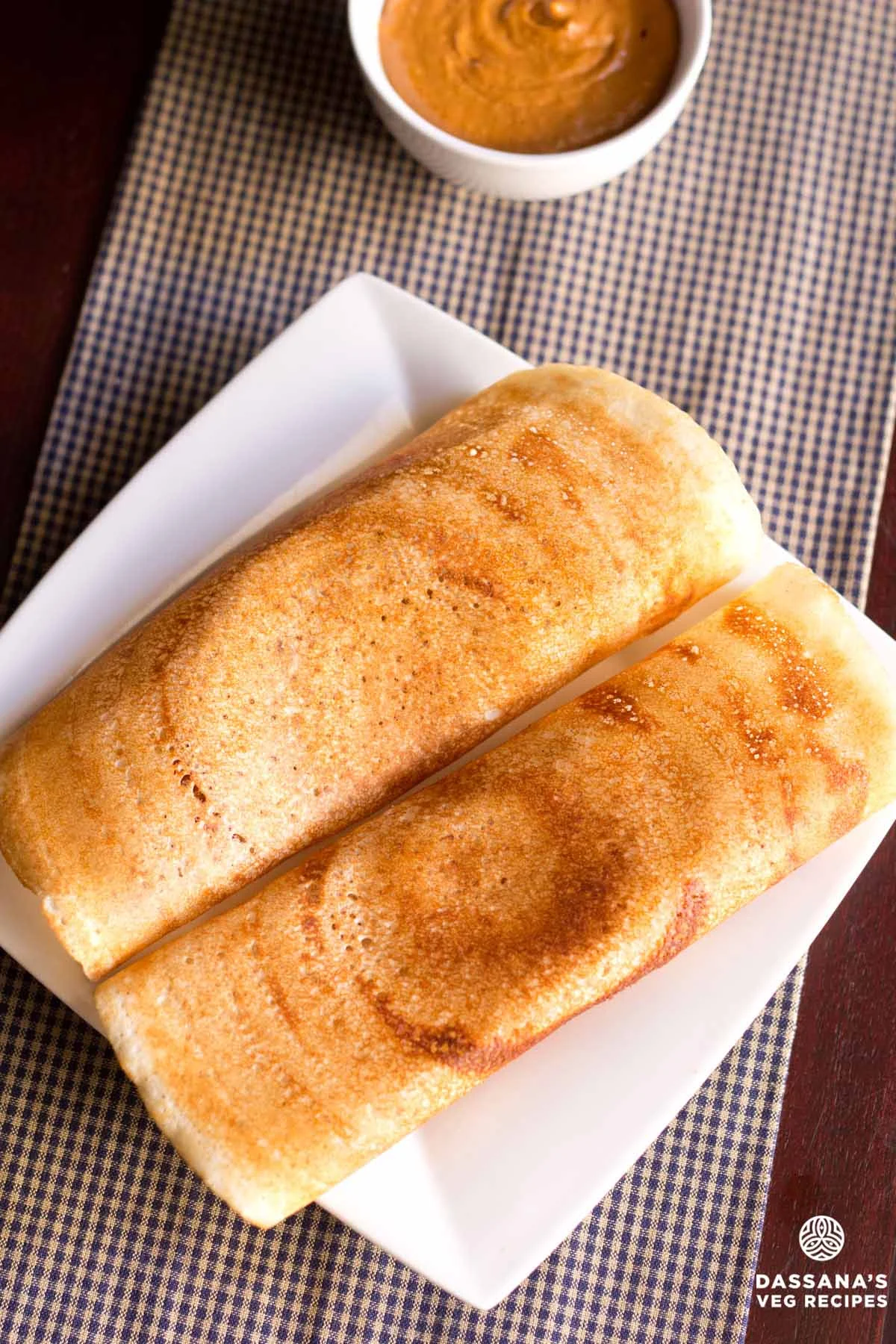
Main Facts: A Paradigm Shift in Breakfast Preparation
In the landscape of global gastronomy, few dishes command as much reverence and regional pride as the South Indian dosa. Traditionally, this fermented crepe requires a labor-intensive cycle of soaking, grinding, and tempering. However, a new culinary movement is gaining momentum, prioritized by accessibility and efficiency: the "No-Grind" Rice Dosa. This innovation, championed by culinary experts such as Chef Dassana Amit, utilizes pre-milled rice flour and urad dal flour to bypass the most time-consuming hurdles of the traditional recipe.
The core appeal of this modern iteration lies in its democratization of a complex cultural staple. By eliminating the need for heavy-duty wet grinders and hours of advance soaking, the rice dosa has transitioned from a weekend-only labor of love to a viable weekday breakfast for the global professional. Despite the change in methodology, the result remains a crisp, golden, and naturally gluten-free crepe that serves as a versatile canvas for a variety of traditional accompaniments, including coconut chutney, sambar, and spiced potato masala.

While traditionalists may argue that the depth of flavor in a stone-ground batter is unparalleled, the "no-grind" version offers a compelling trade-off. It provides a light, airy texture and a subtle fermented tang that satisfies the palate while respecting the constraints of modern urban living. As plant-based and gluten-free diets continue to dominate international health trends, this simplified rice dosa is positioned as a premier entry point for those seeking nutritious, allergen-friendly meal options.
Chronology: From Ancient Stone Grinders to Modern Flour Blends
The history of the dosa spans over a millennium, with early mentions in 6th-century Tamil literature. For centuries, the chronology of making a dosa remained virtually unchanged. The process began nearly 24 hours before consumption, involving the meticulous cleaning of parboiled rice and black gram (urad dal), followed by a six-hour soaking period. The most grueling stage was the grinding, traditionally performed on a aatukkal (stone mortar and pestle), which required significant physical stamina to achieve the desired silky consistency.

The late 20th century saw the introduction of the electric wet grinder, which reduced physical labor but still required the same rigid timeline. The "No-Grind" Rice Dosa represents the latest stage in this chronological evolution.
The Modern Preparation Timeline:
- Phase One: Assembly (5–10 Minutes): Unlike the traditional method, which requires overnight soaking of whole grains, the modern process begins with the immediate mixing of dry ingredients. Rice flour (1.25 to 1.5 cups) is combined with urad dal flour (0.75 cups) in a mixing bowl.
- Phase Two: Hydration and Homogenization: Water is integrated (approximately 2.5 cups) to create a medium-thick, flowing consistency. This stage eliminates the need for mechanical grinding, as the fine flours dissolve into a smooth batter with simple manual whisking.
- Phase Three: The Fermentation Window (9–10 Hours): The batter is left to rest at room temperature. While traditional batters may double in volume, this flour-based version undergoes a more subtle transformation, developing a light, airy texture and a characteristic fermented aroma.
- Phase Four: Final Tempering and Cooking: Salt is introduced only after fermentation to avoid inhibiting the microbial activity. The batter is then spread onto a hot cast-iron tawa (griddle) in circular motions, drizzled with oil, and cooked until golden brown.
This shift in the timeline effectively removes the "preparation gap," allowing home cooks to decide on a dosa breakfast the evening before without needing to have dry stores already soaking by mid-afternoon.

Supporting Data: Nutritional Integrity and Technical Specifications
To understand the viability of the rice flour dosa as a nutritional powerhouse, one must look at the data. Despite the simplified preparation, the dish retains a robust nutritional profile that aligns with modern dietary requirements.
Nutritional Breakdown (Per Serving)
A standard serving of this rice dosa yields approximately 174 calories, making it a moderate-calorie breakfast option that provides sustained energy. The macronutrient distribution is as follows:

- Carbohydrates: 21g (primarily complex carbohydrates from rice flour).
- Protein: 7g (sourced from the urad dal flour).
- Fat: 7g (largely dependent on the oil used for frying).
- Fiber: 5g (essential for digestive health).
From a micronutrient perspective, the dish is surprisingly dense. It contains notable amounts of Iron (2mg) and Calcium (21mg), alongside trace amounts of Magnesium, Phosphorus, and Potassium. The fermentation process, even in this expedited flour-based version, enhances the bioavailability of these minerals and introduces probiotics that support gut health.
Technical Observations
Culinary science indicates that the ratio of rice to lentil flour is critical for the "lacy" texture of the dosa. A ratio of approximately 2:1 (rice flour to urad dal flour) ensures that the crepe is structural enough to be flipped but thin enough to achieve maximum crispness. Furthermore, the data suggests that in cooler climates, the addition of a single tablespoon of yogurt can act as a catalyst, ensuring the fermentation reaches the necessary acidity levels within the 10-hour window.

Official Responses: Expert Insights from the Culinary Field
Dassana Amit, a professionally trained vegetarian chef and graduate of Le Cordon Bleu’s plant-based patisserie program, has been a vocal advocate for the "no-grind" methodology. With over 16 years of experience in Indian and continental cooking, Amit emphasizes that culinary tradition must adapt to survive in a fast-paced world.
"The flavor is admittedly different from the classic version made with soaked and ground rice and lentils," Amit notes in her technical assessment. "Since the batter is prepared with flours, it does not develop the same deep fermented taste and aroma. Even so, the rice dosa turns out crisp, light, and delicious."

Amit’s approach is rooted in the philosophy that "honest, soulful cooking" should not be gated behind hours of manual labor. Her expert guidance suggests that the success of the no-grind dosa relies heavily on the quality of the flours used. She recommends using finely milled flours to avoid a "gritty" texture and highlights the importance of the cooking surface. "A cast-iron tawa is superior for heat retention, which is what gives the dosa its iconic golden-brown hue," she explains.
Other culinary experts have echoed these sentiments, noting that the flour-based method is an excellent "bridge recipe" for the Indian diaspora and international enthusiasts who may not own the specialized equipment required for traditional South Indian cuisine.

Implications: The Future of Global South Indian Cuisine
The emergence and popularity of the "No-Grind" Rice Dosa have several long-term implications for the food industry and cultural preservation.
1. Global Accessibility and the Diaspora
As the South Indian diaspora grows, the demand for "comfort food" increases. However, many living in urban apartments in London, New York, or Singapore lack the space or the specific electrical transformers needed for high-powered Indian wet grinders. The no-grind dosa allows for the continuation of cultural food habits without the need for specialized hardware, ensuring that traditional flavors are passed down to younger generations.

2. The Rise of "Clean Label" Convenience
This recipe sits at the intersection of the "DIY" movement and the "Convenience" movement. While pre-packaged, fermented batters are available in many grocery stores, they often contain preservatives to extend shelf life. The no-grind flour method allows consumers to control their ingredients—ensuring a "clean label" meal—while still enjoying the speed of a semi-prepared product.
3. Dietary Inclusion
As the world moves toward more plant-based and gluten-free diets, the rice dosa serves as a naturally occurring solution. Unlike Western gluten-free breads that often rely on gums and thickeners, the rice dosa uses the natural synergy of rice and lentils. The simplification of the recipe makes it more likely that non-Indian restaurants and cafes will adopt the dosa as a gluten-free alternative to wraps or pancakes.

4. Culinary Innovation
The success of the flour-based dosa is paving the way for other "instant" variations. We are already seeing the rise of Ragi (Finger Millet) dosa, Oats dosa, and Jowar (Sorghum) dosa using similar flour-based techniques. This suggests a future where the "Dosa" category becomes a broad family of fermented crepes made from various ancient grains, all prepared with minimal friction.
In conclusion, the "No-Grind" Rice Dosa is more than just a "shortcut" recipe; it is a sophisticated adaptation of an ancient tradition for the modern age. By balancing the rigors of nutritional science with the realities of contemporary lifestyles, chefs like Dassana Amit are ensuring that the dosa remains a centerpiece of the global breakfast table for centuries to come.
