

New Delhi – July 8, 2026, 5:00 PM IST
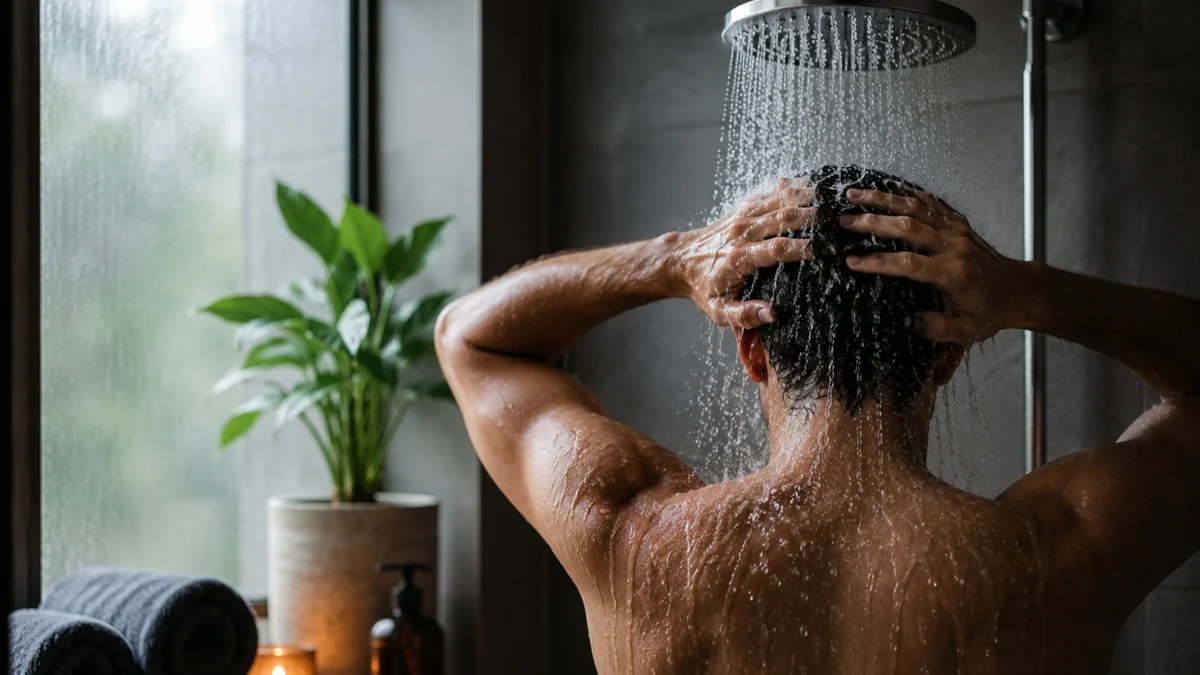
In an era increasingly captivated by wellness trends and biohacking techniques, entrepreneur Ankur Warikoo, 45, has publicly shared a four-year commitment to a practice many find daunting: daily cold showers. Warikoo’s adherence to this chilly ritual, despite admitting to a strong aversion to it, stems from a profound fascination with the biological phenomenon of "cold-shock proteins." His personal anecdote, shared on the social media platform X, has reignited interest in the potential health benefits, and inherent risks, associated with deliberately exposing the body to frigid temperatures.
Warikoo’s declaration, posted on June 29, 2026, reads: "It was 4 years back that I came across the concept of cold-shock proteins. I have been cold-water showering every morning ever since. It started because of my fascination with the concept. It continued because it’s the first hard thing I do every day that I nearly hate doing! Everything that comes after feels smaller." This simple yet powerful statement highlights not only his dedication but also the psychological aspect of tackling a daily challenge, suggesting that conquering the cold shower sets a precedent for facing other, potentially less arduous, daily tasks.
While Warikoo’s personal motivation is rooted in discipline and the intrigue surrounding cold-shock proteins, the popularity of cold showers has surged globally, often touted as a panacea for everything from boosting metabolism to enhancing mood. However, medical professionals caution against viewing such practices as standalone solutions, emphasizing the need for a balanced approach to health and well-being.
The Science of Cold-Shock Proteins: A Biological Response to Extreme Temperatures
At the core of Ankur Warikoo’s dedication lies the concept of "cold-shock proteins" (CSPs). Dr. Amit Saraf, Director of Internal Medicine at Jupiter Hospital, Thane, elaborates on this biological mechanism. "Cold-shock proteins are a group of intracellular proteins that are rapidly synthesized and upregulated in response to a sudden drop in temperature," Dr. Saraf explains. "Their primary role is to protect cells from the damaging effects of cold stress, facilitating various cellular processes that are compromised by low temperatures. This includes stabilizing RNA and DNA, aiding in protein folding, and regulating gene expression."
When the body is exposed to cold, particularly through practices like cold showering, it triggers a physiological cascade. This initial shock response involves a temporary increase in heart rate and blood pressure as the body attempts to conserve heat and maintain core temperature. Simultaneously, the body’s metabolic rate can increase to generate heat. The activation of CSPs is a more nuanced, longer-term adaptation that occurs at a cellular level to mitigate the stress of cold exposure.
Dr. Saraf notes that the popular perception of cold showers often conflates these immediate physiological responses with profound, long-term health benefits. "Being exposed to cold water can temporarily increase alertness, improve circulation, and create a feeling of freshness and mental energy," he states. "Some individuals also report a better mood and lower stress levels. These effects are likely due to the release of certain hormones and neurotransmitters, such as adrenaline and endorphins, in response to the cold. However, it’s crucial to understand that the scientific evidence supporting strong, long-term health benefits directly attributable to cold showers alone remains limited and requires further robust investigation."
The fascination with CSPs has indeed spurred considerable research, particularly in fields like cryobiology and cellular stress response. Studies have explored their role in protecting cells from various forms of damage, including oxidative stress and apoptosis (programmed cell death). While this research is fundamental to understanding cellular resilience, translating these findings into direct, clinical benefits for everyday practices like cold showering requires careful interpretation.
The Rise of the Cold Shower: A Trend Rooted in Anecdote and Emerging Research
The trend of cold showering is not new, with historical accounts and anecdotal evidence suggesting its use for centuries across various cultures for purported therapeutic and invigorating effects. However, its resurgence in the 21st century has been amplified by social media, celebrity endorsements, and a broader societal focus on optimizing physical and mental performance.
Warikoo’s personal narrative serves as a compelling example of how a novel concept can inspire consistent habit formation. His motivation is a blend of intellectual curiosity and the psychological reinforcement derived from completing a difficult task. "It continued because it’s the first hard thing I do every day that I nearly hate doing! Everything that comes after feels smaller," he articulated. This sentiment resonates with many who embrace cold showers as a form of mental discipline, believing that overcoming this daily challenge builds resilience and a sense of accomplishment that permeates the rest of their day.
The perceived benefits often cited by proponents include:

- Increased Alertness and Energy: The sudden immersion in cold water triggers a "gasp reflex" and an increased breathing rate, leading to a rush of oxygen and a surge in alertness.
- Improved Circulation: The body’s attempt to warm itself by constricting blood vessels in the extremities and dilating them in the core can, in theory, lead to improved circulation over time.
- Enhanced Mood and Reduced Stress: The release of endorphins and norepinephrine, neurotransmitters associated with mood elevation and stress reduction, is a commonly reported effect.
- Potential Boost to Metabolism: The body expends energy to generate heat, which can lead to a temporary increase in calorie burning. However, the long-term impact on weight management is debatable.
- Strengthened Immune System: Some studies suggest that regular exposure to cold can stimulate the production of white blood cells, potentially bolstering the immune system. However, this link is complex and requires more conclusive evidence.
Despite these widely discussed benefits, Dr. Saraf reiterates a cautious perspective. "Cold showers should be viewed as just one component of a holistic healthy lifestyle, not a standalone miracle cure," he advises. "While they might offer temporary boosts in energy and mood for some individuals, their role in addressing chronic health conditions or providing substantial long-term physiological changes needs to be substantiated by more rigorous scientific studies."
Cautionary Notes: Who Should Think Twice Before Taking the Plunge?
While Ankur Warikoo’s experience highlights the potential for personal growth through challenging routines, it is crucial to acknowledge that cold showering is not universally suitable. Dr. Saraf emphasizes that sudden exposure to extreme cold can pose significant risks for certain individuals.
"Sudden exposure to cold water can lead to a rapid and potentially dangerous increase in heart rate and blood pressure," Dr. Saraf warns. "This physiological stress can be problematic for individuals with pre-existing cardiovascular conditions. People with heart disease, uncontrolled high blood pressure, certain respiratory issues such as asthma, or those who are elderly and frail should be particularly careful and absolutely seek medical advice before making cold showers a regular practice."
The physiological response to cold varies significantly from person to person. Factors such as individual thermoregulation, overall health status, and acclimatization play a crucial role. For some, the shock can be overwhelming, leading to hyperventilation, dizziness, or even fainting. For others, particularly those with compromised respiratory function, the involuntary gasp reflex could exacerbate breathing difficulties.
The medical community generally advises a gradual approach for those interested in exploring cold exposure. This might involve starting with cooler water temperatures and gradually decreasing them over time, or incorporating shorter durations of cold exposure. Listening to one’s body and paying attention to any adverse reactions is paramount.
Implications for Wellness Trends and Individual Health Choices
Ankur Warikoo’s commitment to cold showers, driven by an interest in scientific concepts and personal discipline, underscores a broader trend of individuals actively seeking methods to optimize their well-being. However, his story also serves as a timely reminder about the importance of critical evaluation when adopting new health practices.
"The fact that someone has stuck to a habit for several years shows the value of discipline and routine in achieving personal goals," Dr. Saraf observes. "However, health practices shouldn’t be adopted solely because they are popularized by public figures or appear to be trending. The most effective and sustainable wellness habits are those that are safe, aligned with an individual’s specific health needs and preferences, and supported by a foundation of scientific evidence."
He further elaborates, "While cold showering might offer some perceived benefits for certain individuals, it is essential to place it within the context of established, evidence-based pillars of health. Regular exercise, adequate and quality sleep, a balanced and nutritious diet, and effective stress management techniques have a much stronger and more comprehensive scientific backing for promoting long-term physical and mental health than any single, isolated trend like cold showering."
The proliferation of wellness fads, often amplified by social media, necessitates a discerning approach. While personal experimentation can be valuable, it should be guided by professional medical advice, especially when dealing with practices that involve significant physiological stress. The allure of a quick fix or a novel biohacking technique should not overshadow the fundamental principles of a healthy lifestyle.
In conclusion, Ankur Warikoo’s dedication to cold showers, sparked by the intriguing science of cold-shock proteins, highlights a growing interest in pushing personal boundaries for perceived well-being. While the immediate effects of cold exposure can be invigorating, the scientific community urges a balanced perspective, emphasizing that robust, long-term health is best achieved through a consistent commitment to established, evidence-based lifestyle choices, always in consultation with healthcare professionals. The journey of a thousand miles, or a thousand cold showers, begins with a single, informed step.
Disclaimer: This article is based on information from the public domain and expert insights. It is imperative to consult with a qualified health practitioner before commencing any new health routine, including cold showering, to ensure it is safe and appropriate for your individual circumstances.
