

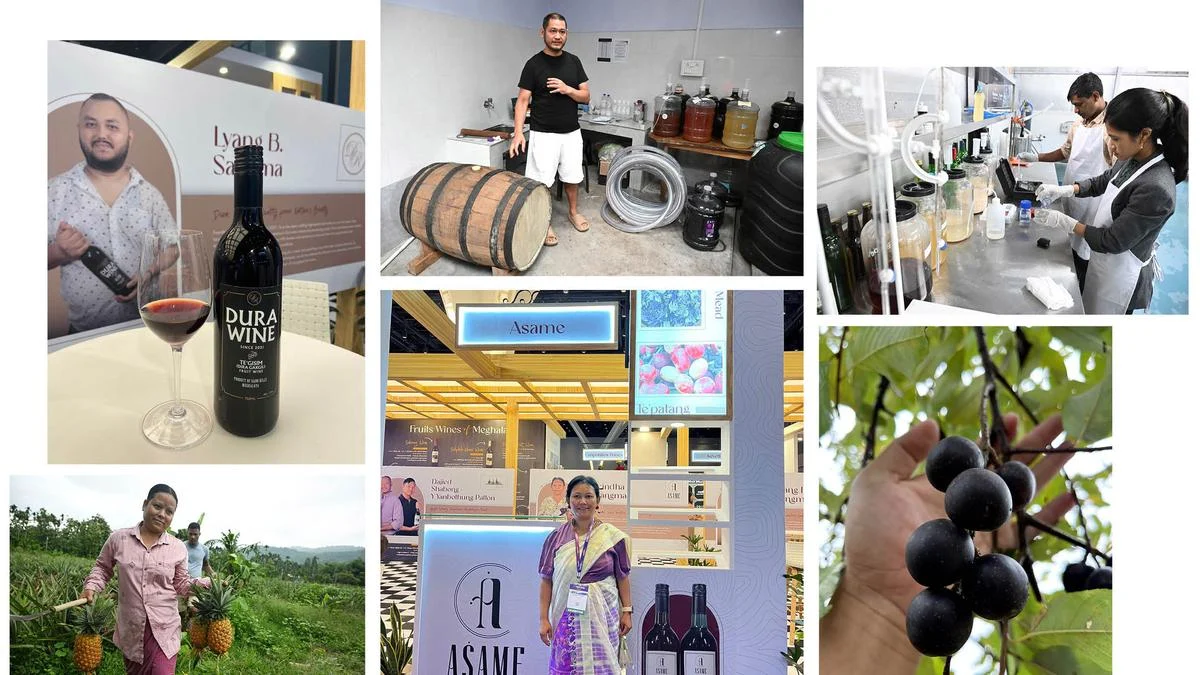
SHILLONG, MEGHALAYA — In the mist-shrouded hills of Northeast India, a quiet but potent revolution is brewing. It is a movement defined not by the traditional grapevines of Bordeaux or Napa Valley, but by the wild, indigenous bounty of the Himalayan foothills. From the "fruit with a dot in its name" to the vibrant blue elixirs of the butterfly pea flower, Meghalaya is positioning itself as the fruit wine capital of India, turning ancient forest foraging into a sophisticated, multi-million-rupee commercial industry.
Main Facts: A New Frontier in Viticulture
The state of Meghalaya has recently emerged as a significant player in the non-grape wine sector. Central to this growth is te.gism, also known as the Himalayan cherry (Prunus jenkinsii). Once a wild fruit known only to the indigenous Garo community and a few botanists, it has now become the flagship of a burgeoning industry.
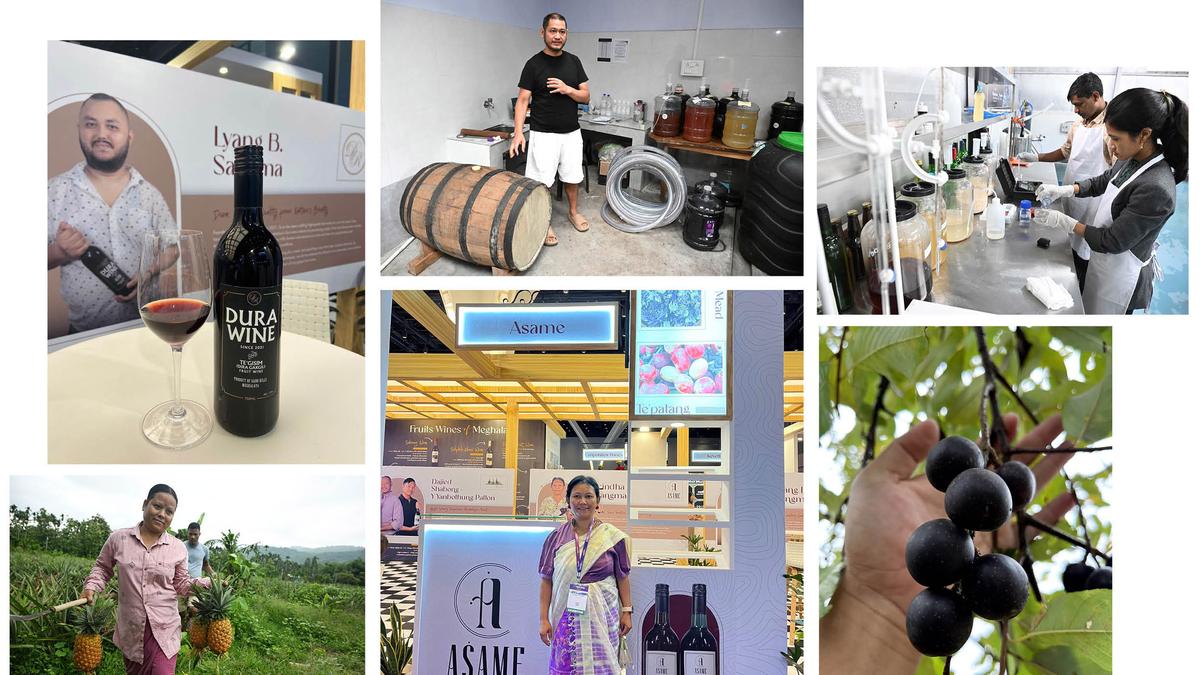
Today, Meghalaya boasts 17 licensed commercial fruit winemakers who have transitioned from traditional home-brewing to scientific, large-scale production. These entrepreneurs are supported by the Meghalaya Farmers Empowerment Commission (MFEC), an entity unique in India, designed specifically to bridge the gap between rural farmers and global markets.
The industry is characterized by its diversity. Unlike the global wine market, which is dominated by a few grape varieties, Meghalaya’s winemakers utilize a staggering array of seasonal fruits:

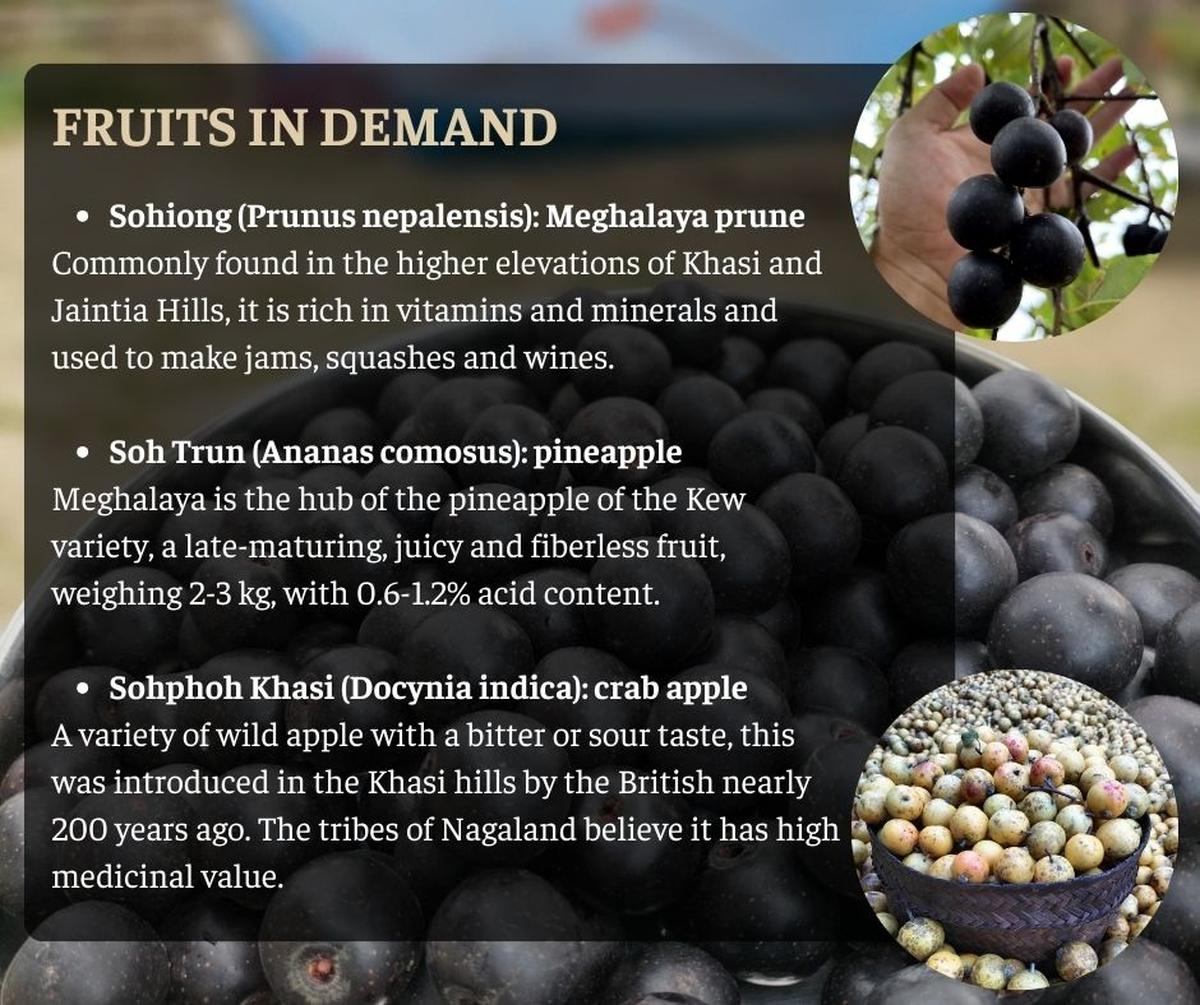
- Sohiong: The Meghalaya prune (Prunus nepalensis), rich in vitamins and deep purple in color.
- Te.patang: The blood fruit (Haematocarpus validus), known for its sweet and sour profile.
- Sohphie: The box myrtle or bayberry, offering sweet, aromatic notes.
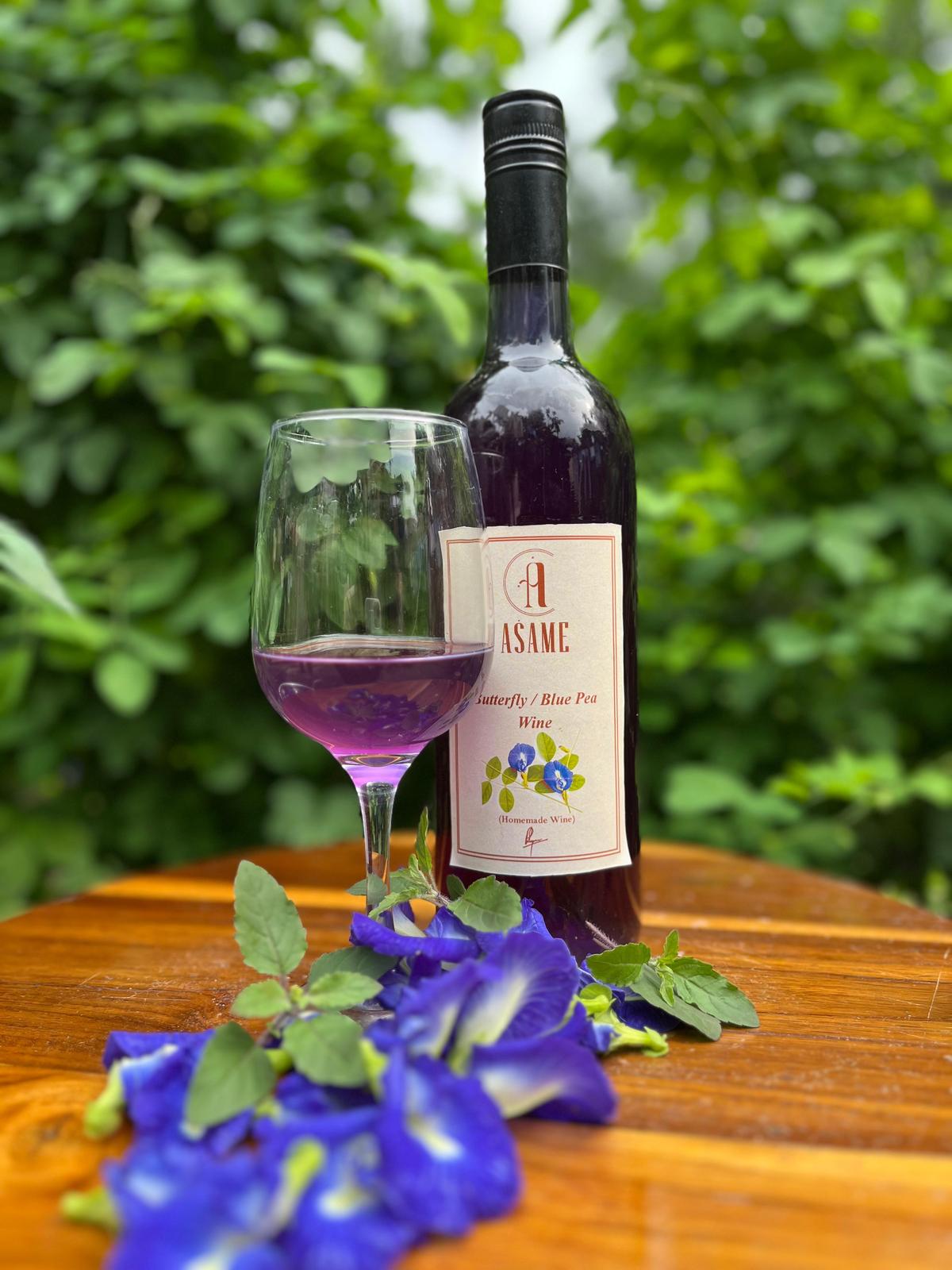
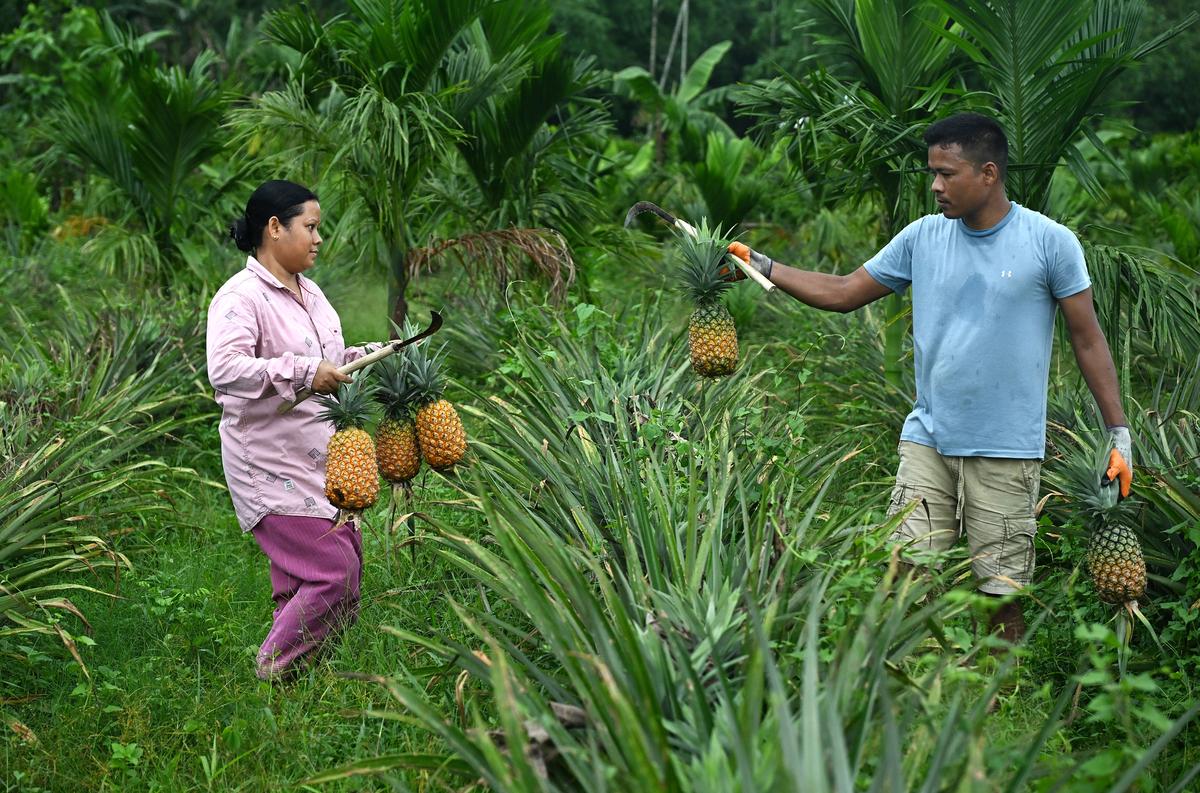
- Exotics: Jackfruit (noted for its pungent, acquired taste), pineapple, strawberry, and even the butterfly pea flower, which produces a striking blue wine.
Chronology: From Sacred Groves to Global Expos
The journey of Meghalaya’s wine industry is a century-long narrative of tradition, decline, and modern resurgence.
The Colonial Foundation (1947–1980s)
The roots of commercial winemaking in the state can be traced back to Captain Harold Douglas Hunt, a British army officer often referred to as the "father of wine in Meghalaya." Following India’s independence in 1947, Hunt settled in the village of Mawphlang. He obtained a license to produce "Mawphlang Cherry Wine" and brandy, utilizing the sohiong fruit gathered from the forests surrounding the village’s famous sacred groves. For decades, Hunt’s winery was a household name, creating an ecosystem of local foragers and producers that lasted until his death in the 1980s.

The Spark of Resurgence (2004–2019)
After the closure of Hunt’s winery, winemaking retreated into the private kitchens of local families. The turning point came in 2004 when Michael Syiem of the "Forever Young Club" organized Shillong’s first wine festival. This annual event challenged the social stigma surrounding local "brews" and introduced millennials to exotic fruit wines as a sophisticated alternative to expensive imported grape wines.
In 2019, the state government took a decisive step by establishing the Meghalaya Farmers Empowerment Commission (MFEC). This body was tasked with formulating policies that would transform fruit winemaking from a hobby into a viable value-chain industry.

The Legislative Breakthrough and Commercial Boom (2020–Present)
In September 2020, the Meghalaya government amended the Meghalaya Excise Rules (originally the Assam Excise Rules of 1945). This landmark decision legalized home-made wines and created a streamlined licensing process for commercial production.
By 2021, entrepreneurs like Lyang B. Sangma (Dura Wines) and Keenan Marak (7 United) began launching commercial products. In September 2024, the industry reached a milestone when the MFEC showcased six exotic fruit wines and meads at Vinexpo India in Mumbai, receiving international acclaim from connoisseurs who praised the "possibilities" of these unique Himalayan flavors.
Supporting Data: The Economics of the Bottle
The transition from forest floor to retail shelf is backed by significant financial and infrastructure investment.
- Infrastructure Investment: The average cost to establish a winery with a 5,000-liter capacity is approximately ₹50 lakh (excluding land and buildings). To assist this transition, the North East Centre for Technology Application and Reach (NECTAR) has provided machinery grants, such as the ₹25 lakh awarded to Lyang B. Sangma’s facility.
- Tax Incentives: To foster growth, the Meghalaya government has implemented a highly competitive tax regime. While other Indian states impose VAT ranging from 4% to 53% on alcohol, Meghalaya imposes zero VAT on fruit wines. The only levies are a nominal ad valorem fee of ₹100 per case (12 bottles) and a retailer lifting fee of ₹10 per case.
- Employment and Scale: Approximately 400 families are currently employed—directly or indirectly—by the 17 licensed wineries. The industry is the second largest of its kind in India, trailing only Himachal Pradesh, which has 22 licensed fruit wineries.
- Retail Pricing: The average consumer price for a 750 ml bottle of Meghalaya fruit wine is ₹600, making it a competitive mid-range option for tourists and locals alike.
Official Responses: Science Over "Art"
Government officials and industry experts emphasize that the success of the industry lies in moving away from haphazard traditional methods toward scientific precision.
B.K. Sohliya, Chairman of the MFEC, highlights the importance of training. "Winemaking is an art that is mostly science," Sohliya states. To ensure quality, the MFEC established the North East Fruit Wine Incubation Centre in 2023 at the Institute of Hotel Management (IHM) in Shillong. The facility has already trained 137 people in the "90-day cycle" of commercial production—from fruit selection to bottling.
The government has also roped in Priyanka Save of Himachal Nectars as an official training partner. This collaboration ensures that Meghalaya’s winemakers meet national standards for alcohol by volume (ABV), typically stabilized at 10%, and achieve a better balance of residual sugar and acidity.
Professional wine and spirit taster Rajesh Swarnakar notes the rapid improvement: "Currently, Meghalaya’s fruit wines have some distance to catch up with Himachal Pradesh’s apple-based industry, but the quality has improved markedly in texture and taste. More tourists are now seeking these out on the shelves of liquor outlets."
Implications: Environmental and Social Impact
The rise of the fruit wine industry carries profound implications for Meghalaya’s agricultural landscape and cultural preservation.
1. Combating Farm Waste
One of the most significant impacts is the drastic reduction in post-harvest losses. Due to the state’s difficult terrain and lack of cold storage, nearly 40% of fruits and vegetables in Meghalaya traditionally went to waste. Winemaking has provided a solution; winemakers now book entire farms or specific trees a year in advance. A single tonne of fruit is required to produce just 200 liters of wine, creating a massive demand for surplus produce.
2. Triple-Digit Income Growth for Farmers
The economic benefits for rural farmers are transformative. According to MFEC data:

- A farmer who previously earned ₹3,000 per sohiong tree now earns ₹15,000 per season.
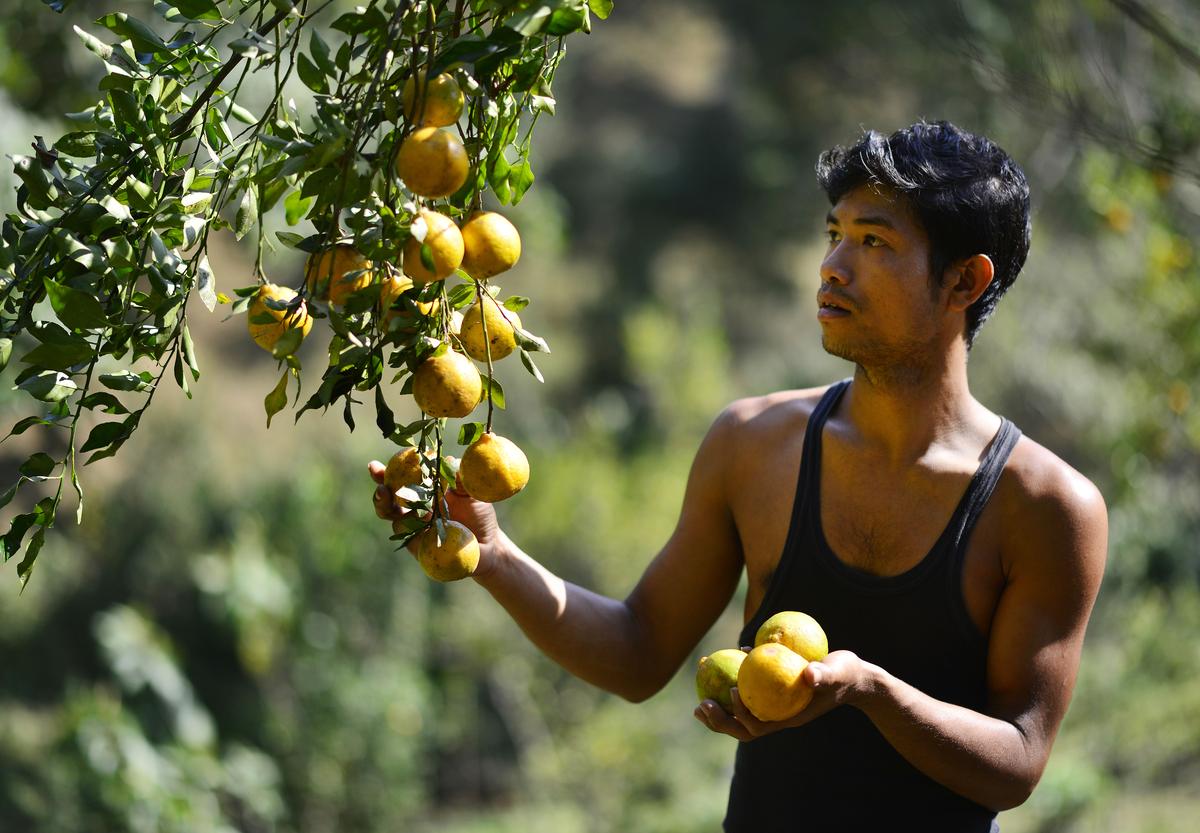
- Farmers growing kiwi, plum, peach, and orange have seen seasonal incomes jump from ₹30,000 to over ₹3 lakh.
This has incentivized a shift from opportunistic forest gathering to systematic organic farming.
3. Cultural Continuity
The industry is also reviving historical legacies. Andrew Nongdhar, the grandson of Captain Hunt, is currently overhauling his grandfather’s original cottage in Mawphlang to restart production. "Failing to capitalize on this trend would have been an injustice to the man who started it all," Nongdhar says, highlighting how the industry is bridging the gap between colonial history and modern indigenous entrepreneurship.
4. Sustainable Tourism
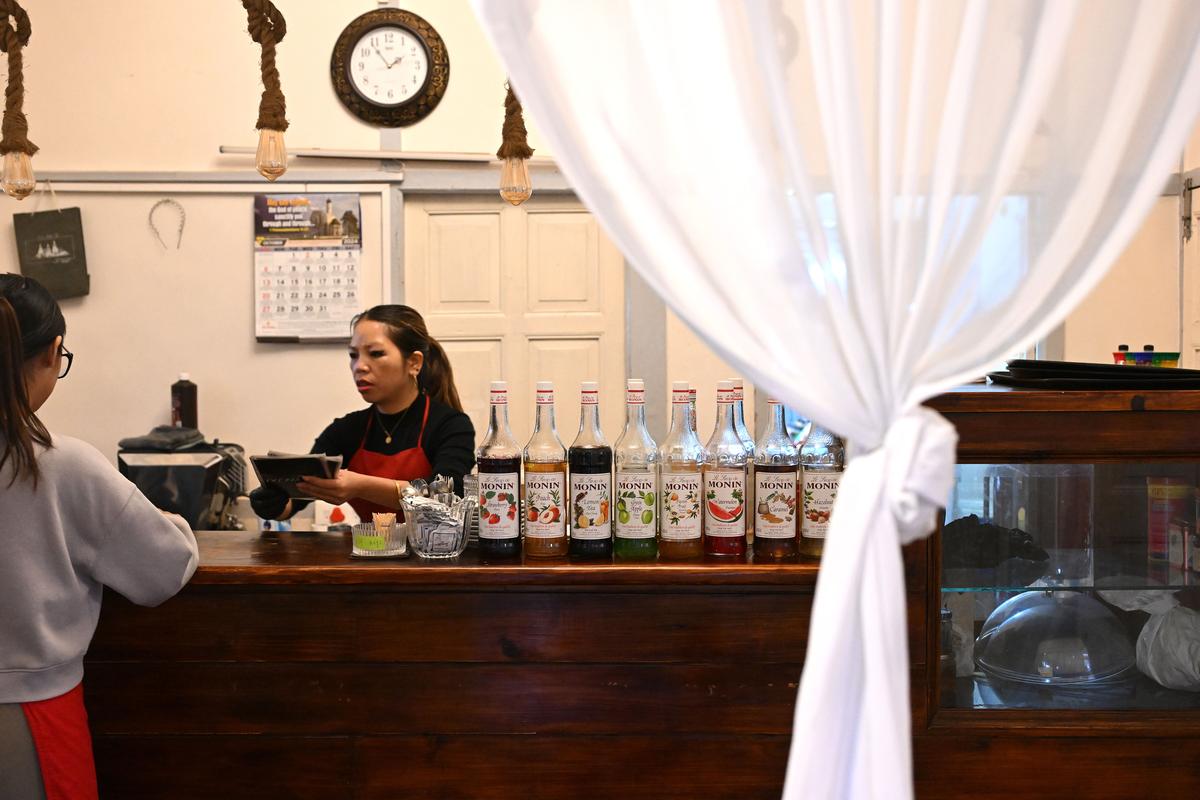
As Meghalaya continues to promote "Beyond the Grape" initiatives, fruit wine is becoming a pillar of the state’s tourism strategy. Much like the wine trails of Europe, the wineries of Tura and Shillong are becoming destinations for travelers seeking "authentic" and "hyper-local" experiences.
Conclusion
Meghalaya’s fruit wine industry represents a rare success story where government policy, ancestral knowledge, and entrepreneurial grit converge. By turning "waste" into a premium product and wild jungles into sustainable orchards, the state is doing more than just filling bottles—it is creating a resilient economic model for the entire Northeast region. As Dajied Shabong, founder of Kynjai Wine, puts it: "Things are moving fast in Meghalaya. Our wines are on par with those produced elsewhere in the world, and they are rewarding for the soul."
