

In the high-stakes arena of the Indian automotive market, few names have managed to pivot as successfully as the Tata Tiago. Originally launched to redefine Tata Motors’ image in the passenger vehicle segment, the Tiago has transitioned from a plucky underdog to a sophisticated market leader. The latest iteration of the Tiago range—encompassing Petrol, iCNG, and the trailblazing Tiago.ev—represents more than just a seasonal update; it is a calculated move to "premiumize" the entry-level segment.
This report delves into the intricate details of the new Tiago range, analyzing how Tata Motors has successfully blended mature design, segment-first technology, and a multi-powertrain strategy to challenge the traditional dominance of its rivals.
1. Main Facts: The Multi-Powertrain Powerhouse
The new Tata Tiago range is defined by its "one car, three personalities" philosophy. While many manufacturers are retreating from the small car segment or limiting choices to a single fuel type, Tata has doubled down on diversity.
The Core Pillars of the New Range:
- Aesthetic Refinement: The introduction of Lux Beam LED headlamps and the "Halo" connected Lightbar tail lamps brings the Tiago’s visual language in line with its more expensive siblings, the Nexon and Harrier.
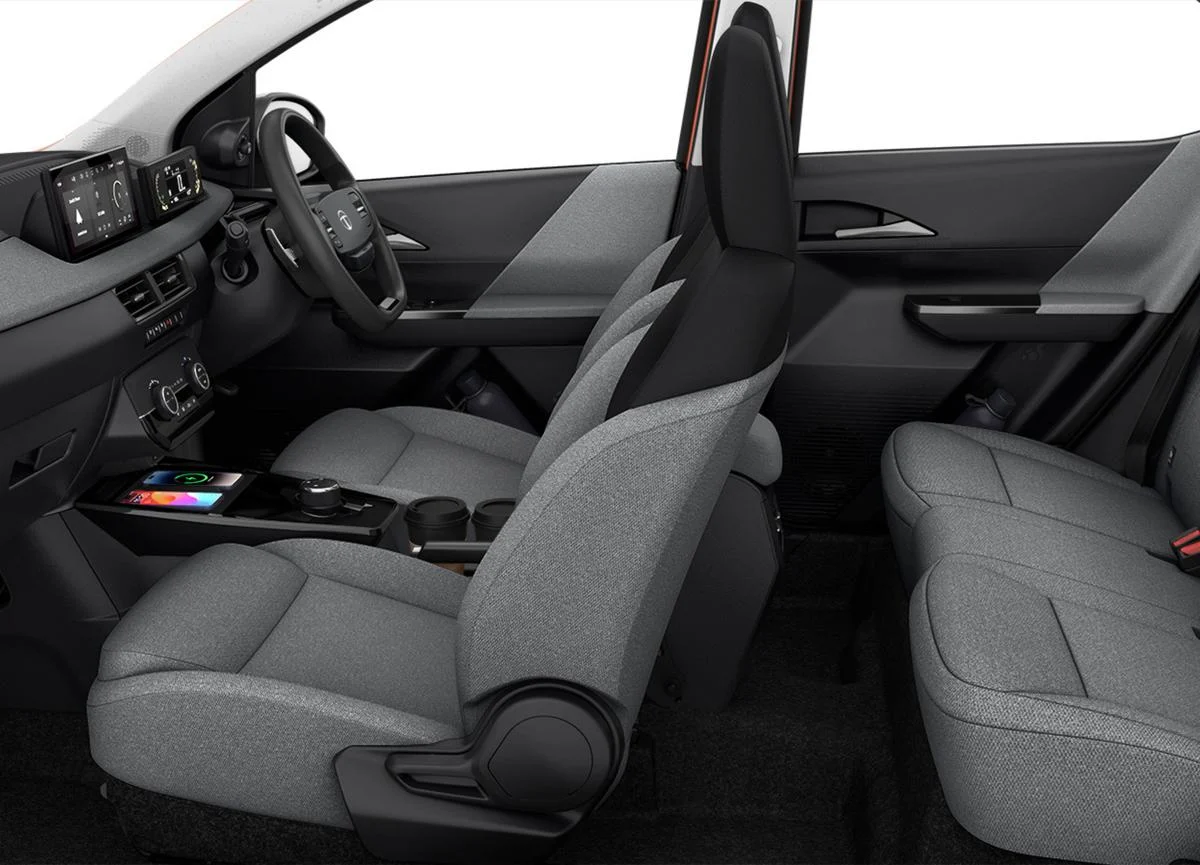
- Interior Revolution: Moving away from the hard plastics and utilitarian layouts of the past, the new "Fabricia Luxe" dashboard and a 26.03 cm (10.25-inch) HD infotainment system set a new benchmark for cabin quality in the sub-10 lakh category.
- Safety Dominance: Tata continues to leverage safety as a USP, making six airbags standard across the range—a move that significantly pressures competitors to follow suit.
- The EV Edge: The Tiago.ev remains the most accessible high-quality electric vehicle in India, offering two battery pack options (19.2kWh and 24kWh) and real-world ranges that make urban EV adoption feasible for the masses.
- CNG Innovation: The patented twin-cylinder technology addresses the primary grievance of CNG owners—the lack of luggage space—by tucking the tanks beneath the boot floor.
2. Chronology: From ‘Zica’ to Market Leader
The journey of the Tiago is a masterclass in brand resilience and engineering evolution.
- 2016: The Genesis: Launched after a last-minute rebranding from "Zica," the Tiago introduced the ‘Impact’ design language. It was Tata’s first serious attempt to shed its "taxi-only" image and appeal to young, private buyers.
- 2020: The Facelift and BS6 Transition: As India moved to stricter emission norms, the Tiago received its first major facelift, adopting a sharper "Altroz-inspired" front fascia and earning a 4-star GNCAP safety rating, which became the cornerstone of its marketing.
- 2022: The iCNG Revolution: Tata introduced the iCNG variant, but more importantly, they launched it with high-end features (like a sunroof and automatic climate control) that were previously unheard of in CNG cars.
- 2023: The Electric Leap: The Tiago.ev was launched, democratizing electric mobility. It became the fastest-selling EV in India, clocking over 10,000 bookings in a single day.
- 2024-2025: The Premium Pivot: The current update focuses on "Digitalization and Luxury," introducing the Digital Island Cluster, 360-degree cameras, and standardizing six airbags to align with evolving Indian safety regulations and consumer expectations.
3. Supporting Data: Technical Analysis and Performance
The strength of the Tiago lies in its mechanical diversity. Below is a detailed breakdown of how each powertrain performs under real-world conditions.

A. The 1.2L Revotron Petrol: The Urban Workhorse
The 1.2-litre, three-cylinder engine remains the backbone of the range.
- Output: 86PS of power and 113Nm of torque.
- Driving Dynamics: In city environments like Bengaluru or Delhi, the engine is tuned for low-end tractability. The throttle response is linear, and the light clutch makes stop-and-go traffic manageable.
- Refinement: While three-cylinder engines are inherently prone to vibrations, Tata has improved the engine mounts and insulation (NVH levels) in this latest update, making the cabin noticeably quieter at idle.
B. The iCNG: Practicality Without Compromise
Tata’s "Twin Cylinder" technology is the star here. By using two 30-litre (water capacity) cylinders instead of one bulky 60-litre tank, the car retains a usable 205 litres of boot space.
- Performance: 75.5PS and 96.5Nm in CNG mode.
- Key Innovation: The "Direct Start in CNG" feature allows the car to start directly on gas, a convenience that eliminates the need to switch from petrol manually. The availability of an AMT (Automated Manual Transmission) in CNG is a segment-first, catering to the demand for fuel efficiency paired with ease of driving.
C. The Tiago.ev: The Performance Dark Horse
The EV variant offers a level of refinement that its internal combustion engine (ICE) siblings cannot match.
- Acceleration: The 24kWh version hits 0-60 km/h in 5.7 seconds, providing the "instant torque" feel that makes merging into highway traffic effortless.
- Range and Charging:
- 24kWh Pack: Real-world range of 205-215 km (MIDC 315 km).
- 19.2kWh Pack: Real-world range of 160-170 km (MIDC 250 km).
- Fast Charging: Using a DC fast charger, the car can recoup 100 km of range in approximately 18 minutes, making it viable for occasional inter-city trips.
D. Safety and Chassis Data
The Tiago’s ride quality remains a benchmark. Its suspension setup is tuned specifically for the "broken" nature of Indian roads. The car utilizes high-strength steel in its construction, contributing to a planted feel even at speeds of 100-110 km/h.
- Standard Safety Suite: 6 Airbags, ABS with EBD, Corner Stability Control, and ISOFIX.
- Advanced Tech: The 360-degree HD Surround View Camera and Blind View Monitor are high-definition systems that significantly reduce the stress of parking in tight urban spots.
4. Official Responses and Strategic Vision
While specific executive quotes are often reserved for launch events, Tata Motors’ strategic direction is evident in the Tiago’s packaging. The company’s "New Forever" philosophy dictates that products must be updated frequently with "tech-forward" features to prevent them from becoming stagnant.

Market Positioning:
Tata Motors has positioned the Tiago to bridge the gap between the entry-level "A-segment" and the premium "B-segment." By offering features like the Digital Island Cluster and iRA.ev connected car tech, they are targeting the "aspirational Indian"—buyers who may have a budget for a small car but refuse to compromise on the digital experience.
The EV Transition:
Officials have frequently noted that the Tiago.ev serves as the "gateway" for first-time EV buyers. By keeping the design familiar and the controls intuitive, Tata has lowered the psychological barrier to switching from petrol to electric. The IP67 rating for the battery and motor serves as an official guarantee of the car’s resilience against Indian monsoons and floods.
5. Implications: Redefining the Segment
The enrichment of the Tiago range has several long-term implications for the Indian automotive landscape.
1. The End of the "Basic" Small Car
The inclusion of a 360-degree camera and six airbags in a hatchback suggests that the era of the "stripped-down" budget car is ending. Consumers now demand safety and connectivity regardless of the vehicle’s price point. This shift will likely force competitors like Maruti Suzuki and Hyundai to upgrade their entry-level offerings or risk losing market share to Tata’s more robustly equipped models.
2. Accelerated EV Adoption
By providing a "no-compromise" electric hatchback, Tata is building a proprietary ecosystem. As more Tiago.evs hit the road, the demand for charging infrastructure increases, which in turn benefits the entire EV industry. The Tiago.ev is essentially the "proof of concept" that electric cars can work in India.

3. CNG as a Premium Alternative
Previously, CNG was seen as a choice for commercial use or extreme budget-conscious buyers. Tata’s decision to offer high-end trims and AMTs in CNG has rebranded the fuel as a "smart" choice for the modern professional, blending low running costs with a premium lifestyle.
4. Resale and Longevity
With its 4-star safety pedigree and modern tech suite, the Tiago is likely to command better resale value than its predecessors. The "mature" design ensures that the car will not look dated even five years into the ownership cycle.
Final Verdict
The new Tata Tiago range is a testament to the fact that small cars no longer need to feel "small" or "cheap." Whether it is the eager performance of the petrol, the ingenious packaging of the iCNG, or the silent, futuristic surge of the Tiago.ev, the range offers a solution for every type of urban commuter.
By prioritizing safety, ride quality, and high-end digital interfaces, Tata has created a product that doesn’t just compete on price, but on the merit of its experience. In a market that is increasingly leaning towards SUVs, the Tiago makes a compelling case that the humble hatchback, when executed with maturity and vision, is still very much the heartbeat of the Indian road.
Price Range: INR 4.69 lakh – 8.55 lakh (Ex-showroom, indicative).

This analysis was produced in association with Motorscribes and The Hindu, focusing on the latest trends in the Indian automotive sector.
