


The landscape of weight management and diabetes care in India is undergoing a profound transformation, largely driven by the burgeoning popularity and efficacy of Glucagon-like Peptide-1 (GLP-1) receptor agonists. These groundbreaking drugs, initially developed for type-2 diabetes, have demonstrated remarkable success in promoting significant weight loss, capturing the attention of millions globally and sparking a revolution in how metabolic health is approached. However, as India grapples with its unique challenges of "thin-fat" individuals, genetic predispositions, and a complex interplay of malnutrition and obesity, the GLP-1 revolution is met with a blend of cautious optimism, rigorous scientific inquiry, and growing regulatory oversight.
The Dawn of a New Era: Personal Transformations and Global Projections
Mukta Dhond, a 49-year-old television producer from Mumbai, embodies the profound personal impact of these new medications. Her monthly ritual of taking 20 pairs of jeans for size alterations is a testament to her transformative journey. For years, Dhond battled obesity, a struggle that reached a critical juncture during a vacation in Scotland with her young son. The physical exertion of a steep climb left her breathless, a stark reminder of her pre-diabetic status and the urgent need for change. "He would run up the hills and I would be far behind. I realised it was time to change things," she recounts.
Starting her GLP-1 journey with Ozempic in March 2025, Dhond’s weight has plummeted from 117 kg to 95 kg. She describes this transformation as a feeling of reinvention and liberation, a true "game-changer." Her experience is not an anomaly. A UBS Investment Bank report forecasts that by 2029, the global user base for GLP-1 drugs will reach approximately 40 million. This surge is fueled by the drugs’ ability to address not only excess weight but also the insidious metabolic parameters like insulin resistance and the associated erosion of self-esteem that often accompany obesity.

Dr. Alexandra Sowa, a New York-based expert in internal medicine and obesity, author of "The Ozempic Revolution," identifies individuals like Dhond as ideal candidates for GLP-1 therapy. She emphasizes that true success hinges on more than just the medication, writing, "You need to know how to thrive. How to eat, think, live and most importantly, how to change your relationship with food."
The Science Behind the "Magic Pill": How GLP-1s Reshape Metabolism
At its core, the efficacy of GLP-1 receptor agonists lies in their ability to mimic a natural hormone produced in the gut. Glucagon-like Peptide-1 (GLP-1) plays a crucial role in regulating blood sugar levels by stimulating insulin release, reducing glucagon secretion, and, significantly, promoting a profound sense of satiety or fullness. When administered as agonists, these drugs amplify these natural processes, leading to a substantial reduction in appetite and, consequently, calorie intake.
This mechanism has earned them the moniker of "magic pills" by some, primarily due to their ability to silence what is now being termed "food noise"—the incessant mental chatter about hunger and eating that plagues individuals struggling with obesity and type-2 diabetes. In India, where the struggle with food can be compounded by issues of access and affordability, this silencing of "food noise" presents a unique paradox. The nation faces a dual burden: an estimated 172 million Indians are undernourished, according to the 2025 State of Food Security and Nutrition in the World (SOFI) report, while simultaneously, the National Family Health Survey-5 (NFHS-5, 2019-21) data reveals that approximately 24% of women and 23% of men are overweight or obese.

A Glimpse into the Indian Experience: Successes, Challenges, and Costs
The GLP-1 revolution has firmly taken root in India, with its market estimated at around ₹100 crore, a figure poised for significant growth. The recent expiry of patents for widely used GLP-1 drugs, such as Semaglutide (the active ingredient in Ozempic and Wegovy), has triggered a surge in generic alternatives, making these medications more accessible, though still a significant investment for many.
Mukta Dhond’s journey exemplifies the comprehensive approach often required for optimal results. Beyond her medication, her fitness regimen includes swimming, thrice-weekly strength training, short walks after meals, monthly blood work, and bi-monthly endocrinologist follow-ups. This dedication comes at a monthly cost of up to ₹20,000. While the cost of GLP-1 injections ranges from ₹8,000 to ₹10,000, generic versions, now available with a prescription, are priced between ₹3,500 and ₹4,500.
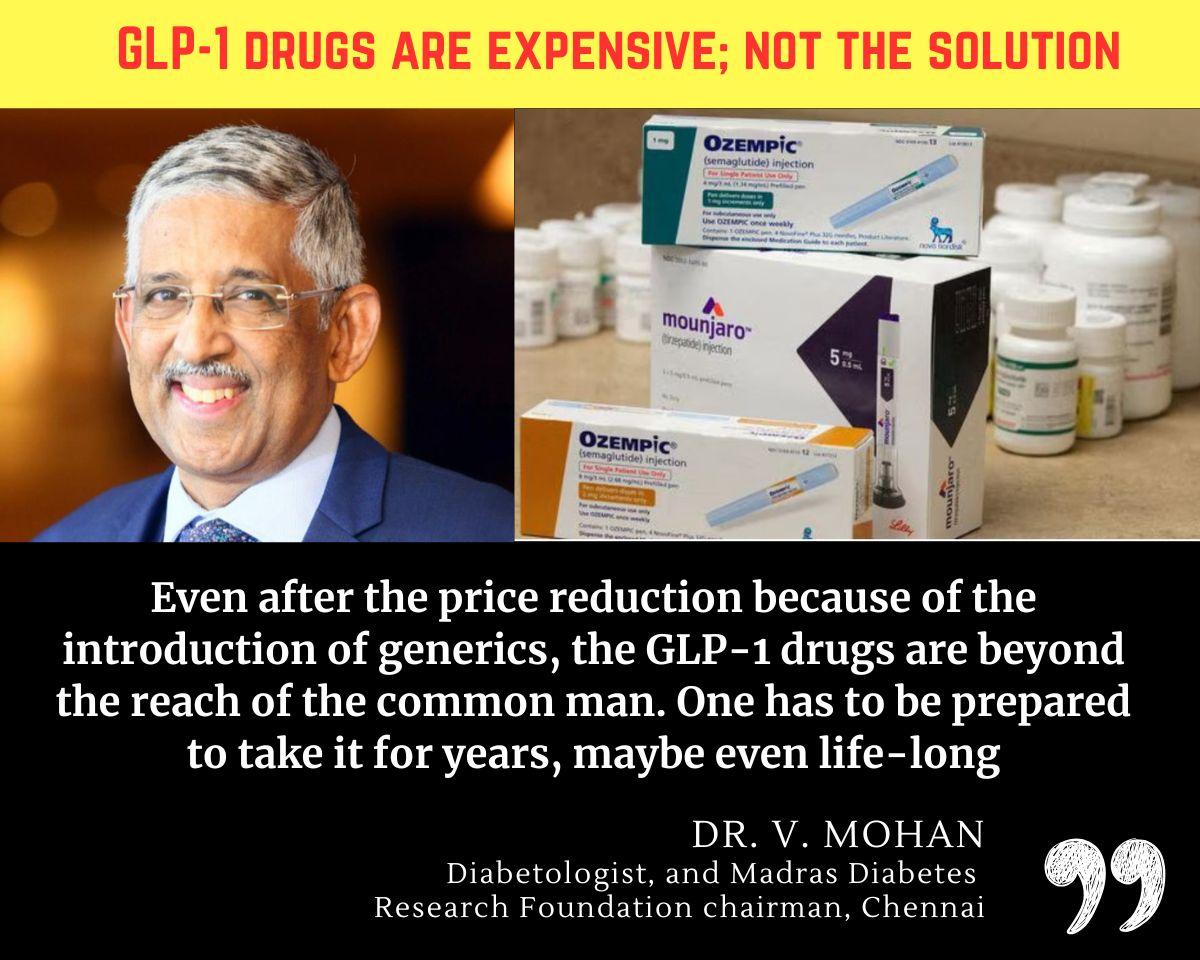
Dr. V. Mohan, a Chennai-based diabetologist and Chairman of the Madras Diabetes Research Foundation, acknowledges the impact of generics but highlights the persistent affordability challenge. "Even after the price reduction because of the introduction of generics, they are beyond the reach of the common man," he states.

Dhond’s prescription was later switched to Mounjaro, another potent GLP-1 based drug, which further accelerated her weight loss. Her Body Mass Index (BMI), initially at a concerning 45 (well above the normal range of up to 23), has seen dramatic improvement. While chronic pains vanished and her blood parameters normalized, the journey was not without its hurdles. Dhond experienced a drop in thyroid levels and significant muscle loss and sagging. However, through a sustained fitness and diet protocol—a non-vegetarian diet rich in lean proteins, healthy fats like olive oil and avocado, and minimal carbohydrates—she managed to restore her thyroid levels and muscle health.
This experience underscores a critical concern: GLP-1s can potentially lead to excessive muscle loss, exacerbating India’s existing protein deficiency crisis. Doctors are now increasingly emphasizing the importance of integrating specific protein portions into every small meal throughout the day, catering to individual dietary needs, whether vegetarian or non-vegetarian.
Bollywood filmmaker Hansal Mehta’s journey mirrors Dhond’s in many aspects. Three years ago, weighing 105 kg, he had tried various diets and exercise regimes without success. After eight months on Mounjaro, combined with strength training, cardio, intermittent fasting, and supplements, he now weighs 73 kg. "My actual age is 57, but based on all health parameters, my metabolic age is 43," he proudly states. His long-standing high blood pressure has stabilized. Mehta emphasizes that while Mounjaro was instrumental, it’s the holistic lifestyle changes that have truly driven his transformation, countering the notion that the drug is a sole "magic pill."
However, not all experiences are uniformly positive. A 33-year-old finance professional from Bengaluru, speaking anonymously, shared a cautionary tale. He and his wife, both on Mounjaro, experienced significant weight loss but also debilitating low energy, mood swings, and constant nausea. "Mounjaro definitely doesn’t live up to its hype," he lamented, adding that his wife regained weight shortly after discontinuing the medication. This highlights the crucial role of a doctor’s guidance in prescribing not just the medication, but also comprehensive diet and exercise protocols.
Dr. Mohan often addresses these concerns on social media, emphasizing that GLP-1 therapy is typically a long-term commitment, potentially lifelong. While common side effects like nausea and digestive issues often resolve, rarer but serious risks like pancreatitis and thyroid cancer necessitate careful monitoring. He reiterates, "GLP-1s are still not the solution for diabetes and obesity crises in our country."
Navigating India’s Unique Metabolic Landscape: The "Thin-Fat" Paradox
India presents a particularly complex challenge for weight management due to the prevalent phenomenon of "sarcopenic obesity," often described as the "thin-fat Indian" profile. This condition is characterized by low muscle mass coupled with higher fat mass, particularly visceral fat accumulation around the abdomen, which significantly worsens insulin resistance.
Dr. Ravi Sankar Erukulapati, Senior Consultant Endocrinologist at Apollo Hospitals, Hyderabad, points out that this body type doesn’t respond well to conventional weight-loss strategies. Furthermore, a general lack of awareness persists, with many equating the absence of visible obesity with good health, a misconception that is particularly dangerous in the Indian context.
Dr. Dheeraj Kapoor, Head of Endocrinology at Kokilaben Dhirubhai Ambani Hospital, Mumbai, cautions against viewing these drugs as a population-level quick fix. "Access, cost, and appropriate use will determine impact," he states. "Even in the best-case scenario, it will take years before we see a meaningful shift in overall numbers."
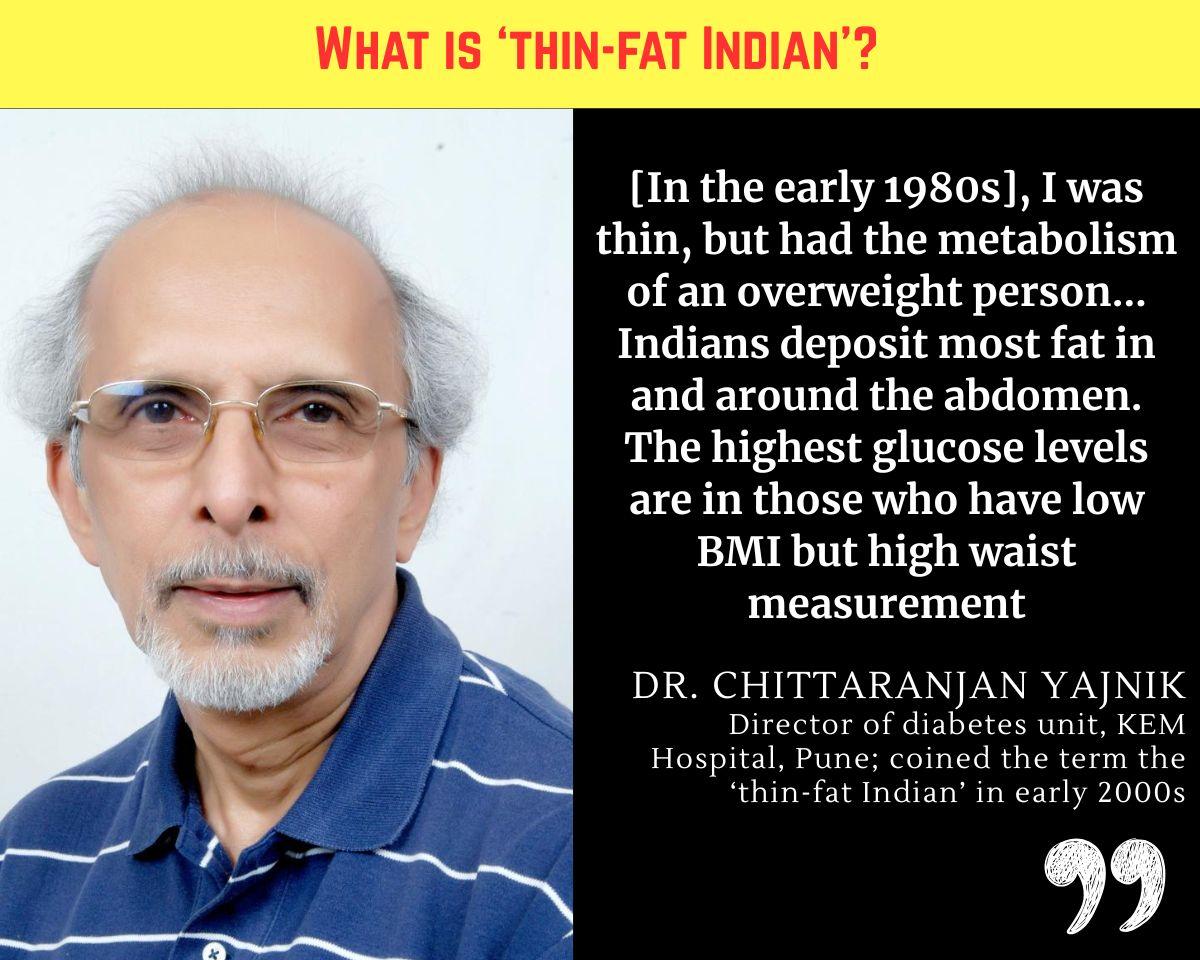
The scientific understanding of this "thin-fat" Indian phenotype dates back to the pioneering work of Dr. Chittaranjan Yajnik in the early 2000s. He coined the term "thin-fat Indian" after observing that even lean Indians often possessed a poorer glucose-insulin metabolism than their heavier Western counterparts. His research suggested that Indians tend to deposit fat preferentially in and around the abdomen, leading to higher glucose levels even in individuals with a low BMI but a high waist circumference.

The reasons are multifaceted, encompassing genetic predispositions and epigenetic factors. Dr. Ramesh Hariharan, CEO and co-founder of Strand Life Sciences, explains that "the heritability of obesity is estimated at 40%-70%." These genetic factors influence behaviors around food, such as hunger, satiety, and food reward. As Dr. Hariharan aptly puts it, "Genetics loads the gun, lifestyle pulls the trigger." Given that obesity-related genes are not easily modifiable, lifestyle remains the most potent "reprogramming tool."
Regulatory Scrutiny and the Rise of a "Mounjaro Bride" Demographic
The rapid ascent of GLP-1s has not been without its challenges and regulatory responses. In early April, the Indian government released official guidelines for the usage of these drugs. To be prescribed any GLP-1 medication, whether generic or original, a prescription from an endocrinologist, cardiologist, or internal medicine specialist is now mandatory. Drug manufacturers are also being instructed to cease marketing that encourages unsupervised use.
This regulatory framework emerged in the wake of growing concerns, culminating in a Public Interest Litigation (PIL) filed in the Delhi High Court in May 2025 by Jitendra Chouksey, a fitness evangelist and founder of FITTR. Chouksey’s concerns stemmed from the widespread use of these drugs not only in hospitals but also in wellness clinics. He highlighted the dangerous potential for muscle mass loss and the tendency for weight regain upon discontinuation of the medication.

The market for weight-loss drugs is now experiencing a gold rush, extending even to aesthetic clinics. At Klarity Health Clinic in Delhi, a "Mounjaro Bride Package" is offered at ₹1.10 lakh for 12 sessions, indicating a growing trend of using these medications for cosmetic purposes, particularly among young women preparing for weddings.
The long-term implications of GLP-1s on human metabolism and the body are still being understood. While research in the U.S. is exploring their effects beyond weight and metabolism, including on addictions, menopausal health, autoimmune diseases, and mental health, their application in the Indian context, with its unique metabolic profile, remains a subject of ongoing scientific and clinical observation.
A Fuzzy Future: Balancing Innovation with Responsibility
The GLP-1 revolution in India is a complex narrative of remarkable medical innovation intertwined with deep-seated societal and biological challenges. While these drugs offer unprecedented hope for individuals struggling with obesity and its related comorbidities, their widespread adoption necessitates a cautious and responsible approach.
The pharmaceutical industry is actively working to make generics more accessible, with companies like Sun Pharmaceutical launching brands such as Sematrinity and Noveltreat, priced competitively. Novo Nordisk has also reportedly slashed prices of Ozempic and Wegovy in India, intensifying competition in this rapidly expanding market.
However, the fundamental issues of cost, access, and the inherent complexity of the Indian metabolic landscape remain. The "thin-fat" paradox, coupled with genetic predispositions and lifestyle factors, means that a singular reliance on medication is unlikely to be the panacea for India’s twin epidemics of malnutrition and obesity.
Ultimately, the GLP-1 revolution is a powerful tool, but its true potential to reshape humanity’s pursuit of optimal health on an overburdened planet will depend on a holistic approach. This includes rigorous scientific research, responsible medical guidance, equitable access, and a societal shift towards prioritizing sustainable lifestyle modifications alongside pharmacological interventions. The journey has just begun, and the long-term impact of these groundbreaking drugs on India and the world remains a story yet to be fully written.
