

For many travelers from Southern India, the mental map of Jammu and Kashmir is often drawn by the evocative, yet narrow, brushstrokes of Bollywood. It is a landscape defined by celluloid romances amidst snow-capped peaks and the lingering shadows of geopolitical tension. However, as one descends into the Srinagar International Airport, the reality of the "Paradise on Earth" reveals itself to be far more nuanced. Srinagar is a city where the past and present do not merely meet; they collide and coexist, preserving a complex tapestry of horror, heritage, and honor.
This report explores a curated 36-hour journey through the summer capital, examining how the city is leveraging its architectural marvels, culinary traditions, and burgeoning luxury hospitality sector to redefine its identity for the modern traveler.

Main Facts: The Resilience of the "Shehr-e-Khaas"
Srinagar remains the crown jewel of the Kashmir Valley, centered around the life-giving waters of the Jhelum River and the iconic Dal Lake. The city’s history is etched into its "Shehr-e-Khaas" (Downtown), an area characterized by its seven historic bridges (Kadals) and a unique architectural vernacular that utilizes local deodar wood and stone.
The city is currently witnessing a significant shift in its tourism narrative. While natural beauty remains the primary draw, there is an increasing emphasis on "heritage tourism." This involves showcasing the 600-year-old mosques, Sufi shrines, and the traditional "Taq" and "Dhajji Dewari" construction systems—interlocking wooden frameworks designed to withstand the region’s seismic activity.

Chronology: 36 Hours in the Valley
Tuesday: The Spiritual and Commercial Heart
5:00 PM | The Architectural Deviation of Jamia Masjid
Located in the bustling heart of Downtown, the Jamia Masjid stands as a testament to Indo-Saracenic and Hellenic architectural influences. Unlike traditional Islamic structures that feature prominent domes and minarets, this 600-year-old mosque is defined by its pyramidal roofs—a functional design choice to prevent snow accumulation.
The structure is supported by 378 massive deodar pillars, each 14 meters high, carved from single trees. As the Maghrib prayers resound, the central fountain becomes a focal point of serenity, reflecting the snow-clad Hari Parbat (Koh-i-Maran) fort in the distance. The mosque serves as more than a place of worship; it is a repository of the valley’s floral motifs, which are mirrored in the region’s world-famous carpets and copperware.

7:00 PM | The Sufi Legacy of Khanqah-e-Moula
A 15-minute walk through the Zaina Kadal leads to the Khanqah-e-Moula, one of Kashmir’s oldest Sufi shrines. Dedicated to Mir Syed Ali Hamadani (Shah-e-Hamadan), the shrine is a masterclass in Kashmiri woodwork. Built without a single nail using the traditional interlocking Taq system, its interiors are adorned with intricate papier-mâché work. Despite the constant flow of pilgrims, the hall maintains an atmosphere of profound stillness, bridging the gap between the 14th century and today.
8:00 PM | Navigating the Seven Bridges
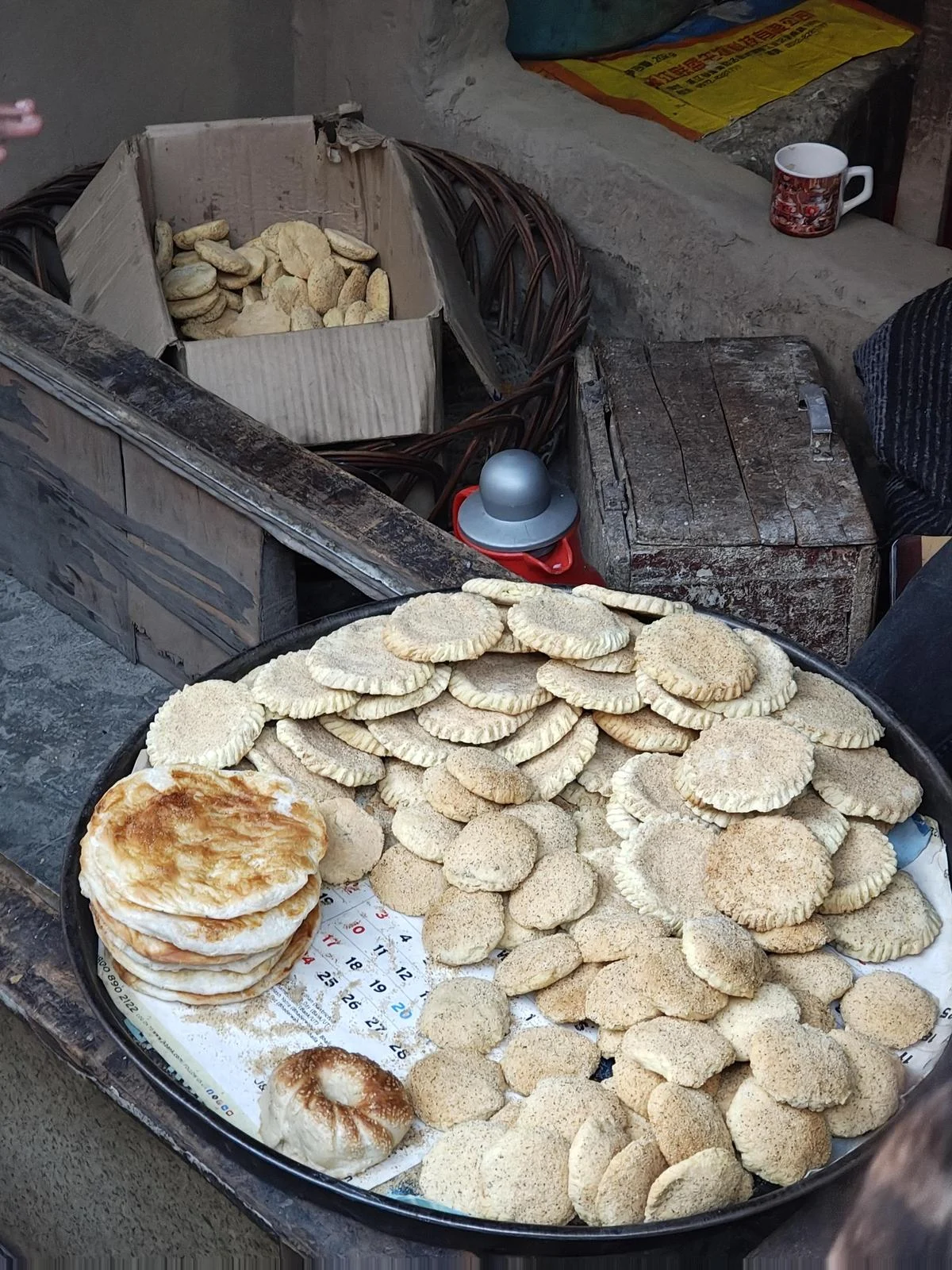
The evening concludes with a walk through the alleys of Downtown. Known for its "Seven Kadals" (bridges) over the Jhelum, this area is the city’s throbbing commercial center. Here, the aroma of Bakarkhani—a thick, flour-based Mughlai flatbread—fills the air. In the markets of SR Gunj, the rhythmic hammering of metal smiths reveals the continued vitality of the copper industry, where Samovars (tea kettles) and Tash-t-Nari (wash basins) are still crafted using centuries-old techniques.

Wednesday: Waterways and Floral Grandeur
6:00 AM | The Floating Economy of Dal Lake
At dawn, the Dal Lake transforms into a hive of activity. Shikharas (traditional wooden boats) depart from Nehru Gate toward the Zabarwan Range. Beyond the tourist-facing "floating gardens," the lake hosts a legitimate morning market where vendors trade fresh produce—lotus stems (Nadru), water chestnuts, and leafy greens—directly from boat to boat. This two-hour window offers a glimpse into a self-sustaining aquatic ecosystem that has existed for generations.
11:00 AM | Asia’s Largest Floral Spectacle
The Indira Gandhi Memorial Tulip Garden, spread over 30 hectares at the foothills of the Zabarwan Mountains, has become a cornerstone of Srinagar’s spring tourism. With over 1.8 million tulips across 70 varieties, the garden represents a significant horticultural achievement. Though the blooming season is brief (mid-March to mid-April), it attracts hundreds of thousands of visitors, providing a vital seasonal boost to the local economy.

4:00 PM | Lal Chowk: The Political and Commercial Hub
Named after Moscow’s Red Square, Lal Chowk remains the city’s most significant landmark. The iconic Clock Tower (Ghanta Ghar) stands as a silent witness to the city’s political evolution. Today, the area is a bustling marketplace where high-end Pashmina shawls and traditional Pherans (loose Kashmiri cloaks) are sold alongside modern retail brands. The presence of security forces and specialized units remains a visible reality, yet the commerce of the square continues unabated, exemplified by historic establishments like Ahdoos, which has served Kashmiri delicacies for decades.
7:30 PM | The Ritual of Wazwan
The day concludes with a traditional Wazwan dinner. At Firdaus (Radisson Collection), the meal is treated as a ceremony. Served on a Traem (large copper plate), the feast includes Tabak Maaz (fried lamb ribs), Aab Ghosht (lamb cooked in milk), and Gushtaba (velvety meatballs in yogurt gravy). The Wazwan is not merely a meal; it is an expression of Kashmiri hospitality and culinary precision, often requiring days of preparation by master chefs known as Wazas.

Thursday: A Sweet Departure
8:00 AM | The Legacy of Moonlight
Before departing, a visit to "Moonlight The Walnut Fudge Shop" is essential. Founded in 1896, the shop utilizes a secret recipe involving local walnuts, honey, and dates. This small-scale artisanal industry represents the "sweet note" of Srinagar’s heritage—resilient, traditional, and deeply rooted in the valley’s natural resources.
Supporting Data: The Economic and Structural Framework
Srinagar’s tourism infrastructure is undergoing a period of modernization. The entry of international luxury brands signifies a growing confidence in the region’s stability and market potential.

- Hospitality Growth: The Radisson Collection Hotel & Spa, Riverfront Srinagar, marked the brand’s debut in India in 2024. Its architecture—a blend of European alpine design and Kashmiri woodwork—reflects a trend toward "contextual luxury."
- Proximity and Access: The strategic location of major hotels within 10-12 kilometers of the Srinagar International Airport has facilitated a rise in "short-stay" or "36-hour" tourism, making the valley accessible for weekend travelers from major Indian metros.
- Horticultural Scale: The Tulip Garden’s expansion to 30 hectares and the inclusion of nearly 100,000 other bulbous flowers (hyacinths, daffodils) indicate a diversification of the region’s botanical attractions beyond the traditional Mughal Gardens.
Official Responses: Perspectives on Heritage and Growth
Shubhankar Jyoti, General Manager of the Radisson Collection Hotel & Spa, Riverfront Srinagar, emphasizes that the city’s appeal lies in its authenticity. "Srinagar has a distinctive cultural identity, remarkable heritage, and stories worth experiencing," Jyoti states. "The property was envisioned as more than just a luxury hotel. It was designed to immerse guests in the spirit of Kashmir through thoughtful design and curated local experiences."
Local tour guides, such as Yunus Bhatt, highlight the educational aspect of modern tourism. By explaining the functional beauty of the "pyramidal roofs" of the Jamia Masjid or the "interlocking beams" of the Taq system, guides are shifting the visitor’s focus from mere sightseeing to an appreciation of Kashmiri engineering and resilience.

Implications: The Evolving Narrative of Srinagar
The transition of Srinagar from a "troubled paradise" to a "heritage destination" carries several socio-economic implications:
- Cultural Preservation: Increased interest in the "Shehr-e-Khaas" provides a financial incentive for the preservation of ancient wooden structures and traditional crafts like copper-beating and papier-mâché, which were previously under threat from modernization.
- Economic Diversification: While the Dal Lake remains central, the promotion of the Tulip Garden and the Downtown heritage walk spreads tourist footfall—and expenditure—across different sectors of the city.
- Redefining the "Kashmir Experience": By moving beyond the cinematic tropes of snow and Shikharas, travelers are engaging with the "horror, heritage, and honor" of the city. This deeper engagement fosters a more sophisticated understanding of the region’s history, moving the needle from superficial tourism to meaningful cultural exchange.
In conclusion, 36 hours in Srinagar reveals a city that is fiercely protective of its past while being cautiously optimistic about its future. It is a place where the echo of a metal smith’s hammer in a dark alleyway is just as significant as the bloom of a million tulips—a city that continues to survive, thrive, and enchant.
