

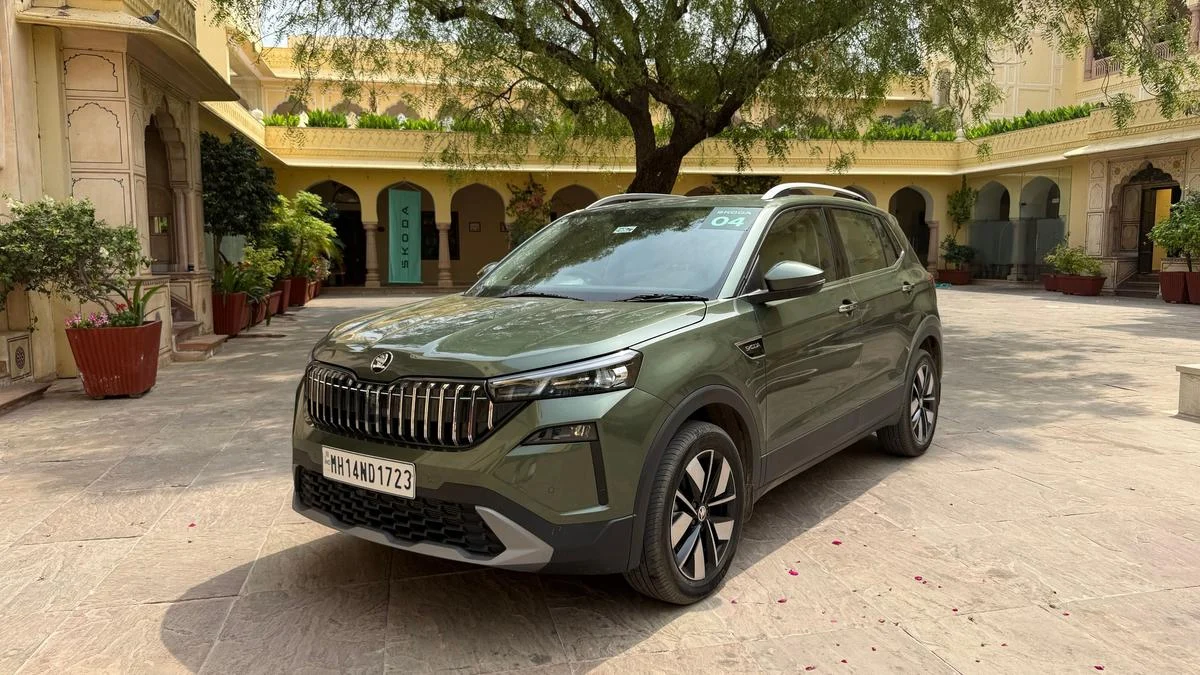
JAIPUR, INDIA — In the rapidly evolving landscape of the Indian automotive market, the mid-size SUV segment remains the most contested battleground. Against the backdrop of Jaipur’s architectural grandeur and its notorious mix of high-speed bypasses and congested inner-city arteries, Skoda Auto India has introduced a significant update to its cornerstone product. The updated Skoda Kushaq 1.0 TSI Automatic represents more than just a model year refresh; it is a calculated, engineering-led response to consumer feedback and the shifting demands of the urban Indian driver.
While the industry often leans toward flashy cosmetic overhauls to maintain relevance, Skoda has opted for a path of "intelligent refinement." By focusing on the powertrain, ride quality, and "democratizing" premium features, the Czech automaker aims to solidify the Kushaq’s position as a driver-centric alternative in a segment dominated by feature-heavy competitors.
I. Main Facts: The Core Updates at a Glance
The updated Skoda Kushaq 1.0 TSI Automatic arrives with a suite of changes that are designed to be felt rather than merely seen. The primary focus of this update is the transition to a new 8-speed torque converter automatic transmission, a move that fundamentally alters the driving dynamics of the 1.0-litre, three-cylinder turbocharged engine.
Key highlights of the update include:
- Powertrain: The 1.0-litre TSI engine continues to produce 115 horsepower and 178 Nm of torque, but it is now paired with a more sophisticated 8-speed automatic gearbox.
- Aesthetics: Subtle exterior refinements include a sharper front fascia and standard alloy wheels across all trim levels, ensuring a premium look regardless of the variant chosen.
- Interior Comfort: The introduction of a segment-unique rear-seat massage function and improved material consistency across the dashboard and touchpoints.
- Safety: Retention of the prestigious 5-star Global NCAP safety rating, reinforced by six airbags as a standard or near-standard inclusion across the lineup.
- Pricing: Strategically positioned between INR 10.69 lakh and INR 18.99 lakh (ex-showroom), targeting the heart of the C-SUV segment.
II. Chronology: The Journey of the "India 2.0" Pioneer
To understand the significance of this update, one must look back at the Kushaq’s trajectory. Launched in 2021 as the first product under the ambitious "India 2.0" project led by Volkswagen Group, the Kushaq was tasked with a monumental challenge: localized production with European soul.
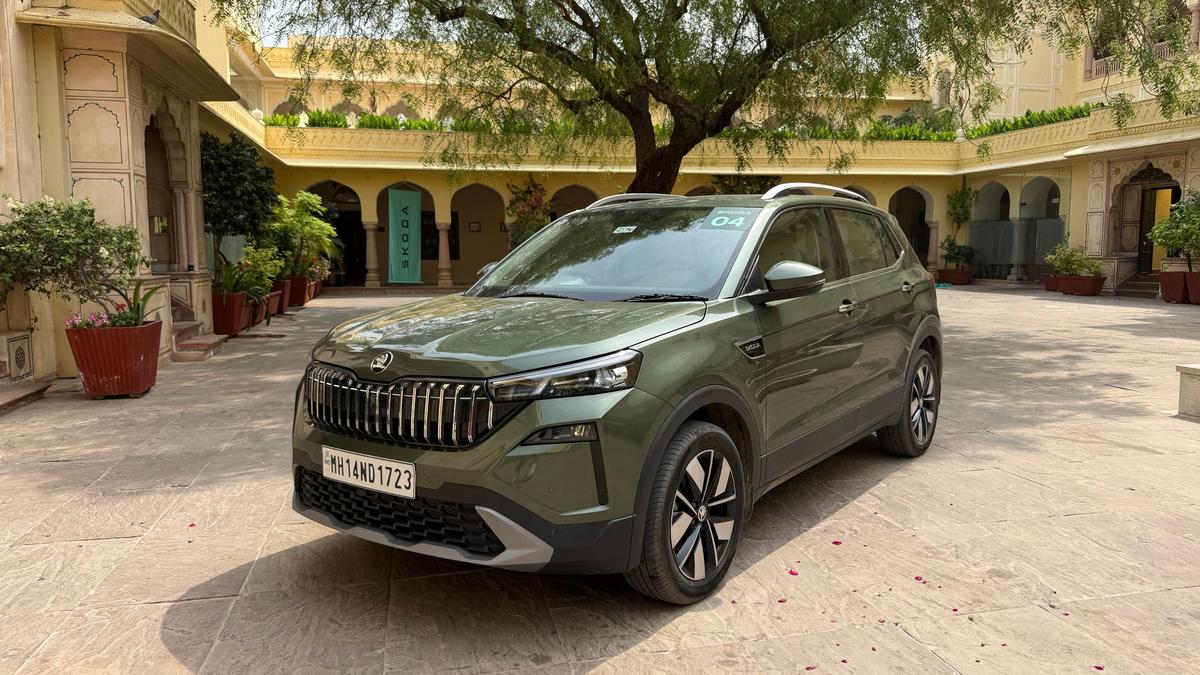
- July 2021 (The Launch): The Kushaq debuted with a focus on structural integrity and driving dynamics. It introduced the MQB-A0-IN platform, specifically tailored for Indian road conditions and cost structures.
- 2022-2023 (Market Consolidation): Skoda focused on expanding its service network and addressing early teething issues, such as the fuel pump concerns and air conditioning effectiveness in extreme Indian summers.
- October 2022: The Kushaq made headlines by becoming one of the first cars in India to achieve a 5-star rating under the updated, more stringent Global NCAP crash test protocols for both adult and child occupant protection.
- 2024 (The Refinement Phase): Recognizing that the 1.0 TSI variant serves as the volume driver, Skoda implemented the current suite of updates. The transition from the previous automatic setup to the new 8-speed unit marks the most significant mechanical evolution since the car’s inception.
III. Supporting Data: Engineering and Performance Analysis
The heart of the updated Kushaq is the 1.0-litre Turbocharged Stratified Injection (TSI) engine. While skeptics often question the adequacy of a 1.0-litre unit for a mid-size SUV, the technical data suggests otherwise.
The New 8-Speed Transmission
The shift to an 8-speed torque converter is the defining characteristic of this update. By increasing the number of ratios, Skoda has allowed the engine to stay within its "power band" more effectively.
- Urban Efficiency: In stop-and-go Jaipur traffic, the shorter lower gears provide a brisker take-off, reducing the "turbo lag" often associated with small-displacement engines.
- Highway Cruising: The 7th and 8th gears act as overdrive ratios. At 100 km/h, the engine revs significantly lower than it did with the previous transmission, leading to improved NVH (Noise, Vibration, and Harshness) levels and potentially better fuel economy on long hauls.
- Shift Logic: The transmission calibration has been tuned for "intuitive response." Under light throttle, it upshifts early to conserve fuel; under heavy load, it holds the gear to allow the turbocharger to build maximum boost.
Suspension and Ride Dynamics
Skoda engineers have recalibrated the suspension setup to address feedback regarding the car’s low-speed ride.
- Damping: The "edge" has been taken off the compression stroke. Where the previous model felt somewhat "busy" over sharp expansion joints or cobblestones, the updated version absorbs these imperfections with a more rounded, sophisticated thud.
- Stability: Despite the softer low-speed ride, the Kushaq maintains its high-speed composure. The lateral stability remains best-in-class, ensuring that lane changes at highway speeds do not result in the "floaty" feeling common in some of its Asian rivals.
Interior Ergonomics and Features
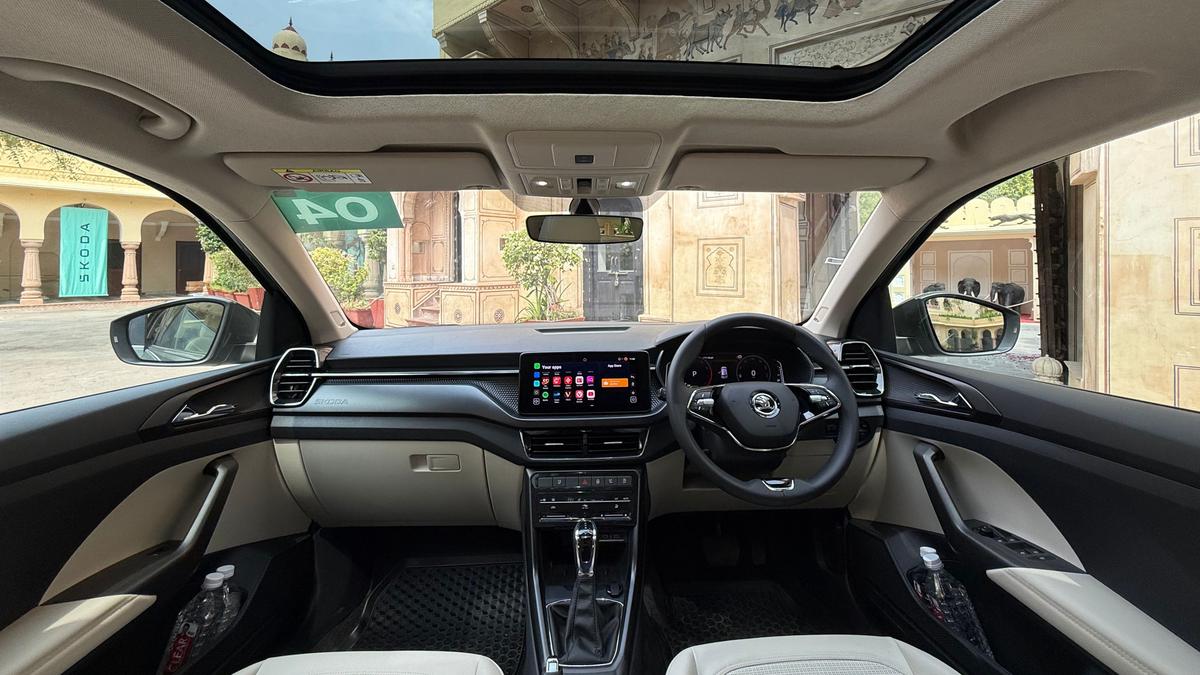
Inside, the Kushaq prioritizes functional luxury. The inclusion of rear-seat massage functionality is a strategic move to appeal to the "chauffeur-driven" demographic that is surprisingly prevalent in the Indian C-SUV segment.
- Material Quality: Skoda has increased the use of soft-touch materials and improved the tactile feedback of the switchgear.
- Visibility: With a high seating position and slim A-pillars, the Kushaq offers a 180-degree field of vision that makes navigating tight urban spaces significantly less stressful.
IV. Official Responses and Strategic Positioning
While official corporate statements often highlight sales targets, the underlying strategy for the updated Kushaq is "value-based premiumization." Skoda Auto India leadership has frequently emphasized that they do not wish to engage in a "feature war" where gadgets override engineering.
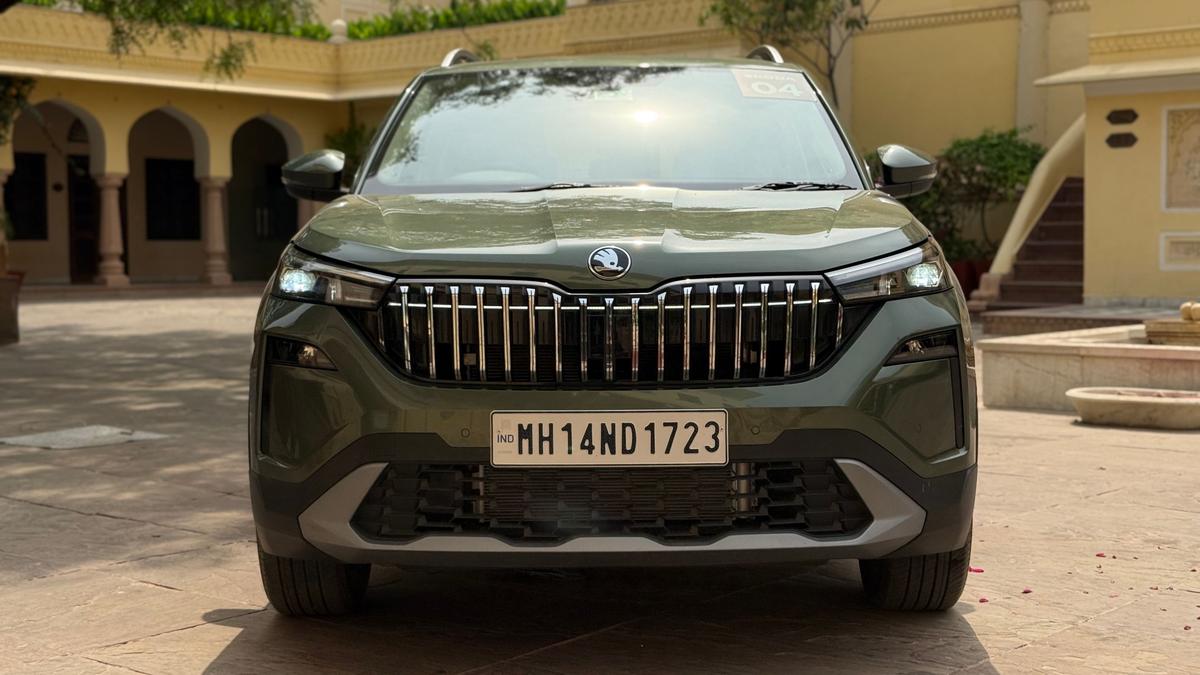
According to brand representatives, the decision to standardize alloy wheels and enhance the 1.0 TSI’s transmission was driven by a desire to ensure that the "entry-level" experience of owning a Skoda remains premium. The brand’s focus is on the "Total Cost of Ownership" and "Peace of Mind," supported by their 4-year/100,000 km standard warranty.
Industry analysts suggest that this update is a bridge toward Skoda’s future roadmap in India, which includes further electrification and the introduction of a sub-4-meter SUV. By perfecting the Kushaq, Skoda is reinforcing its brand identity as the "engineering-first" choice before expanding into more mass-market segments.
V. Implications: What This Means for the Indian Market
The updated Skoda Kushaq 1.0 TSI Automatic carries several implications for the automotive ecosystem in India:
1. Shifting the "Replacement for Displacement" Narrative
The success of this 1.0-litre unit, now further refined by the 8-speed transmission, proves that downsized, turbocharged engines are a viable and perhaps superior alternative to larger naturally aspirated engines. It sets a benchmark for performance-to-displacement ratios that other manufacturers are now forced to follow.
2. Safety as a Non-Negotiable Standard
By maintaining its 5-star safety pedigree and refusing to compromise on structural integrity for the sake of more electronic "gimmicks," Skoda is forcing the hand of its competitors. We are seeing a market-wide shift where safety ratings are becoming a primary marketing tool, a trend the Kushaq helped pioneer.
3. The Democratization of Luxury
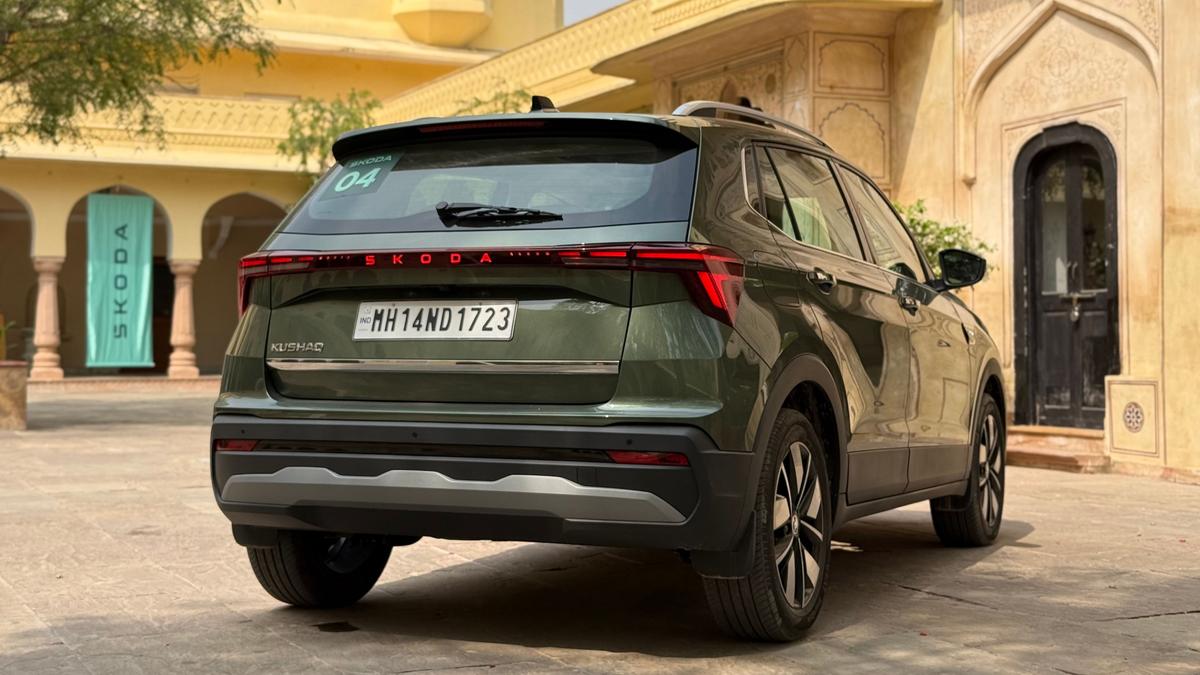
By making alloy wheels standard and introducing massage seats in a mid-size SUV, Skoda is blurring the lines between the "mass-market" and "luxury" segments. This pressures premium brands to offer more value while pushing budget brands to improve their quality.
4. Urban-Centric Engineering
The specific tuning of the 8-speed gearbox for "fluidity" in traffic suggests that manufacturers are now designing cars specifically for the "megacity" environment—where cars spend 90% of their time in sub-40 km/h conditions but must be capable of 120 km/h weekend getaways.
Conclusion: A Cohesive Evolution
The updated Skoda Kushaq 1.0 TSI Automatic is a testament to the philosophy that a car is the sum of its parts, not just its spec sheet. In Jaipur’s demanding environment, the vehicle proved that mechanical refinement—specifically in the form of a superior transmission and a matured suspension—offers more daily utility than any number of digital screens or sunroofs.
For the Indian consumer, the Kushaq now presents a more "complete" package. It addresses the previous complaints of a firm ride and a mechanical-feeling transmission, replacing them with a polished, effortless driving experience. As the market grows increasingly crowded, the Kushaq’s clarity of purpose—to be the best-driving, safest, and most structurally sound SUV in its class—remains its greatest strength.
At a price point of INR 10.69 – 18.99 lakh, it isn’t just a purchase; for the discerning driver, it is a considered investment in European engineering tailored for the Indian soul.
Price: INR 10.69 – 18.99 lakh (Ex-showroom, depending on the variant)
Motorscribes, in association with The Hindu, brings you the latest in cars and bikes. For more updates on the evolving Indian automotive landscape, follow them on Instagram @motorscribes.
