

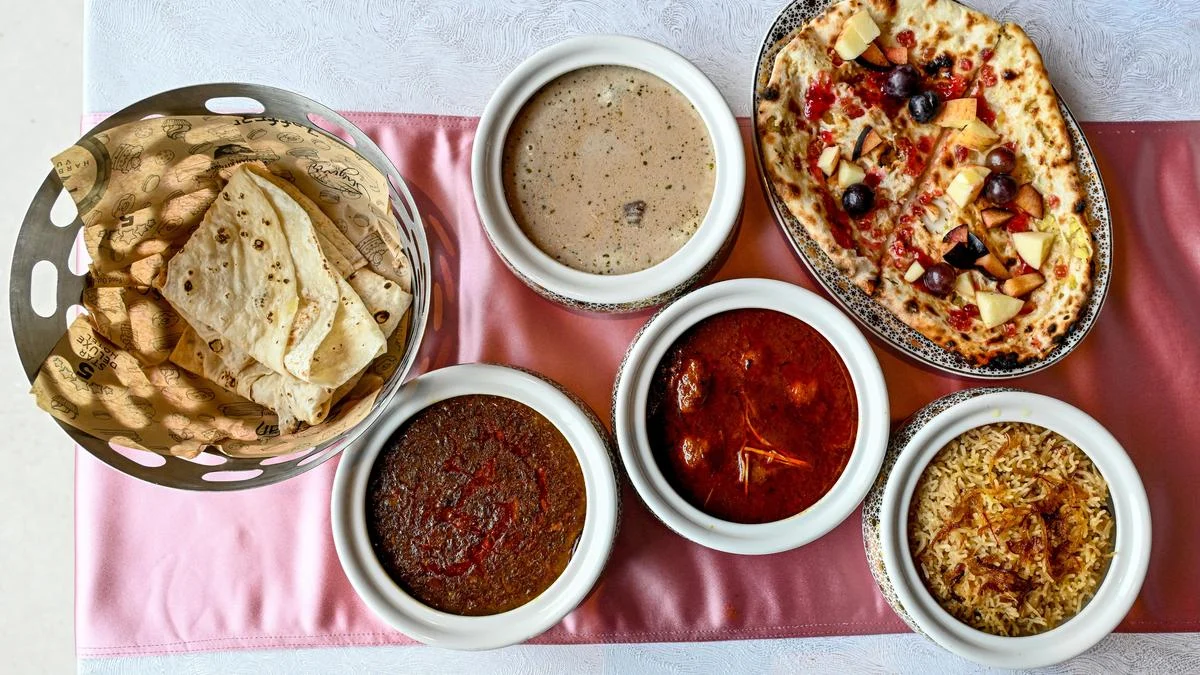
VISAKHAPATNAM — In the coastal city of Visakhapatnam, where the culinary landscape is traditionally dominated by the fiery spices of Andhra cuisine and the fresh catch of the Bay of Bengal, a different kind of olfactory experience has taken root. At Zaffran, the signature fine-dining restaurant at Novotel Visakhapatnam Varun Beach, the air is currently thick with the scent of saffron, fennel, and slow-cooked mutton. The occasion is "Dawat-E-Wazwan," a meticulously curated Kashmiri food festival that aims to transport diners from the humid shores of Andhra Pradesh to the temperate, mist-covered valleys of the Himalayas.
Curated by the renowned Chef Rehman and Chef Abdul, the festival is more than just a seasonal menu; it is an exploration of the Wazwan—a multi-course meal in Kashmiri cuisine, the preparation of which is considered an art form and a point of intense cultural pride.
Main Facts: A Culinary Bridge from North to South
The "Dawat-E-Wazwan" festival, which runs until June 28, represents a strategic effort by Novotel Varun Beach to diversify the gastronomic offerings available to both locals and tourists in Visakhapatnam. While Kashmiri food is often misrepresented in mainstream Indian "multicuisine" restaurants as merely "creamy" or "sweet," this festival seeks to correct that narrative by focusing on authenticity, technique, and the specific spice profiles of the Valley.
The Essence of the Festival
The festival highlights the distinction between the "fiery" heat of South Indian peppers and the "aromatic" warmth of Northern spices. The menu is a balanced tapestry of vegetarian and non-vegetarian offerings, featuring staples like Rista, Nadur Yakhni, and Maaz Seekh Kebab.
Event Details at a Glance:
- Venue: Zaffran, Novotel Visakhapatnam Varun Beach.
- Curators: Chef Rehman and Chef Abdul.
- Duration: Concluding June 28.
- Service: Available for both Lunch and Dinner.
- Price Point: Approximately ₹3,000 to ₹3,500 for two people (plus taxes).
Chronology: The Progression of a Kashmiri Feast
To understand the Wazwan is to understand the rhythm of a meal. At Zaffran, the experience is designed to mirror the traditional flow of a Kashmiri banquet, beginning with light, warming liquids and progressing toward the heavy, complex meat dishes that define the region.
The Prelude: Soups and Starters
The journey begins with the Kashish Paya Shorba. Unlike the heavy, gelatinous payas found in Hyderabadi cuisine, this mutton trotter broth is rendered as a light, translucent liquid. It serves as a functional "appetizer," designed to prime the palate without overwhelming the stomach.

Following the soup, the starters introduce the diner to the Kashmiri mastery of meat textures. The Maaz Seekh Kebab stands out as a testament to the quality of the produce; it is succulent and lightly spiced, allowing the natural gaminess of the lamb to shine through. However, the meal is not without its critiques. The Badami Kukar Tikka (almond-infused chicken), while technically well-executed, lacked the pronounced nuttiness expected of its name. Similarly, the paneer kebab appeared to struggle with the delicate balance of the Valley, with a spice blend that occasionally masked the subtle saffron notes typical of Kashmiri vegetarian fare.
The Heart of the Meal: The Mains
As the meal transitions to the main course, the true technical prowess of Chefs Rehman and Abdul becomes evident. The centerpiece is the Rista—a dish that requires immense physical labor. Traditionally, the meat for Rista is hand-pounded on a stone slab using wooden mallets until it reaches a paste-like consistency. This results in meatballs that are incredibly soft and airy. At Zaffran, these are served in a vibrant red gravy, colored not by heat-heavy chillies, but by the mild, deep-red Kashmiri variety.
The Nadur Yakhni provides a vegetarian counterpoint. Utilizing lotus stems—a staple harvested from the Dal Lake—this dish is cooked in a yogurt-based gravy flavored with dried mint and cardamom. It is a masterclass in subtlety, offering a crunch that contrasts with the silkiness of the Kokur Pulao (chicken pulao) and the paper-thin Rumali Roti.
The Sweet Conclusion
The festival concludes with traditional desserts: Malai Gilori and Kong Phirni. The Kong Phirni (saffron rice pudding) is served chilled, offering a creamy texture, though some diners may find the sugar levels leaning toward the traditional "festive" sweetness which can be quite intense. The Malai Gilori, with its intricate layers of milk cream and nut fillings, offers a more nuanced end to the rich meal.
Supporting Data: The Science and Tradition of Wazwan
The authenticity of the "Dawat-E-Wazwan" festival is rooted in its adherence to traditional ingredients. Kashmiri cuisine is unique in the Indian subcontinent for its specific exclusions and inclusions.
Key Ingredients and Techniques
- The Cooling Agents: Unlike many North Indian cuisines that rely on heavy cream or cashew pastes, authentic Wazwan uses whisked yogurt as a base. This provides a tangy lightness to the gravies.
- The Spice Trinity: The flavor profile is built on a foundation of fennel powder (Saunf), dry ginger powder (Sonth), and Kashmiri saffron (Kesar).
- Color without Heat: The "Ratanjot" (a dried herb) and Kashmiri chillies are used to provide the signature deep reds and oranges without the capsaicin burn associated with Guntur or Bird’s Eye chillies.
- Slow Cooking: Most of the dishes at the festival are slow-cooked over low heat, a process that allows the collagen in the meat to break down naturally, creating a rich mouthfeel without the need for thickening agents.
The Role of the ‘Waza’
The term "Wazwan" is derived from ‘Waza’ (the cook) and ‘Wan’ (the shop). Traditionally, a master chef or Vasta Waza oversees a team of chefs. The presence of Chef Rehman and Chef Abdul at Novotel ensures that the "hand" of the chef—the specific way meat is pounded or spices are tempered—remains true to the ancestral lineage of Kashmiri cooking.
Official Responses: Insights from the Kitchen
Chef Rehman, the lead curator of the festival, emphasizes that the primary challenge in bringing Kashmiri food to Visakhapatnam is managing expectations regarding "spice."

"Wazwan is about patience and balance," Chef Rehman explained during the festival’s opening. "In many parts of India, there is a misconception that ‘flavorful’ must mean ‘spicy.’ We don’t rely on heavy spices or the heat of green chillies. Instead, our flavors come from the slow-release of aromatics like fennel and saffron. We want the residents of Vizag to experience the gentleness of the Valley."
Management at Novotel Visakhapatnam Varun Beach noted that hosting such festivals is part of a broader mission to turn the hotel into a cultural hub. "By bringing in specialized chefs like Rehman and Abdul, we are not just serving food; we are offering a cultural education. It’s about providing our guests with an experience they cannot find elsewhere in the city," a spokesperson for the hotel stated.
Implications: The Evolution of Visakhapatnam’s Palate
The success of "Dawat-E-Wazwan" carries broader implications for the culinary evolution of Tier-II cities in India. Visakhapatnam, historically a city with a conservative palate, is showing an increasing appetite for "niche" regional cuisines.
Cultural Diplomacy through Food
Food festivals like this serve as a form of internal cultural diplomacy. By introducing the nuances of Kashmiri traditions to the South, these events bridge the geographical and cultural gap between the two extremities of the country. The inclusion of dishes like Nadur Yakhni introduces diners to ingredients (lotus stem) they might otherwise never encounter in a local market.
Economic and Tourism Impact
For the hospitality sector in Vizag, such festivals are essential for maintaining "gastronomic interest" outside of the peak wedding and holiday seasons. By positioning Zaffran as a venue for authentic regional experiences, Novotel is tapping into a demographic of well-traveled locals who crave the authenticity of a "destination meal" without leaving their city.
Future Outlook
As the festival draws to a close on June 28, the response from the public will likely influence future programming. The demand for "authentic" rather than "fusion" food suggests that the modern Indian diner is becoming more discerning. If "Dawat-E-Wazwan" is any indication, the future of the Vizag food scene lies in its ability to respect the traditions of distant regions while serving them with the hospitality of the coast.
For those looking to experience the aromatic legacy of the Wazas, the window is closing fast. But for the city of Visakhapatnam, the lingering scent of saffron and fennel may well have paved the way for a more diverse and sophisticated culinary future.
