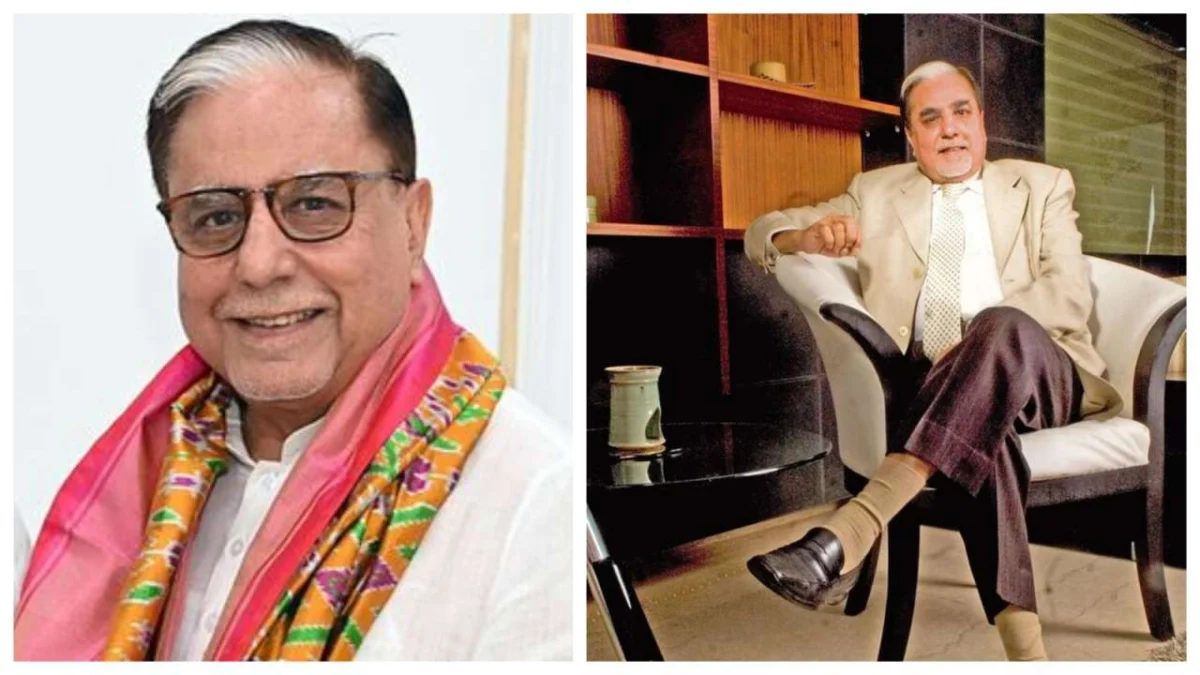
Mumbai, India – In a significant development reverberating through India’s corporate and financial circles, veteran media mogul and Essel Group Chairman, Dr. Subhash Chandra, has issued a detailed statement vehemently disputing media reports concerning his personal insolvency proceedings before the National Company Law Tribunal (NCLT). Dr. Chandra categorically rejected claims suggesting he had provided personal guarantees for loans amounting to Rs 22,000 crore, asserting that such figures are "incorrect" and based on "misinformation."
At the core of his clarification lies a crucial distinction: Dr. Chandra emphasized that he has never personally borrowed any funds from creditors. Instead, his involvement in the group’s financial liabilities stems solely from his capacity as a personal guarantor for certain loans extended to Essel Group companies. He urged media platforms to rectify their reporting, stating that "vested media houses are spreading wrong information about my personal insolvency matter in NCLT," and calling for a factual representation of the court order and associated financial figures.
This official statement from Dr. Chandra comes amidst ongoing efforts to resolve the substantial debt obligations of the diversified Essel Group, which has interests spanning media, infrastructure, packaging, and technology. The clarification seeks to set the record straight on the exact nature and quantum of his personal liabilities under the Insolvency and Bankruptcy Code (IBC) framework, highlighting his commitment to transparency and resolution.
The Heart of the Matter: Dispelling Misinformation
Dr. Subhash Chandra’s recent statement is a direct challenge to what he perceives as a misleading narrative in certain sections of the media regarding his personal financial liabilities and the NCLT proceedings. His primary objective appears to be to correct perceived inaccuracies and to provide a clearer picture for all stakeholders, including creditors, investors, and the public.
Challenging the Rs 22,000 Crore Narrative
One of the most prominent points of contention raised by Dr. Chandra is the widely circulated figure of Rs 22,000 crore, purportedly representing the value of personal guarantees he had provided. He unequivocally labeled this figure as "incorrect" and urged media houses to "remove any misinformation that is incorrectly interpreted from the Court order." According to his statement, such exaggerated figures not only misrepresent the actual situation but also contribute to an unwarranted negative perception of his financial standing and the resolution process.
The difference between the reported Rs 22,000 crore and Dr. Chandra’s asserted actual liability is substantial, underscoring the critical need for precise financial reporting in such high-stakes legal and corporate matters. Misinterpreting the scope of corporate guarantees or the aggregate debt of a conglomerate as an individual’s personal guarantee exposure can lead to significant public confusion and misjudgment of the individual’s role and responsibility.
)
The Nuance of Personal Guarantees vs. Direct Borrowing
Central to Dr. Chandra’s clarification is the fundamental distinction between being a direct borrower and acting as a personal guarantor. He asserted, "I had not taken any loan personally from the creditors and had only provided personal guarantees for certain liabilities of group companies." This is a crucial legal and financial nuance under the Insolvency and Bankruptcy Code (IBC), particularly following amendments that brought personal guarantors of corporate debtors under its purview.
When an individual acts as a personal guarantor, they pledge their personal assets as collateral or assume responsibility for the repayment of a loan taken by another entity, typically a company they own or manage, should that entity default. This is distinct from personally borrowing funds for one’s own use, where the individual directly incurs the debt. While the ultimate financial liability for a guarantor can be substantial, the legal and operational context differs significantly. Dr. Chandra’s emphasis on this distinction aims to clarify that his personal financial challenges are a consequence of the performance of his group companies, for which he provided guarantees, rather than direct personal financial mismanagement. This distinction is vital for understanding the legal pathways for resolution and the scope of his current personal insolvency proceedings.
A Chronology of Debt and Resolution Efforts
The Essel Group, under Dr. Subhash Chandra’s leadership, has been a pioneering force in India’s media and entertainment landscape, notably with Zee Entertainment Enterprises Ltd. (ZEEL). However, like many large conglomerates in India, the group encountered significant financial headwinds, particularly in the latter half of the last decade, leading to substantial debt accumulation.

The Genesis of Essel Group’s Financial Challenges
The financial challenges for the Essel Group began to surface prominently around 2019. A confluence of factors, including aggressive expansion into diverse sectors like infrastructure, a broader liquidity crunch in the Indian financial system, and specific market downturns, contributed to the group’s escalating debt burden. Many of the group’s ventures, while ambitious, faced difficulties in generating expected returns or achieving timely monetization, leading to pressure on cash flows. To fuel these expansions and manage existing operations, the group resorted to significant borrowings from a consortium of lenders, often secured by promoters’ shareholdings and personal guarantees.
The intricate web of cross-holdings and inter-corporate loans within the conglomerate further complicated the financial structure. When market conditions deteriorated, particularly impacting the valuation of publicly traded entities within the group, lenders began to express concerns, eventually leading to demands for repayment or restructuring. The pledge of promoter shares became a critical point of vulnerability, as declining stock prices triggered margin calls, exacerbating the liquidity crisis.
Initial Debt Figures and Repayment Efforts
According to Dr. Chandra’s statement, the total company dues for the Essel Group stood at approximately Rs 45,000 crore as of January 24, 2019. This figure represents the cumulative liabilities across various group entities to their respective creditors. The sheer scale of this debt highlighted the significant financial stress the conglomerate was under at the time.
)
However, Dr. Chandra also provided a crucial update on the group’s efforts to address these obligations. He stated that "nearly Rs 43,000 crore has already been repaid" against the initial Rs 45,000 crore. This indicates a substantial deleveraging effort by the borrowing entities within the Essel Group over the past few years. This repayment, if accurately represented, demonstrates a concerted strategy to honor commitments to lenders and reduce the overall financial burden on the conglomerate. The mechanisms for this repayment would likely include asset sales, debt restructuring, and operational cash flows from healthier segments of the business. Such a significant reduction in corporate debt would alleviate pressure on the group’s core businesses and potentially improve its financial health, even as the personal guarantee aspect remains a separate legal challenge for Dr. Chandra.
The NCLT’s Role and Insolvency Proceedings
The National Company Law Tribunal (NCLT) plays a pivotal role in India’s insolvency resolution framework, established under the Insolvency and Bankruptcy Code (IBC), 2016. The IBC was enacted to consolidate and amend the laws relating to reorganization and insolvency resolution of corporate persons, partnership firms, and individuals in a time-bound manner. Historically, the insolvency of a corporate debtor and its personal guarantor were treated separately, often leading to fragmented recovery efforts.
However, a landmark judgment by the Supreme Court of India in 2021 upheld the government’s notification extending the IBC provisions to personal guarantors of corporate debtors. This decision effectively brought individuals like Dr. Subhash Chandra, who had provided personal guarantees for corporate loans, under the direct purview of the NCLT for insolvency proceedings. The objective is to facilitate a more holistic and efficient resolution process, as the assets of the guarantor are often intrinsically linked to the corporate debtor’s ability to repay.
)
Dr. Chandra’s personal insolvency matter in NCLT, therefore, stems from the invocation of these personal guarantees by lenders when the primary borrowing entities of the Essel Group either defaulted or entered their own corporate insolvency resolution processes. The NCLT’s role is to oversee the process, appoint an Interim Resolution Professional (IRP), ascertain claims from creditors against the guarantor, and facilitate a resolution plan for the guarantor’s assets to satisfy these claims, often through a settlement. The proceedings are designed to be time-bound, aiming for a structured resolution that maximizes value for creditors.
Unpacking the Financial Details: Supporting Data and Figures
Beyond refuting the exaggerated Rs 22,000 crore figure, Dr. Subhash Chandra’s statement provided specific financial details regarding his actual personal guarantee exposure and the progress made in resolving these liabilities. These figures are crucial for understanding the true scope of his personal financial situation as it pertains to the NCLT proceedings.
Dr. Chandra’s Personal Guarantee Exposure
According to Dr. Chandra, the "total claims against him under these personal guarantees stand at Rs 3,992 crore." This figure represents the aggregate amount that creditors are seeking from him personally, based on the guarantees he extended for various Essel Group companies. It is critical to note that this is the figure currently claimed by creditors in the NCLT proceedings, which is a stark contrast to the Rs 22,000 crore reported by some media outlets. This significant difference underscores the importance of relying on official statements and court records for accurate financial reporting.
)
The claims of Rs 3,992 crore would typically encompass the principal amount of the loans guaranteed, along with accrued interest, penalties, and other charges as per the loan agreements and the IBC framework. The NCLT process involves verifying these claims by the Resolution Professional to ensure their legitimacy and accuracy before any resolution plan can be finalized.
Settlements and Future Offers
Dr. Chandra’s statement also detailed the progress made in resolving these claims, indicating a proactive approach to addressing his personal liabilities. He reported that "Rs 620 crore has already been settled" out of the total claims of Rs 3,992 crore. This settlement could have been achieved through various means, such as direct negotiations with specific creditors, part payments, or agreements reached outside the formal NCLT process for certain guaranteed exposures. A settlement implies that a portion of the debt has been resolved to the satisfaction of the relevant creditors, thereby reducing the overall outstanding liability.
Furthermore, he announced that "another settlement offer of Rs 1,063 crore has been made." This indicates ongoing negotiations and a willingness on Dr. Chandra’s part to propose resolution plans to creditors for the remaining outstanding personal guarantee claims. Such offers are typically made with a view to reaching an amicable and expedited resolution, avoiding prolonged legal battles. If accepted by creditors and approved by the NCLT, this offer would significantly reduce the remaining personal guarantee liability. The success of such offers often depends on the viability of the proposed repayment plan, the valuation of assets offered, and the creditors’ assessment of their recovery prospects.
)
Distinguishing Corporate Wealth from Individual Net Worth
Another point of contention Dr. Chandra addressed was the erroneous conflation of Essel Group companies’ market capitalization with his personal net worth. He explicitly "rejected reports regarding his personal net worth, saying the market capitalisation of Essel Group companies had been incorrectly treated as his individual wealth."
This is a fundamental principle of corporate finance and legal separation. A company, especially a publicly listed one, is a distinct legal entity from its promoters or shareholders. While a promoter like Dr. Chandra might hold a significant stake in these companies, the market capitalization reflects the total value of the company’s shares, not the personal liquid wealth of its founder. The founder’s individual wealth is derived from their personal assets, investments, and the value of their shareholdings, net of any personal liabilities. Attributing the entire market capitalization of a group to an individual’s personal net worth is a common journalistic pitfall that can lead to grossly inflated and inaccurate representations of an individual’s financial standing. Dr. Chandra’s clarification seeks to highlight this distinction, ensuring that his personal financial capacity and liabilities are assessed based on his actual individual assets, rather than the collective market value of the companies he founded.
Official Responses and Dr. Chandra’s Stance
Dr. Subhash Chandra’s official statement serves not only as a clarification of financial figures but also as a firm rebuttal to what he perceives as biased or inaccurate reporting. His choice of words and the context of his statement reveal a determined effort to control the narrative surrounding his personal insolvency.
)
Addressing "Vested Media Houses"
In his statement, Dr. Chandra directly implicated "certain vested media houses" for "spreading wrong information" about his personal insolvency matter. This accusation suggests a belief that some media organizations might have ulterior motives or a bias that leads them to misreport the facts. The term "vested interests" often implies that these media houses might be influenced by competitors, disgruntled parties, or have their own agendas that conflict with presenting an objective picture.
Such direct accusations against the media are not uncommon from public figures facing scrutiny, especially in complex financial and legal matters. Dr. Chandra’s decision to specifically call out "vested media houses" rather than a general critique of reporting suggests a targeted concern about the source and intent behind certain publications. This highlights the ongoing tension between prominent figures seeking to manage their public image and media organizations fulfilling their role of reporting on matters of public interest, sometimes leading to disputes over factual accuracy and interpretation.
The Call for Factual Reporting
Underlying Dr. Chandra’s critique of "vested media houses" is a broader appeal for "factual reporting." He explicitly urged "all media platforms to publish the facts and to remove any misinformation that is incorrectly interpreted from the Court order." This call emphasizes the responsibility of the media to adhere to journalistic ethics, verify information, and present complex legal and financial details accurately, especially when dealing with sensitive personal and corporate matters.
)
In the age of rapid information dissemination, the potential for misinterpretation or distortion of court orders and financial documents is significant. Dr. Chandra’s statement serves as a reminder to the media industry about the impact of inaccurate reporting on an individual’s reputation, financial standing, and the broader market’s perception of the resolution process. His insistence on publishing "the facts" suggests a belief that the correct information, when presented objectively, will offer a more favorable or at least a more accurate picture of his situation.
Legal Implications and the Role of NCLT
Dr. Chandra’s statement and the ongoing NCLT proceedings are deeply intertwined with the legal framework of the IBC. The NCLT’s role is not merely to process claims but to ensure a fair and equitable resolution for all stakeholders, including the guarantor and the creditors. The clarification provided by Dr. Chandra will likely be a part of his submission to the NCLT, aiming to influence the court’s understanding of his actual liabilities and his efforts towards resolution.
The NCLT will meticulously examine the claims submitted by creditors against Dr. Chandra as a personal guarantor, verify the validity of these guarantees, and assess the proposed settlement offers. The court’s approval is essential for any resolution plan to be legally binding. Furthermore, the proceedings under IBC are designed to be time-bound, pushing for an expedited resolution to prevent asset value erosion and ensure timely recovery for creditors. Dr. Chandra’s proactive communication, including detailing settlements already achieved and new offers made, could be seen as an effort to demonstrate good faith and cooperation within the legal framework, potentially influencing the pace and nature of the NCLT’s final decision. The outcome of these proceedings will not only determine Dr. Chandra’s personal financial future but also set a precedent for how similar cases involving prominent personal guarantors are handled under the evolving IBC regime.
)
Broader Implications for Corporate Governance and Media Reporting
The case of Dr. Subhash Chandra and the Essel Group’s debt resolution efforts, coupled with his recent clarification, carries significant implications beyond the immediate parties involved. It touches upon critical aspects of corporate governance, the evolving legal landscape for personal guarantors, and the responsibilities of media in reporting complex financial matters.
The Precedent for Personal Guarantors in IBC
The extension of the Insolvency and Bankruptcy Code (IBC) to personal guarantors of corporate debtors has been a transformative development in India’s corporate insolvency framework. Dr. Chandra’s case, involving a high-profile promoter of a major conglomerate, serves as a crucial test case and sets a precedent for how these provisions are implemented. The distinction he draws between being a borrower and a guarantor, while legally nuanced, is a point of contention often raised by promoters facing insolvency proceedings.
The resolution of Dr. Chandra’s personal guarantee claims under NCLT will further define the practical application of the IBC’s provisions for individuals. It will offer insights into how the NCLT evaluates settlement offers, assesses the value of guarantor’s assets, and balances the interests of creditors with the need for a viable resolution. This precedent will have a ripple effect, influencing how banks and financial institutions structure future loans to companies, especially concerning personal guarantees from promoters. It will likely encourage greater caution and transparency from promoters in providing such guarantees and force a more rigorous assessment of their personal asset base. Moreover, it underscores the increased accountability now placed on promoters for the financial health of their companies.
)
Media Scrutiny and Corporate Image
The dispute over reported figures and Dr. Chandra’s accusation of "vested media houses" highlights the intense media scrutiny faced by prominent business figures, especially during times of financial distress. The media plays a critical role in informing the public and stakeholders about corporate developments, but the accuracy of reporting, particularly concerning complex financial and legal details, is paramount.
Misinformation, whether accidental or intentional, can significantly impact a corporate leader’s reputation, market confidence in their group, and even the feasibility of ongoing resolution efforts. An inflated debt figure, for instance, could deter potential investors or buyers for assets, thereby hindering the very process of debt repayment. Dr. Chandra’s call for factual reporting underscores the ethical responsibility of journalists to verify claims, consult official sources, and avoid sensationalism. It also points to the challenges faced by corporate entities in managing their public image amidst a flurry of information, some of which may be speculative or incorrect. The balance between public interest in transparent reporting and the protection of individual and corporate reputation remains a delicate and frequently debated aspect of business journalism.
The Future Outlook for Essel Group
While Dr. Subhash Chandra’s personal insolvency proceedings are distinct from the corporate entities of the Essel Group, the resolution of his personal liabilities could indirectly impact the group’s future. The group has already made significant strides in repaying a substantial portion of its corporate debt, which bodes well for its long-term stability. The ongoing efforts to restructure, divest non-core assets, and focus on profitable ventures will continue to shape the group’s trajectory.
)
A clear and timely resolution of Dr. Chandra’s personal guarantee issues could remove a layer of uncertainty that often hovers over companies whose promoters are embroiled in legal battles. It could restore a degree of confidence among lenders and investors, signaling a comprehensive approach to addressing past liabilities. The group’s flagship media businesses, particularly Zee Entertainment, remain significant players in the Indian market, and their continued performance will be crucial to the overall health and future growth of the Essel Group. The clarity sought by Dr. Chandra in his statement is a step towards ensuring that the narrative surrounding his financial affairs is grounded in fact, which is essential for fostering trust and facilitating future business operations and investments.
Conclusion
Dr. Subhash Chandra’s recent statement serves as a forceful clarification regarding his personal liabilities in the NCLT loan settlement order, specifically challenging the Rs 22,000 crore guarantee claim. By emphasizing his role as a personal guarantor for group companies rather than a direct borrower, and by providing precise figures of actual claims (Rs 3,992 crore), settled amounts (Rs 620 crore), and new settlement offers (Rs 1,063 crore), he aims to dispel widespread misinformation.
This development underscores the critical importance of accurate reporting in complex financial and legal matters, particularly under the evolving framework of India’s Insolvency and Bankruptcy Code. As the NCLT proceedings continue, Dr. Chandra’s proactive communication highlights the ongoing efforts to resolve the Essel Group’s legacy debt and manage the personal liabilities arising from corporate guarantees. The resolution of this high-profile case will not only shape the future trajectory of Dr. Chandra and the Essel Group but also establish crucial precedents for how personal guarantors are treated under the IBC, reinforcing accountability and promoting transparency in India’s corporate landscape.