New Delhi Gears Up for 18th BRICS Summit with Unprecedented Security and Logistical Measures; Educational Institutions Declared Holiday on September 11th.
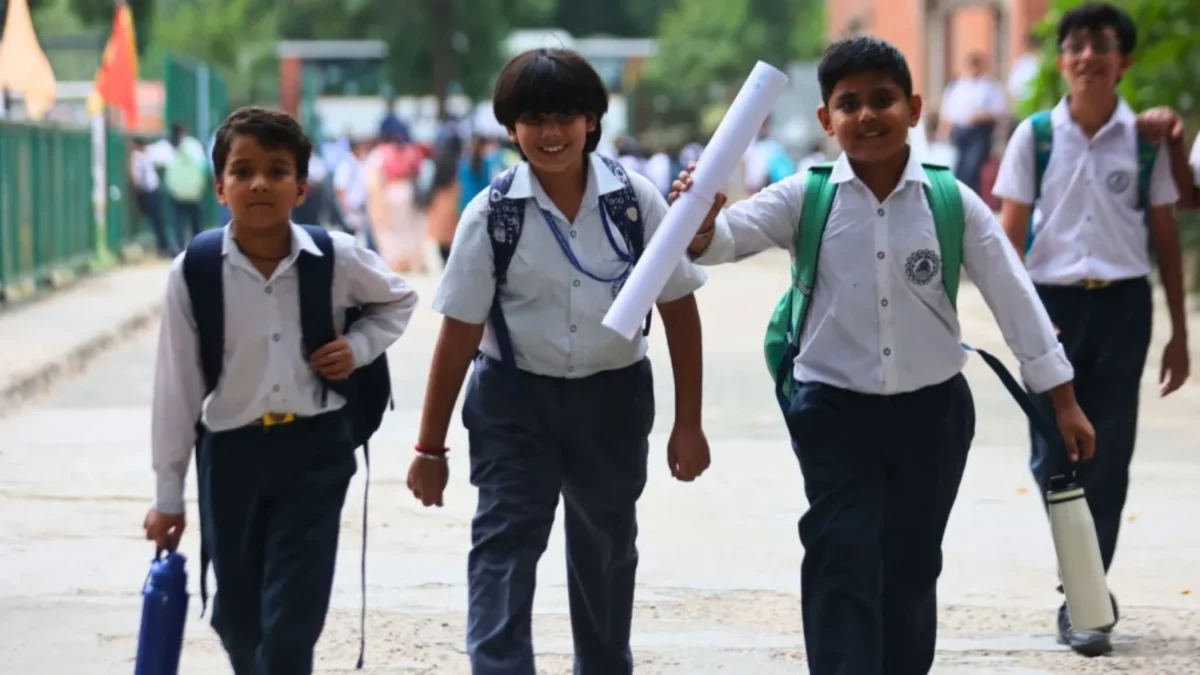
New Delhi, September 6, 2026 – In a significant move to facilitate the smooth conduct of the upcoming 18th BRICS Summit, the Directorate of Education, Delhi, has officially announced a holiday for all government-aided and unaided recognized private schools across the capital on Friday, September 11, 2026. The decision, outlined in a circular issued on September 5th, underscores the scale of the international event and the extensive preparations underway in New Delhi. Offices operating under the Directorate of Education will also observe the holiday, ensuring comprehensive disruption-free operations for the summit.
The 18th edition of the BRICS Summit, a pivotal gathering of major emerging economies, is slated to commence on September 11th and conclude on September 13th, with the prestigious Bharat Mandapam in New Delhi serving as the central venue. This annual summit brings together leaders from Brazil, Russia, India, China, and South Africa, often with the inclusion of invited guest nations, to deliberate on critical global economic, political, and social issues. India, as the host nation this year, has orchestrated a meticulous plan to ensure a successful and impactful summit.
The closure of schools on the eve of the summit’s commencement is a strategic measure to mitigate potential disruptions to traffic flow and public transportation, which are expected to be heavily impacted by the extensive security arrangements and the movement of international delegates. This decision directly affects thousands of students and educators, who are advised to remain informed about further updates through their respective school communication channels.
The Magnitude of the BRICS Summit and its Preparations
The BRICS Summit is not merely a diplomatic conclave; it represents a significant platform for fostering cooperation, discussing global challenges, and shaping international policy. The 18th edition, hosted by India, is anticipated to be a landmark event, focusing on themes of economic growth, sustainable development, and geopolitical stability in a rapidly evolving world order. The selection of New Delhi as the venue highlights the capital’s capability to host large-scale international events, albeit with considerable logistical and security challenges.
Preparations for the summit have been in full swing across the city for weeks, transforming various parts of New Delhi into a hub of diplomatic activity and enhanced security. The Directorate of Education’s decision to close schools is a direct consequence of these preparations, which involve extensive traffic management plans, security cordons, and the movement of VVIPs and their entourages.
A Chronology of Anticipation and Action:
- Early August 2026: Initial planning and coordination meetings between various government ministries, security agencies, and diplomatic representatives begin. Site inspections of the Bharat Mandapam and surrounding areas are conducted.
- Mid-August 2026: Delhi Police and other security forces commence advanced security drills and threat assessments. Discussions around traffic diversions and public access restrictions start taking shape.
- Late August 2026: The city begins to visibly transform with enhanced security presence and beautification projects. Preparations for official delegations’ accommodation and transport are finalized.
- September 1, 2026 onwards: Intensified security measures are implemented. Rehearsals for VVIP motorcades and official movements become a regular occurrence. Traffic management plans are put into effect on a trial basis.
- September 5, 2026: The Directorate of Education issues the circular announcing the holiday for schools on September 11th.
- September 11-13, 2026: The 18th BRICS Summit officially takes place at the Bharat Mandapam.
This timeline illustrates the progressive escalation of preparations, culminating in the decisive measure of closing educational institutions to ensure the seamless execution of the summit.
Unprecedented Technological Integration in Security and Traffic Management
In a pioneering initiative for the BRICS Summit, the Delhi Traffic Police are set to deploy drones for real-time traffic monitoring and congestion detection. This technological advancement signifies a commitment to leveraging cutting-edge solutions for managing the complex logistical challenges posed by such a high-profile event. The drone surveillance will provide aerial perspectives, enabling traffic authorities to identify bottlenecks, reroute vehicles efficiently, and respond promptly to any traffic-related incidents. This innovative approach is expected to significantly enhance the effectiveness of traffic management strategies during the summit.
Beyond technological integration, the city’s landscape is undergoing a significant aesthetic transformation. Officials have disclosed that 15 designated locations are being adorned with floral boards, nine with intricate flower fountains, and 17 roundabouts are being specially decorated and landscaped. These beautification efforts are not only aimed at presenting a visually appealing New Delhi to the international delegates but also reflect the national pride and hospitality India wishes to convey.
However, these extensive preparations come with inherent implications for the city’s residents. Citizens can anticipate encountering significant route diversions and temporary road closures in various parts of New Delhi, particularly in areas surrounding the Bharat Mandapam and key VVIP routes. The Delhi Traffic Police have been actively disseminating information regarding these potential disruptions, urging commuters to plan their journeys accordingly and utilize public transportation where feasible.
Supporting Data and Context: The Growing Significance of BRICS
The BRICS group, formed in 2009, represents a significant portion of the global population and economy. Its member states collectively account for approximately 40% of the world’s population and over 25% of the global GDP. The summit serves as a crucial forum for these nations to align their economic and foreign policy objectives, address shared challenges, and promote a more equitable global governance system.
India’s presidency of BRICS this year is particularly noteworthy. It offers an opportunity for the nation to further its diplomatic standing, advocate for its national interests on the global stage, and foster deeper cooperation among member states. Discussions are expected to revolve around a wide array of topics, including:
- Global Economic Recovery and Financial Stability: Strategies to navigate post-pandemic economic challenges, promote trade, and reform international financial institutions.
- Sustainable Development Goals (SDGs): Joint efforts to achieve the SDGs, focusing on climate action, poverty eradication, and equitable development.
- Digital Transformation and Innovation: Collaboration in emerging technologies, artificial intelligence, and the digital economy.
- Multilateralism and Global Governance: Strengthening international cooperation and reforming global governance structures to be more inclusive and representative.
- Regional Security and Geopolitical Cooperation: Addressing contemporary security threats and promoting peaceful resolutions to conflicts.
The summit’s outcomes are likely to have a tangible impact on global economic policies, trade agreements, and international relations, further underscoring the importance of its successful and unimpeded execution.
Official Responses and Citizen Advisory
The Directorate of Education’s circular has been met with understanding from educational stakeholders, who recognize the necessity of such measures for national security and diplomatic protocol. While the holiday may cause a temporary disruption to the academic calendar, the long-term benefits of hosting a successful international summit are widely acknowledged.
A senior official from the Directorate of Education, speaking on condition of anonymity, stated, "The safety and security of delegates, as well as the smooth functioning of the summit, are paramount. We have taken this decision in close coordination with the security agencies and the Delhi Police to minimize any potential inconvenience to the public. We urge parents and students to stay informed through their school’s official communication channels."
The Delhi Traffic Police have also issued advisories through various media platforms, including their website, social media, and press releases, detailing expected traffic diversions and congestion hotspots. Citizens are encouraged to:
- Plan journeys in advance: Factor in potential delays and explore alternative routes.
- Utilize public transportation: Metro services are expected to remain operational and are often the most efficient way to navigate the city during such events.
- Stay updated: Follow official traffic advisories and news updates.
- Exercise patience: Understand that temporary inconveniences are part of hosting a major international event.
Students and parents are specifically advised to check their respective school broadcasting groups and official school websites for any further announcements regarding the resumption of classes or any academic catch-up plans.
Implications for the Capital and Beyond
The closure of schools on September 11th is a microcosm of the broader impact the BRICS Summit will have on New Delhi. The city will experience heightened security presence, increased diplomatic activity, and potential disruptions to daily life. However, these temporary measures are in service of a larger objective: showcasing India’s capability as a global host and contributing to the vital discourse on international cooperation and development.
The success of the 18th BRICS Summit will not only be measured by the agreements reached or the declarations made but also by the seamless execution of its logistical and security arrangements. The decision to grant a holiday to schools is a testament to the meticulous planning and the collaborative effort involved in hosting such a significant global event. As New Delhi braces itself for the arrival of world leaders, the temporary closure of educational institutions serves as a clear indicator of the capital’s commitment to ensuring a secure and productive environment for the BRICS Summit of 2026.