

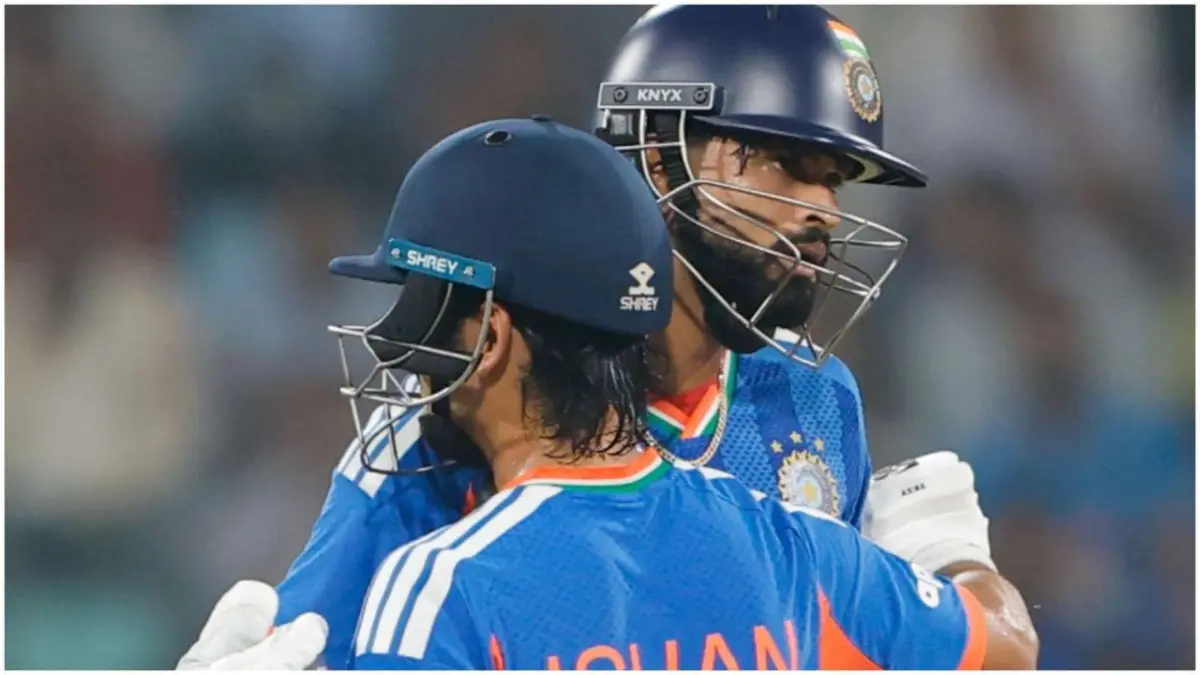
Lucknow, India – In a spectacular display of T20 cricket, India decisively defeated the West Indies by eight wickets in the first T20 International of the five-match series. The match, held at the iconic Ekana Cricket Stadium in Lucknow, saw Indian skipper Shreyas Iyer lead from the front with a breathtaking 42-ball century, guiding his team to chase down a competitive target of 172 runs with 32 balls to spare. This dominant performance not only gives India a crucial early lead in the series but also sets a formidable tone for the challenges ahead.
The Ekana Cricket Stadium, known for its well-maintained pitch and significant dew factor in evening games, provided a perfect stage for a high-scoring encounter. India’s clinical chase, spearheaded by Iyer’s record-breaking innings – the fastest T20I century by an Indian against the West Indies – underscored their intent and depth, leaving the West Indies with significant introspection required for the remainder of the series.
A Chronological Account of Dominance
The narrative of the match unfolded in distinct phases, each punctuated by moments of individual brilliance and strategic execution.
Toss and Tactical Decisions
The evening began with Indian captain Shreyas Iyer winning the toss, a moment of tactical advantage that proved pivotal. Opting to field first, Iyer cited the pervasive dew factor as the primary reason for his decision. The Indian management clearly believed that chasing under lights, with the ball likely to skid onto the bat in the latter half of the innings, would be a more manageable proposition. This strategic call put the onus on the West Indies batsmen to post a formidable total, knowing that India would have the benefit of a dew-laden outfield and a potentially easier batting surface later on. West Indies captain Shai Hope acknowledged the challenge, expressing his team’s readiness to adapt and put up a strong total, regardless of the conditions.
)
West Indies’ Innings: A Tale of Resilience and Collapse
The West Indies began their innings with a decent intent, but their start was quickly marred by a flurry of wickets. The Powerplay overs proved challenging for the visitors as India’s bowlers applied early pressure. It was Arshdeep Singh who drew the first blood in the 5th over, dismissing the dangerous Kamil Pooran, who looked to accelerate but found himself outmanoeuvred. This wicket opened the floodgates, and soon after, Shimron Hetmyer fell victim to a sharp piece of fielding, run out at a crucial juncture. The troubles compounded for the West Indies when Rovman Powell, another key power-hitter, was scalped by the wily Axar Patel within the Powerplay, leaving the visitors reeling at a precarious position.
However, the West Indies are known for their resilience in the shortest format, and their skipper, Shai Hope, stepped up to the challenge. Hope displayed a commendable temperament, anchoring the innings and meticulously building partnerships. His aggressive yet calculated approach saw him reach a well-deserved half-century, breathing life back into the West Indies’ innings. His knock was vital in stemming the flow of wickets and setting a platform for a potential late surge.

The momentum, however, shifted once more with the introduction of Naman Dhir, who marked his debut with a significant breakthrough. Dhir, bowling with confidence, dismissed the set Shai Hope, claiming his maiden international wicket and puncturing the West Indies’ hopes of a truly massive total. Following Hope’s departure, the West Indies suffered another mini-collapse, losing four wickets in quick succession. At this point, it seemed as if the visitors would struggle to even reach the 160-run mark, their innings appearing to be in disarray.
Just when all seemed lost, Sherfane Rutherford emerged as the unlikely hero for the West Indies. Rutherford, known for his explosive hitting, unleashed a blistering counter-attack that completely changed the complexion of the innings. He shifted gears with remarkable ease, slamming six boundaries and three towering maximums, bringing up his half-century in rapid fashion. His audacious stroke play not only pulled the West Indies out of a deep hole but also propelled them towards a competitive total. There was a period during Rutherford’s onslaught where even the 190-run mark seemed within reach, a stark contrast to the earlier struggles. However, Mayank Yadav, another promising Indian talent, delivered a crucial blow in the 19th over, dismissing Rutherford and curtailing the damage. In the very next over, the final wicket of Akeal Hosein fell, bringing an end to the West Indies’ innings at a respectable, albeit challenging, 171 runs.
)
India’s Chase: Iyer’s Masterclass and Clinical Execution
Chasing a target of 172, India’s innings began with an aggressive intent, signalling their clear strategy to dominate from the outset. Abhishek Sharma, opening the innings, wasted no time in punishing Matthew Forde in the very first over, unleashing two crisp boundaries and a maximum. The bowler leaked 15 runs in that opening over, a clear indication of India’s attacking mindset. However, Sharma’s promising innings was cut short in the third over by Roston Chase, who cleverly outsmarted the Indian opener by changing his angle and coming over the wicket. The early dismissal brought Sanju Samson to the crease, but his stay was also brief, as he became prey to Akeal Hosein in the very next over, leaving India with two quick wickets down.
Despite these early setbacks, India maintained their composure. By the end of the Powerplay, India had recovered well, reaching 62/2, with captain Shreyas Iyer and Ishan Kishan at the crease. This partnership proved to be the turning point of the chase. Both batters displayed exceptional understanding, rotating the strike effectively and punishing loose deliveries with precision. They maintained a consistent run rate, ensuring that the required rate never spiralled out of control. The West Indies bowlers, despite their early success, failed to pick up any further wickets, allowing Iyer and Kishan to dictate terms.
)
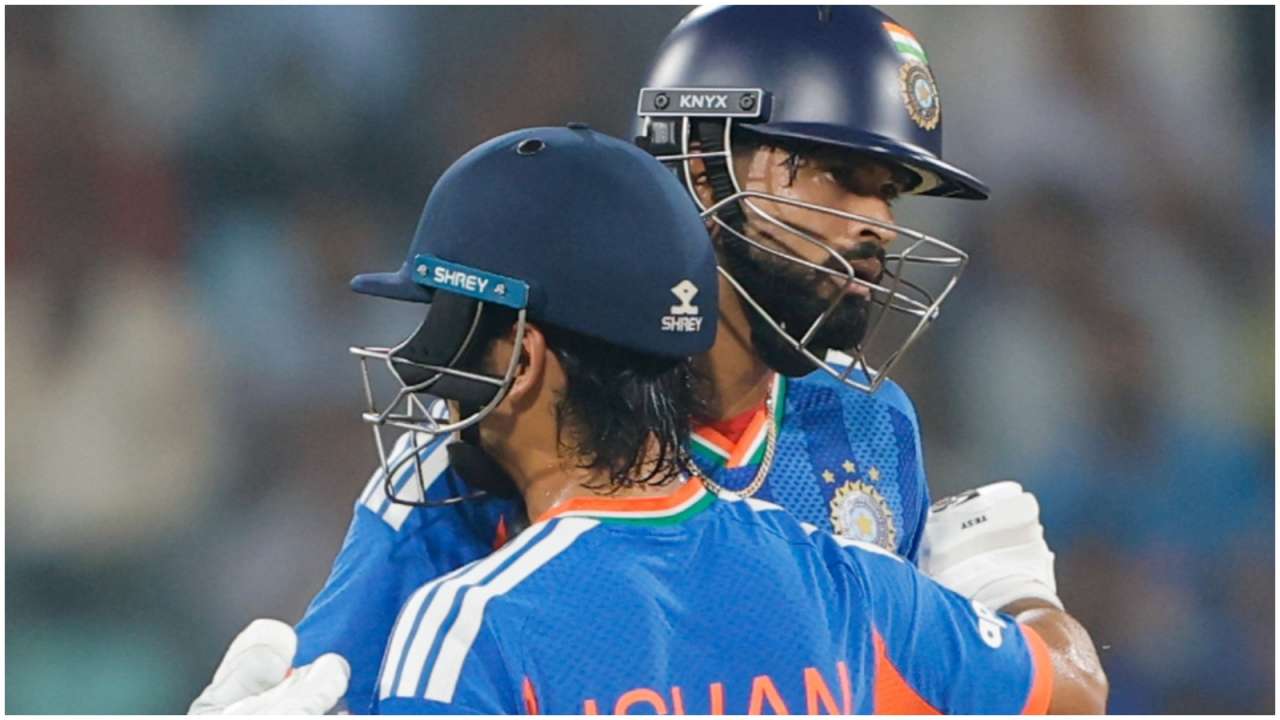
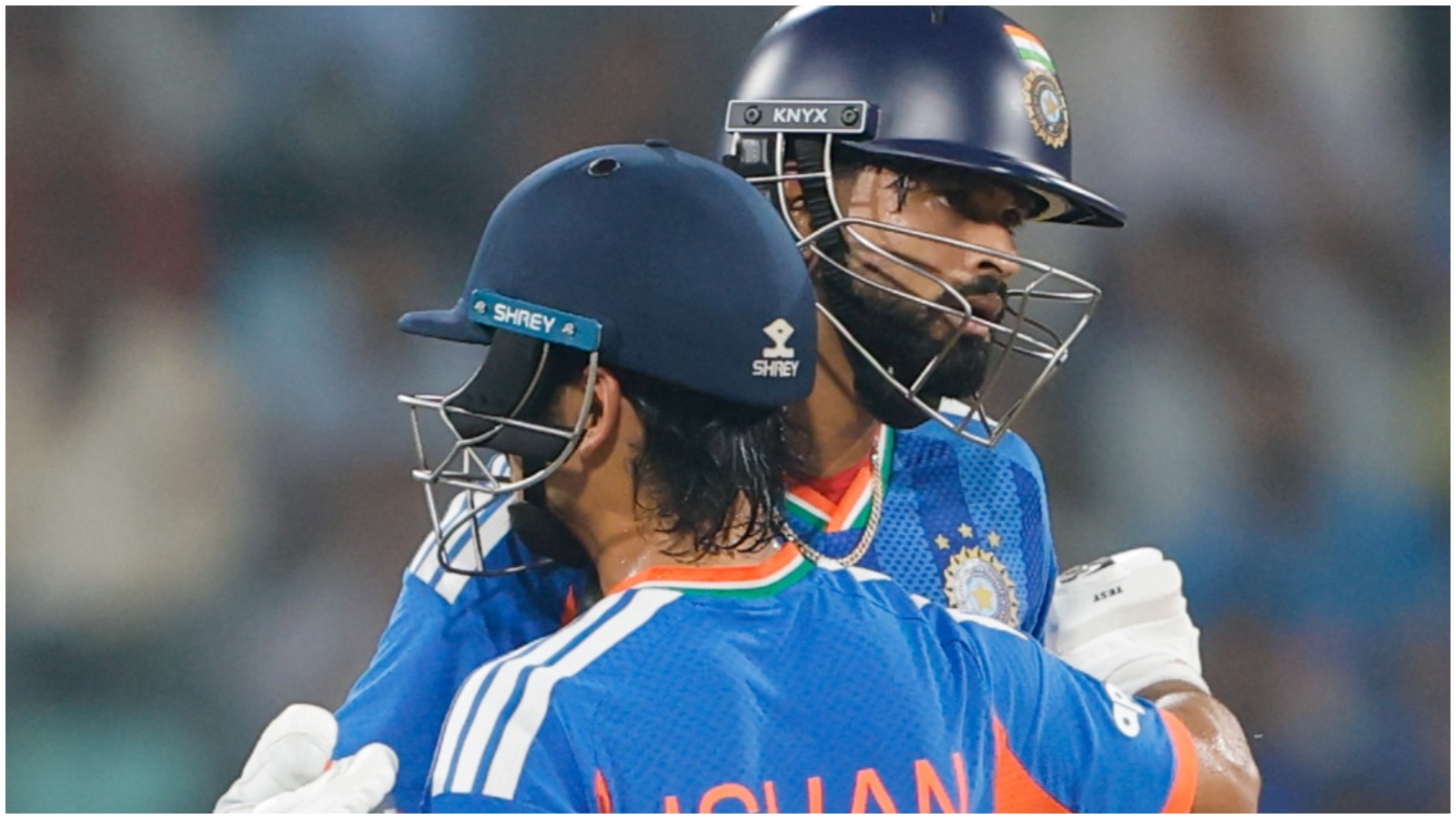
The highlight of the chase, undoubtedly, was Shreyas Iyer’s magnificent century. The Indian skipper accelerated with incredible speed, converting singles into doubles and finding the boundaries with remarkable regularity. His innings was a masterclass in T20 batting, combining aggressive strokeplay with intelligent shot selection. He reached his century in just 42 balls, a remarkable feat that not only etched his name in the record books as the fastest by an Indian in a T20 game against the West Indies but also showcased his sublime form and leadership qualities. Ishan Kishan provided excellent support, playing a crucial anchor role and allowing Iyer to express himself freely. The partnership blossomed, dismantling the West Indies’ bowling attack with clinical precision.
In the end, India cruised to victory with absolute ease, achieving the target with 8 wickets in hand and a staggering 32 balls to spare. The chase was a testament to India’s batting depth, strategic planning, and the sheer brilliance of their captain.
)
Supporting Data and Key Performances
The match statistics paint a clear picture of India’s dominance and highlight the individual performances that shaped the outcome.
Batting Statistics
- Shreyas Iyer (India): 100* runs off 42 balls (Strike Rate: 238.09), including 10 Fours and 6 Sixes. His century was the fastest by an Indian against the West Indies in T20Is, underscoring his aggressive yet controlled batting.
- Sherfane Rutherford (West Indies): 51 runs off 28 balls (Strike Rate: 182.14), featuring 6 Fours and 3 Sixes. Rutherford’s late surge was instrumental in lifting West Indies to a competitive total, providing much-needed impetus when his team was struggling.
- Shai Hope (West Indies): 53 runs off 39 balls (Strike Rate: 135.89), with 5 Fours and 1 Six. Hope anchored the innings effectively, stabilizing the batting after early wickets.
- Ishan Kishan (India): 45* runs off 30 balls (Strike Rate: 150.00), including 4 Fours and 2 Sixes. Kishan played a perfect supporting role to Iyer, ensuring the scoreboard kept ticking.
- Abhishek Sharma (India): 18 runs off 8 balls (Strike Rate: 225.00), featuring 2 Fours and 1 Six. A brief but explosive start that set the tone for India’s aggressive chase.
Team Totals:
)
- West Indies: 171 all out in 20 overs.
- India: 172/2 in 14.4 overs.
Bowling Statistics
- Arshdeep Singh (India): 4-0-32-1. Provided the crucial first breakthrough, setting the tone for India’s bowling effort.
- Axar Patel (India): 4-0-28-1. Economic spell, picking up a key wicket in the Powerplay.
- Mayank Yadav (India): 4-0-35-1. Claimed the vital wicket of Sherfane Rutherford, preventing West Indies from reaching an even higher total.
- Naman Dhir (India): 3-0-25-1. A memorable debut, dismissing the set Shai Hope for his maiden international wicket.
- Roston Chase (West Indies): 2-0-18-1. Dismissed Abhishek Sharma, providing an early breakthrough for West Indies.
- Akeal Hosein (West Indies): 3-0-25-1. Accounted for Sanju Samson, keeping West Indies in the game early on.
Fielding Highlights
The run-out of Shimron Hetmyer was a moment of sharp fielding by India, turning the pressure back on the West Indies early in their innings. Overall, India’s ground fielding and catching were crisp, backing up their bowlers effectively.
Official Responses and Player Reactions
The post-match proceedings offered insights into the captains’ perspectives and the Man of the Match’s reflections.
)
Post-Match Presentation – Captains’ Views
Shreyas Iyer, India Captain: "It feels fantastic to start the series with such a dominant win. The boys showed great character. Winning the toss and opting to bowl was a calculated risk due to the dew, and our bowlers executed the plan perfectly to restrict them to 171. We knew 170 was chaseable on this wicket, especially with the dew factor. My century was a result of backing my instincts and having the support of Ishan at the other end. We focused on building partnerships and keeping the scoreboard ticking. The debutants, Naman and Mayank, showed great composure, and it’s always great to see new talent stepping up. This is a brilliant start, but we know the West Indies are a dangerous side, and we won’t be complacent."
Shai Hope, West Indies Captain: "It’s a tough loss to take, especially after Sherfane [Rutherford] played such a fantastic innings to get us to a respectable total. We felt 171 was competitive, but India’s batting, particularly Shreyas Iyer, was just exceptional tonight. We started well with the ball, getting two quick wickets, but we couldn’t capitalize on that momentum. Our bowlers struggled to pick up wickets in the middle overs, and the dew certainly made it harder to grip the ball. We need to go back to the drawing board, assess our bowling plans, and ensure we come back stronger in the next game. Rutherford’s knock was a huge positive for us, and we need more such collective efforts."
)
Man of the Match Interview
Shreyas Iyer (India): "Receiving the Man of the Match award is always special, but the victory for the team is what truly matters. I’ve been working hard on my game, and it felt great to convert that hard work into a match-winning performance. The pitch was good, and once I got my eye in, I just tried to play my natural game. The support from the crowd in Lucknow was incredible, it always motivates you. This century gives me immense confidence, and I hope to carry this form forward throughout the series. It’s about staying focused and continuing to execute our plans."
Expert Opinions
Cricket pundits and former players lauded Iyer’s innings and India’s overall performance. Legendary commentator Harsha Bhogle tweeted, "What a statement from Shreyas Iyer! A captain’s knock of the highest order. India looks formidable from the very first ball of this series." Former Indian opener Virender Sehwag remarked on a sports channel, "Iyer’s innings was pure T20 batting at its best. He didn’t just hit boundaries, he picked his spots and dominated. This kind of form is dangerous for any opposition." The consensus was clear: India had sent a strong message to the West Indies and the cricketing world.
)
Implications and Series Outlook
The first T20I in Lucknow has significant implications for both teams as the series progresses.
India’s Strong Start
This dominant victory provides India with a massive confidence boost and crucial momentum heading into the remainder of the series. The clinical nature of their win, especially chasing down a decent total with so many balls to spare, highlights the depth and quality of their squad. Shreyas Iyer’s captaincy and his personal form are major positives. His record-breaking century not only showcased his individual brilliance but also reinforced his leadership credentials. Furthermore, the contributions of debutants Naman Dhir and Mayank Yadav, particularly Dhir’s debut wicket and Yadav’s crucial dismissal of Rutherford, indicate a healthy talent pipeline and an effective testing of India’s bench strength. This early psychological advantage could be vital in a five-match series, putting the West Indies under immediate pressure. India has demonstrated that they are a well-oiled machine, capable of adapting to conditions and executing plans under pressure.
)
West Indies’ Challenges Ahead
For the West Indies, this loss serves as a stark reminder of the challenges they face against a top-tier Indian side. While Sherfane Rutherford and Shai Hope’s half-centuries were commendable, their reliance on individual brilliance rather than a collective batting effort remains a concern. The bowling attack, despite picking up two early wickets, struggled significantly against Iyer and Kishan, failing to create sustained pressure or pick up wickets in the middle overs. The dew factor, while acknowledged, cannot be the sole excuse for their inability to defend a competitive total.
West Indies will need to regroup quickly and make strategic adjustments, especially in their bowling combinations and execution. They will need to devise plans to counter India’s aggressive top-order batsmen and find ways to break partnerships. Their fielding, too, will need to be sharper to convert half-chances into wickets. The pressure is now squarely on them to bounce back in the next game to keep the series alive and prevent India from gaining an unassailable lead.
)
What Lies Ahead?
The series now moves to its next fixture, with both teams keenly aware of the stakes. India will aim to carry forward their winning momentum and perhaps experiment further with their squad depth. For the West Indies, the upcoming matches are crucial for salvaging pride and demonstrating their capabilities as a T20 force. The series promises more exciting cricket, with each match now holding greater significance. The contest is not just about the series trophy but also about individual performances and team strategies as both nations continue their preparations and assessments for future international assignments, including the ICC T20 World Cup.
The Ekana Stadium Experience
The Ekana Cricket Stadium once again proved to be an excellent venue for international cricket. The pitch offered a good balance between bat and ball, and the large, enthusiastic crowd provided a vibrant atmosphere, cheering every boundary and wicket. The facilities were top-notch, contributing to a memorable cricketing experience for players and fans alike. The match highlighted how the dew factor often plays a crucial role in evening games in India, influencing captains’ decisions at the toss and adding another layer of strategic complexity to the game.
)
India’s dominant victory in the first T20I serves as a powerful opening statement, setting a high benchmark for the rest of the series. The West Indies, though defeated, showed flashes of brilliance, particularly through Rutherford’s innings, suggesting that they have the potential to challenge if they can bring a more consistent and collective performance. The stage is set for an enthralling contest as the series unfolds.
