

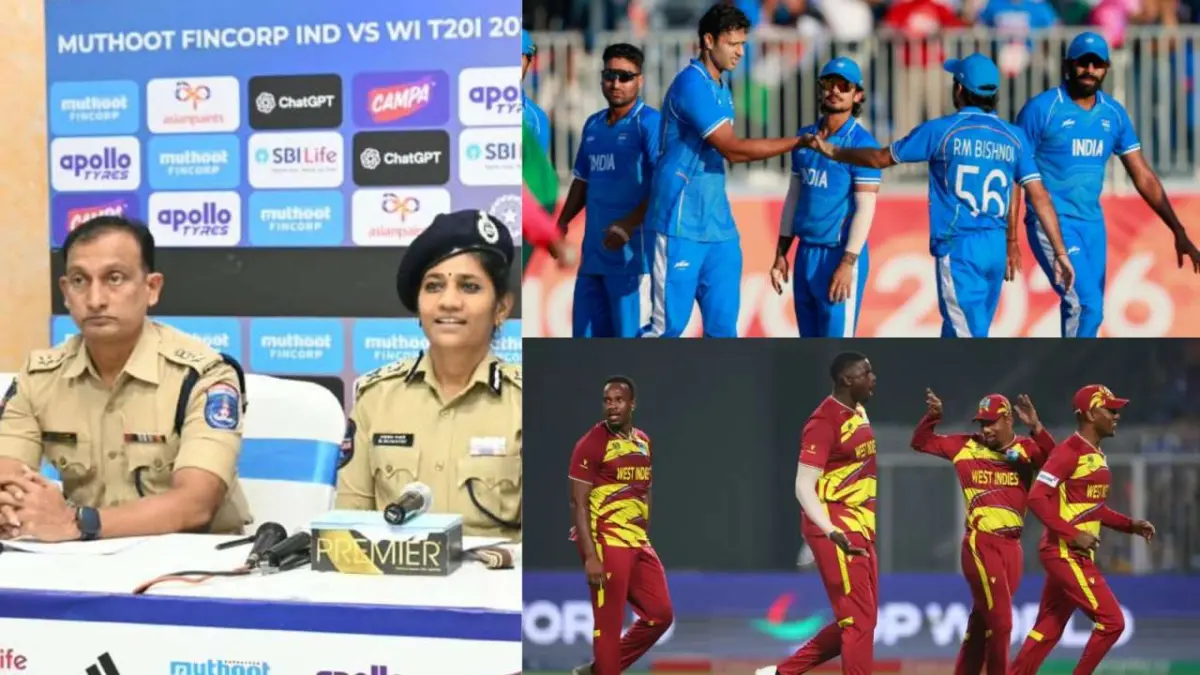
Hyderabad, India – The cricketing world’s gaze turns to the Rajiv Gandhi International Stadium in Uppal this Wednesday, as the city prepares to host the highly anticipated fourth Twenty20 International between India and West Indies. With approximately 40,000 fervent spectators expected to descend upon the stadium, authorities have meticulously crafted an extensive security and traffic management plan, deploying a staggering 2,200 police personnel to ensure the smooth and safe conduct of the event. The comprehensive arrangements, spearheaded by Malkajgiri Commissioner B. Sumathi, underscore the city’s commitment to delivering a world-class experience for both players and fans while prioritizing public safety and convenience.
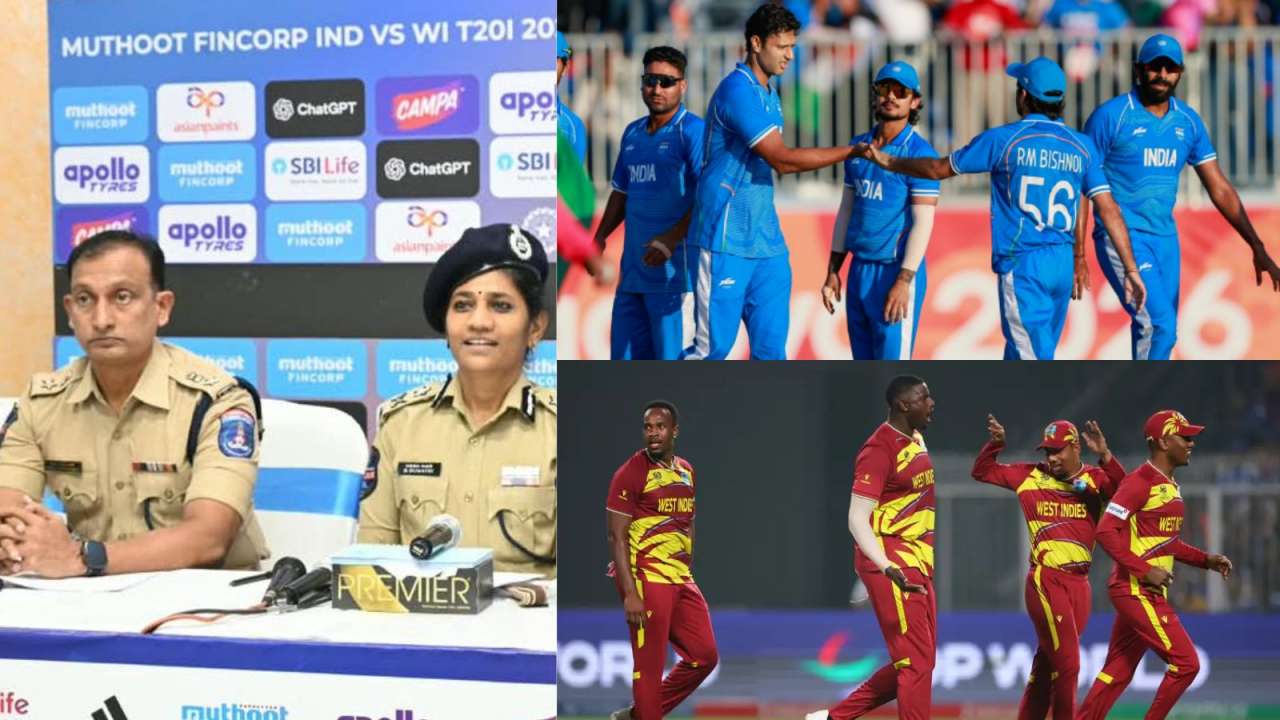
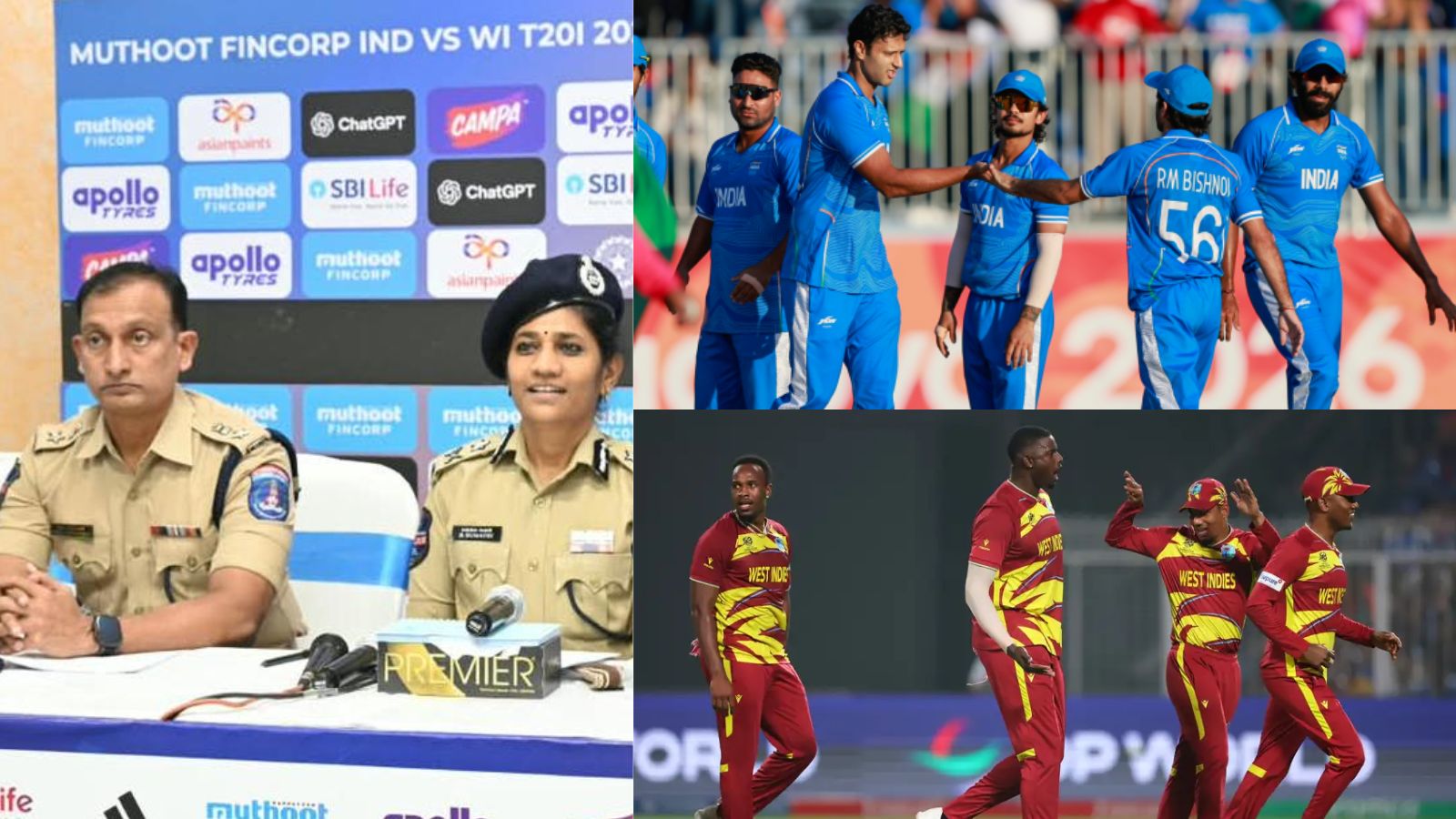
The fixture, a crucial encounter in the series, promises to be a thrilling spectacle, drawing fans from across the region and beyond. Recognising the monumental logistical challenge posed by such a high-profile event, local law enforcement and civic bodies have collaborated for weeks to fine-tune every aspect of the operational strategy. From advanced surveillance technologies to elaborate traffic diversions and enhanced public transport options, Hyderabad is leaving no stone unturned to ensure the match proceeds without a hitch, cementing its reputation as a premier host for international sporting events.
The Grand Spectacle: A City Braces for Cricket Fever
)
Hyderabad, a city steeped in a rich sporting legacy, particularly cricket, has always embraced international fixtures with unparalleled enthusiasm. The Rajiv Gandhi International Stadium in Uppal, a modern facility with a seating capacity of over 55,000, has witnessed numerous historic moments, and Wednesday’s India-West Indies clash is set to add another chapter to its illustrious history. The excitement in the air is palpable, with fans eagerly awaiting the arrival of their cricketing heroes and the thrilling contest that awaits.
Chronology of Planning and Preparation:

The groundwork for this extensive operation began weeks in advance, long before the first ball was even contemplated for this specific fixture. Typically, the Hyderabad Cricket Association (HCA), the organising body, collaborates closely with various government departments including the Hyderabad City Police, Traffic Police, Greater Hyderabad Municipal Corporation (GHMC), and the district administration. Multiple high-level meetings are convened, bringing together representatives from all involved agencies to discuss and finalise the security blueprint, traffic advisories, emergency response protocols, and logistical support.
Initial consultations would have focused on assessing potential crowd numbers, identifying high-risk zones, and reviewing past experiences from similar large-scale events. This preliminary phase involves intelligence gathering to pre-empt any potential disruptions, be it from unruly elements, anti-social activities, or even unforeseen technical glitches. The Commissioner’s office would have been central to coordinating these efforts, ensuring a unified command and control structure for effective execution on match day.
)
As the match day drew closer, the planning intensified. Specific deployment points for police personnel were mapped out, surveillance camera locations finalised, and traffic diversion routes meticulously planned and communicated to the public. Contingency plans for various scenarios, including medical emergencies, fire hazards, and potential stampedes, were also developed and rehearsed. Furthermore, liaison was established with essential service providers like electricity, water, and crucially, telecom operators, to ensure uninterrupted services throughout the event. This multi-faceted, chronological approach to planning is critical to managing an event of this magnitude successfully.
Unprecedented Security Grid: A Fortress Around Uppal
)
At the heart of Hyderabad’s preparations is a formidable security apparatus designed to create a secure and serene environment for all attendees. Commissioner B. Sumathi highlighted the comprehensive measures, painting a picture of a meticulously guarded venue.
H3: Manpower and Technology Integration:
A contingent of approximately 2,200 police personnel forms the backbone of the security deployment. This force is not merely a visible presence; it comprises a diverse range of units, including uniformed officers, plainclothes detectives, Rapid Action Force (RAF) personnel, bomb disposal squads, and dog squads. Their duties extend beyond perimeter control to include crowd management inside and outside the stadium, access control, and rapid response to any emerging situation. Each officer is briefed on their specific role, communication protocols, and emergency procedures, ensuring a coordinated and efficient response.
)
Technological integration plays a pivotal role in augmenting human surveillance. A network of 408 high-definition CCTV cameras has been strategically installed across the stadium premises, covering every entry and exit point, seating area, concourse, and surrounding thoroughfare. These cameras feed real-time footage to a centralised command and control centre, where a dedicated team monitors activity for suspicious behaviour or potential threats. The integration of two advanced drones further enhances aerial surveillance capabilities, providing an overhead view of the crowd and traffic flow, enabling quick identification of bottlenecks or large gatherings that might require intervention.
H3: Specialized Teams and Targeted Surveillance:
Beyond general security, specific teams have been constituted to address particular concerns. Four undercover police teams will be discreetly deployed within the crowd. Their primary objective is to identify and apprehend individuals involved in illegal activities such as black-marketing of tickets, pickpocketing, or other anti-social behaviour, without causing undue alarm among general spectators. This covert presence acts as a significant deterrent and an effective tool for maintaining law and order.
)
In a proactive move to ensure the safety and comfort of female spectators, five dedicated ‘She Teams’ will be on patrol. These teams, comprising female police officers, are trained to address issues of harassment, eve-teasing, and provide immediate assistance to women in distress. Their presence underscores the authorities’ commitment to creating an inclusive and safe environment for all attendees, especially women, who constitute a significant portion of the cricketing audience.
Furthermore, special teams have been designated to monitor and curb drug-related activities. Large public gatherings can sometimes be exploited for the illicit sale and consumption of narcotics. These teams, often working in conjunction with undercover units, will be vigilant in identifying individuals involved in such activities, ensuring that the stadium environment remains free from illegal substances. This multi-layered approach to security, combining overt policing with covert operations and advanced technology, aims to create an impregnable fortress around the Uppal stadium.
)
Navigating the Urban Maze: Comprehensive Traffic Management
The influx of 40,000 spectators into a single venue poses a significant challenge for urban traffic management. To mitigate potential congestion and ensure smooth vehicular and pedestrian movement, the Traffic Police have devised an elaborate plan encompassing parking, route diversions, and public transport augmentation.
)
H3: Detailed Parking Solutions:
Recognising the diverse needs of spectators, the Traffic Police have designated parking spaces for approximately 8,000 vehicles. This capacity is meticulously distributed, with provisions for 4,600 four-wheelers and 3,400 two-wheelers. A tiered parking system has been implemented:
- VVIP/VIP and Authorized Pass Holders: Only vehicles belonging to VVIPs, VIPs, and those with authorised passes will be permitted inside the stadium premises. Access for these privileged vehicles will be strictly controlled via designated entry points such as the LG Godown and EK Minar check posts, ensuring seamless entry and exit for high-profile guests.
- General Spectator Parking: For the vast majority of general spectators, parking has been identified at several strategic locations surrounding the stadium. On the Uppal-Ramanthapur Road, major parking hubs include Jain Properties, Modern Bakery, and Agarwal Properties. Additionally, TG IALA on Uppal-Habsiguda Road will serve as another key parking area. To further expand capacity and provide convenience, additional parking spaces have been earmarked near the NGRI Metro Station and Stadium Metro Station, encouraging the use of public transport for the final leg of the journey. The authorities strongly advise spectators to utilise these designated parking spots to avoid towing or fines.
H3: Route Plans and Traffic Diversions:
To manage the flow of traffic efficiently, detailed route plans have been outlined for spectators arriving from various parts of the city. These plans aim to guide vehicles along specific corridors, minimising cross-traffic and potential bottlenecks. Moreover, a critical aspect of the traffic management plan involves the diversion of heavy vehicles from specific points and routes around the stadium area during peak hours on match day. This measure is designed to reduce the overall traffic load and enhance safety for commuters and pedestrians alike. Clear signage and traffic marshals will be deployed extensively to guide drivers and ensure adherence to the diversion routes.
)
H3: Public Transport Augmentation and Connectivity:
Understanding that public transport is key to reducing private vehicle dependency, authorities have made specific requests to the Telangana State Road Transport Corporation (TSRTC) and Hyderabad Metro Rail Limited (HMRL) to extend their services. RTC buses are expected to operate on increased frequencies on routes leading to Uppal, with extended operational hours to facilitate the departure of spectators after the match concludes, often late into the night. Similarly, the Metro Rail services, a lifeline for many Hyderabad commuters, are anticipated to extend their operational timings, offering a swift and convenient mode of transport to and from the stadium. This collaborative effort between transport agencies aims to provide robust last-mile connectivity and ease the post-match exodus.
Furthermore, the police have indicated that traffic may be temporarily stopped at key junctions for emergencies, ensuring that emergency vehicles have unimpeded access to and from the stadium. These temporary halts, while potentially causing minor inconvenience, are crucial for maintaining an effective emergency response system.
)
H3: Critical Network Connectivity:
In a modern context, seamless communication is as vital as physical security. Officials have proactively engaged with major telecom companies – Airtel, Jio, and Vodafone Idea – requesting them to expand their network capacity surrounding the stadium. This crucial step aims to prevent connectivity problems that often plague large gatherings, ensuring that spectators can communicate, access digital tickets, and use online services without disruption. Robust network connectivity is also essential for the various security and operational teams to coordinate effectively.
H3: Spectator Advisory:
To ensure a hassle-free experience, spectators have been strongly advised to:
)
- Reach Early: Arriving well in advance of the 7 PM start time will allow ample time for security checks, finding seats, and avoiding last-minute rushes.
- Use Public Transport: Leveraging RTC buses and the Metro Rail is highly recommended to circumvent traffic congestion and parking woes.
- Buy Tickets from Authorised Sources Only: This critical advisory aims to prevent exploitation by black-marketeers and ensure valid entry into the stadium.
Beyond the Boundary: Implications for Fans and City
The extensive preparations for the India-West Indies T20 match hold significant implications, not just for the immediate event but also for the broader urban fabric and the city’s future as a host of international spectacles.
)
H3: Enhanced Spectator Experience vs. Restrictions:
While the comprehensive security and traffic measures are designed to ensure safety and convenience, they inevitably come with certain restrictions. Spectators will encounter multiple layers of security checks, including frisking and baggage screening, which can lead to longer queues. Prohibited items, such as outside food, water bottles, power banks, and large bags, will be strictly enforced. While these measures are essential for security, they might slightly impact the spontaneity and freedom of movement for some fans. However, the overarching benefit is a secure environment, allowing fans to focus on the game without undue worry. The availability of extended public transport services, particularly the Metro, is a significant positive, offering a reliable escape route from the post-match rush.
H3: Economic and Social Ripples:
A major international cricket match injects significant economic activity into the local economy. Hotels, restaurants, and local businesses, especially those near the stadium and public transport hubs, witness a surge in patronage. Street vendors and hawkers, despite the security restrictions, often find opportunities around the periphery of such events. Beyond direct economic impact, such events foster a sense of community pride and provide entertainment for a diverse audience, bridging social divides through the shared passion for cricket.
)
H3: Civic Responsibility and Future Preparedness:
The success of such a large-scale operation hinges not only on the efficiency of the authorities but also on the cooperation of the public. Adherence to advisories regarding parking, traffic diversions, and security protocols by citizens is paramount. The lessons learned from managing this event will be invaluable for Hyderabad’s future preparedness in hosting other national and international events, be it sporting tournaments, conferences, or cultural festivals. Each successful execution refines the city’s operational blueprints and enhances its reputation as a capable and secure host.
H3: The Larger Message:
Ultimately, the meticulous planning and execution for the India-West Indies T20 match send a powerful message. It demonstrates Hyderabad’s capacity to manage complex logistical and security challenges associated with large-scale international events. It assures international sporting bodies, teams, and fans that the city prioritizes safety and aims to provide an exceptional experience. This commitment reinforces Hyderabad’s position on the global sporting map, promising many more memorable encounters on its hallowed grounds.
)
In conclusion, as the clock ticks down to Wednesday’s 7 PM showdown, Hyderabad stands ready. The deployment of 2,200 police personnel, coupled with cutting-edge surveillance and a meticulously planned traffic strategy, underscores the city’s unwavering commitment to safety and efficiency. Spectators are urged to heed official advisories, embrace public transport, and immerse themselves in the spirit of cricket, confident in the knowledge that every effort has been made to ensure a secure, smooth, and unforgettable experience at the Rajiv Gandhi International Stadium.
