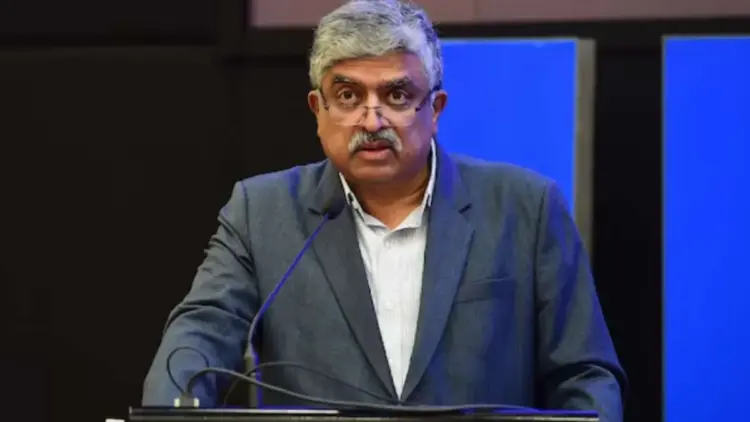
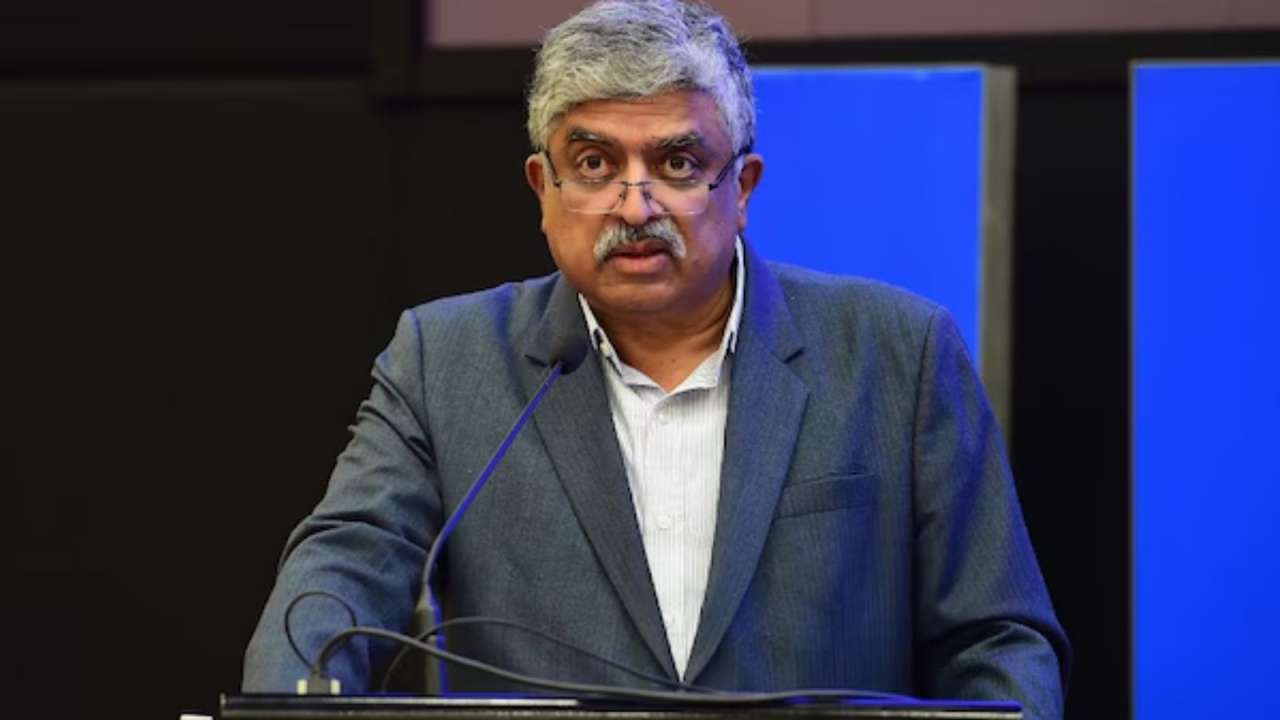
New Delhi, India – October 14, 2026 – In a bold and forward-thinking move to tackle the persistent menace of examination paper leaks, Nandan Nilekani, the visionary co-founder of Infosys and a key figure in India’s digital transformation, has put forth a groundbreaking proposal: the immediate, AI-powered generation of question papers. This radical suggestion, unveiled at the prestigious Bloomberg New Economy Forum 2026 on Tuesday, advocates for a fundamental shift in how examinations are conducted, moving towards a fully computer-based testing (CBT) model to render traditional paper leaks obsolete.
Nilekani, who currently chairs a six-member government-appointed task force dedicated to reforming the examination system, articulated his vision as a direct response to the economic incentives that fuel the illicit trade of leaked question papers. The current system, he argued, creates a predictable target, making it vulnerable to exploitation. By leveraging advanced artificial intelligence, question papers could be generated dynamically, moments before the examination commences, thereby eliminating the window of opportunity for leaks.
The Genesis of a Groundbreaking Idea: Addressing a Deep-Rooted Problem
The persistent issue of paper leaks has plagued India’s examination landscape for years, eroding the credibility of crucial recruitment and entrance tests. From the National Eligibility cum Entrance Test (NEET) for medical admissions to various competitive exams for government jobs, the specter of leaks has consistently cast a shadow over meritocracy and fairness. These incidents not only disenfranchise deserving candidates but also fuel public distrust in the examination bodies.
It was against this backdrop of widespread concern and mounting pressure that the central government established a high-powered task force on July 26th. The resignation of the then Education Minister, Dharmendra Pradhan, in the wake of significant protests surrounding paper leaks, underscored the gravity of the situation and the urgent need for comprehensive reform. Nandan Nilekani, a name synonymous with technological innovation and administrative efficiency in India, was entrusted with the formidable task of spearheading this reform initiative.
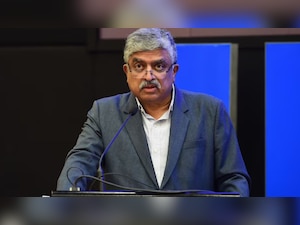
The task force, comprising distinguished individuals such as former ISRO chief S. Somanath and former IB director Tapan Deka, was given a three-month mandate to devise a robust and sustainable solution. In its relatively short but intensive tenure, the panel has reportedly conducted 18 internal meetings and engaged in extensive consultations with over 40 stakeholders, including students, parents, and representatives from major exam conducting agencies like the National Recruitment Agency (NRA), the Staff Selection Commission (SSC), and the Railway Recruitment Boards (RRB). This broad engagement has yielded a wealth of insights, with over 50,000 suggestions being collected from across the country, reflecting the widespread desire for a more transparent and equitable examination process.
The AI-Powered Panacea: Dynamic Question Paper Generation
Nilekani’s proposal to utilize Artificial Intelligence for the last-minute generation of question papers is a direct attempt to sever the economic incentive that drives paper leaks. "Why do we need to have something called ‘a question paper’?" he questioned rhetorically at the Bloomberg New Economy Forum. "Because that creates an economic incentive for it to be sold." His proposed solution involves creating an expansive, AI-curated question bank from which individual question papers for each examination session would be dynamically generated.

The rationale behind this approach is elegantly simple yet profoundly impactful. In the current paradigm, a static question paper, once finalized, becomes a tangible commodity vulnerable to interception. By shifting to a model where the actual examination paper is constructed mere moments before its administration, the opportunity for leaks is effectively eliminated. This would necessitate a highly sophisticated AI system capable of:
- Vast Question Bank Management: Maintaining a colossal repository of questions across all subjects and difficulty levels, meticulously tagged and categorized.
- Algorithmic Question Selection: Developing robust algorithms to ensure fairness, balance, and appropriate difficulty across different generated papers, preventing any bias or predictability.
- Real-time Generation: Seamlessly generating unique question papers for each candidate or examination center within minutes of the scheduled start time.
- Security and Integrity: Implementing stringent cybersecurity measures to protect the AI system and the question bank from any unauthorized access or manipulation.
While Nilekani acknowledged that this model is contingent upon the widespread adoption of computer-based testing, he did not explicitly address the potential risks of the question bank itself being compromised. This remains a critical area that the task force will undoubtedly need to thoroughly investigate and secure. The integrity of the question bank is paramount, as any breach here would undermine the entire initiative.

The Inevitable Shift: Embracing Computer-Based Testing (CBT)
The cornerstone of Nilekani’s proposed solution is the unequivocal shift towards computer-based testing (CBT) for all major examinations. He stated that the task force is actively exploring the implementation of CBT across the board, recognizing its inherent advantages in facilitating dynamic question paper generation.
"The committee is looking at how to make sure all exams are done on CBT. That requires a network of locations," Nilekani explained. This implies a significant expansion of existing testing infrastructure. He highlighted the potential to leverage the existing network of approximately 150,000 locations where young candidates can currently take tests, suggesting a strategic plan to scale up these facilities to accommodate the nationwide transition to CBT.

The move towards CBT is not without its challenges, particularly in a country as diverse and geographically vast as India. Significant concerns remain regarding:
- Digital Divide: Ensuring equitable access for students in remote rural areas and those from economically disadvantaged backgrounds who may lack consistent internet connectivity or access to computing devices.
- Infrastructure Development: The substantial investment required to establish and maintain a robust network of secure and technologically sound testing centers across the country.
- Digital Literacy: Providing adequate training and support to candidates who may not be familiar with computer-based examination interfaces.
While Nilekani did not elaborate on the specific strategies to address these challenges, reports suggest that the National Testing Agency (NTA) is actively collaborating with the All India Council for Technical Education (AICTE). This partnership aims to identify suitable IT infrastructure and government institutions for the establishment of standardized testing centers, deliberately avoiding private centers due to ongoing integrity concerns. The focus on government institutions reflects a broader strategy to maintain direct control and oversight over the examination infrastructure.

Supporting Data and Global Precedents
The efficacy of CBT in enhancing examination security and efficiency is well-documented. Many developed nations have successfully transitioned to CBT for high-stakes examinations, reporting significant reductions in administrative costs and a marked improvement in the integrity of the testing process.
- Efficiency: CBT streamlines the examination process, from question paper distribution to result declaration, significantly reducing the turnaround time.
- Scalability: Computer-based testing platforms can handle a large volume of candidates simultaneously, making them ideal for national-level examinations.
- Data Analytics: CBT enables sophisticated data analytics, which can be used to identify potential anomalies, cheating patterns, and even to continuously refine the question bank for improved psychometric properties.
- Environmental Benefits: Eliminating the need for printing millions of question papers and answer sheets contributes to environmental sustainability.
While direct comparisons are complex due to differing examination systems and scales, countries like the United States (e.g., GRE, GMAT), the United Kingdom (e.g., professional certifications), and Australia have embraced CBT extensively. These transitions were often accompanied by significant investment in technology and infrastructure, alongside robust public awareness campaigns.

Official Responses and Stakeholder Engagement
The proposal by Nandan Nilekani has garnered significant attention from various stakeholders. While an official statement from the Ministry of Education is awaited, the proactive stance of the task force, led by such a prominent figure, suggests a strong commitment from the government to address the issue of paper leaks.
The involvement of experienced individuals like S. Somanath, former ISRO chief, and Tapan Deka, former IB director, within the task force adds a layer of technical and security expertise. Their participation indicates a multi-faceted approach to reform, encompassing not just technological solutions but also robust security protocols and intelligence gathering mechanisms.

The collection of over 50,000 suggestions from students, parents, and exam bodies is a testament to the inclusive nature of the reform process. This broad consultation aims to ensure that the proposed solutions are not only technically sound but also practical and acceptable to the wider public. The feedback gathered will be crucial in shaping the final recommendations of the task force.
Implications and the Road Ahead
Nandan Nilekani’s proposal represents a paradigm shift in how India approaches examinations. If successfully implemented, it could:

- Restore Credibility: Significantly enhance the public’s trust in the fairness and transparency of the examination system.
- Promote Meritocracy: Ensure that deserving candidates are selected based on their actual knowledge and skills, free from the influence of malpractices.
- Boost Efficiency: Streamline the entire examination process, leading to faster results and reduced administrative burdens.
- Drive Technological Adoption: Accelerate the adoption of advanced technologies like AI and cloud computing within the public sector.
However, the path forward is not without its hurdles. The successful implementation of AI-generated question papers through a CBT model will require:
- Massive Infrastructure Investment: A substantial financial commitment to build and maintain a widespread network of secure testing centers.
- Bridging the Digital Divide: Concerted efforts to ensure equitable access for all students, regardless of their geographical location or socio-economic background.
- Robust Cybersecurity: Unwavering focus on developing and maintaining state-of-the-art cybersecurity measures to protect the integrity of the AI system and the question bank.
- Continuous Evaluation and Adaptation: A commitment to ongoing monitoring, evaluation, and adaptation of the system to address emerging challenges and technological advancements.
The task force’s three-month mandate is nearing its conclusion, and the nation eagerly awaits its comprehensive report. Nandan Nilekani’s vision, while ambitious, offers a beacon of hope in the persistent battle against examination paper leaks. The proposed revolution in examination conduct, powered by AI and underpinned by a robust CBT framework, has the potential to redefine meritocracy in India and usher in an era of truly transparent and equitable assessments. The success of this initiative will hinge on meticulous planning, sustained investment, and a collective commitment to ensuring that every deserving student has a fair chance to succeed.