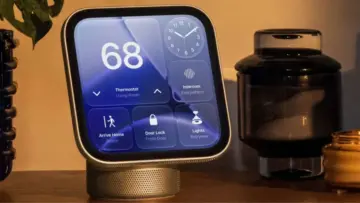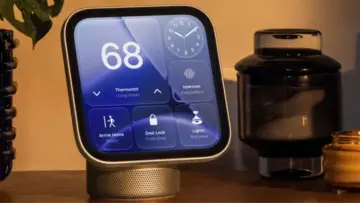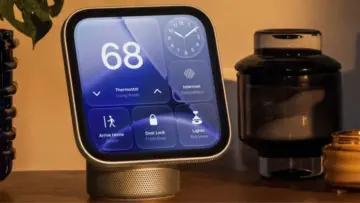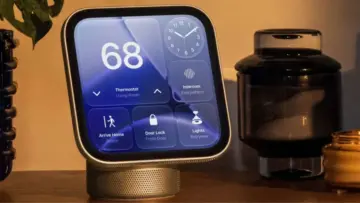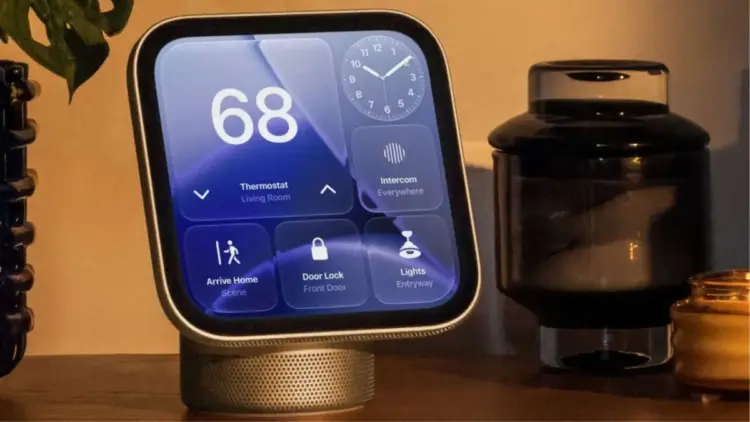
CUPERTINO, CA – October 14, 2026 – Apple Inc. has officially announced HomeView, a new 7-inch smart home screen poised to enter the competitive smart display market this November. Priced at USD 299, the device is positioned not merely as another smart display, but as a dedicated extension of the iPhone ecosystem, leveraging personalized Siri AI to offer a streamlined and privacy-focused user experience. This move marks Apple’s second significant foray into the home market, following the 2018 HomePod, and signals a deliberate shift towards a strategy that Apple itself describes as "boring" – an intentional contrast to the increasingly complex landscape of artificial intelligence-driven smart home devices.
Main Facts: Apple’s HomeView – A New Vision for the Smart Home
Apple’s HomeView is a compact, 7-inch touchscreen device designed for intuitive interaction within the home environment. Set to launch in November with a price tag of USD 299, it represents a calculated effort by the Cupertino giant to carve out a distinct niche in the burgeoning smart home sector, currently dominated by tech behemoths Amazon and Google.
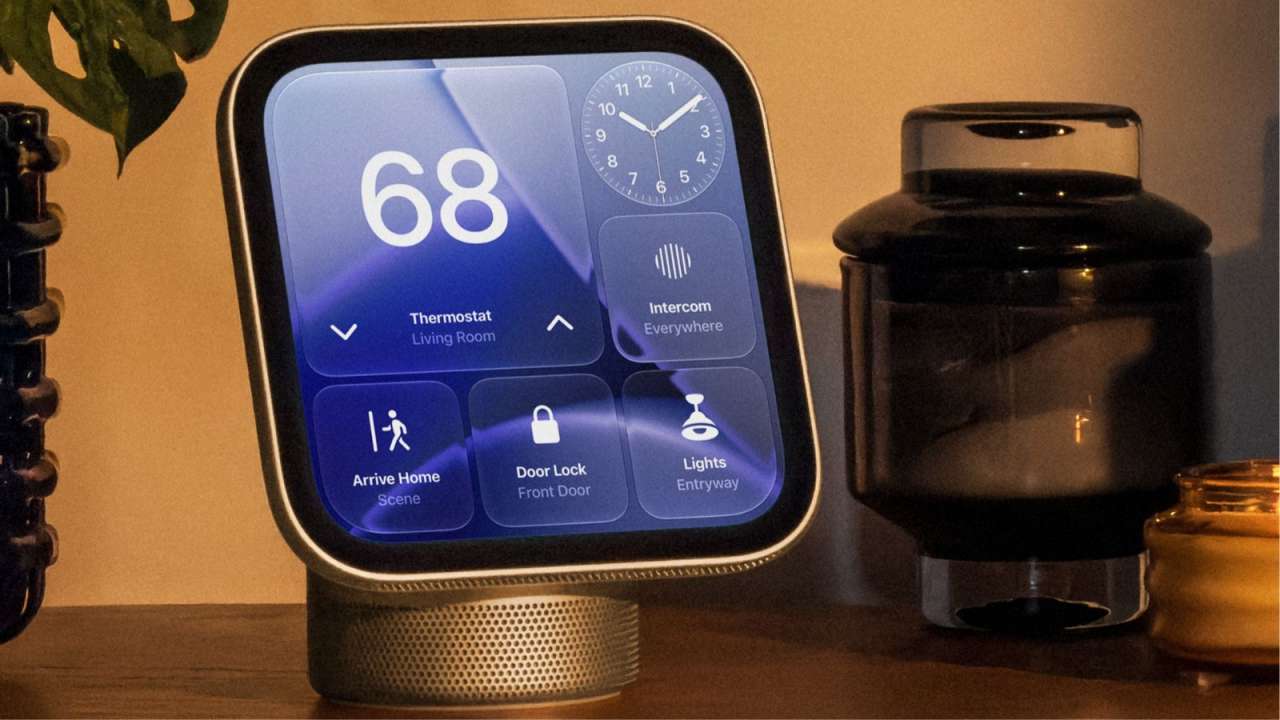
At its core, HomeView functions as a sophisticated extension of the user’s iPhone. It integrates deeply with Apple’s ecosystem, offering personalized experiences powered by an enhanced Siri AI. Users can place the device on an elegant aluminum base or mount it directly onto a wall, ensuring seamless integration into various home aesthetics. Key functionalities include personalised home screens that adapt based on individual recognition (via camera and voice), displaying tailored apps, calendar appointments, and notifications.
Crucially, HomeView’s architecture prioritizes user privacy. Unlike many competitors that process and store vast amounts of personal data on the device or in the cloud, HomeView largely relies on a nearby iPhone for context and data processing. This design philosophy means the device itself does not store sensitive personal information directly, aiming to foster greater user confidence in data security and privacy – a hallmark of Apple’s brand identity.
While core Apple applications like FaceTime and Apple Music are natively supported, the device’s reliance on the iPhone extends to third-party services. For instance, streaming music from platforms like Spotify will require active support from a paired iPhone, underscoring its role as an ecosystem enhancer rather than a standalone smart hub. The device was unveiled at a New York event, where Apple emphasized its minimalist design, elegance, and unwavering focus on user simplicity and trustworthiness. This strategy, playfully dubbed "boring" by Apple, is intended to differentiate HomeView from the often-overwhelming complexity of contemporary AI products, offering a refreshing return to fundamental utility and reliability.
Chronology: Apple’s Journey into the Smart Home Landscape
Apple’s engagement with the smart home market has been a journey marked by both innovation and learning. The introduction of HomeView is not an isolated event but rather the culmination of years of strategic development and insights gleaned from previous endeavors.

The Genesis of HomeView: From Concept to Reality
The development of HomeView has been shrouded in typical Apple secrecy, but its public unveiling at a dedicated New York event offered a glimpse into the company’s refined approach. Sources close to the development suggest that the project, internally codenamed "Project Aura" or similar, was conceived with a clear objective: to address the shortcomings of previous smart home attempts and leverage Apple’s core strengths – design, ecosystem integration, and privacy.
The New York event served as Apple’s platform to articulate this vision. Executives highlighted HomeView’s sleek design, emphasizing its ability to blend seamlessly into modern living spaces. The focus was less on groundbreaking, never-before-seen technology and more on perfecting existing interactions through Apple’s signature user experience. Demonstrations showcased the personalized Siri experience, how the device intelligently adapts to different family members, and its robust integration with the iPhone for secure and context-aware interactions. The emphasis was consistently on simplicity, elegance, and, most importantly, trust – pillars that are central to the "boring is a strategy" narrative. This strategic reveal was meticulously orchestrated to frame HomeView as a mature, thoughtful product designed to enhance daily life without imposing unnecessary complexity or privacy concerns.

A Look Back: The HomePod Experience (2018)
HomeView is not Apple’s first attempt to capture a significant share of the smart home market. In 2018, the company launched the HomePod, a premium smart speaker designed to compete with Amazon’s Echo and Google’s Home devices. The HomePod was lauded for its exceptional audio quality, a testament to Apple’s engineering prowess in sound design. Its array of seven tweeters and an upward-firing woofer delivered a rich, immersive sound experience that few competitors could match at the time.
However, despite its acoustic brilliance, the HomePod struggled to gain significant traction in the market. By some estimates, it captured only around 6% of the smart speaker market share, a modest figure compared to the dominance of Amazon and Google. Several factors contributed to this limited success. Firstly, its premium price point, initially USD 349, was significantly higher than many popular smart speakers, making it a niche product for audiophiles rather than a mainstream smart home device. Secondly, Siri, while functional, was often perceived as less capable or versatile than Amazon’s Alexa or Google Assistant, particularly concerning third-party integrations and general knowledge queries. Finally, the HomePod’s closed ecosystem proved to be a double-edged sword. While it offered tight integration with Apple Music and HomeKit, its limited support for other music streaming services and smart home platforms restricted its appeal to users fully committed to the Apple ecosystem. This exclusivity, combined with its high price and nascent AI capabilities, ultimately hindered its broader adoption.

The lessons from HomePod’s journey are evident in HomeView’s design philosophy. Apple appears to have recognized the need for a more accessible price point, a more defined role within the existing ecosystem (as an iPhone extension), and a stronger emphasis on core smart home functionalities and privacy, rather than just audio fidelity. HomeView represents a strategic recalibration, aiming to address the market’s evolving demands with a more focused and integrated offering.
Supporting Data: Analyzing the Smart Home Market and Apple’s Position
The smart home market is a dynamic and fiercely contested arena, characterized by rapid innovation and intense competition. Understanding this landscape is crucial to appreciating Apple’s strategic positioning with HomeView.

The Current Smart Home Landscape: Dominance of Amazon and Google
For nearly a decade, Amazon and Google have been the undisputed leaders in the smart home segment, particularly in smart speakers and displays. Amazon’s Echo line, powered by Alexa, and Google’s Nest Hub series, running on Google Assistant, have collectively captured the lion’s share of the market. Industry reports frequently place their combined market share well over 70-80% in various regions.
Their strategies have focused on several key areas:

- Affordability and Accessibility: Both companies offer a wide range of devices at various price points, from entry-level smart speakers under $50 to more advanced smart displays. This broad appeal has made smart home technology accessible to a mass market.
- Extensive Ecosystems: Alexa and Google Assistant boast vast ecosystems of third-party skills, apps, and integrations. Users can control thousands of smart home devices from various manufacturers, access a multitude of services, and leverage a wide array of functionalities from ordering groceries to playing games.
- Aggressive Marketing and Bundling: Amazon and Google have heavily invested in marketing and often bundle their devices with other products or services, further driving adoption.
- Continuous Innovation: Both platforms regularly introduce new features, AI enhancements, and device form factors, pushing the boundaries of what smart displays can do, including advanced video calling, media consumption, security monitoring, and contextual awareness.
Despite their decade-long head start, neither Amazon nor Google has managed to establish an unassailable lead, leaving room for new entrants, especially those with a unique value proposition. Their products, while feature-rich, are often perceived as complex by some users, and ongoing concerns about data privacy and targeted advertising persist. This perceived complexity and privacy apprehension form the precise strategic opening Apple aims to exploit with HomeView.
Apple’s Ecosystem Advantage: The iPhone Connection
Apple’s primary differentiating factor with HomeView is its profound integration with the iPhone ecosystem. This isn’t merely a superficial connection; it’s fundamental to HomeView’s operation and value proposition. The device is designed to be an extension, drawing context and processing power from a nearby iPhone rather than operating as a fully independent unit with extensive onboard data storage.

This "reliance on a nearby iPhone for context" is a sophisticated privacy mechanism. Instead of HomeView collecting and storing personal data like calendar appointments, messages, or Spotify preferences directly, it leverages the iPhone’s secure enclave and existing data, acting as a secure display and input device. When a user interacts with HomeView, the request is often routed through the iPhone, which then securely processes the information and relays the necessary output back to the HomeView screen. This architecture ensures that sensitive personal data remains primarily on the user’s iPhone, where Apple’s robust privacy protocols are already in place.
The personalized Siri AI is a direct beneficiary of this integration. With access to the iPhone’s user profile, calendar, contacts, and app data, Siri on HomeView can offer truly individualized experiences. This includes:

- Individual Spotify Accounts: Recognizing different family members and seamlessly switching to their preferred music profiles.
- iMessages and FaceTime Calls: Securely displaying and managing personal communications, ensuring that messages are only visible to the intended recipient and calls are directed appropriately.
- Personalized Home Screens: Displaying relevant apps, widgets, and information tailored to the individual currently interacting with the device, based on their schedule, habits, and preferences.
Apple’s strategy mirrors its success in the premium smartphone market. Despite Android phones offering a wider range of price points and often comparable specifications, the iPhone consistently dominates the high-end segment. This is attributed to its seamless ecosystem, superior user experience, strong brand loyalty, and perceived privacy and security advantages. Apple believes this proven model can be replicated in the smart home space, targeting users who prioritize a cohesive, secure, and user-friendly experience, even if it comes at a higher price point than the budget offerings of competitors.
The "Boring is Brilliant" Strategy: Trust, Simplicity, and Privacy
Apple’s explicit declaration that HomeView’s design embraces "boring" is a masterstroke in branding and market positioning. In an era where AI products are often criticized for their complexity, intrusive data collection, and occasional unreliability, Apple is deliberately pivoting towards simplicity and trustworthiness as core competitive advantages.

The "boring" strategy implies several key aspects:
- Unwavering Reliability: HomeView aims to be a device that consistently performs its core functions without glitches, unexpected behaviors, or confusing interactions. It’s about stability and predictability.
- Intuitive User Experience: Apple’s design philosophy has always championed ease of use. HomeView is designed to be effortlessly integrated into daily routines, requiring minimal setup and offering straightforward controls.
- Privacy by Design: This is perhaps the most critical element. By emphasizing that HomeView does not store personal data directly and relies on the iPhone for context, Apple is directly addressing one of the biggest anxieties associated with smart home devices. Users are increasingly wary of companies collecting vast amounts of personal data, and Apple is positioning HomeView as a secure alternative that respects user privacy as a fundamental right.
- Focused Functionality: Instead of attempting to be a jack-of-all-trades, HomeView focuses on core smart display functionalities – communication, media, and smart home control – executed flawlessly within the Apple ecosystem. It avoids the bloat of unnecessary features that can complicate the user experience.
This strategy directly contrasts with the "complicated nature of current AI products," which often overwhelm users with an abundance of features, convoluted settings, and opaque data practices. By offering a simpler, more transparent, and demonstrably more private alternative, Apple aims to foster deep user confidence, transforming "boring" into a compelling value proposition in a market saturated with increasingly complex, yet often untrustworthy, smart devices.

Official Responses and Industry Commentary
The launch of HomeView has generated a mix of carefully crafted statements from Apple and varied reactions from industry analysts and commentators. Each perspective offers valuable insight into the device’s potential trajectory and market impact.
Apple’s Stated Vision for HomeView
While specific quotes from Apple executives are not provided in the original text, the underlying narrative from the New York event and subsequent communications strongly suggests a consistent vision. Apple’s message revolves around three core tenets:

- Seamless Integration: Apple executives likely emphasized HomeView as the natural evolution of the iPhone experience into the home. They would articulate how it extends the familiar interface and functionalities of iOS onto a dedicated display, making interactions more accessible and contextually relevant for multiple family members. The concept of HomeView as an "iPhone extension" is paramount, suggesting it’s not a standalone product competing with the iPhone but rather enhancing its utility within a shared living space.
- Personalized Intelligence with Privacy: A key focus would be on the personalized Siri AI. Apple would highlight how HomeView intelligently recognizes individuals, tailoring content, recommendations, and interactions, all while upholding the company’s stringent privacy standards. They would reassure consumers that personal data remains secure on their iPhone, with HomeView acting as a trusted interface.
- Simplicity and Elegance: True to Apple’s design principles, the official narrative would underscore HomeView’s minimalist design and intuitive user interface. Executives would likely present "boring" not as a lack of innovation, but as a deliberate choice to prioritize clarity, reliability, and ease of use over excessive, often overwhelming, features. This elegance extends beyond aesthetics to the user experience itself, aiming to simplify smart home interactions rather than complicate them.
In essence, Apple’s official stance portrays HomeView as a sophisticated, yet approachable, device that brings the best of Apple’s ecosystem into the heart of the home, prioritizing user experience and privacy above all else.
Analyst Reactions and Early Impressions
Industry commentators have offered a range of perspectives on HomeView, often highlighting both its strengths and potential challenges.

Price Point and Market Positioning: The USD 299 price point has been a significant talking point. Many analysts note that this is considerably higher than comparable smart displays from Google (e.g., Nest Hub Max often retails for around $229-$279, with smaller models significantly cheaper) and Amazon (e.g., Echo Show 8 and 10 models ranging from $129-$249).
- "Apple is once again playing in the premium segment," commented one tech analyst, "and while their iPhone strategy has proven successful there, the smart display market is far more commoditized. They’ll need to demonstrate clear, tangible value beyond just the Apple brand to justify that price."
- However, other commentators point to Apple’s track record: "To dismiss Apple solely on price ignores their ability to cultivate desire and loyalty in the high-end market," argued another expert. "The iPhone, MacBooks, and even the Apple Watch are all premium-priced, yet dominate their respective segments. Apple isn’t competing on price; they’re competing on ecosystem, experience, and perceived quality."
The "Boring" Strategy: The emphasis on simplicity and trustworthiness has largely been well-received.

- "In a world where AI is becoming increasingly complex and privacy concerns are rampant, Apple’s ‘boring’ approach might actually be brilliant," suggested a leading tech journalist. "Users are tired of devices that feel like they’re always listening or are overly complicated to use. A device that just works, and respects your privacy, could be a significant differentiator."
- Conversely, some express concern that "boring" might be too understated. "While privacy is important, if HomeView doesn’t offer compelling new features or integrate with a broader range of third-party services out of the box, it risks being seen as merely a beautiful, expensive display for your iPhone," cautioned a smart home technology consultant.
Competition and Market Share: The consensus is that HomeView will face an uphill battle against the entrenched positions of Amazon and Google.
- "Amazon and Google have been in this game for a decade, with extensive developer ecosystems and millions of devices in homes," stated a market research firm. "Apple’s 6% share with HomePod shows the challenge. HomeView needs to be more than just an iPhone accessory; it needs to fundamentally change how people interact with their smart homes."
- However, the existing base of hundreds of millions of iPhone users presents a significant opportunity. "Apple isn’t starting from scratch," an analyst noted. "They have a massive, loyal customer base already invested in their ecosystem. If HomeView can seamlessly integrate and enhance that experience, it could find a ready audience among Apple loyalists, even if it doesn’t immediately dethrone the market leaders."
Overall, the initial industry reaction suggests cautious optimism tempered by the recognition of the intense competition and Apple’s historical struggles in the smart home. The success of HomeView will largely depend on how effectively Apple can translate its unique value proposition – simplicity, privacy, and ecosystem integration – into a compelling user experience that justifies its premium price.

Implications: The Future of the Smart Home and Apple’s Role
The introduction of HomeView carries significant implications, not only for Apple’s trajectory in the smart home sector but also for the broader evolution of smart display technology and the ongoing battle for ecosystem dominance.
Reshaping User Expectations for Smart Displays
HomeView has the potential to redefine what consumers expect from a smart display. By prioritizing simplicity, elegance, and, most importantly, user privacy, Apple is setting a new benchmark that competitors may be forced to acknowledge.

- Privacy as a Core Feature: Apple’s emphasis on HomeView not storing personal data directly and relying on the iPhone for context could elevate privacy from a secondary concern to a primary purchasing factor for many consumers. This might pressure Amazon and Google to become more transparent and robust in their own privacy policies and device architectures.
- Seamless Personalization: The personalized Siri AI, driven by individual recognition and iPhone data, could make generic smart displays feel outdated. Users may begin to demand devices that truly understand and adapt to individual preferences within a household, rather than offering a one-size-fits-all experience.
- Design and Integration: HomeView’s minimalist design and flexible mounting options could inspire a greater focus on aesthetics and seamless home integration across the industry, moving away from purely functional, sometimes clunky, smart devices.
- "Invisible Tech": By making the technology feel less intrusive and more like a natural extension of daily life – the essence of "boring" – Apple is pushing towards a vision of "invisible tech" that serves users without demanding constant attention or complex interaction.
The Battle for the Connected Home Ecosystem
HomeView intensifies the battle for the connected home, a critical front in the ongoing tech wars between Apple, Amazon, and Google.
- Strengthening Apple’s Walled Garden: HomeView is a powerful tool to further entrench users within the Apple ecosystem. By offering a compelling reason to stay within the Apple family for smart home interactions, it reduces the likelihood of users venturing into competitor ecosystems. This is crucial for Apple’s long-term strategy of holistic hardware and software integration.
- Driving HomeKit Adoption: While not explicitly mentioned, HomeView will undoubtedly serve as a central hub for HomeKit, Apple’s smart home platform. Its presence in more homes could accelerate the adoption of HomeKit-compatible accessories and devices, expanding Apple’s influence beyond its core product lines.
- Competition and Innovation: The increased competition from Apple will likely spur further innovation from Amazon and Google. They may respond with enhanced privacy features, more personalized AI, or new device categories to maintain their market lead. This competitive pressure ultimately benefits consumers through better products and services.
- Third-Party Developer Landscape: The requirement for iPhone support for third-party apps like Spotify presents both a challenge and an opportunity for developers. While it might add a layer of complexity, it also guarantees a certain level of integration and security within the Apple ecosystem, potentially encouraging developers to optimize their apps for this unique dual-device interaction.
Beyond HomeView: Apple’s Broader Smart Home Ambitions
HomeView is unlikely to be the final piece of Apple’s smart home puzzle. It represents a significant step, but also a foundation for future advancements.

- Evolution of HomeView: Future iterations could see more advanced on-device AI capabilities, deeper integration with Apple’s other services (e.g., Apple Health, Apple TV), and potentially new form factors or sizes.
- Matter Standard: Apple is a key proponent of the Matter smart home connectivity standard. HomeView will undoubtedly play a crucial role in promoting and utilizing Matter, ensuring broader interoperability with a wider range of smart home devices, even outside the immediate Apple ecosystem. This strategy allows Apple to maintain its premium ecosystem while also embracing industry-wide standards for connectivity.
- New Device Categories: The lessons learned from HomeView could inform the development of entirely new smart home devices or services from Apple, expanding its footprint into areas like home security, energy management, or ambient computing.
- The Connected Lifestyle: Ultimately, HomeView aligns with Apple’s broader vision of creating a seamlessly connected lifestyle, where technology enhances daily life without being intrusive. It’s about empowering users with simple, elegant, and private tools that work harmoniously across their devices and environments.
In conclusion, Apple’s HomeView is a calculated and strategic move to redefine its presence in the smart home market. By embracing simplicity, trust, and deep ecosystem integration, Apple aims to offer a compelling alternative to the established players, potentially reshaping user expectations and intensifying the competition for the future of the connected home. Its success will be a testament to whether a "boring" strategy, underpinned by strong privacy and a superior user experience, can truly differentiate itself in a crowded and complex technological landscape.