

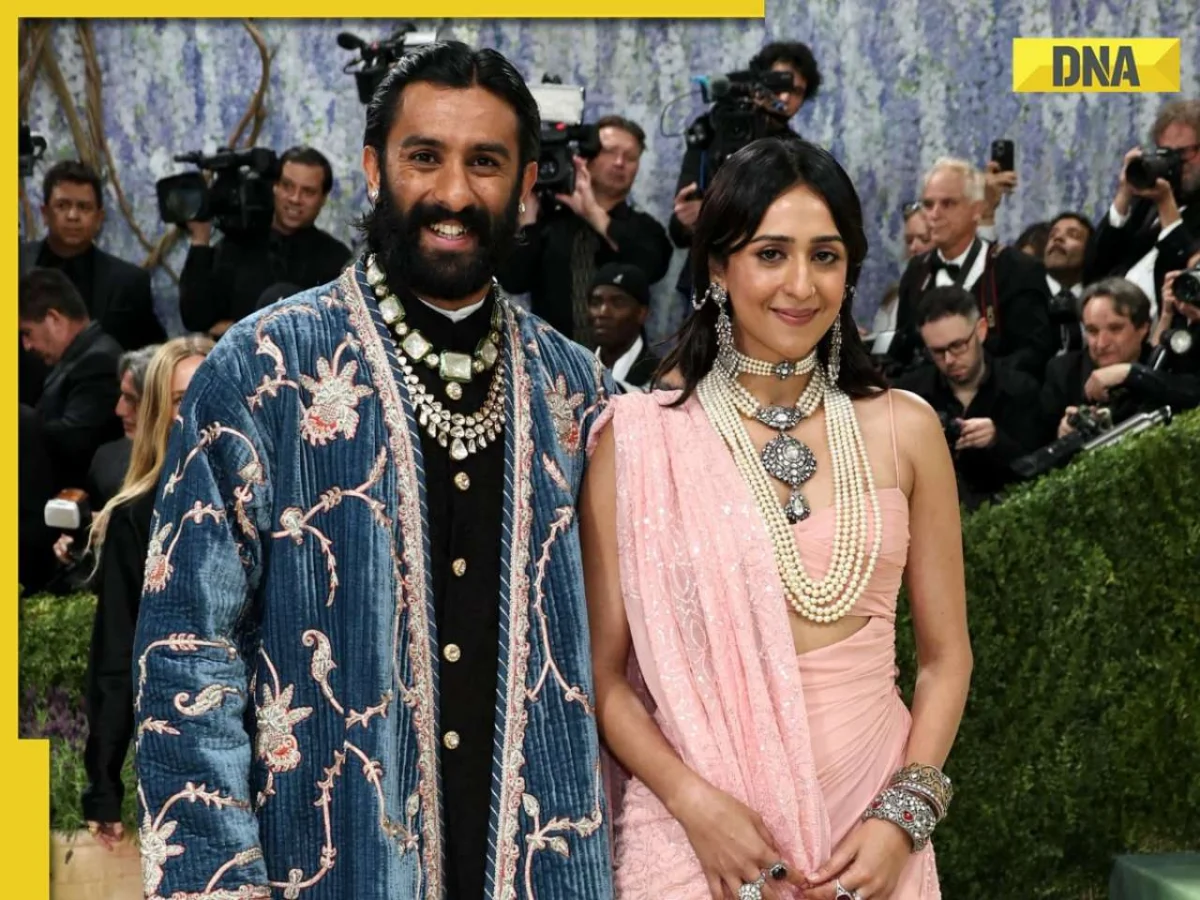
New York, NY – May 5, 2026 – The hallowed halls of the Metropolitan Museum of Art pulsated with a vibrant display of sartorial artistry last night as the Met Gala 2026 unfolded, celebrating the boundless creativity that bridges cultures and epochs. Among the luminaries gracing the iconic steps was Maharaja Sawai Padmanabh Singh of Jaipur, who not only represented the storied royal heritage of India but also captivated the global fashion fraternity with a breathtaking ensemble that masterfully blended tradition with contemporary haute couture.
His presence at the prestigious event marked a significant moment, projecting the intricate craftsmanship and rich cultural tapestry of his ancestral home, the Pink City, onto the international stage. The Maharaja’s choice of a bespoke "Phulghar coat," meticulously designed by acclaimed Indian-American designer Prabal Gurung, was a profound statement of heritage, artistry, and a forward-looking vision for Indian fashion. This narrative, woven through threads of exquisite embroidery and thoughtful design, resonated deeply, solidifying Jaipur’s place as a beacon of enduring style and cultural significance.
The Royal Scion: A Legacy of Leadership and Style
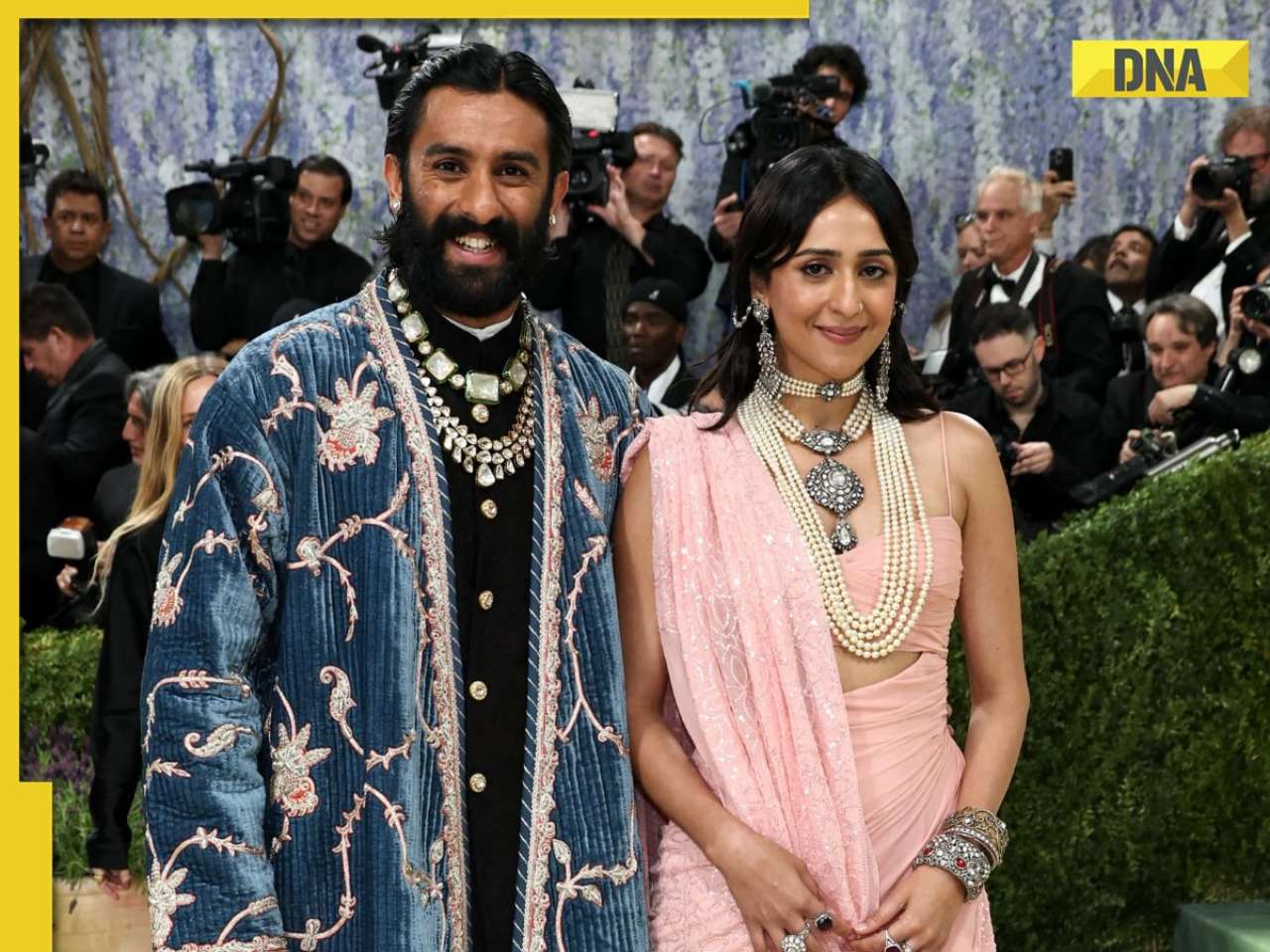
Maharaja Sawai Padmanabh Singh, affectionately known as ‘Pacho’ to his inner circle, is the ceremonial head of Jaipur’s former royal family, a lineage steeped in centuries of history. Descending from the venerable Kachwaha dynasty, his family’s legacy is intrinsically linked to the very foundations of the Pink City, a place synonymous with architectural marvels and a rich artistic tradition. He ascended to the titular position of Maharaja in 2011 at the tender age of 12, following the passing of his grandfather. Since then, he has carried the mantle with grace and a deep sense of responsibility, remaining a steadfast custodian of Jaipur’s cultural identity and its illustrious royal heritage.
Beyond his royal duties, Maharaja Sawai Padmanabh Singh is a formidable force in the realm of sports. A skilled and passionate polo player, he has proudly represented India on international platforms, contributing significantly to the resurgence and promotion of the sport in modern India. His commitment to excellence extends beyond the polo field; he is also a fervent advocate for education and women’s empowerment. His philanthropic endeavors have seen him champion scholarships and digital learning programs for underprivileged girls, underscoring his dedication to social upliftment and creating opportunities for those less fortunate. This multifaceted approach to his public life has cemented his reputation not merely as a royal figurehead, but as a modern-day influencer and a global style icon, adept at harmonizing traditional Indian aesthetics with the dynamic pulse of contemporary fashion at international gatherings.
)
A Masterpiece Unveiled: The Phulghar Coat at the Met Gala
The Met Gala 2026, with its theme often inspiring a profound exploration of cultural narratives, provided the perfect canvas for Maharaja Sawai Padmanabh Singh to showcase the unparalleled artistry of India. His ensemble, a testament to the collaborative vision of the Jaipur royal family and the design prowess of Prabal Gurung, was more than just an outfit; it was a living exhibition of Indian craftsmanship.
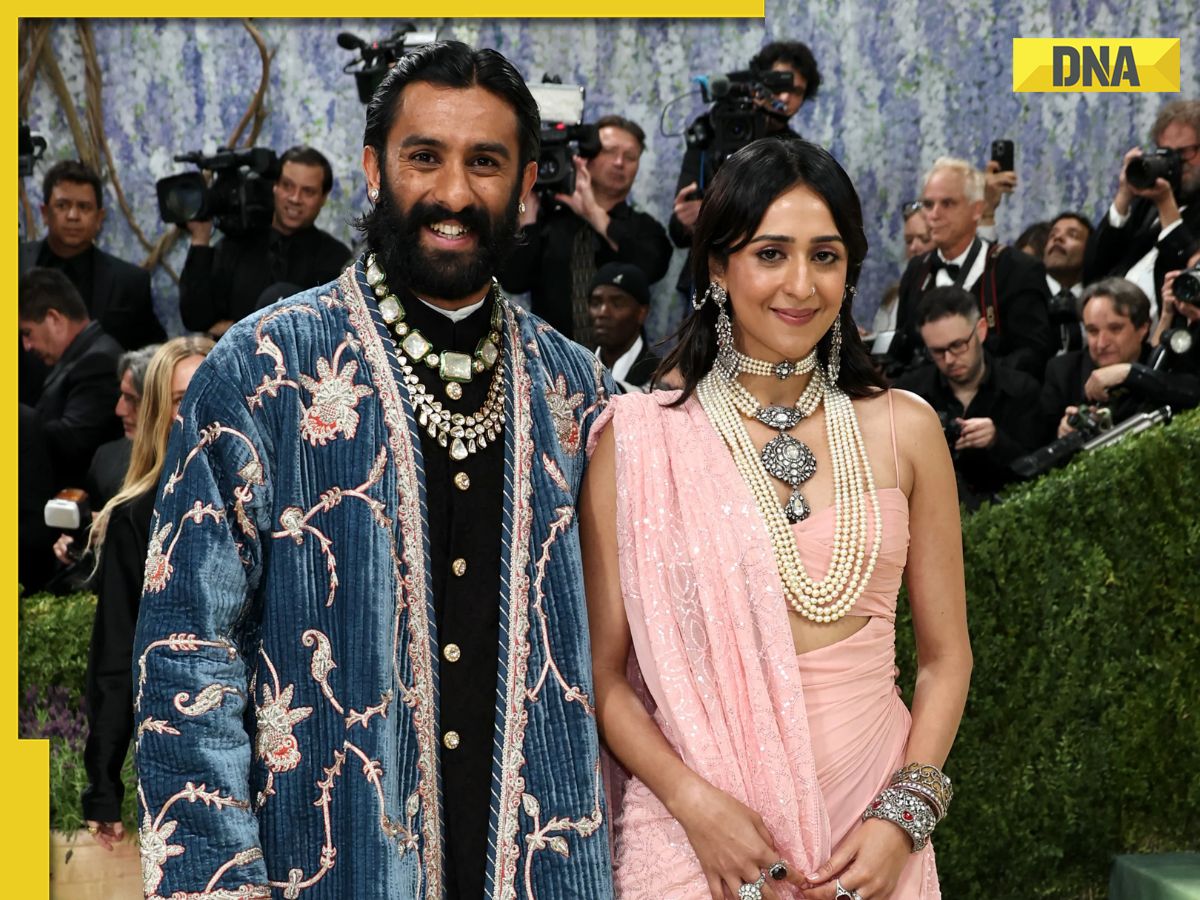
The centerpiece of his look was the custom "Phulghar coat," a creation that reportedly demanded an astonishing 600 hours of meticulous work. This exquisite garment was a harmonious marriage of tradition and contemporary tailoring, designed to narrate a story of heritage, artistry, and the enduring spirit of Jaipur. The coat was fashioned from a rich palette of midnight blue velvet and fine cotton, providing a luxurious backdrop for the intricate embellishments that adorned it.

The embroidery itself was a symphony of traditional Indian techniques. Exquisite aari and zardozi embroidery, known for their delicate detail and opulent finish, were meticulously applied. Complementing these were the lustrous threads of resham and the intricate dabka work, each stitch a testament to the generations of artisans who have honed these skills. These techniques, passed down through families and guilds, represent a living heritage, a tangible connection to the past that Maharaja Sawai Padmanabh Singh so eloquently embodies.
A particularly striking element of the Phulghar coat was the "mirror sun" motif. This design, drawing direct inspiration from the architectural grandeur of the Sri Niwas within the Jaipur City Palace, served as a potent symbol. It was a direct nod to his Suryavanshi ancestral lineage, the "sun dynasty," further deepening the personal and historical resonance of the ensemble. The sun, a universal symbol of life, power, and radiance, was rendered with a contemporary sensibility, shimmering with the reflective quality of mirrors, akin to the celestial body it represents.
)
To complement the grandeur of the coat, the Maharaja opted for impeccably tailored black trousers, subtly infused with elements of Jaipur design, hinting at the sartorial nuances of his royal background. The ensemble was further elevated by the judicious selection of traditional Jadau and Polki jewelry. These precious adornments, drawing their inspiration from the vibrant and historic Johri Bazaar of Jaipur, added a layer of regal opulence and an undeniable touch of authentic Indian craftsmanship. The intricate detailing and the inherent artistry of these pieces spoke volumes about the wealth of artisanal talent that continues to flourish in Rajasthan.
His younger sister, who accompanied him to the gala, also paid homage to their family’s legacy. She wore a stunning chiffon saree, a treasured piece from their grandmother Maharani Gayatri Devi’s collection, thoughtfully reimagined into a contemporary gown by Prabal Gurung. This shared sartorial tribute underscored the enduring power of family heirlooms and the seamless integration of past and present in the royal family’s approach to fashion.
)
The impact of Maharaja Sawai Padmanabh Singh’s Met Gala appearance was profound. It transcended mere fashion; it was a cultural diplomatic act, presenting the regal artistry of Jaipur and the rich textile heritage of India to a discerning international audience. The narrative woven through his ensemble resonated with themes of heritage, craftsmanship, and the enduring legacy of Indian royalty, earning widespread acclaim and admiration.
The Designer’s Vision: Prabal Gurung’s Ode to India
The choice of Prabal Gurung as the designer for this pivotal ensemble was no coincidence. Gurung, a celebrated figure in the global fashion landscape, has consistently championed Indian craftsmanship and aesthetics in his work, bringing a modern and sophisticated interpretation to traditional motifs. His collaboration with Maharaja Sawai Padmanabh Singh for the Met Gala 2026 was a powerful synergy, uniting a scion of Indian royalty with a designer who has become a global ambassador for Indian artistry.
)
Gurung’s approach to the "Phulghar coat" was characterized by his signature blend of elegance and cultural reverence. He understood the importance of not just creating a visually stunning garment, but one that carried the weight of history and tradition. The meticulous detailing, the choice of luxurious fabrics, and the incorporation of heritage embroidery techniques were all deliberate decisions aimed at honoring the legacy of Jaipur and the Kachwaha dynasty.
The "Phulghar coat" itself is a metaphor for the concept of a royal garden, a place of beauty, tranquility, and intricate design. The name evokes imagery of ornate pavilions and lush greenery, elements often found in the palaces and gardens of Rajasthan. Gurung’s interpretation transformed this conceptual idea into a tangible piece of art, a wearable masterpiece that spoke of the grandeur and refined aesthetics associated with royal Indian life.
)
The designer’s dedication to the project was evident in the extraordinary time invested. The 600 hours of labor represent a commitment to the highest standards of artisanal excellence, a stark contrast to the fast-paced, disposable nature of much of contemporary fashion. This painstaking process ensured that every stitch, every embellishment, contributed to the overall narrative of heritage and luxury.
Prabal Gurung’s role in this Met Gala moment cannot be overstated. He acted not just as a designer, but as a storyteller, using the language of fashion to convey the rich cultural heritage of India to a global audience. His ability to translate traditional elements into a modern, red-carpet-worthy creation speaks volumes about his understanding of both heritage and contemporary fashion trends.
)
Supporting Data and Context: Jaipur’s Enduring Appeal
Jaipur’s enduring appeal as a cultural and fashion capital is well-documented. The city’s historical significance as a center of art, architecture, and craftsmanship has consistently drawn global attention. From the iconic Hawa Mahal and Amer Fort to the intricate textiles and jewelry that have been a hallmark of Rajasthani artistry for centuries, Jaipur offers a rich tapestry of cultural heritage.
The city’s traditional crafts, including block printing, miniature painting, embroidery, and gemstone cutting, continue to be vital components of its economy and cultural identity. These crafts have not only been preserved but have also been adapted to meet contemporary demands, thanks to the patronage of royal families, dedicated artisans, and designers who seek to bridge tradition and modernity.
)
The association of the Jaipur royal family with fashion and style is not new. Maharani Gayatri Devi, the grandmother of Maharaja Sawai Padmanabh Singh, was a global style icon in her own right, celebrated for her elegant sartorial choices and her role in popularizing the Jaipur look. Her influence continues to resonate, and her legacy serves as an inspiration for contemporary generations.
The Met Gala itself, a premiere event in the fashion calendar, attracts global attention and serves as a powerful platform for cultural exchange. The theme of each year’s gala provides an opportunity for attendees to engage with and interpret various aspects of art, history, and culture. Maharaja Sawai Padmanabh Singh’s participation, with an ensemble deeply rooted in his heritage, offered a unique perspective, showcasing the vibrancy and sophistication of Indian traditions.
)
The choice of Indian craftsmanship for a global event like the Met Gala also aligns with a growing international appreciation for artisanal skills and sustainable fashion practices. In an era increasingly conscious of ethical production and the value of handmade artistry, the intricate details and labor-intensive techniques employed in the "Phulghar coat" represent a powerful counterpoint to mass-produced fashion.
Implications: A New Era for Indian Fashion on the Global Stage
Maharaja Sawai Padmanabh Singh’s appearance at the Met Gala 2026 carries significant implications for the perception and promotion of Indian fashion on the global stage.
)
Firstly, it solidifies the position of Indian heritage as a source of inspiration for high fashion. The success of the "Phulghar coat" demonstrates that traditional Indian aesthetics, when interpreted with contemporary sensibility and executed with exceptional craftsmanship, can hold their own on the world’s most prestigious fashion platforms. This can encourage more designers, both Indian and international, to explore and integrate Indian motifs, textiles, and techniques into their collections.
Secondly, it highlights the enduring relevance of royal patronage and heritage in shaping contemporary style. The active involvement of the Jaipur royal family in curating this ensemble underscores the role that historical institutions can play in preserving and promoting cultural traditions. This can inspire other heritage-rich families and institutions to engage with the fashion world, creating new avenues for cultural expression and economic development.
)
Thirdly, it elevates the profile of Indian artisans and craftspeople. The immense labor and skill involved in creating the "Phulghar coat" are a testament to the dedication of India’s skilled workforce. By showcasing these intricate techniques on a global stage, the event draws attention to the importance of preserving and supporting these traditional crafts, potentially leading to greater demand and recognition for artisans.
Finally, it reinforces India’s soft power through cultural diplomacy. Fashion, as a universal language, can transcend political and geographical boundaries. Maharaja Sawai Padmanabh Singh’s Met Gala appearance served as a powerful act of cultural diplomacy, projecting an image of India that is rich in history, artistic prowess, and contemporary relevance. This can foster greater understanding and appreciation for Indian culture worldwide, opening doors for further collaboration and exchange.
)
In conclusion, Maharaja Sawai Padmanabh Singh’s presence at the Met Gala 2026 was a triumph for Indian heritage and craftsmanship. His "Phulghar coat," a masterpiece of design and artistry, not only adorned the red carpet but also wove a compelling narrative of Jaipur’s royal legacy into the fabric of global fashion, ushering in a new era of recognition and appreciation for India’s sartorial brilliance.
