

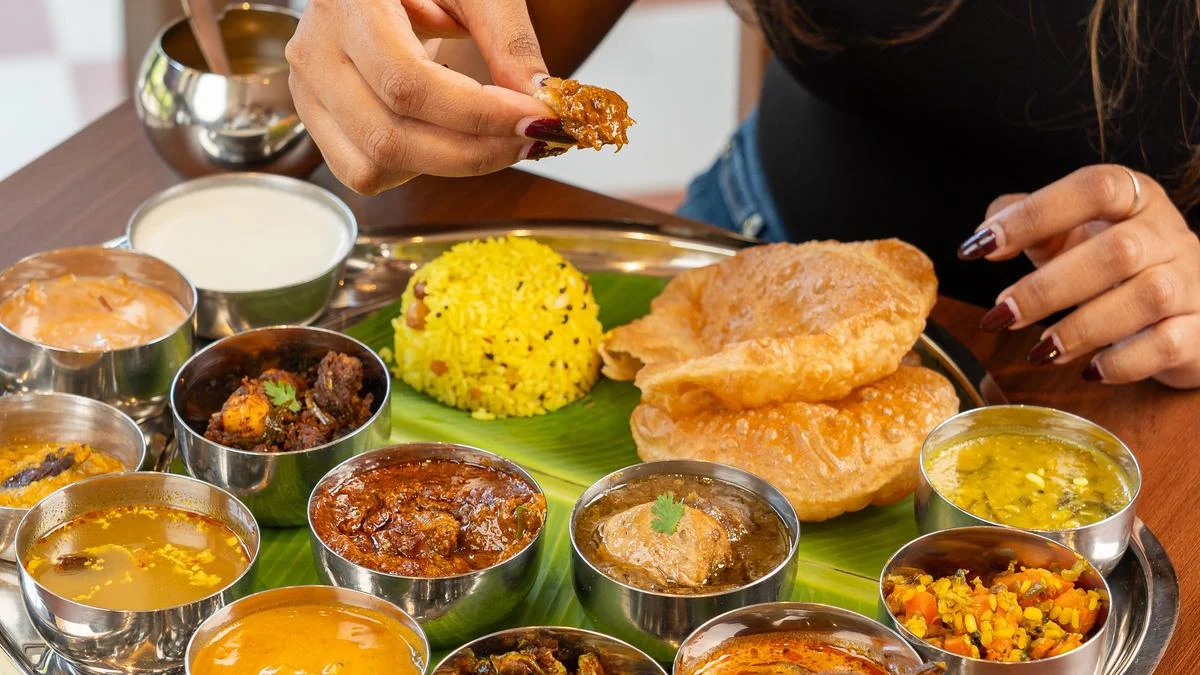
For decades, the global identity of Hyderabad’s culinary landscape was anchored by a single, formidable vessel: the handi of Dum Biryani. To the outsider, and often the resident, the city’s gastronomic map began and ended with long-grain Basmati, layers of marinated meat, and the pungent aroma of saffron and spice. However, a quiet but resolute revolution is currently reshaping the city’s dining tables. Hyderabad is no longer content with being a one-dish town.
A new wave of restaurateurs, chefs, and home-grown culinary archivists are widening the table, inviting diners to explore the intricate, fiery, and soul-stirring depths of regional Telugu cuisine. From the tangy fish stews of the coast to the millet-based staples of the Deccan plateau, the conversation has shifted. The biryani-obsessed crowd is now warming up to the rustic charms of totakura liver fry, the zing of nimmakayya guddu bonda, and the comforting simplicity of muddapappu avakaya annam. This is not merely a change in menu; it is a cultural reclamation of the diverse micro-cuisines that define the Telugu-speaking heartlands of Andhra Pradesh and Telangana.
Main Facts: The Diversification of the Hyderabadi Palate
The contemporary Hyderabad food scene is witnessing a structural shift. While the iconic biryani remains a staple, it no longer dictates the narrative of "fine dining" or "destination eating." The current trend is defined by three primary movements:
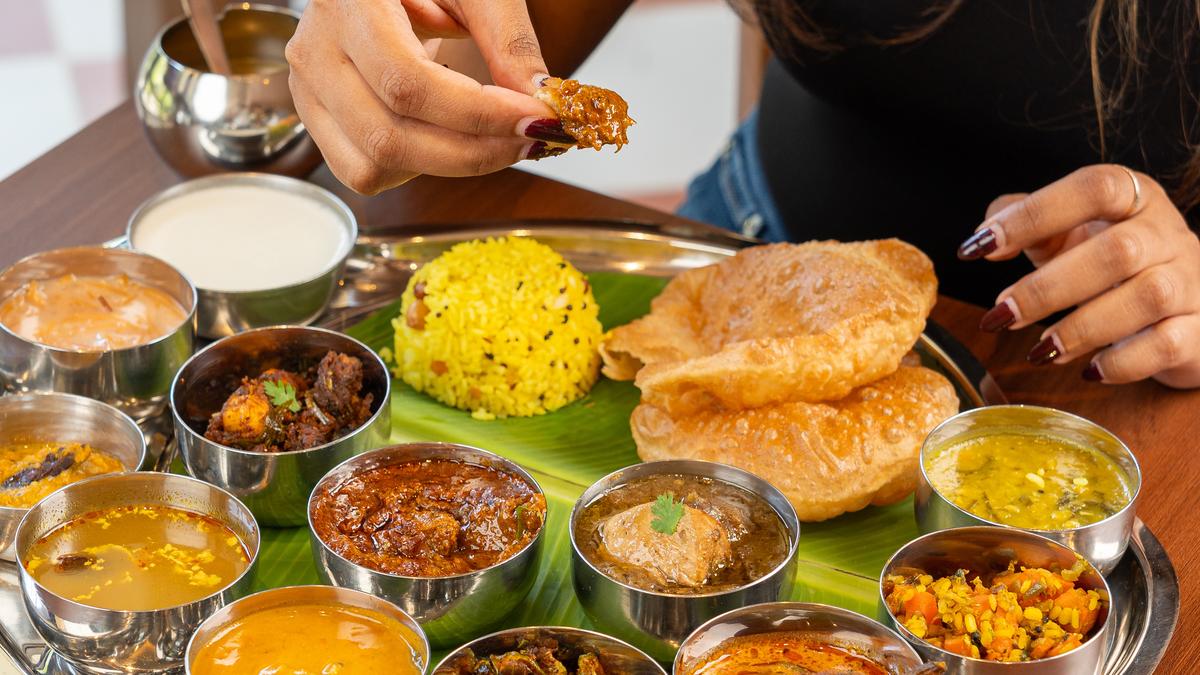
- The Elevation of the Hyperlocal: Dishes that were once confined to rural kitchens or humble mess halls—such as Karimnagar wings, golichina mamsam (fried meat), and dappalam (a vegetable stew)—are now being served in sophisticated, high-end environments.
- The Pulao Over Biryani Movement: There is a significant resurgence of pulaos. Unlike the layered biryani, these dishes utilize short-grain rice varieties and indigenous cooking techniques that highlight the natural flavors of the meat and spices without the heavy masking of "masala."
- The Café Culture Integration: Traditional Telugu snacks like punugulu and button idli are moving from roadside carts to chic cafés, paired with artisanal filter coffee, signaling a shift in how "comfort food" is marketed and consumed.
- Regional Specialization: Instead of generic "South Indian" menus, new establishments are specializing in sub-regional identities, including the distinct flavors of Rayalaseema, the Godavari districts, and the newly celebrated "Neo-Telangana" kitchen.
Chronology: From 1985 Legacy to the 2024 Renaissance
To understand this evolution, one must look at the timeline of Hyderabad’s restaurant industry, which has moved from family-run institutions to modern, concept-driven spaces.
- 1985 – The Foundation of Legacy: Venugopal Reddy established Hotel Indu Deluxe, a foundational pillar for authentic Telugu meals in the city. For nearly forty years, such establishments focused on consistency and the "thali" format, catering primarily to a local workforce seeking a taste of home.
- The Early 2000s – The Biryani Boom: As Hyderabad’s IT sector exploded, the city’s identity became synonymous with biryani. Large-scale chains dominated the market, and regional Telugu food was often relegated to the background or served in unpretentious "messes."
- 2015-2020 – The Dawn of Modern Regionalism: Establishments like Spicy Venue began to gain traction by spotlighting specific comfort dishes like Apricot Delight and Muddapappu Avakaya, proving that there was a market for nostalgia-driven Telugu food beyond the biryani.
- 2023-2024 – The Neo-Telugu Explosion: A surge of new openings, including Theta Theta, Terrai, and Telugu Medium Kitchen & Bar, marked a turning point. These venues combined architectural aesthetics with a rigorous focus on "archival" recipes, moving away from the "multicuisine" trap to offer 100% regional menus.
- Present Day: The movement has reached a fever pitch, with home chefs like Sowjanya Narsipuram introducing niche cuisines like Uttar Andhra (North Coastal Andhra) to a mainstream audience through curated pop-ups and specialized menus.
Supporting Data: The Anatomy of the New Telugu Menu
The data supporting this shift is found in the diversifying menus across the city’s high-traffic districts like Banjara Hills and Jubilee Hills. The "less, medium, or full masala" calibration of biryani is being replaced by a sophisticated lexicon of pulses, fries, and stews.
The Rise of the "Pappu" and "Vepudu"
The humble pappu (dal) has been elevated to a hero dish. Restaurants are now highlighting seasonal variations:
- Gongura Pappu: Roselle leaf-infused lentils.
- Mamidikaya Pappu: Raw mango lentils.
- Thotakura Pappu: Amaranth leaf lentils.
Accompanying these are vepudus (dry fries) that offer a textural contrast to the cream-heavy gravies of North Indian cuisine. The totakura liver fry and mamsam ghee roast have become top-selling appetizers, challenging the dominance of the kebab.
Short-Grain Rice vs. Long-Grain Basmati
A significant data point in this transition is the return to short-grain rice. While Biryani relies on the elegance of Basmati, the traditional Telugu pulao and annam (rice) dishes often utilize varieties like Chitti Mutyalu or Sona Masuri. These grains absorb the flavors of the chepala pulusu (fish tamarind stew) or natu kodi (country chicken) more effectively, offering a denser, more flavorful bite that resonates with regional authenticity.
The "Café-ification" of Snacks
At Coffee Sangam, Chef Vignesh Ramachandran has successfully integrated street-side staples into a hygienic, upscale café setting. Data suggests that urban diners are increasingly seeking "hygienic nostalgia." The inclusion of nimmakaya guddu bonda (lemon-infused egg bonda) and mokka jonna dahi puri (corn-based dahi puri) in a café menu indicates that the local palate is returning to its roots for daily snacks rather than opting for Western pastries.

Official Responses: Insights from the Industry Architects
The shift is being driven by a generation of restaurateurs who believe that Telugu cuisine has the depth to stand alone on the global stage.
Rohit Reddy (Manager, Hotel Indu Deluxe):
"Everyone is inquisitive about Telugu cuisine now. When we began planning our new outlet in Banjara Hills after 40 years, we were sure of sticking to our menu. Our cuisine has so much to offer that we don’t need a multicuisine menu. Our cooks are from Bheemavaram, Warangal, and Rajahmundry. There is no need to borrow dishes from elsewhere."
Sampath Tummala (Owner, Spicy Venue and Theta Theta):
Tummala emphasizes the need for a distinction between a quick meal and a celebratory experience. "Telugu food was long identified with the thali, but now it’s time for individual dishes to shine. We serve chepala pulusu in a stone pot, bubbling as it reaches the table. We have focused on pulaos to highlight the beauty of short-grain rice. The elevated dining experience currently in Hyderabad is a journey through various Telugu cultures."

Chef Vignesh Ramachandran (Coffee Sangam):
"As Indians, we return to familiar flavors for comfort. It was time Hyderabad brought that into cafés. When you compare our regional cuisine with Western offerings, the variety and flavor give us an edge."
Gopi Bylapula (Culinary Lounge):
Bylapula takes a macro-view, looking toward international recognition. "Showcasing regional food can drive cultural and culinary tourism while preserving intangible heritage. In 2025, UNESCO inscribed Italian cuisine, recognizing the entire ecosystem. Telugu cuisine, too, must aim for global recognition, given its depth and centuries-old techniques."
Implications: Tourism, Heritage, and the Future of the Plate
The broadening of Hyderabad’s food scene has profound implications for the city’s economic and cultural future.
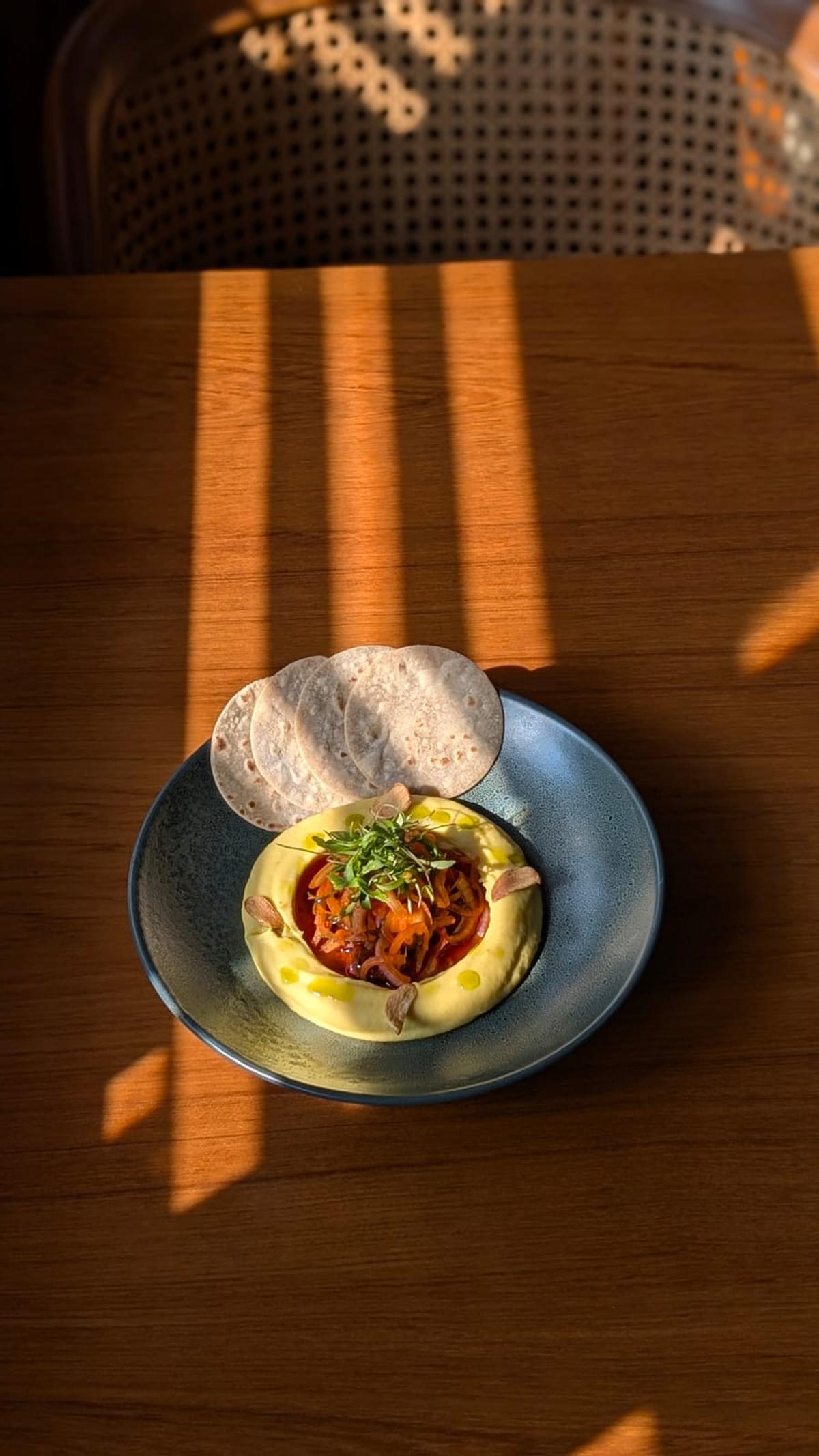
1. Culinary Tourism
As Hyderabad moves beyond the "Biryani City" label, it positions itself as a gateway to the diverse cultures of the Deccan. Travelers are no longer just visiting for a single meal at Charminar; they are embarking on "pulao trails" and "thali tours" that cover the fiery spices of Rayalaseema and the seafood-rich traditions of the Godavari coast. This diversification increases the "length of stay" for tourists interested in gastronomic exploration.
2. Preservation of Intangible Heritage
The focus on "archival" kitchens, such as Terrai, ensures that traditional cooking methods—such as the use of millets, stone-ground masalas, and slow-cooked shorbas—are not lost to the fast-food era. By bringing these techniques into the fine-dining space, restaurateurs are incentivizing a new generation of chefs to master traditional Telugu culinary arts.
3. Economic Empowerment of Micro-Regions
The demand for authentic ingredients—like specific chilies from Guntur, rice from the Godavari belt, or forest produce for "Maredumilli-style" grilling—creates a direct economic link between urban high-end restaurants and rural agricultural producers.

4. A New Identity for the Global Indian
For the local population and the vast Telugu diaspora, this movement represents a "pride of plate." As Ankita Choudhary of Concept Crate notes, the rise of these spaces offers a "textured alternative" to the standard fare found in every other Indian city. It allows Hyderabad to present a unique, un-replicated identity to the world.
In conclusion, Hyderabad is undergoing a delicious metamorphosis. The biryani is not being replaced—it is being joined by a vibrant, loud, and diverse family of flavors that have waited decades for their turn in the spotlight. From the humble muddapappu to the sophisticated murrel fish grill, the message is clear: the Telugu kitchen is open, and it has much more to offer than just a single pot of rice.
