


DENPASAR, BALI — In the wake of the global pandemic, the international tourism landscape has undergone a seismic shift. Travelers are no longer merely seeking destinations; they are seeking "liberation." For Indian tourists, this search has led them increasingly to the Indonesian archipelago, specifically to Bali. Combining cultural familiarity with the exoticism of a tropical getaway, Bali has emerged as a premier destination that transcends age groups, offering a unique blend of spiritual solace and uninhibited luxury.
1. Main Facts: The Indian Connection and Bali’s Tourism Resurgence
Bali is currently witnessing a significant influx of international visitors as it moves decisively past the setbacks of the COVID-19 era. According to recent tourism data, Indian nationals now constitute the third-largest group of international arrivals to the island, following only Australians and Chinese tourists. This surge is driven by several factors: geographical proximity, a shared cultural and religious heritage, and an favorable exchange rate that allows for a "splurge" experience at an affordable price point.
For newly married couples like Rajesh and Aarti from Delhi, Bali represents a "liberating getaway." Away from the traditional expectations of home, the island’s beaches, safari parks, and iconic jungle swings provide a backdrop where they can shed inhibitions. Conversely, for the older generation, such as Hari bhau and his wife from Maharashtra, the appeal is rooted in the island’s tranquility. The presence of natural hot springs, world-class spas, and a pervasive spiritual atmosphere offers a sense of comfort that mirrors the Indian ethos while providing the privacy of an international retreat.
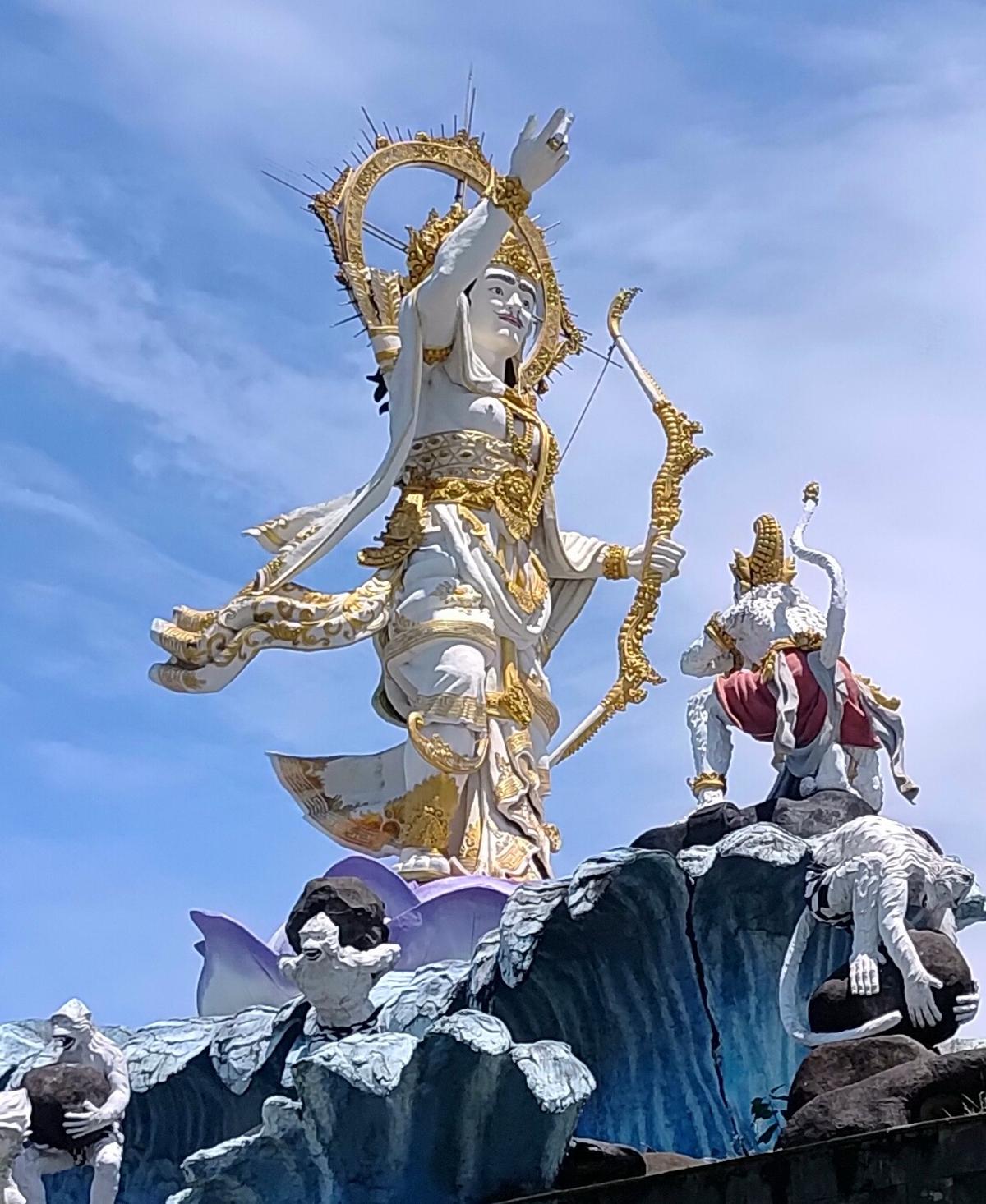
The island’s positioning is clear: it is a clean, hospitable, and accessible international experience. The "Hindu-majority" status of Bali within the world’s most populous Muslim nation, Indonesia, creates an immediate psychological bridge for Indian travelers, who find the ubiquitous sculptures of the Ramayana and Mahabharata both surprising and deeply comforting.

2. Chronology: From Changi to the Heart of Ubud
The modern journey to Bali for many Indians begins not in Indonesia, but in Singapore. The logistical corridor via Singapore Airlines and the famed Changi Airport serves as a "destination within a destination," providing a seamless transition for travelers. After an overnight layover, visitors arrive at Ngurah Rai International Airport in Denpasar, the bustling capital.
The Coastal Entry: Kuta and Seminyak
The first leg of the Balinese experience often begins in the coastal regions of Kuta and Seminyak. Upon arrival, the sensory transition is immediate: lush greenery, tropical humidity, and the scent of incense. The drive through Kuta reveals the island’s deep-rooted cultural identity, where stone-carved religious statues stand at every crossroads and sidewalk. Unlike the compartmentalized religious spaces in many Western nations, Bali’s spirituality is integrated into its infrastructure.
The Spiritual Ascent: Tirta Empul and Uluwatu
Following the coastal introduction, travelers typically move toward the spiritual heartland. This includes visits to the Tirta Empul Temple, where the post-wedding rituals of local Balinese couples offer an intimate glimpse into the island’s living traditions. The journey often continues to the dramatic cliffs of Uluwatu. Here, the Indian Ocean crashes against the limestone base of the Uluwatu Temple, providing a surreal setting for the evening Kecak fire dance—a rhythmic, vocal retelling of the Ramayana that utilizes chants and flames instead of traditional musical instruments.
The Cultural Core: Ubud and Beyond
The final phase of the journey usually centers on Ubud, the cultural and artistic capital. This region offers a shift from the "blue" of the ocean to the "green" of the highlands. In Ubud, the itinerary slows down, focusing on bamboo villas, rice terraces, and artisan villages. The chronology of a Bali trip is designed to move from the external (beaches and shopping) to the internal (spirituality and nature), culminating in excursions to the northern volcanoes and the outlying islands like Nusa Penida.

3. Supporting Data: A Landscape Curated by Tradition and Ingenuity
Bali’s success as a destination is not accidental; it is the result of a carefully preserved cultural and ecological ecosystem.
The Subak System: A UNESCO Legacy
One of the most significant data points in Bali’s agricultural and tourist appeal is the subak irrigation system. This 9th-century water management system is more than just engineering; it is a manifestation of the Tri Hita Karana philosophy, which emphasizes harmony between the spirit, the human world, and nature. These terraced rice fields, particularly in Tegalalang, are not merely photo opportunities but functional UNESCO World Heritage sites that sustain the island’s population.
The Economy of Tourism
While Bali’s heartbeat was once purely agricultural, tourism now accounts for approximately 60% to 80% of the island’s economy. This transition has led to a "curated" landscape. Every vista is thoughtfully presented, and nearly every cultural site is ticketed. However, the island maintains its identity through strict linguistic and architectural codes. As tour guides frequently note, signboards are mandated in Balinese script to preserve local identity amidst the pressures of globalization.
Culinary Adaptability
To maintain its high ranking among Indian tourists, Bali has adapted its culinary offerings. Despite a predominantly non-vegetarian local diet, the island has seen a proliferation of vegetarian and "pure veg" Indian restaurants. This adaptability ensures that the dietary restrictions of various Indian communities do not hinder their travel experience.
4. Official Responses: The Voice of the Island
The Balinese perspective on this tourism boom is one of "meaningful hospitality." Local residents and industry professionals emphasize that while the island welcomes millions, its soul remains non-negotiable.
Kadek Salen, a native Balinese resident, explains the island’s philosophy: "Our culture is a symbol of gratitude to our ancestors and gods. Rituals here are meant to be meaningful, not burdensome. When tourists see us placing offerings (Canang Sari) at our business entrances, they are witnessing a daily renewal of our commitment to balance."
Eka, a veteran tour guide, highlights the linguistic preservation efforts: "We speak Balinese. We write in Balinese. It is a conscious choice. We want the world to come here, but we do not want to become a generic resort destination. Bali must remain Bali."
Official tourism boards have also noted that the "Indian segment" is particularly valued because of the high "spiritual engagement" these travelers bring. Unlike "party tourists" who may stay confined to beach clubs, Indian travelers tend to visit temples, engage with local artisans, and explore the interior highlands, distributing tourism revenue more evenly across the island’s geography.

5. Implications: The "Feeling" That Lingers
The rise of Bali as a primary destination for the Indian middle and upper-class carries several sociological and economic implications.
The Psychological Shift
Bali serves as a "liminal space" for Indian travelers. In the context of the elderly, it provides a safe environment to break social norms—such as an elderly woman from a conservative village swimming in a public hot spring. This "liberation" is a powerful draw. Bali offers a version of "India with better infrastructure and more privacy," allowing travelers to experience their own culture through a different, more relaxed lens.
Sustainability and Over-tourism
The rapid recovery of tourism brings the looming threat of over-tourism. Popular spots like "Broken Beach" in Nusa Penida and the "Gate of Heaven" at Lempuyang Temple often face long queues, sometimes requiring hours of waiting for a single photograph. The implication for the future is a need for "decentralized tourism"—encouraging visitors to explore the lesser-known north and west of the island to alleviate the pressure on the south.
The "Home Away from Home" Effect
Perhaps the most profound implication is the blurring of boundaries between the two regions. When an Indian traveler sips coconut water on a ranch in Nusa Penida and remarks that it "tastes unmistakably like home," it signifies the ultimate success of a destination. Bali has managed to achieve the rarest of feats in the travel industry: it has become a place where foreigners do not feel like strangers.

In conclusion, Bali is emerging from the pandemic not just as a survivor, but as a refined version of itself. For the Indian traveler, it remains an accessible international experience that offers a mirror to their own traditions while providing the escapism of a tropical paradise. As the "echo of waves gently retreating into the sea" lingers in the minds of returning tourists, Bali’s position as the spiritual and recreational anchor of Southeast Asia seems more secure than ever.
Reporting by a senior journalist specializing in Southeast Asian travel and culture.
