

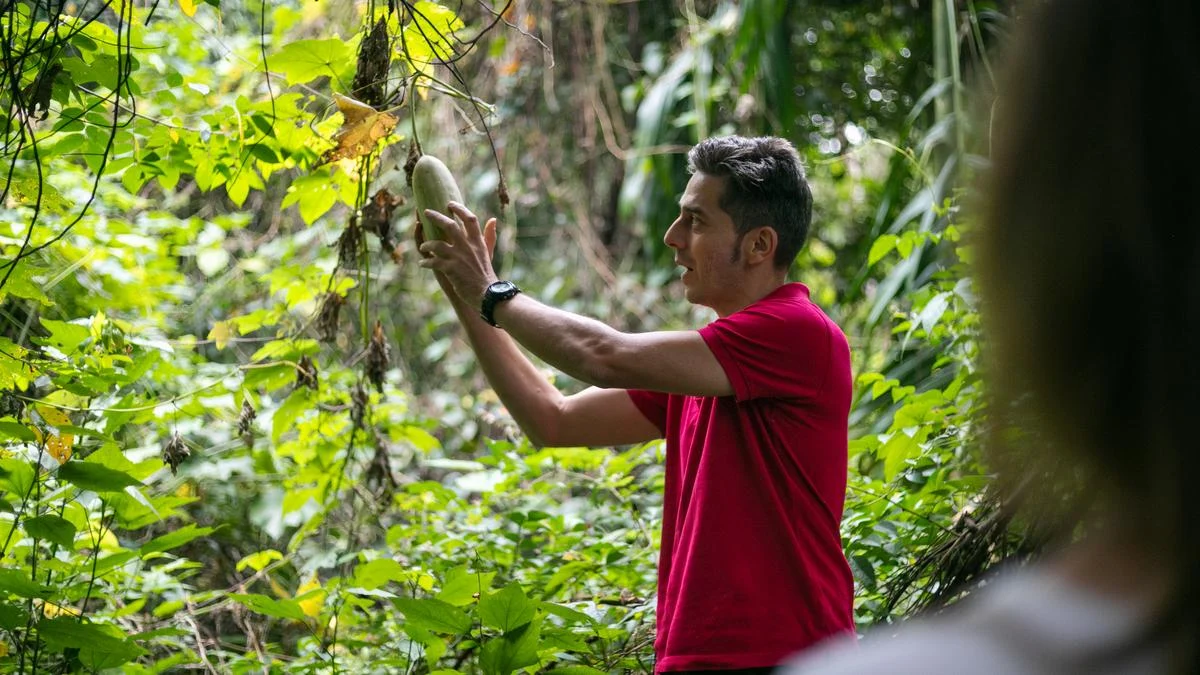
GOA – As the mercury climbs across the Konkan coast and the verdant landscapes of South Goa transition into the golden hues of the dry season, a peculiar and potent ritual unfolds. It begins not in the high-end bars of North Goa’s tourist hubs, but in the quiet villages of Quepem and Canacona. Here, the exchange of freshly filled, reused glass bottles serves as the primary currency of social greeting. The proclamation "This is the best urrak" is more than a boast; it is a seasonal anthem.
For a fleeting window in April and May, urrak—the cloudy, fruity, and lightly spiked precursor to the more famous Feni—takes center stage. It is a drink that defines the Goan summer, a beverage that is "literally on the boil" for a parched population. As the global culinary world pivots toward "farm-to-glass" transparency, Goa’s ancestral distillation practices are finding themselves at a crossroads between guarded heritage and a burgeoning niche in luxury tourism.

Main Facts: Defining the Spirit of the Soil
Urrak is the result of the first distillation of fermented cashew apple juice. Unlike Feni, which undergoes a second distillation to reach a higher alcohol by volume (ABV) and a more pungent clarity, urrak remains a "middle spirit." It is typically consumed fresh, as its low alcohol content and high sugar residue make it less shelf-stable than its more potent successor.
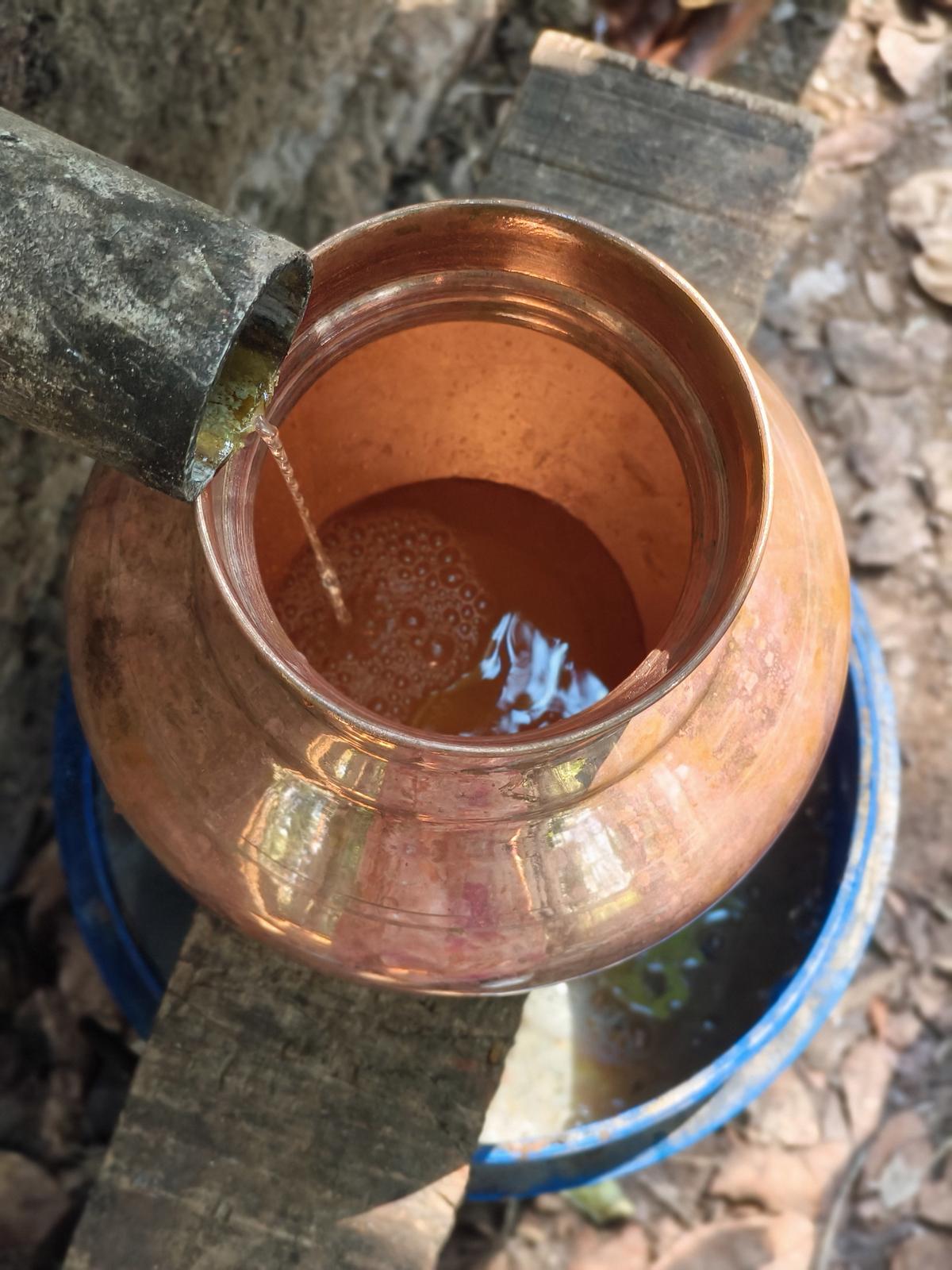
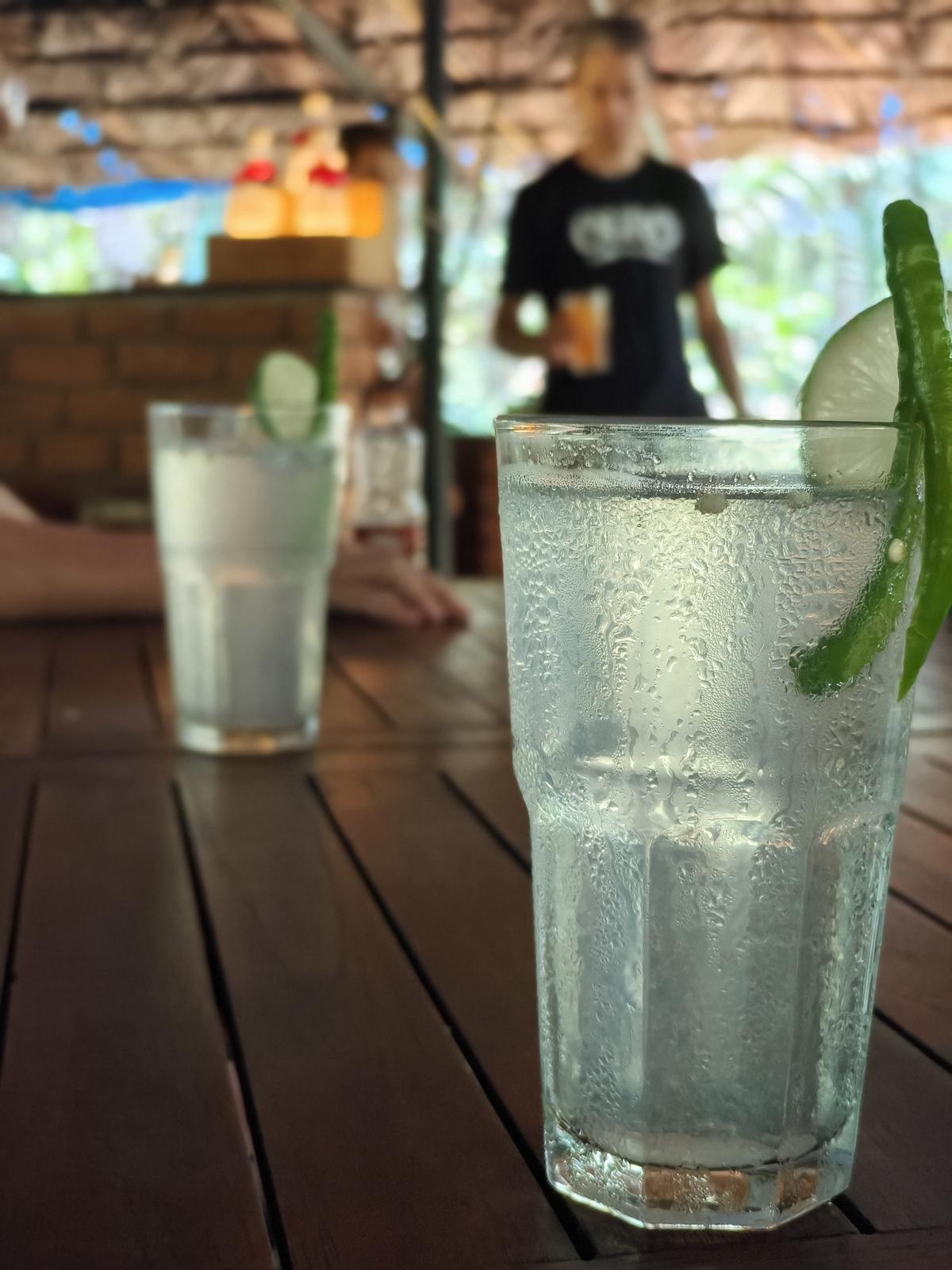
The drink is characterized by its milky opacity and a distinctive bouquet that balances the tropical sweetness of the cashew fruit with a sharp, fermented edge. To the uninitiated, it is an acquired taste; to the local Goan, it is a cooling necessity. Traditionally, it is served "done right"—mixed with lemonade (often Limca), a pinch of salt, and a slit green chili to cut through the fruitiness.
While Feni has secured a Geographical Indication (GI) tag, urrak remains the more intimate, elusive cousin. It is rarely found on supermarket shelves in other Indian states because it is a "live" product of the season. Its production is a race against time, dictated by the falling of the cashew apple and the heat of the summer sun.
Chronology: From Portuguese Roots to Modern Plantations
The history of urrak is inextricably linked to the arrival of the cashew tree (Anacardium occidentale) in the 16th century. Introduced by the Portuguese from Brazil, primarily for afforestation and soil conservation, the tree found the laterite soil of Goa to be a perfect home. However, while the Portuguese valued the nut, it was the local Goan population that pioneered the distillation of the "accessory fruit"—the cashew apple.
The 19th Century Legacy
In the village of Cotombi, the Diniz family represents the enduring nature of this chronology. Distilling since the late 1800s, the family has witnessed the evolution of Goan spirits across four generations. Solomon Diniz, the current custodian and the mind behind the premium Tinto Feni brand, notes that despite the modernization of the industry, the two months of the urrak season represent a complete disruption of the market. During April and May, sales of premium aged liquors plummet as the entire state pivots back to the fresh, seasonal brew.
The 1980s Transformation
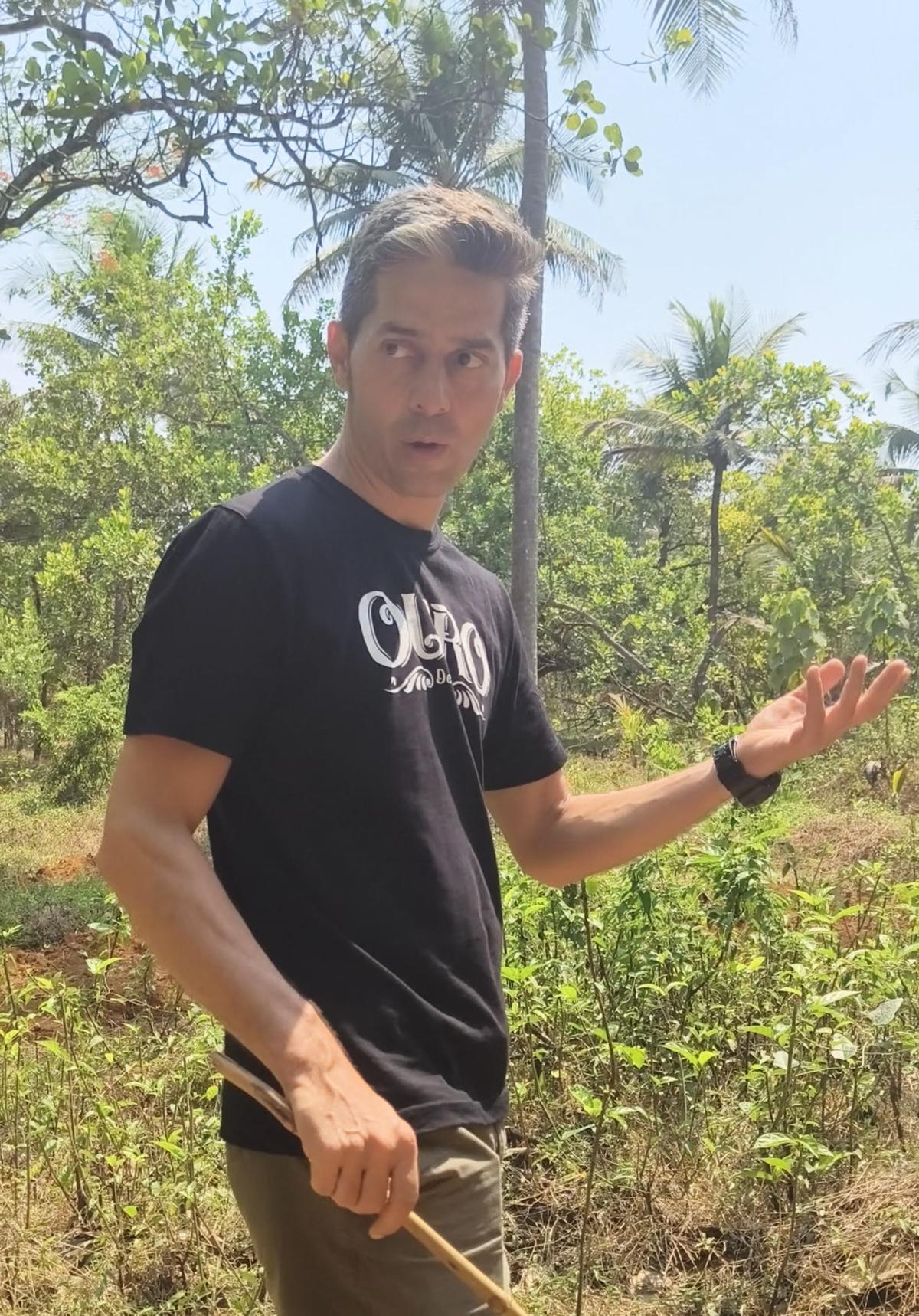
Further inland, the chronology of urrak took a different turn in the 1980s. In Karmane village, deep in the folds of the Western Ghats, Ajit Malkarnekar looked at 50 acres of barren, red-rust laterite soil and saw potential. Over the decades, he transformed this "unyielding" landscape into the Dudhsagar Plantation. Today, managed by Ajit and his son Ashok, the plantation serves as a bridge between the traditional distillation of the past and the sustainable, ecological tourism of the future.
Supporting Data: The Mechanics of the ‘Bhaan’
The production of urrak is a masterclass in low-tech, high-precision chemistry. The process begins with the harvesting of the cashew apples, which must be fully ripe and fallen from the tree.
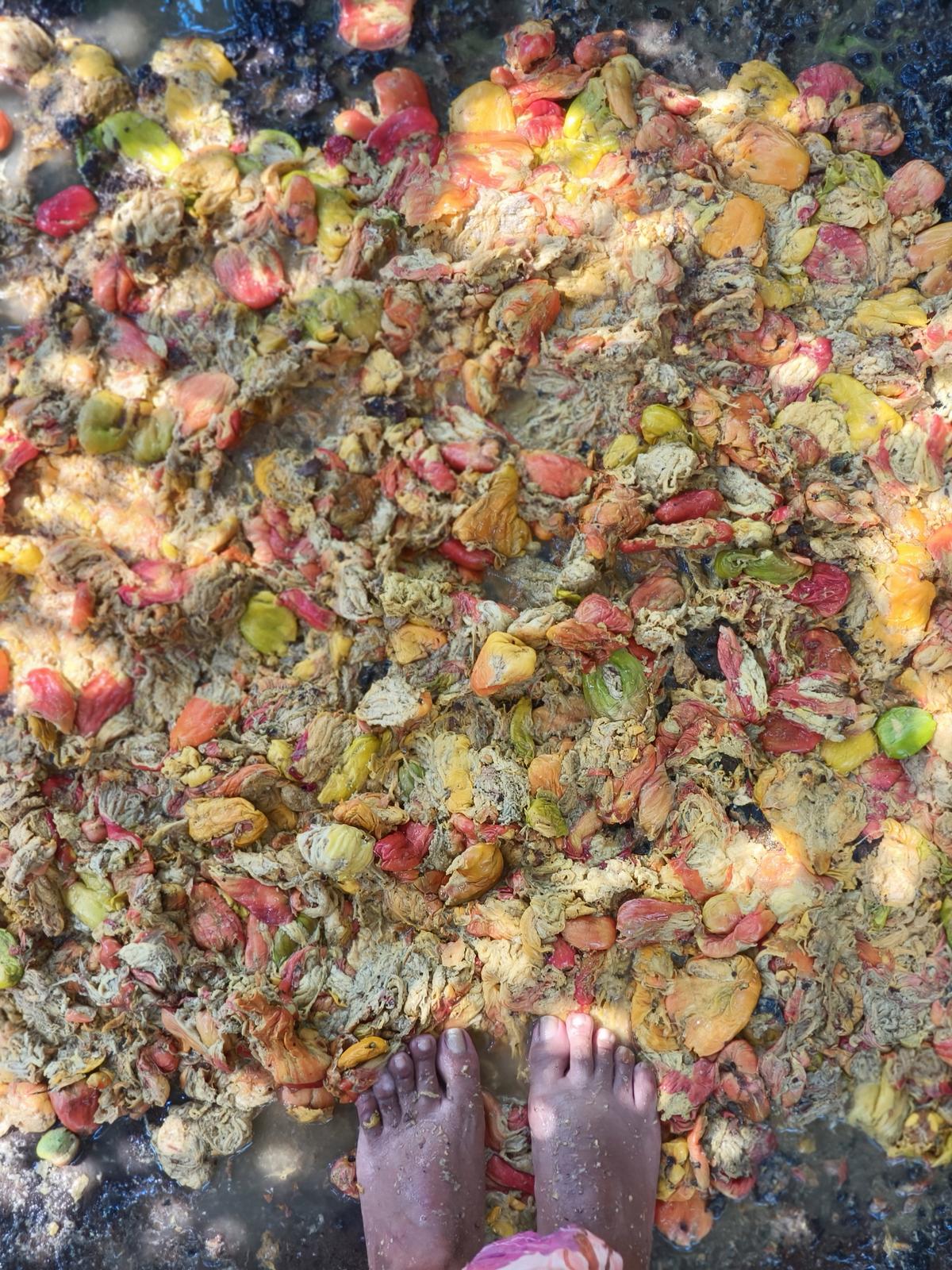
- The Crush: Traditionally, the fruit is crushed by foot in a stone basin called a kolmbi. At Dudhsagar Plantation, this method is still preserved for its efficiency in extracting juice without bruising the seeds.
- Fermentation: The juice is collected in large earthenware or plastic vats and allowed to ferment naturally for two to three days. No external yeast is added; the wild yeasts present on the fruit’s skin do the work.
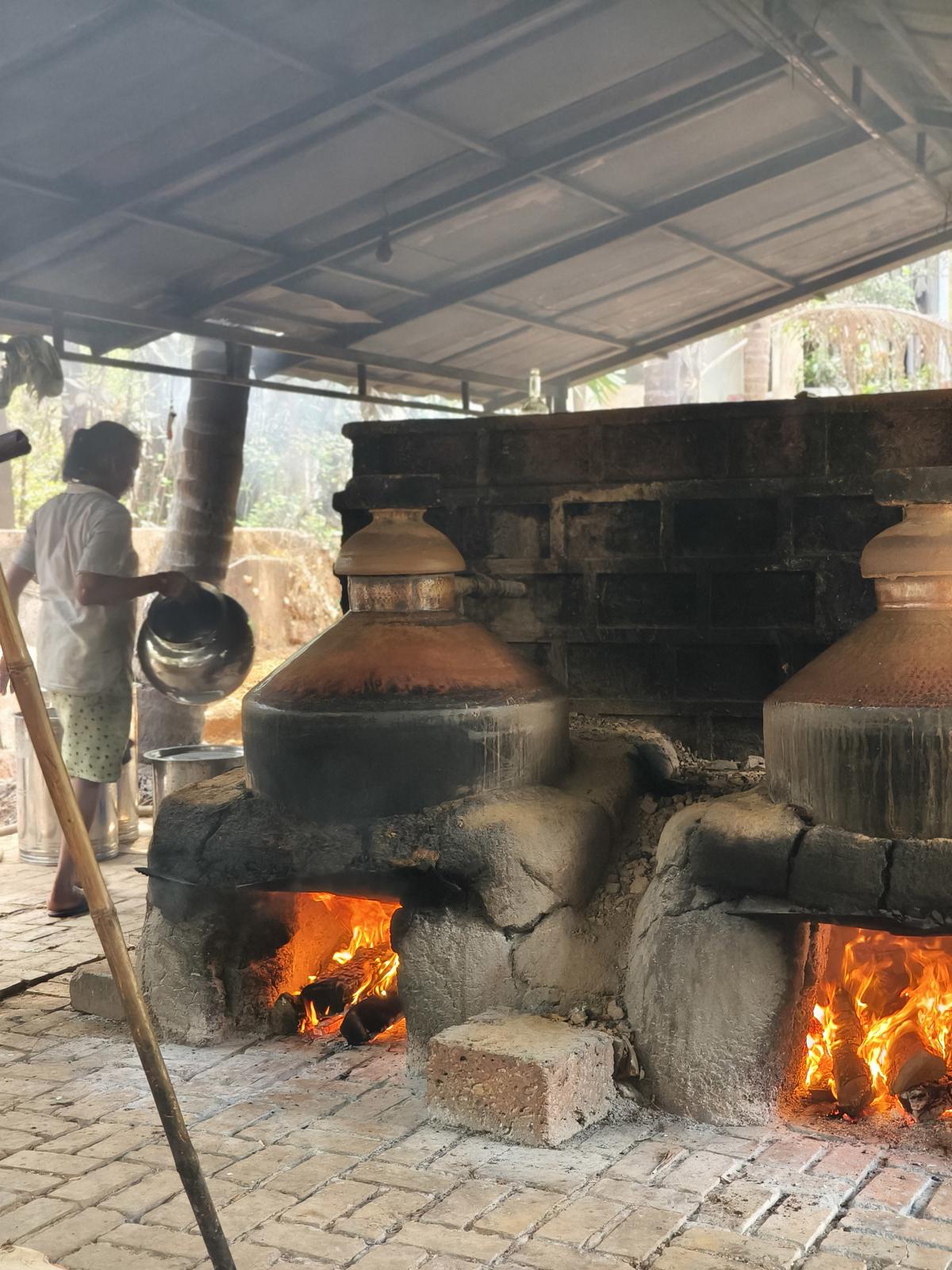
- The First Distill: The fermented juice is poured into a bhaan—a traditional copper pot still. It is heated over a wood fire, and the vapors are condensed through a cooling tank. The resulting liquid is urrak, usually hovering between 12% to 15% ABV.
Data from local distillers suggests that the yield is relatively low: it takes a significant volume of cashew juice to produce a single bottle of urrak. This scarcity, combined with the short harvest window, creates the high seasonal demand. Unlike commercial spirits, urrak is a "circular-living" product. At Dudhsagar, the leftover cashew pulp is often used as organic fertilizer or animal feed, ensuring that the process leaves a minimal environmental footprint.
Official and Expert Responses: Etymology and Identity
The cultural significance of urrak is currently being re-evaluated by experts who seek to distance it from its "country liquor" reputation. Hansel Vaz, a prominent figure in the Goan spirit industry and founder of Cazulo Feni, has taken on the role of a "Feni dotor" (doctor).
In recent symposiums, Vaz has challenged the common assumption that urrak has always been a cashew-based drink. He points to an older etymology, tracing the word—variously spelled as hurrak, urrac, and urraca—to Arabic roots (Arak), referring to spirits distilled from the sap of the coconut tree.

"The early references do not point to a cashew distillate at all," Vaz insists. He argues that the cashew fruit, with its overwhelming fragrance and sugar content, effectively "hijacked" the name and the distillation infrastructure of the older coconut-based spirits. This historical nuance is vital for the industry as it seeks to market Goan spirits to a global audience interested in authenticity and heritage.
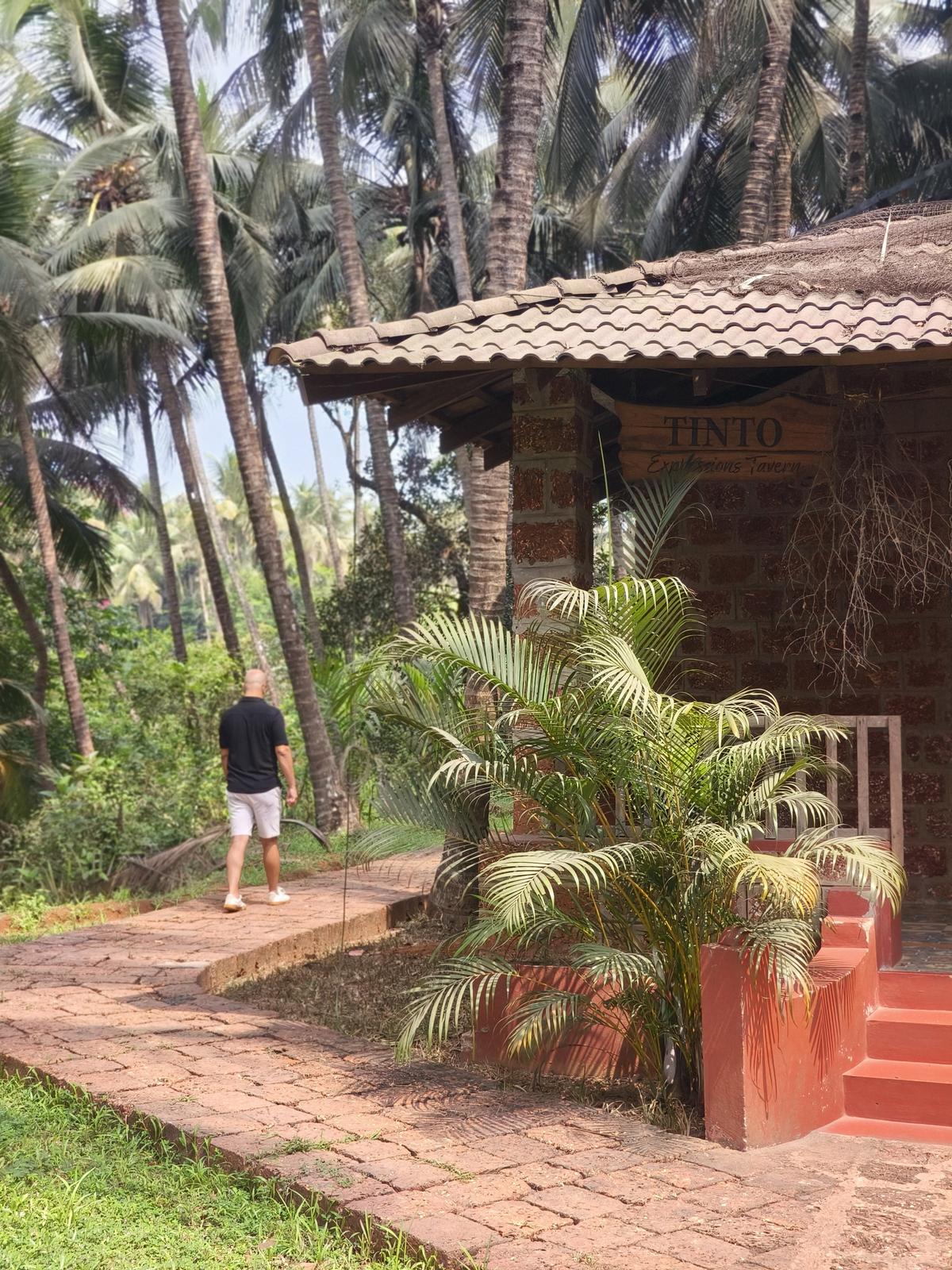
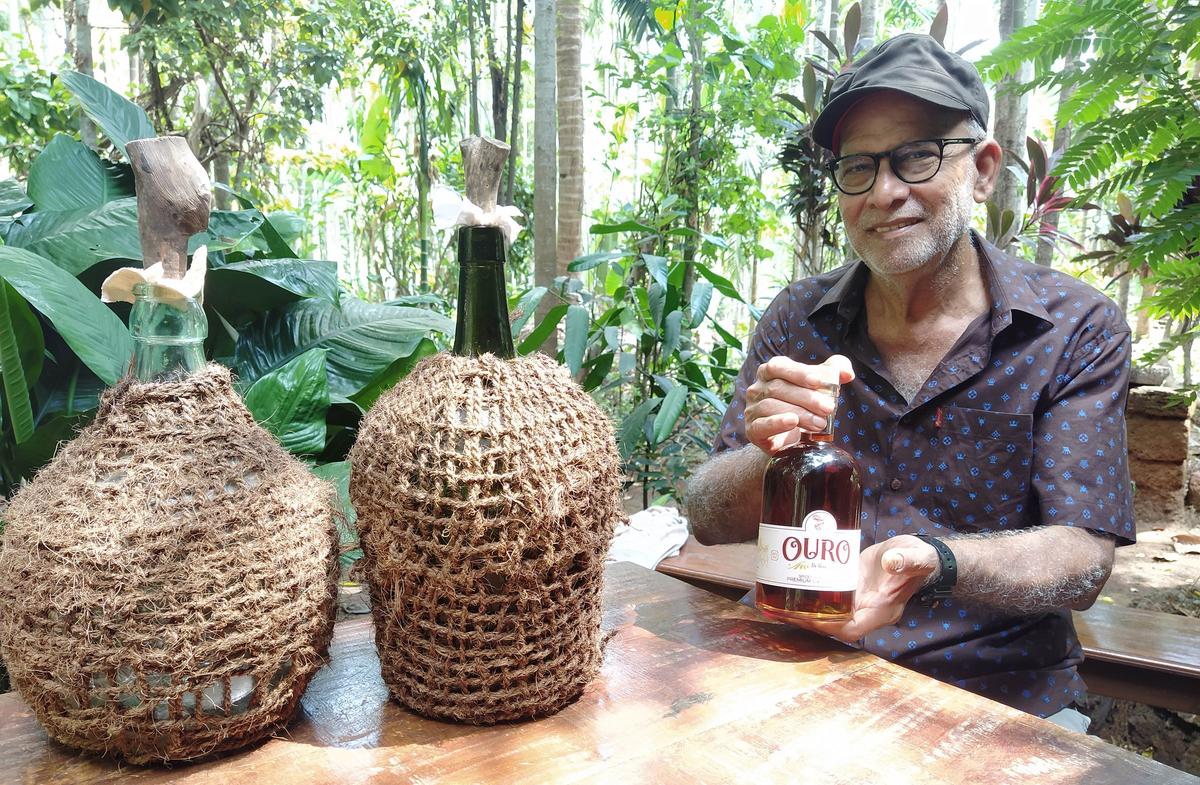
For Solomon Diniz, the focus remains on the "Tinto Expressions Tavern" in Quepem, where he curates a "thoughtfully calibrated" experience for aficionados. He views urrak not just as a drink, but as a test of taste—a benchmark for the quality of the cashew crop each year.
Implications: Tourism, Tradition, and the ‘Slow’ Movement
The rise of "urrak plantation hopping" signals a significant shift in Goa’s tourism economy. As travelers move away from the "sun, sand, and surf" cliché, there is a growing appetite for immersive cultural experiences.
The Heritage Dilemma
The debate among distillers today is whether to remain "gatekeepers" of a secret tradition or to "lay it all out" for the visitor experience. The success of Dudhsagar Plantation suggests that there is a middle ground. By offering tours that explain the bhaan and the fermentation vats, the Malkarnekars are educating a new generation of consumers on the importance of "knowing your trees and your fruit."
Radical Slow Living
In an era of instant gratification, the Malkarnekar philosophy—"don’t rush anything"—feels radical. This "slow life" approach is the greatest implication of the urrak season. It forces a pause in the industrial pace of life, requiring producers and consumers alike to adhere to the rhythm of the trees.
Economic Impact
The economic implications are also noteworthy. The urrak season provides a vital cash-flow injection for rural Goan families. However, as climate change begins to affect the flowering patterns of cashew trees, the predictability of this season is under threat. The transition from a local barter system to a structured tourism model (with tours starting at approximately ₹750) may provide the financial cushion needed to preserve these plantations against the pressures of real estate development.
Conclusion
Urrak is more than a seasonal beverage; it is a liquid archive of Goan history, geography, and social hierarchy. From the 19th-century stills of the Diniz family to the "Feni dotors" tracing Arabic linguistic roots, the spirit represents a culture that refuses to be homogenized. As the last bottles of the season are bartered and the monsoon clouds begin to gather on the horizon, the message from the plantations is clear: to drink urrak is to know Goa, not as a tourist destination, but as a living, breathing landscape that yields its best secrets only to those willing to wait for the harvest.
