

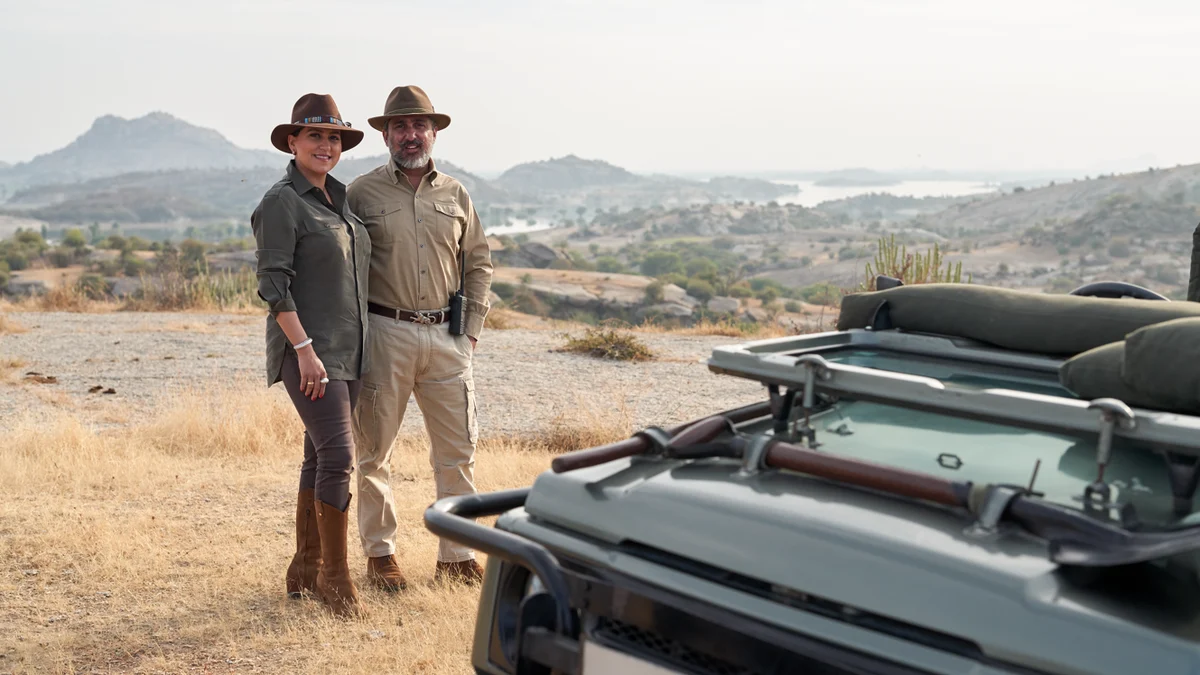
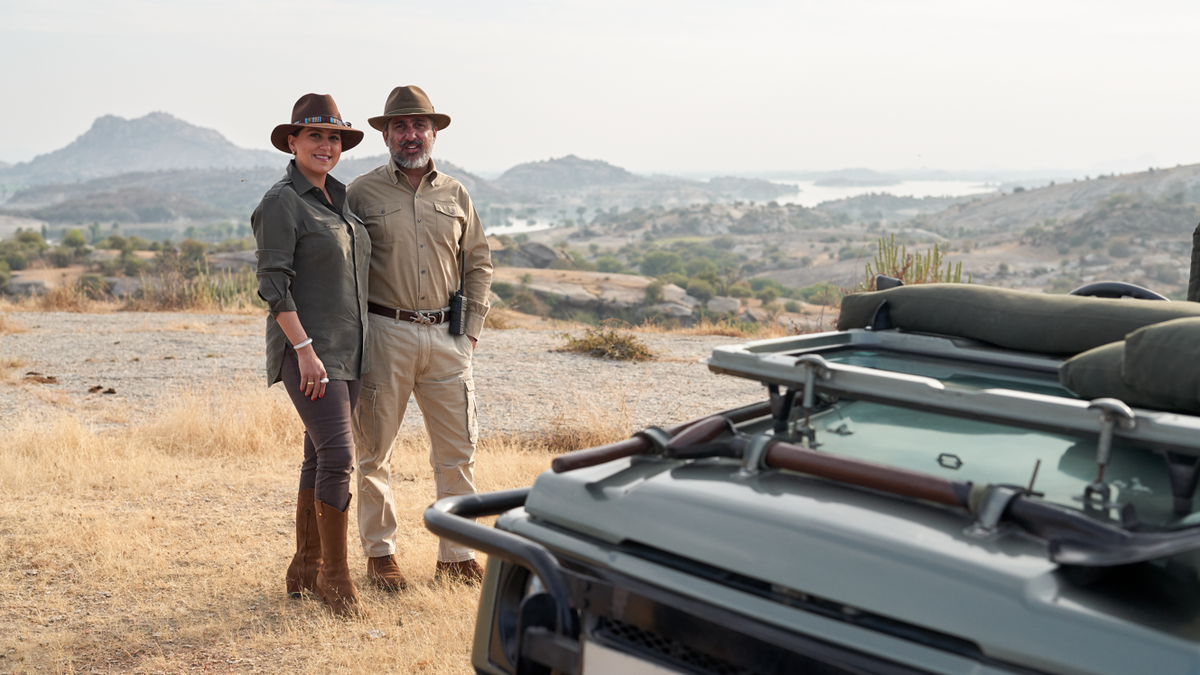
The dusty trails of Ranthambore National Park hold more than just the footprints of the elusive Bengal tiger; they contain the blueprint for a revolutionary model of hospitality. For Jaisal Singh, the founder of SUJÁN, the park was not merely a backdrop for a business venture but the setting of his formative years. Today, as India faces a crossroads between mass tourism and ecological preservation, Singh and his wife, Anjali Singh, are advocating for a paradigm shift: one where luxury hospitality serves as the primary engine for wildlife conservation rather than its predator.
Main Facts: The Intersection of Heritage and Hospitality
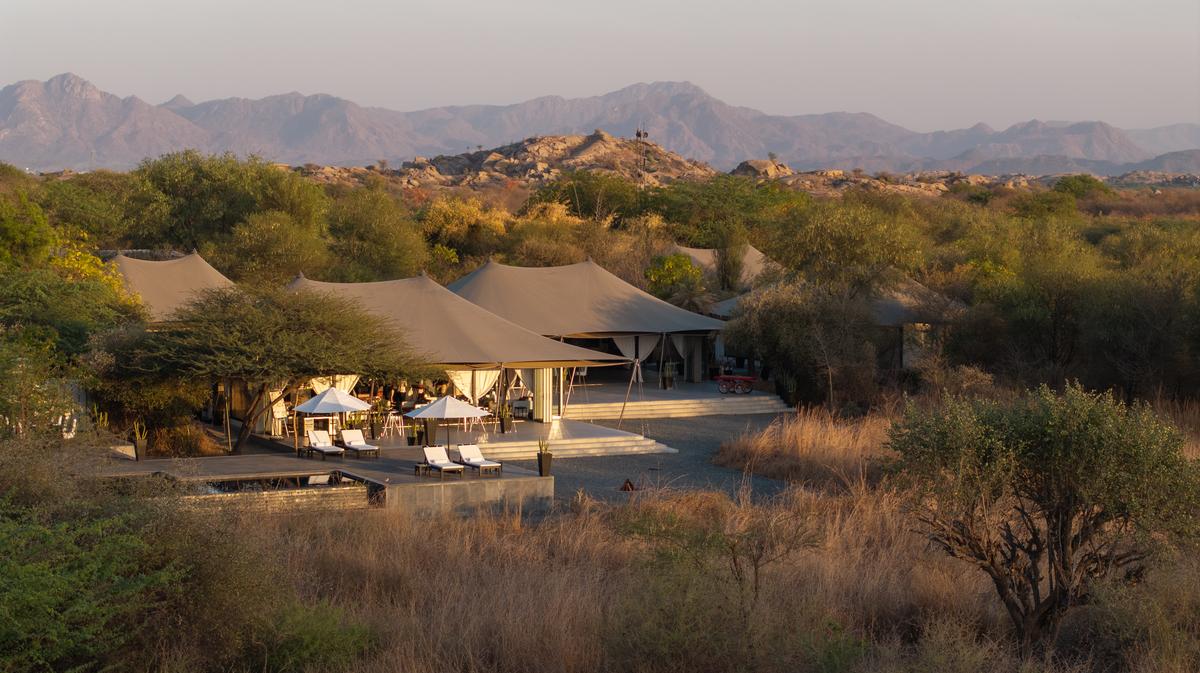
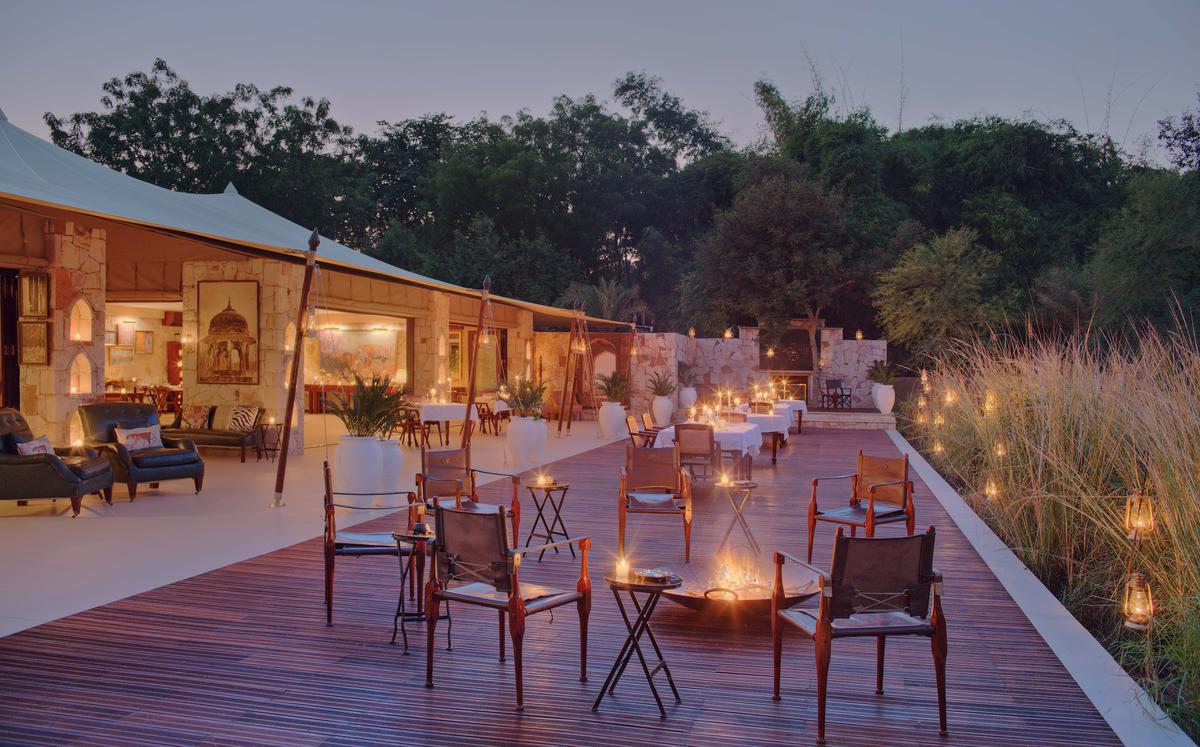
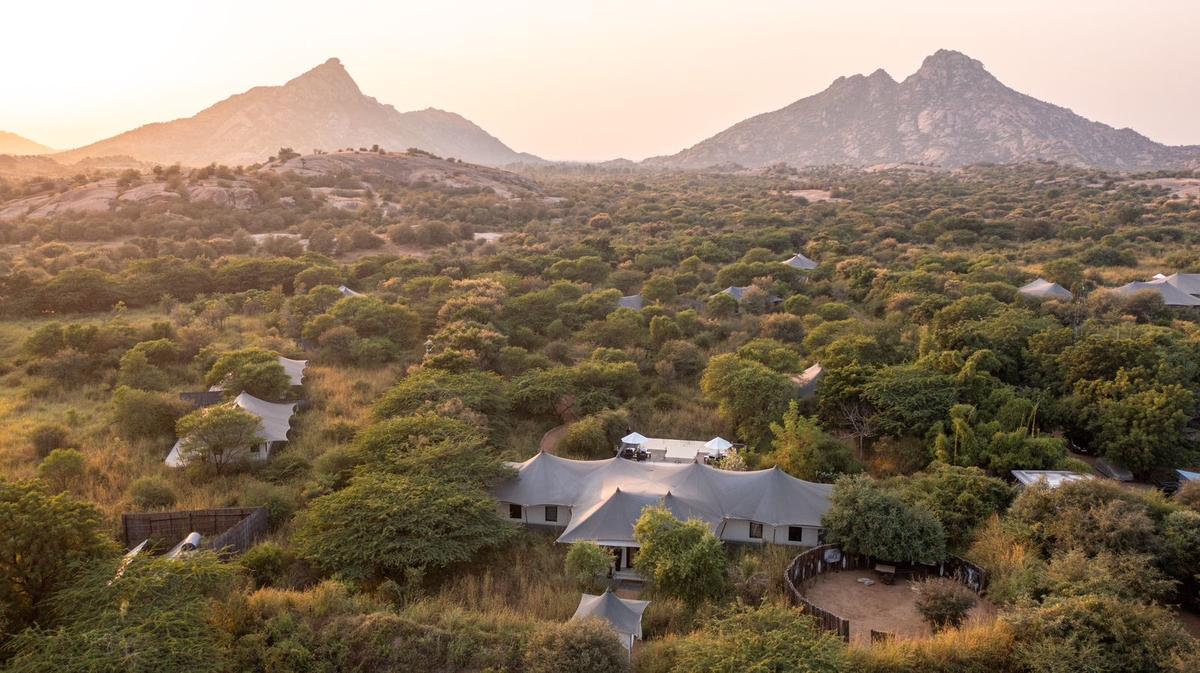
At the core of this narrative is SUJÁN Sher Bagh, a pioneering luxury tented safari camp established in 2000. Located on the fringes of Ranthambore National Park in Rajasthan, Sher Bagh was one of India’s first forays into the high-end tented camp model, a style of accommodation that has since become synonymous with the region’s luxury identity.
The business, which now includes celebrated properties in Jawai and Jaisalmer, is a member of the prestigious Relais & Châteaux association. However, the Singhs maintain that their primary "product" is not the room or the service, but the preservation of the ecosystem. This philosophy is underpinned by several key initiatives:
- The Sustainability Fee: Every guest contributes a mandatory fee that directly funds healthcare, community outreach, and rewilding projects.
- Rewilding Private Land: Converting degraded agricultural land back into natural habitats to create buffer zones for wildlife.
- The Tracker Academy: A forthcoming initiative aimed at professionalizing the roles of safari drivers and guides to ensure ethical wildlife viewing.
- International Collaboration: A recent Memorandum of Understanding (MOU) with a Central Asian nation to export their conservation-tourism model.
This mission coincides with the upcoming International Big Cat Summit in New Delhi (June 1-2), an event designed to foster global cooperation in protecting the "Big Seven"—the tiger, lion, cheetah, leopard, snow leopard, jaguar, and puma.
Chronology: From the Banyan Tree to Global Conservation
The story of SUJÁN is rooted in the late 20th-century conservation movement in India. Jaisal Singh’s childhood was defined by a "rudimentary lifestyle" that he now considers the ultimate luxury.
The Formative Years (1970s – 1990s)
Jaisal’s parents, both filmmakers, and his uncle, the renowned wildlife conservationist Valmik Thapar, were instrumental in the early protection of Ranthambore. During school holidays, Jaisal lived without running water or electricity, camping under a grand banyan tree near Jogi Mahal—a former hunting lodge. His parents and uncle established the Ranthambore Foundation, an NGO that became the bedrock of his understanding of the delicate balance between local communities and wildlife.
The Birth of Sher Bagh (2000)
Before departing for the School of Oriental and African Studies (SOAS) in London to study the history of art, Jaisal proposed a business plan to his parents. The idea was to take the farm they had painstakingly rewilded at the park’s edge and transform it into a luxury tented camp. Inspired by the safari traditions of Africa—which, ironically, Jaisal notes were originally influenced by the Mughal shikar (hunting) camps of India—Sher Bagh opened its doors in 2000.
Expansion and Accolades (2000 – 2024)
Over the next quarter-century, Sher Bagh evolved from a 12-room camp into a globally recognized icon of sustainable luxury. Alongside Anjali Singh, Jaisal expanded the SUJÁN portfolio to include Jawai (famed for its leopard conservation) and Jaisalmer. The brand became a vehicle for a larger mission: supporting local communities through schools and medical clinics while ensuring that the "slow life" of the jungle remained uncorrupted by modern pressures.
Supporting Data: The Cost of Progress and the Value of Preservation
The success of Ranthambore as a tourist destination has brought with it a set of complex ecological challenges. Supporting data from the region and global parallels highlight the urgency of the Singhs’ mission.
The "Maasai Mara" Effect
Jaisal points to the Maasai Mara National Reserve in Kenya as a cautionary tale. In that region, the number of safari vehicles has quadrupled in recent decades, leading to habitat degradation and extreme wildlife stress. While the number of vehicles permitted into Ranthambore’s core zones remains regulated, the "periphery pressure" has surged.
The Rise of "Wedding Tourism"
A significant concern raised by the Singhs is the lack of municipal zoning. In the absence of strict "Wildlife Special Zones," large-scale city-style hotels have mushroomed near the park boundaries. These properties often cater to the "wedding market," featuring hundreds of rooms and loud festivities that are fundamentally at odds with the silence required for a healthy wildlife corridor.
The SUJÁN Impact Model
To counter this, SUJÁN’s model relies on low-impact, high-value tourism. By charging a sustainability fee, they have successfully funded:
- Mobile Health Clinics: Providing primary healthcare to thousands of villagers living on the park’s edges, thereby reducing their dependence on forest resources.
- Education Initiatives: Supporting local schools to create a generation of conservation-aware citizens.
- Rewilding: Successfully converting hundreds of acres of barren land into thriving habitats that act as carbon sinks and wildlife transit points.
Official Responses and Expert Perspectives: Addressing the "Reel" Problem
The Singhs are vocal about the changing nature of the safari experience, particularly the influence of social media. Anjali Singh observes that the "Instagrammization" of wildlife has altered tourist behavior.
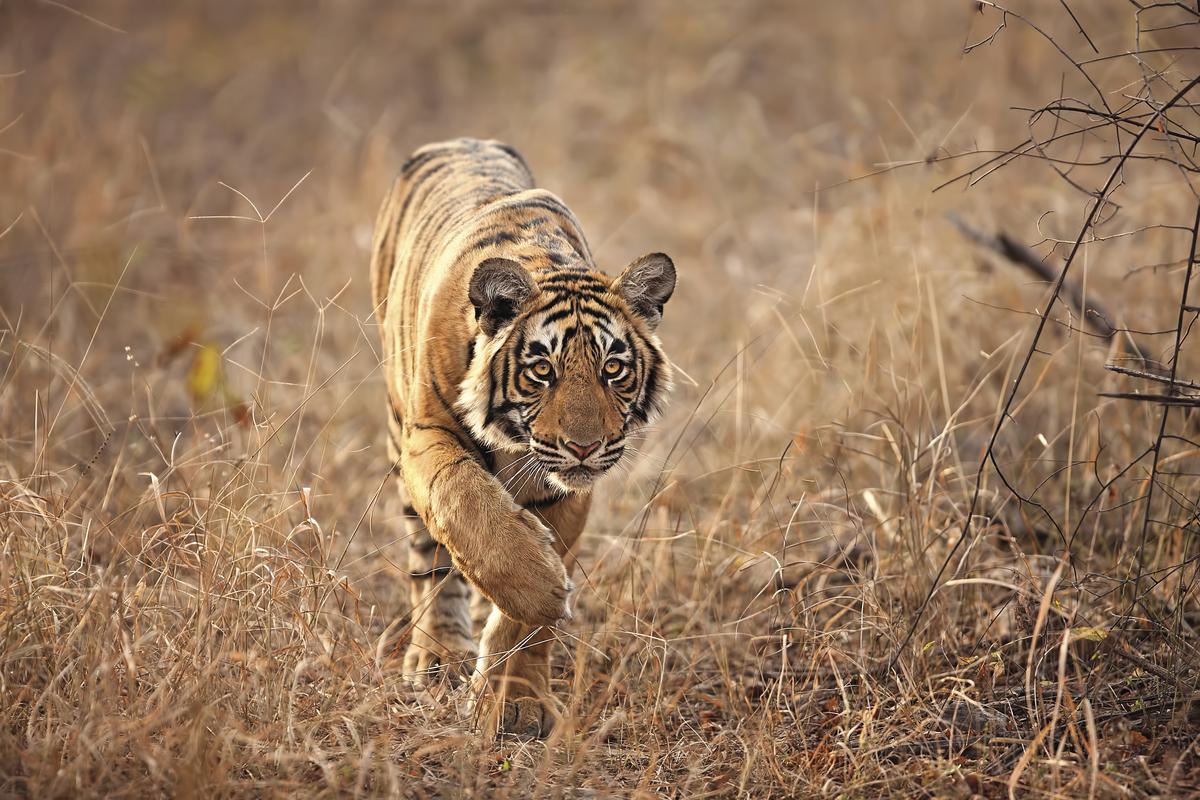
"Social media and improved expressway connectivity have destroyed the slow pace needed to truly explore a park," Anjali notes. The phenomenon of "tiger-centric" tourism—where dozens of jeeps crowd a single cat for a 15-second video clip—violates safari decorum and creates an environment of "guaranteed sightings" that pressures guides to act unethically.
The Tracker Academy as a Solution
To address this, the Singhs are launching a training academy for trackers and guides. Jaisal believes that if every driver undergoes rigorous training in wildlife etiquette and biology, it will "spread good wildlife etiquette" throughout the parks. The goal is to partner with state governments to issue official certifications, raising the bar for the entire industry.
The Call for Policy Change
Jaisal argues that conservation should not be relegated to a "CSR project" or a "save water" card in a bathroom. He advocates for the government to recognize "Special Wildlife Zones"—degraded lands at the edges of parks that can be privately rewilded. "It is a touchy topic in India," he admits, "but we hope to show the government how this is a workable model by implementing it abroad first."
Implications: A Global Blueprint for the Future
The implications of the SUJÁN model extend far beyond the borders of Rajasthan. By moving into Central Asia and engaging with the International Big Cat Summit, Jaisal and Anjali Singh are positioning Indian conservation expertise as a global export.
1. The Export of Conservation Models
The MOU signed with a Central Asian country signifies a shift in how conservation is managed. By combining private investment with a "tourism angle," the Singhs aim to create safe reserves in regions where wildlife may be underprotected. This suggests that the future of conservation may lie in private-public partnerships that bypass traditional bureaucratic hurdles.
2. Redefining the Luxury Market
The success of SUJÁN proves that there is a significant market for "purpose-driven luxury." Travelers are increasingly willing to pay a premium if they know their presence contributes to the survival of a species or the upliftment of a community. If this model is adopted by larger hotel groups, it could fundamentally change the economic landscape of conservation.
3. Ecological Resilience
The focus on "rewilding" and "buffer zones" is critical in an era of climate change. By creating stable habitats outside of government-protected forests, the Singhs are providing wildlife with the "room to roam" necessary for genetic diversity and climate adaptation.
Conclusion
Jaisal Singh’s journey from a banyan tree in Ranthambore to the boardrooms of international conservation summits reflects a deep-seated commitment to a legacy. In his view, hospitality is not an end in itself but a means to protect the natural world. As Ranthambore faces the pressures of the modern world, the SUJÁN model stands as a testament to the idea that true luxury is not found in gold-plated faucets, but in the silent, powerful presence of a tiger in a forest that humans have fought to save.
