

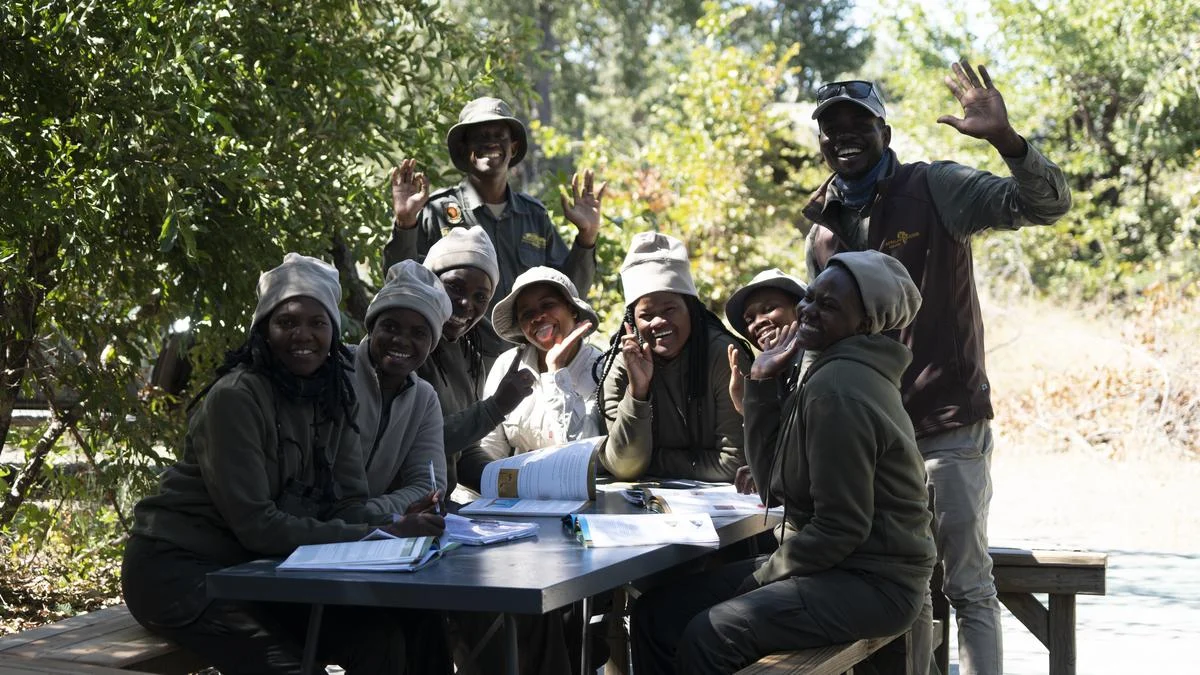
OKAVANGO DELTA, BOTSWANA — In the heart of the Okavango Delta, where the emerald waters of the world’s largest inland delta meet the scorched earth of the Kalahari, a quiet revolution is unfolding. It is a movement led not by traditional political figures, but by women in khaki, armed with data sheets, binoculars, and a profound sense of purpose.
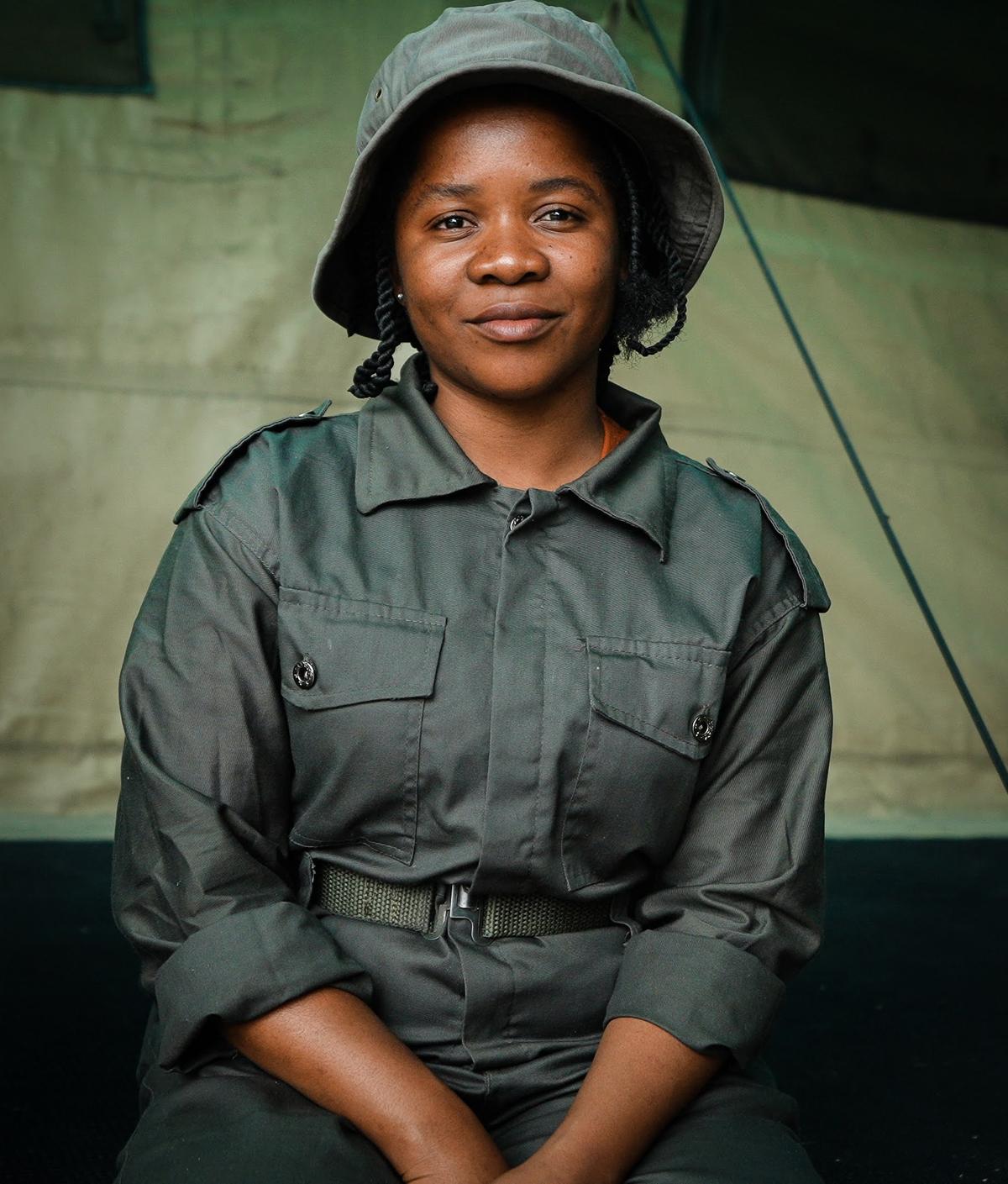
At the Sitatunga Great Plains Private Island Camp, Miss Peahlo—known to her colleagues and friends as "Miss P"—sits across a table, her demeanor a blend of professional stoicism and quiet vulnerability. When asked about the origin of her name, her response is a stark reminder of the social hurdles many women in Botswana face.
"It means pain and rejection in Setswana," she says matter-of-factly. "My father left my mother before I was born."
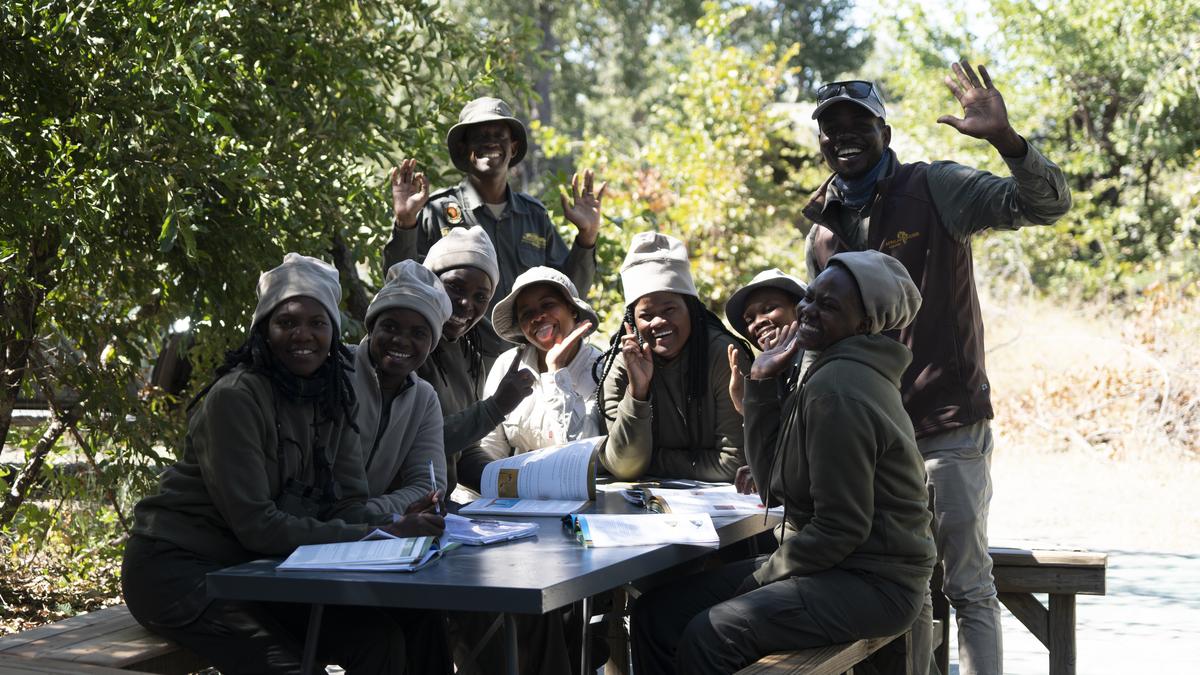
Today, Miss P is a mother herself, raising a six-year-old daughter. But unlike her own upbringing, her daughter’s life is being built on a foundation of empowerment. Miss P is a biodiversity monitor and a member of the pioneering Female Ranger Programme, an initiative by the Great Plains Foundation that is transforming the landscape of African conservation.
I. Main Facts: A Dual Crisis of Economics and Ecology
The Okavango Delta is a UNESCO World Heritage site, celebrated for its staggering biodiversity and its history as a cradle for ancient cultures, including the Bambukushu tribe—the legendary "rainmakers" of the region. However, beneath the surface of this pristine wilderness lies a dual crisis: a national economic emergency and an ecological struggle for survival.
The Economic Emergency
According to the Daily News Botswana, the country’s primary government-owned newspaper, youth unemployment in Botswana reached a staggering 38.2% in 2025, a figure the government has declared a national emergency. In the remote reaches of the Okavango, employment opportunities are almost exclusively tied to luxury safari tourism. For women, the barriers to entry are even more formidable, hampered by systemic gender inequality and limited access to the specialized education required for formal roles in the economy.
The Ecological Void
Historically, the "Big Five" roamed the Delta in vast numbers. However, decades of relentless hunting for trophies, hides, and horns decimated these populations. The most tragic loss occurred in 1985, when the last indigenous rhinoceros in Botswana was shot. At the turn of the 20th century, global rhino populations were estimated at 400,000; by the end of that century, that number had plummeted to fewer than 2,000.
The Great Plains Solution
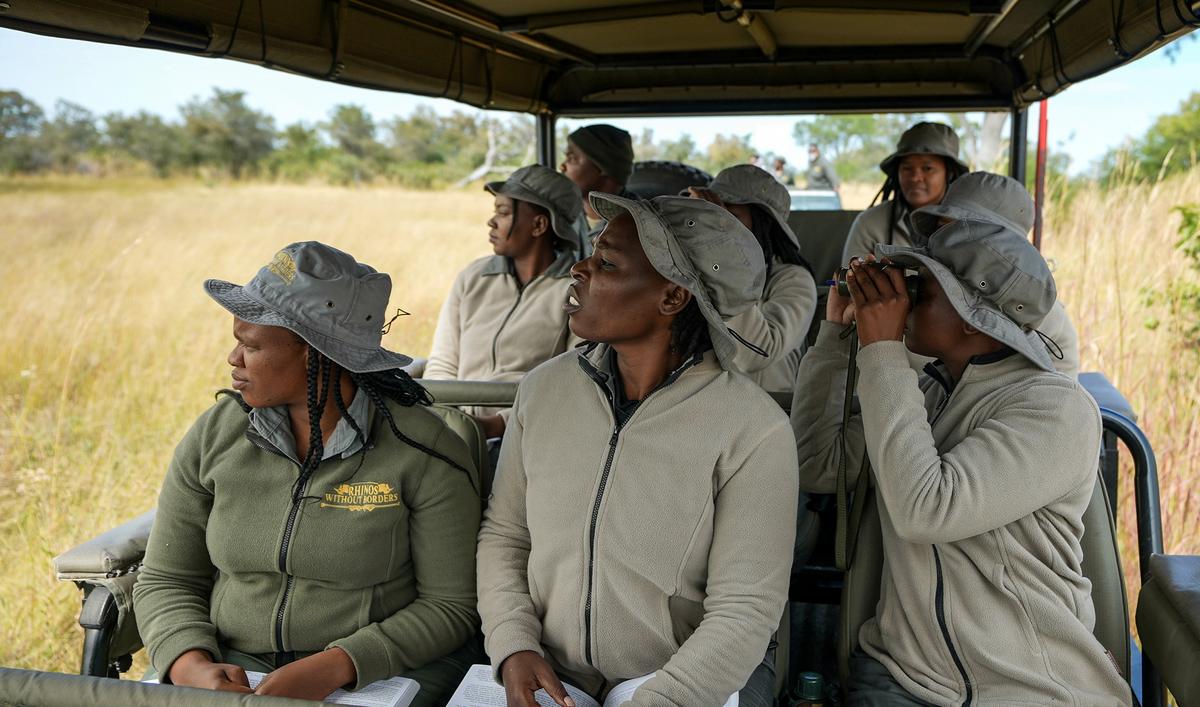
To address these intersecting issues, the Great Plains Foundation—the non-profit arm of Great Plains Conservation—launched the Female Ranger Programme. This initiative seeks to provide high-level employment to local women while simultaneously deploying "boots, eyes, and ears on the ground" to protect reintroduced species and mitigate human-wildlife conflict.
II. Chronology: From Extinction to Empowerment
The path toward the current ranger program is a timeline of tragedy, vision, and eventual triumph.
- 1985: The extinction of the indigenous rhinoceros in Botswana due to poaching.
- 2006: National Geographic Explorers Dereck and Beverly Joubert establish Great Plains Conservation. Their mission was to create a tourism model where every guest’s stay directly funded the protection of the surrounding wilderness.
- 2017: A pivotal moment occurs when Beverly Joubert is hospitalized in the Delta following a serious accident. During her recovery, she developed deep bonds with the local women who cared for her. Observing their economic dependence and lack of opportunity, the Jouberts began conceptualizing a program that would integrate these women into the front lines of conservation.
- 2022: Great Plains Foundation officially advertises 24 ranger positions for women across Botswana and Zimbabwe. The response was overwhelming; over 200 applications were received within the first 24 hours, highlighting the desperate need for employment in the region.
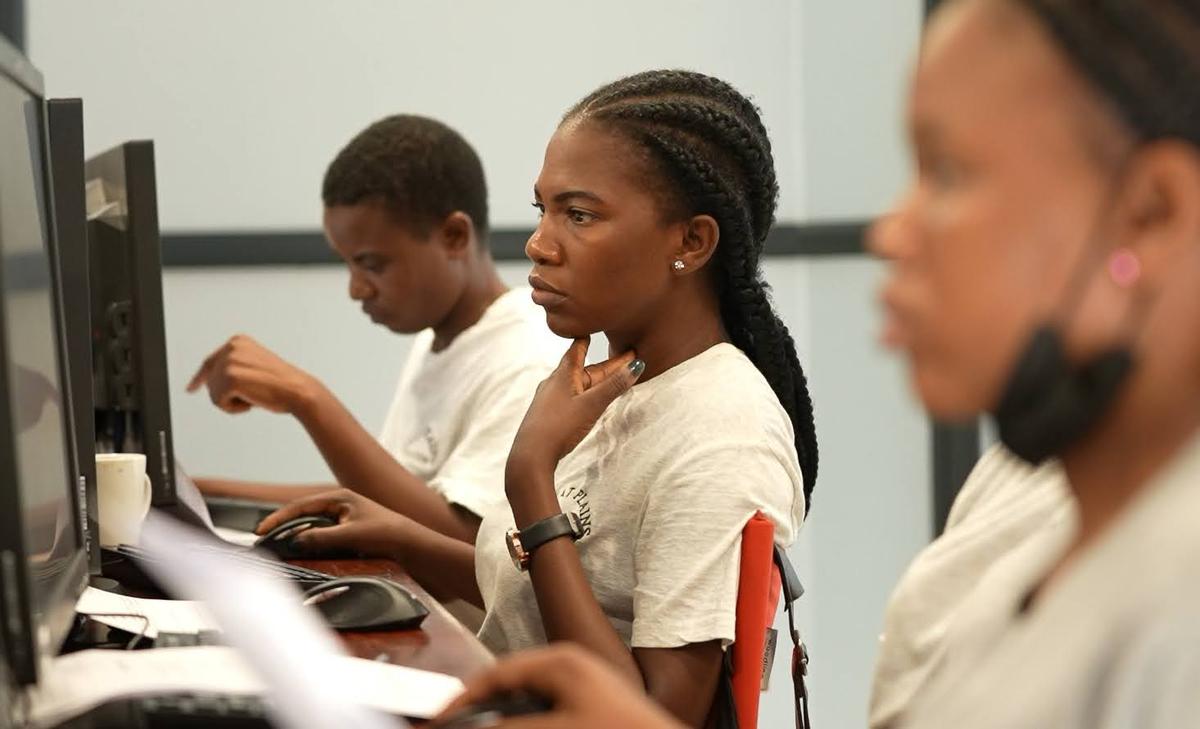
- 2022–Present: The selected candidates undergo a rigorous six-month training program, covering everything from wildlife tracking and photography to first aid and boat maneuvering.
III. Supporting Data: The Ripple Effect of a Single Salary
The impact of the Female Ranger Programme is measured both in biological data and socio-economic transformation.
Economic Multipliers
The cost to train and provide a salary for a single female ranger is approximately $15,000 USD per year. While this is a significant investment, the return on the community is exponential. According to Dereck Joubert, a single female ranger’s salary in this region can sustain up to 10 extended family members.
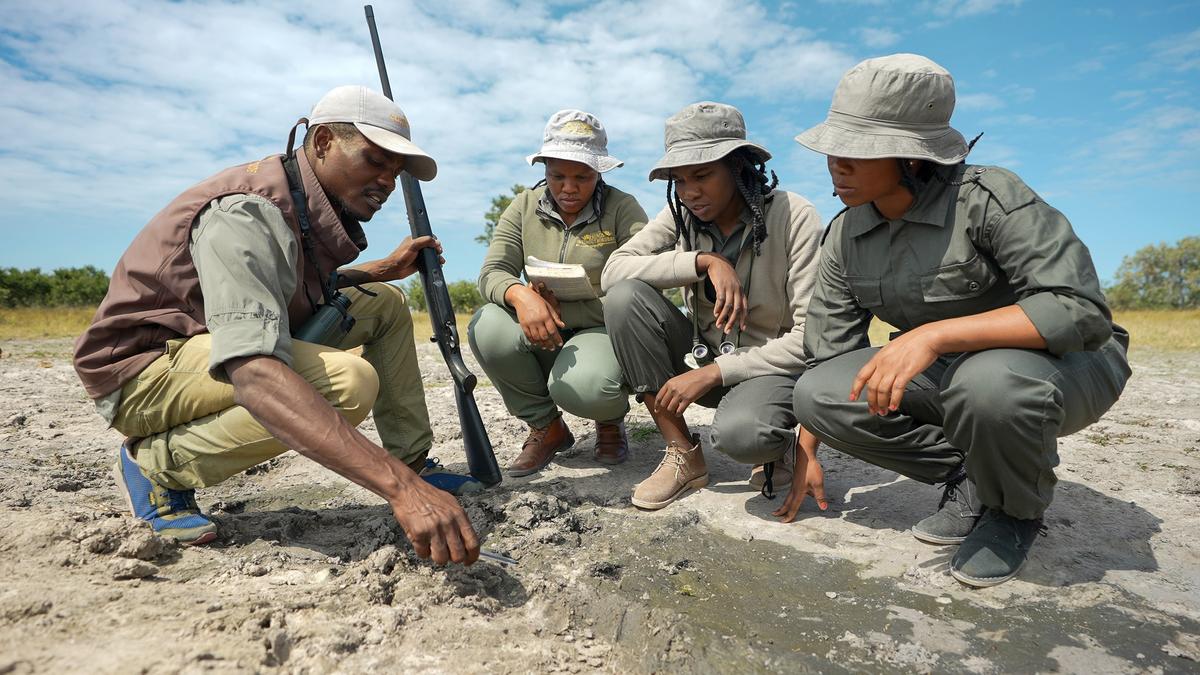
For Miss P, the benefits are tangible. "The salary is better than most jobs available to women here," she explains. "Because my accommodation and food are covered at the camp, most of what I earn goes directly to my family. It means getting my daughter into a good school."
Another ranger, Agonneone Oneh Botshelo, notes that her employment has allowed her to secure medical insurance and professional certifications, which eventually enabled her to build her own home—a feat previously unthinkable for a young woman in her village.
Biological Efficacy
Women have proven to be exceptionally effective at reducing human-wildlife conflict. Conservationists observe that women often utilize their deep ties to the local community to de-escalate tensions when wildlife encroaches on village livestock.
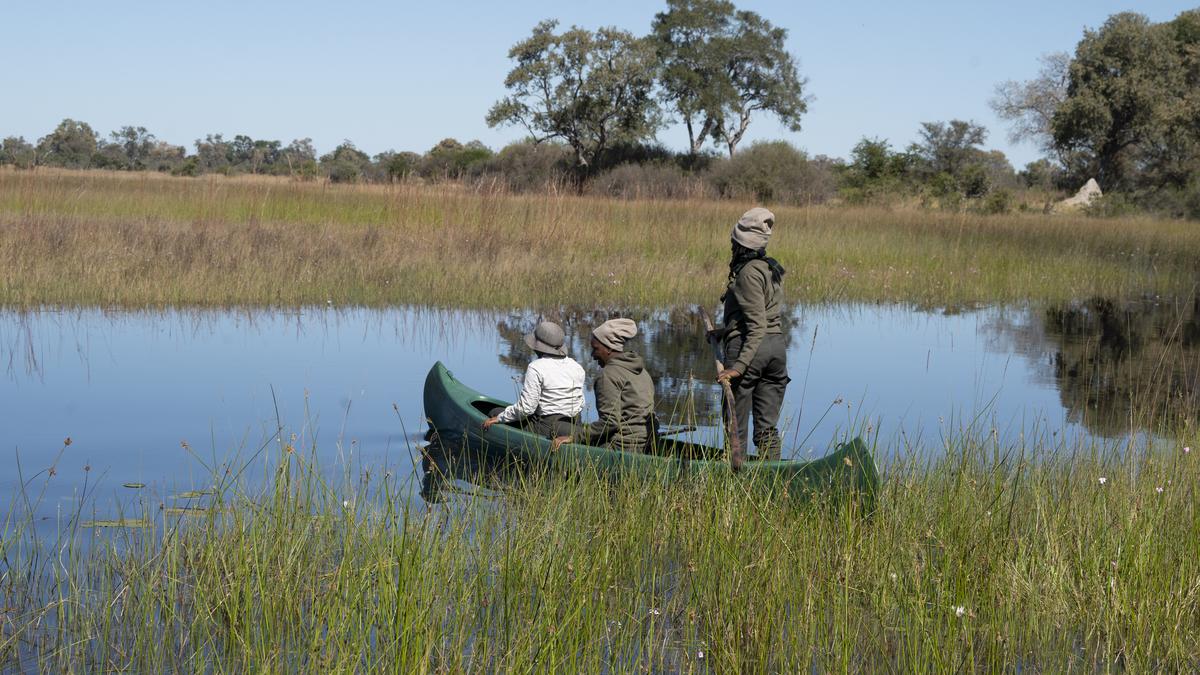
Furthermore, in the Duba Plains Camp, female rangers are tasked with the daily tracking of reintroduced rhinos. Miss P notes that her perspective as a mother provides a unique advantage: "I understand how the rhinos’ behavioral patterns change during pregnancy and after birth. We have to track and count each one every single day to ensure their safety."
IV. Official Responses: Shifting the Paradigm
The leadership at Great Plains Conservation views the program as a necessary evolution of the safari industry.
"We needed to shift gender stereotypes and create role models for young girls," says Dereck Joubert. "Hiring female rangers as biodiversity monitors isn’t just about social justice; it’s about better conservation. They are meticulous, they are connected to the community, and they bring a different energy to the field."
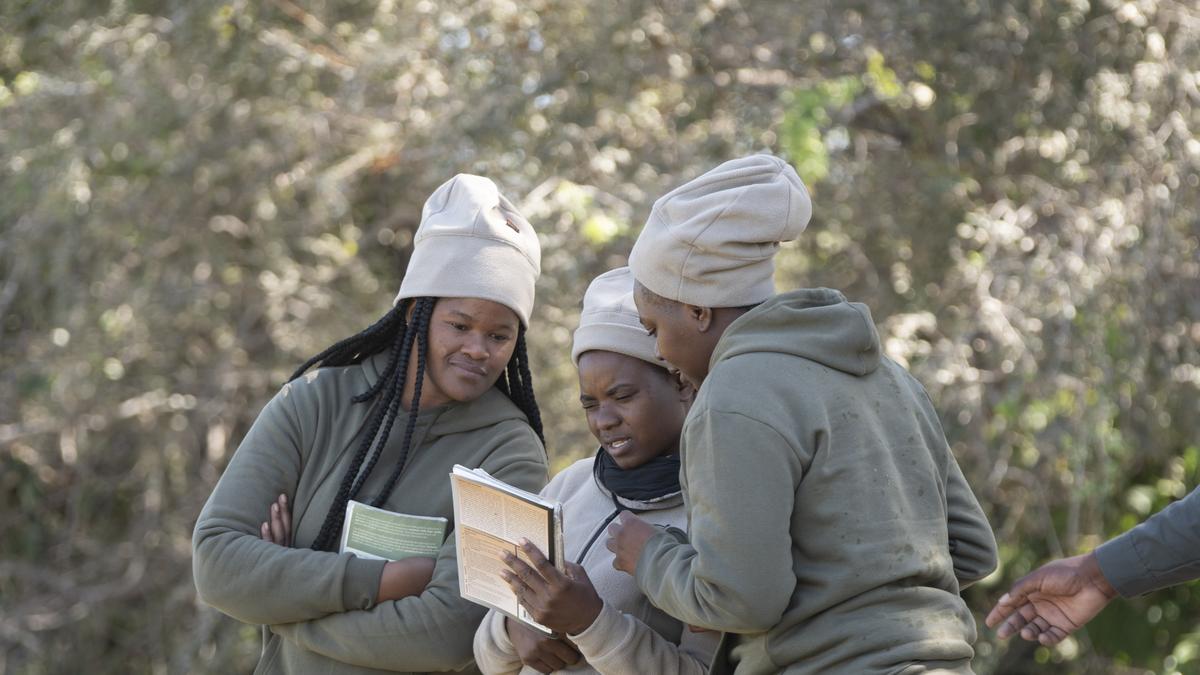
The rangers themselves speak of a newfound sense of identity. Irene Kamwengo, a graduate of the program, highlights the technical skills that have redefined her self-image. "I am proud because I learned things I never thought were within my reach—getting a driving license, boat training, first aid, and professional photography," she says.
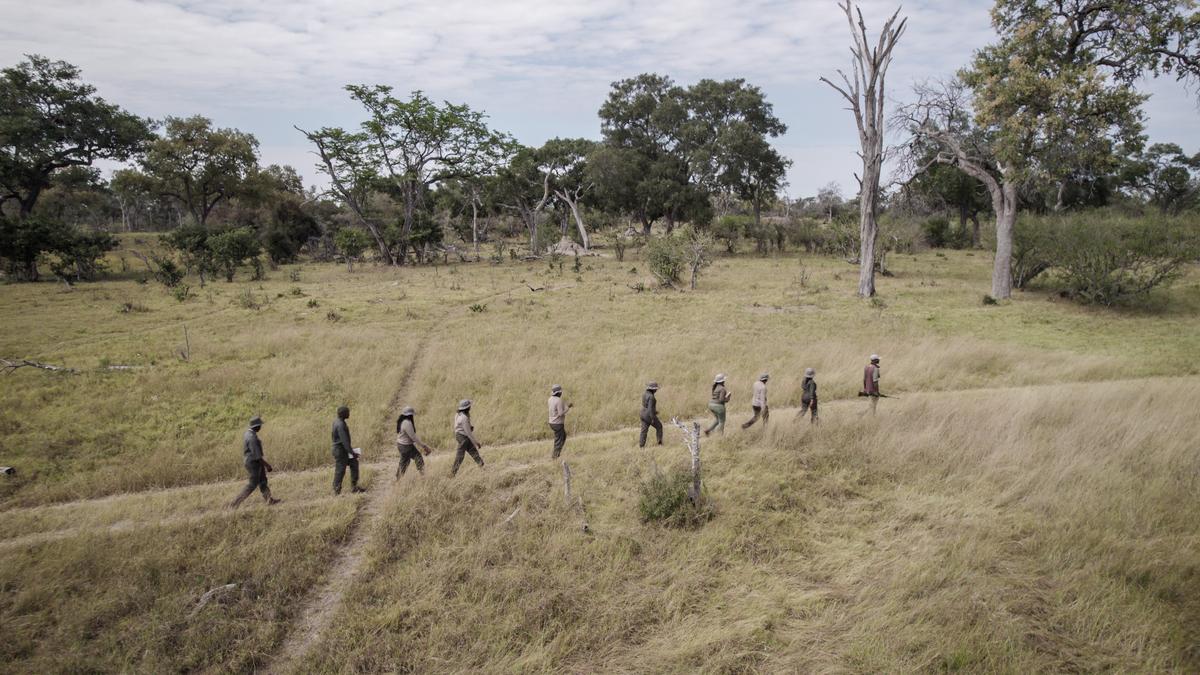
However, the role is not without its hardships. The rangers often spend weeks in the bush, sleeping in open forests. Miss P admits that the physical demands, particularly during menstrual cycles in environments without facilities, are a challenge. "We never show our male counterparts that we cannot handle this," she says. "We stay brave."
V. Implications: The Future of the Okavango
The success of the Female Ranger Programme has implications that reach far beyond the borders of Botswana. As the only tourism-based company in Africa currently running such a program, Great Plains is setting a new standard for "Impact Tourism."
Breaking the Cycle of Rejection
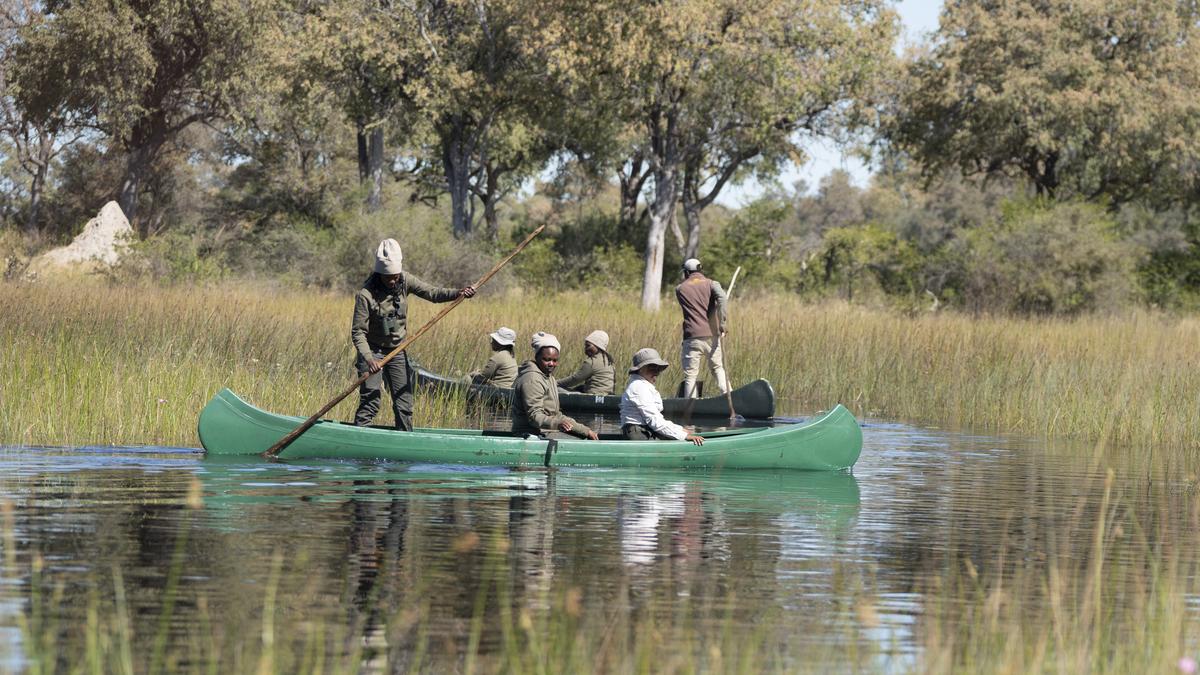
The most profound implication of the program is perhaps best illustrated by an incident involving Miss P during a routine boat patrol. While accompanied by two Botswana Defence Force officers and another ranger, the boat operator suddenly lost consciousness. Miss P, the only person on board with the specialized training to maneuver the vessel through hippo-infested waters, took the helm.
When a hippo charged the boat, causing it to sink, Miss P utilized her emergency training to save the lives of the three men on board. It was a moment of poetic justice: the woman whose name meant "rejection" had become the sole reason three families did not lose their fathers and sons.
The Next Generation
The program is also successfully dismantling the visual barriers of what a "protector" looks like. Miss P is now involved in children’s outreach programs, often arriving in a heavy-duty Land Cruiser.
"It is not every day that these children get to see a woman behind the wheel of a Land Cruiser," Miss P says. "When a young girl came up to me and asked how she could get the uniform and the vehicle, I felt that I had done my job."
As the rhinos return to the Delta and the "rainmakers" of the Bambukushu tribe find new ways to thrive in the modern world, the female rangers of the Okavango stand as a testament to a simple truth: the most effective way to protect the planet’s future is to empower the women who live upon it.
Travel Diary & Logistics
Getting There:
For international travelers, Ethiopian Airlines offers direct flights from major hubs like Mumbai and New Delhi to Addis Ababa, with connecting flights to Maun, Botswana, or Victoria Falls, Zimbabwe. Boutique agencies like Cozymoons specialize in luxury safari logistics, handling bush flights and road transfers.
Where to Stay:
Great Plains Conservation operates 20 camps across Kenya, Zimbabwe, and Botswana. A comprehensive "Conservation Circuit" might include:
- Mpala Jena (Zimbabwe): For views of the Zambezi.
- Zarafa Camp (Selinda Reserve, Botswana): A premier eco-camp.
- Sitatunga Private Island (Okavango Delta): To see the female ranger program in action.
Rates:
As these are high-end, sustainable concessions, rates are premium to reflect the conservation levy. A six-night journey across three properties typically starts at approximately ₹15 lakh (approx. $18,000 USD) per person, inclusive of all transfers, meals, and safari activities.
For more information, visit greatplainsconservation.com.
