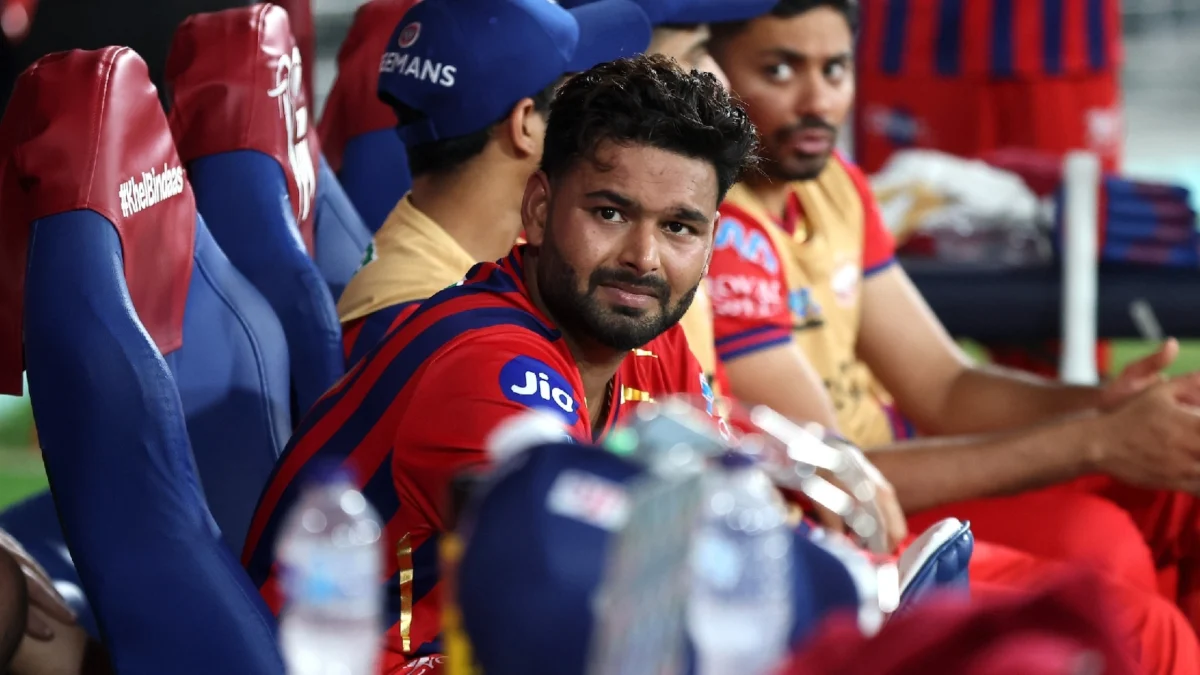
3 min readUpdated: May 29, 2026 05:49 PM IST
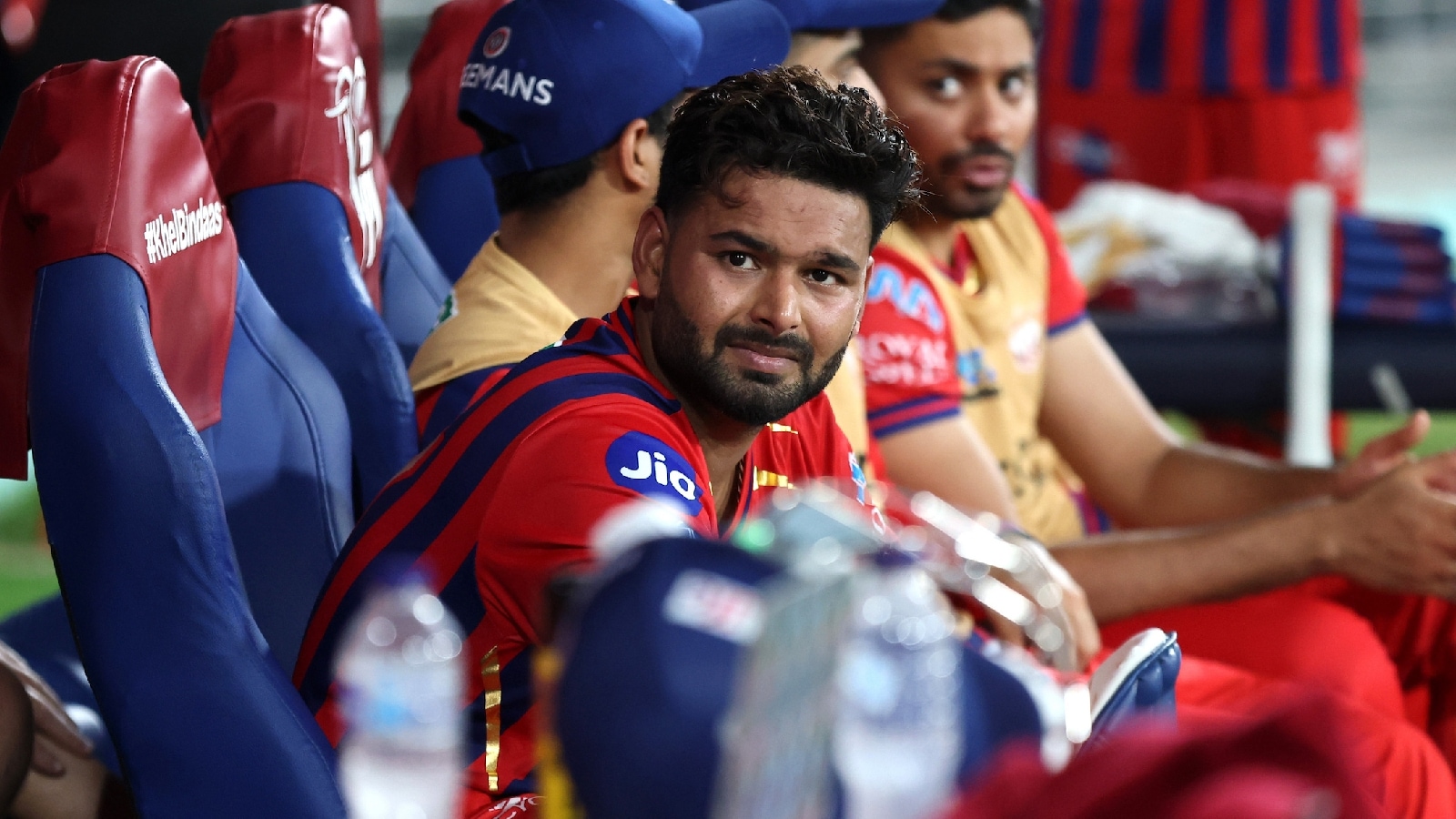 Pant had joined LSG as captain of the side for a record fee ahead of the 2025 season. (BCCI Photo)
Lucknow, India – In a significant development reverberating across the Indian Premier League (IPL) landscape, Rishabh Pant has formally stepped down from his role as captain of the Lucknow Super Giants (LSG). The franchise confirmed the highly anticipated move on Friday, May 29, 2026, marking the end of a challenging and ultimately forgettable tenure for the dynamic wicketkeeper-batsman. His departure from the leadership position comes after two seasons riddled with underperformance both for the team and, at times, for Pant himself, leaving LSG in a precarious position as they look towards a critical rebuilding phase.
Pant’s captaincy stint saw the Super Giants compete in 28 matches, from which they emerged victorious in a mere 10, a win percentage that starkly underscores the difficulties faced by the team under his stewardship. This decision, accepted by the franchise with immediate effect, is set to trigger a significant overhaul within the LSG camp, as they grapple with the implications of an expensive investment in leadership that failed to yield the desired results.
Main Facts: A Captaincy Concludes
The announcement came via an official statement from the Lucknow Super Giants, confirming the cessation of Pant’s captaincy duties. “Lucknow Super Giants (LSG) wish to formally announce that Rishabh Pant has requested to be relieved of his captaincy duties with the franchise, and the franchisee has accepted his request with immediate effect,” the statement read, providing a clear indication that the initiative for the change originated from Pant himself.
Tom Moody, LSG’s Director of Cricket, further elaborated on the sensitive nature of the decision. In a press release accompanying the official statement, Moody confirmed that Pant had “approached the franchise with the request.” He added, “These decisions are never easy. We are grateful for everything Rishabh has brought to this dressing room as captain. Our focus now is on the collective – rebuilding and restructuring to reach the best standards.” The sentiment conveyed by Moody suggests a mutual understanding and respect, despite the undeniable disappointment surrounding the team’s performance.
This development draws a curtain on a high-stakes experiment for LSG. Pant, a celebrated figure in Indian cricket known for his audacious batting and fearless approach, had joined the Super Giants in the mega auction ahead of the 2025 season. His acquisition was a headline-grabbing affair, commanding a record fee of Rs 27.50 crore, a testament to the immense faith and expectations the franchise placed in him. He was immediately handed the captaincy, taking over from KL Rahul, who moved in the opposite direction to the Delhi Capitals in a strategic exchange that was then seen as a major coup for LSG. The vision was clear: Pant, with his youth, aggression, and proven match-winning ability, was expected to infuse a new, vibrant energy into the franchise and steer them towards their maiden IPL title.
Chronology: The Unfulfilled Promise and Subsequent Decline
Rishabh Pant’s journey with the Lucknow Super Giants began with immense fanfare and towering expectations. His arrival for a staggering Rs 27.50 crore, the highest ever paid for a player in an IPL auction at that time, positioned him not just as a marquee player but as the undisputed leader tasked with redefining the franchise’s destiny. The 2025 season, therefore, commenced under a heavy spotlight, with fans and pundits alike eager to witness Pant’s leadership acumen translate into on-field success.
The 2025 Season: Glimmers Amidst Struggle
The initial season under Pant’s captaincy, 2025, proved to be a mixed bag, offering fleeting glimpses of potential overshadowed by inconsistent performances. LSG managed to secure six victories out of their 14 league matches. While not an abysmal record, it was insufficient to propel them into the playoffs, leaving the franchise and its ardent supporters with a sense of unfulfillment. The team often struggled to maintain momentum, failing to string together crucial wins at critical junctures of the tournament.
Individually, Pant’s batting form also reflected the team’s struggles. He recorded a modest 269 runs across 13 innings, his lowest return since his debut season in 2016. His strike rate of 133.16 and an average of 24.45 were well below the standards expected of a player of his calibre, let alone a record-breaking acquisition and captain. A significant portion of these runs, a dazzling 118, came in a single blistering century against Royal Challengers Bengaluru in the final match of the season, a heroic effort that, while spectacular, served to mask an otherwise largely unproductive campaign. Apart from this lone century, Pant managed to cross the fifty-run mark only once more, highlighting a concerning lack of sustained impact with the bat when the team needed it most. The pressure of captaincy, coupled with the immense price tag, seemed to weigh heavily on his naturally free-flowing game.
The 2026 Season: A Descent into Disarray
The 2026 IPL season was intended to be a redemption arc for both Rishabh Pant and the Lucknow Super Giants. Instead, it spiralled into an even more challenging and ultimately disastrous campaign. The team’s performance plummeted further, securing only four victories throughout the season. This dismal record consigned LSG to the ignominious position of finishing at the very bottom of the table, tied on eight points with the Mumbai Indians, and trailing them marginally on net run rate. It was a stark and painful realization of how far the franchise had fallen from its initial aspirations.
Pant’s individual batting form, while showing a slight improvement in aggregate, still fell short of his established prowess. He accumulated 312 runs in 13 innings at a strike rate of 138.05 and an average of 28.36, managing only one half-century. These numbers, while respectable for many, were simply not enough for a player of Pant’s stature, especially one burdened with the dual responsibilities of captaincy and being the team’s most expensive asset. His inability to consistently convert starts into match-winning scores, particularly in high-pressure chases, was a recurring theme that contributed significantly to LSG’s struggles.
Beyond the numbers, the 2026 season was also marred by palpable internal tensions and public displays of frustration, suggesting a breakdown in cohesion within the team. Early in the season, a video went viral depicting LSG owner Sanjiv Goenka engaged in what appeared to be a stern and animated conversation with Pant and head coach Justin Langer following a particularly disappointing loss. While Goenka later dismissed the incident as a "passionate discussion," it fueled widespread speculation about underlying rifts and a lack of harmony.
Further compounding these concerns were Pant’s own public statements. Towards the latter half of the season, he alluded to "too many minds" being involved in the team’s decision-making process, a veiled yet clear criticism of potential interference or a convoluted chain of command. This comment resonated deeply, suggesting that the captain felt undermined or overwhelmed by external influences. The nadir of his public frustration came after a loss to the Rajasthan Royals on May 19, by which point LSG’s bottom-of-the-table finish seemed inevitable. In a post-match interview, a visibly dejected Pant dropped an expletive, describing the team as a "f***ing good team" that was simply failing to perform. This raw, unfiltered outburst underscored the immense pressure he was under and the depth of his exasperation, painting a picture of a leader struggling to cope with the mounting failures and internal dynamics. These incidents, taken together, painted a clear picture of a captain under siege, both from external performance pressures and internal discord.
Supporting Data: A Deep Dive into Performance Metrics
The two seasons under Rishabh Pant’s captaincy were characterized by a stark contrast between expectation and reality, profoundly impacting both the team’s standing and Pant’s individual statistics. The financial outlay for Pant was unprecedented, a record Rs 27.50 crore, which immediately placed an enormous burden of performance and leadership on his shoulders. This investment was intended to be a game-changer, but the data reveals a different story.
Team Performance Metrics: A Downward Spiral
LSG’s performance under Pant paints a clear picture of regression. In the 2025 season, the team managed 6 wins from 14 matches, placing them outside the playoff contention. Their net run rate (NRR) was often negative, indicating that even in losses, they were often outplayed convincingly. The lack of consistency was a defining feature; they struggled to build winning streaks, often following a victory with a string of defeats, thereby losing crucial momentum. Key moments in matches, particularly in tight finishes, frequently slipped away, suggesting a fragility under pressure or a lack of clinical execution.
The 2026 season exacerbated these issues dramatically. With only 4 wins from 14 matches, LSG found themselves anchored at the bottom of the IPL standings. Their NRR was among the worst in the league, reflecting comprehensive defeats and an inability to compete consistently. The team’s struggles were multifaceted, encompassing issues in all departments – batting collapses, ineffective bowling spells, and often lacklustre fielding. The bottom-of-the-table finish, tied on points with Mumbai Indians but behind on NRR, was a damning indictment of the collective failure and the strategic shortcomings that plagued the side throughout the season. The investment in a high-profile captain and a seemingly strong squad had simply not translated into cohesive, winning performances.
Individual Performance Metrics: The Weight of Leadership
Rishabh Pant’s individual batting statistics under the LSG captaincy represent two of his least productive seasons in his IPL career. Before joining LSG, Pant was renowned for his explosive hitting, high strike rates, and ability to turn games on their head. His time with Delhi Capitals saw him consistently deliver impactful performances, often exceeding a strike rate of 150 and averaging well over 30 in several seasons.
However, with LSG:
- 2025 Season: Pant scored 269 runs in 13 innings at an average of 24.45 and a strike rate of 133.16. This was his lowest aggregate since his debut year in 2016. While the century (118 runs) against Royal Challengers Bengaluru was a standout, it effectively flattered his overall season numbers. Without that innings, his average would plummet, highlighting a severe lack of consistent contributions. He struggled to find his rhythm, often looking tentative or overly aggressive, losing his wicket at crucial junctures.
- 2026 Season: There was a marginal improvement in his statistics, with 312 runs in 13 innings. His average rose slightly to 28.36, and his strike rate to 138.05. He managed one half-century during this campaign. While these numbers are not disastrous, they fall significantly short of the game-changing performances expected from a player of his calibre, particularly one entrusted with captaincy and carrying the burden of such a colossal price tag. The quintessential Pant aggression, the fearless approach that defined his early career, seemed to be stifled, replaced by a more cautious or, at times, desperate style of play.
The dual pressure of leading a struggling team and justifying a record fee visibly affected his natural game. His wicketkeeping, while generally competent, also bore the marks of the added mental strain, with occasional errors that, though not frequent, were magnified under scrutiny. The data unequivocally supports the narrative that Pant’s time as LSG captain was a period of personal and collective struggle, a stark contrast to the high hopes that accompanied his arrival.
Official Responses and Underlying Tensions
The official communication from the Lucknow Super Giants regarding Rishabh Pant’s resignation was carefully worded, emphasizing mutual understanding and respect. The franchise’s statement, released on Friday, May 29, 2026, clearly indicated that Pant initiated the request to step down. "Lucknow Super Giants (LSG) wish to formally announce that Rishabh Pant has requested to be relieved of his captaincy duties with the franchise, and the franchisee has accepted his request with immediate effect," the release stated. This phrasing is crucial, as it portrays a proactive decision by the player rather than a removal by the management, potentially softening the blow for both parties.
Tom Moody, the Director of Cricket, reinforced this narrative in his accompanying remarks. "These decisions are never easy. We are grateful for everything Rishabh has brought to this dressing room as captain. Our focus now is on the collective – rebuilding and restructuring to reach the best standards," Moody commented. His words convey a professional tone, acknowledging Pant’s contributions while swiftly pivoting the conversation towards the future and the necessary steps for organizational improvement. The emphasis on "rebuilding and restructuring" implicitly admits that the current setup, under Pant’s leadership, was not meeting the desired "standards."
However, beneath this veneer of official decorum, the 2026 season, in particular, saw several public incidents that hinted at significant internal strife and growing frustrations. These unofficial "responses" from Pant himself painted a more vivid picture of the challenges he faced.
One of the most talked-about incidents was the viral video featuring LSG owner Sanjiv Goenka in an animated discussion with Rishabh Pant and head coach Justin Langer after a match. The visual suggested a heated exchange, sparking widespread speculation about the owner’s direct involvement in team affairs and potential micromanagement. While Goenka later downplayed it as a "passionate discussion" indicative of his investment in the team’s performance, the perception of a strained relationship between the owner, captain, and coach was difficult to shake off. Such public displays of discontent, regardless of their official interpretation, inevitably add pressure and undermine a captain’s authority.
Adding to this narrative, Pant’s own public comments became increasingly revealing. Towards the end of the 2026 season, he subtly yet pointedly alluded to "too many minds" being involved in the team’s decision-making process. This remark, delivered in a post-match press conference, was widely interpreted as a direct commentary on external interference or a lack of clear strategic direction, potentially from the management or ownership. A captain needs autonomy and a clear line of command to implement their vision effectively. Pant’s statement suggested that this autonomy was compromised, leading to confusion and inconsistency on the field. It was a rare public glimpse into the internal power dynamics that might have hindered the team’s progress.
The culmination of Pant’s visible frustration came after a particularly deflating loss to the Rajasthan Royals on May 19, 2026. In a raw, emotional post-match interview, a dejected Pant uttered an expletive, stating that LSG was a "f***ing good team" but simply wasn’t performing. This uncharacteristic outburst, though swiftly becoming a viral moment, underscored the immense pressure he was under and his profound sense of helplessness. It was a moment of unfiltered emotion, revealing a captain at his wit’s end, unable to reconcile the perceived talent within his squad with their abysmal results. Such a public display, while understandable given the circumstances, also indicated a potential breakdown in team morale and leadership effectiveness.
These incidents, juxtaposed with the formal statements, highlight a significant gap between the carefully managed public image and the underlying realities of a franchise struggling with internal cohesion, leadership challenges, and the immense pressure of unfulfilled expectations. Pant’s resignation, therefore, appears to be the inevitable outcome of these accumulating pressures and the palpable discord that defined his tenure.
Implications: The Road Ahead for LSG and Rishabh Pant
Rishabh Pant’s resignation as captain of the Lucknow Super Giants carries significant implications for both the franchise and the player, signaling a period of introspection and strategic recalibration.
Implications for Lucknow Super Giants: A Crucial Rebuild
For LSG, Pant’s departure from captaincy marks the beginning of a crucial rebuilding phase. The franchise, having invested heavily in Pant both financially (Rs 27.50 crore) and strategically, must now identify a new leader and reassess its entire team structure and philosophy.
1. Captaincy Vacuum: The immediate challenge for LSG is to appoint a new captain. Potential candidates could emerge from within the current squad, such as experienced international players like Nicholas Pooran, who has captained West Indies, or the dynamic Australian all-rounder Marcus Stoinis. Alternatively, LSG might look outside, seeking a proven leader in the upcoming mini-auction or via trade if a suitable candidate is available. The new captain will need to possess strong tactical acumen, excellent man-management skills, and the ability to rally a squad that has visibly struggled with morale and consistency. Their choice will reflect the direction the franchise intends to take – whether they prioritize a calm, strategic leader or a more aggressive, inspirational figure.
2. Strategic Overhaul and Rebuilding: The two successive poor seasons, culminating in a bottom-of-the-table finish, necessitate a comprehensive review of the team’s strategy, player personnel, and possibly even the coaching staff. Director of Cricket Tom Moody’s mention of "rebuilding and restructuring" is a direct acknowledgment of this need. This could involve:
- Player Retention and Release: LSG will have to make tough decisions about retaining core players and releasing underperformers, especially given the significant financial commitments to certain individuals.
- Auction Strategy: The upcoming auction will be critical. LSG will need to focus on acquiring players who fit a cohesive team philosophy, addressing specific gaps in the squad (e.g., consistent opening batsmen, death bowlers, reliable middle-order anchors) rather than merely accumulating big names.
- Coaching Staff: While Justin Langer is the current head coach, his position, along with other support staff, might come under scrutiny as the franchise seeks a fresh start. A new captain often works best with a coaching setup that aligns with their vision.
- Franchise Culture: The public incidents of internal tension suggest a need to foster a stronger, more unified team culture, where communication channels are clear, and player-management relationships are robust.
3. Restoring Fan Confidence: LSG, as a relatively new franchise, has ambitious goals of establishing a strong brand identity and a loyal fan base. Two disappointing seasons, particularly the recent bottom-place finish, can erode fan trust. A clear, decisive path forward, coupled with transparent communication, will be essential to reassure supporters and reignite enthusiasm.
Implications for Rishabh Pant: A Chance for Redemption
For Rishabh Pant, stepping down from captaincy, while undoubtedly a personal setback, could also be a pivotal moment for his career, offering an opportunity for redemption and a renewed focus on his primary role.
1. Unleashing the Batsman: The most immediate and significant implication for Pant is the potential relief from the immense pressure of captaincy. This burden, coupled with the expectations of his record fee, visibly impacted his natural, aggressive batting style. Freed from strategic responsibilities and constant scrutiny over results, Pant might rediscover the fearless approach that made him one of the most exciting batsmen in world cricket. A focused Pant, playing solely as a wicketkeeper-batsman, could once again become a prolific run-scorer and match-winner for LSG.
2. Learning Experience: While this tenure was challenging, it will undoubtedly serve as a crucial learning experience for Pant. Leadership in the IPL is notoriously demanding, and even seasoned captains have struggled. This period will offer him valuable insights into man-management, tactical planning, and handling pressure, which could benefit him if he chooses to pursue captaincy again in the future, perhaps at a different level or with a different team.
3. Focus on International Career: Relief from IPL captaincy might allow Pant to concentrate more fully on his international commitments with the Indian team. His position as a key player across formats for India remains strong, but consistent IPL performances are vital for maintaining form and confidence. A refreshed Pant could be an even greater asset to the national side.
4. Mental Well-being: The relentless pressure, public scrutiny, and internal strife that characterized his captaincy must have taken a toll on Pant’s mental well-being. Stepping away provides an opportunity to decompress, regroup, and regain his mental strength, which is paramount for any high-performance athlete.
5. Future Leadership Aspirations: While this chapter closes, it doesn’t necessarily mean the end of Pant’s leadership aspirations. Many great players have had challenging captaincy stints only to emerge stronger leaders later. His youth and inherent talent suggest that leadership roles might beckon again, but perhaps after a period of rejuvenation and growth as a player.
Broader IPL Context: The Demands of Modern Captaincy
Pant’s situation underscores the intense demands of IPL captaincy. It’s not merely about tactical prowess but also about managing high-stakes pressure, diverse player personalities, franchise expectations, and relentless media scrutiny. The league’s cutthroat nature means that even a slight dip in performance can lead to significant consequences. Franchises invest heavily and expect immediate returns, creating an environment where patience is often a luxury. Pant’s experience serves as a stark reminder that even the most talented individuals can struggle under the weight of such multifaceted responsibilities, highlighting the constant evolution and adaptation required in the fast-paced world of T20 cricket.
Conclusion
The resignation of Rishabh Pant as captain of the Lucknow Super Giants marks a pivotal moment for both the player and the franchise. What began with grand expectations and a record-breaking acquisition has culminated in a mutual decision to part ways from leadership, driven by two seasons of underperformance and visible internal tensions.
For LSG, this is not merely a change of captain but a necessary catalyst for a comprehensive overhaul. The franchise must now embark on a strategic rebuilding journey, meticulously assessing its squad, leadership structure, and overall team philosophy to ensure that its substantial investments translate into sustained success on the field. The upcoming months will be critical in defining their future trajectory in the fiercely competitive IPL.
For Rishabh Pant, this chapter closes on a challenging note, yet it simultaneously opens avenues for a fresh start. Freed from the immense pressures of captaincy and the weight of a record price tag, he now has the opportunity to rediscover his quintessential aggressive batting style and channel his energies solely into his primary role as a game-changing wicketkeeper-batsman. This period of recalibration could very well be the catalyst for him to reclaim his status as one of India’s most destructive and consistent performers.
Ultimately, Pant’s tenure with LSG serves as a poignant reminder of the relentless demands and unforgiving nature of the Indian Premier League. In a league where expectations are sky-high and patience is thin, even the brightest stars can find themselves navigating turbulent waters. As LSG looks for a new leader and Pant seeks renewed form, the cricketing world will keenly observe their respective journeys, hoping that this difficult decision paves the way for a more successful and harmonious future for all involved.