

PATNA — In an unprecedented move aimed at transforming the state’s tourism landscape from the grassroots level, the Bihar government has issued a comprehensive directive requiring all state government employees to undertake mandatory periodic visits to local tourist destinations. Under the new policy, officials and their families are tasked with acting as both patrons and evaluators of Bihar’s cultural and ecological sites, turning what was once a leisure activity into a structured component of official duty.
The directive, issued by the General Administration Department (GAD), represents a strategic shift in how the state intends to monitor infrastructure development and promote its rich, yet often under-utilized, historical and natural assets. By mobilizing its vast workforce, the Bihar government seeks to generate a continuous stream of authentic feedback while simultaneously injecting capital into local rural economies.
The New Directive: Integrating Travel into Official Duty
According to the official order released by the Additional Chief Secretary of the GAD, B. Rajender, on May 20, 2026, state government employees are now required to visit a tourist destination within Bihar at least once every three months. The visits are not merely suggestions but are structured assignments: employees must spend a minimum of two days and two nights at these locations, accompanied by their families.
To ensure that the policy benefits the most remote areas of the state, the directive specifies that employees must visit at least three tourist spots during each trip. Crucially, these spots must include eco-tourism or rural tourism sites located in districts other than the employee’s home district. This "non-home district" clause is designed to ensure that officials gain a broader perspective of the state’s diversity and that tourism revenue is distributed more equitably across Bihar’s 38 districts.
Perhaps the most significant aspect of the order is the classification of this travel. The duration of the stay and the travel time will be officially recognized as "time spent on duty." This reclassification ensures that employees are not forced to use their personal leave for these visits, thereby incentivizing compliance. However, the directive carries a strict caveat: while on these "tourism duties," officials are strictly prohibited from conducting routine administrative tasks. The order explicitly bars them from holding review meetings, conducting formal inspections of local offices, or operating from official residences or circuit houses. The focus must remain entirely on the tourist experience and the assessment of the site’s facilities.
A Strategic Chronology of the Policy Rollout
The genesis of this policy lies in a series of high-level meetings held earlier this year, where the state leadership expressed concerns regarding the slow pace of infrastructure upgrades at secondary and tertiary tourist sites. While world-renowned locations like Bodh Gaya and Rajgir receive significant attention, many rural and ecological sites remain off the map for the average traveler.
- Early May 2026: The General Administration Department, in consultation with the Departments of Tourism and Environment, Forest, and Climate Change, drafted the framework for the "Employee-Led Tourism Initiative."
- May 20, 2026: The formal directive was signed by Additional Chief Secretary B. Rajender. The order was immediately circulated to all department heads, Divisional Commissioners, District Magistrates (DMs), and Superintendents of Police (SPs).
- Late May 2026: The government began the process of appointing "Nodal Officers" across various administrative levels. These officers are tasked with the logistics of data collection and the synthesis of the reports submitted by employees.
- June 2026 (Projected): The first wave of mandatory visits is expected to commence, with the first quarterly reports due by the end of the summer season.
The government has indicated that this is a long-term strategy, with the feedback gathered in the first six months likely to inform the 2027-2028 state budget allocations for tourism and infrastructure.
Supporting Data: The Current Landscape of Bihar Tourism
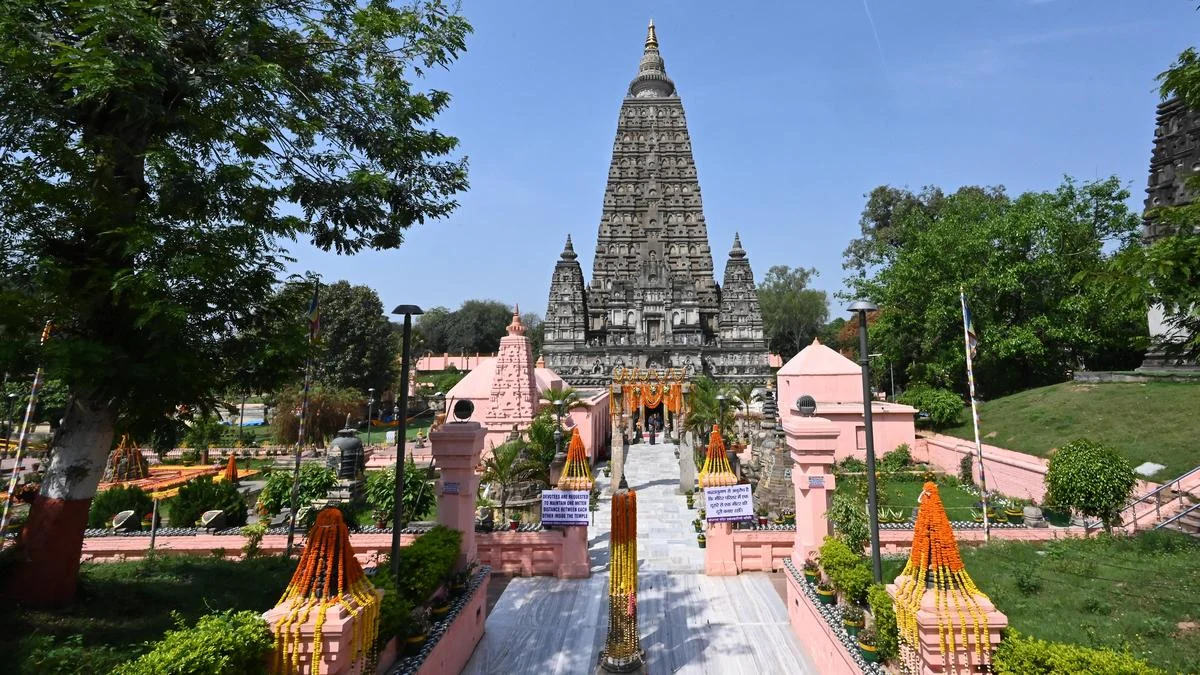
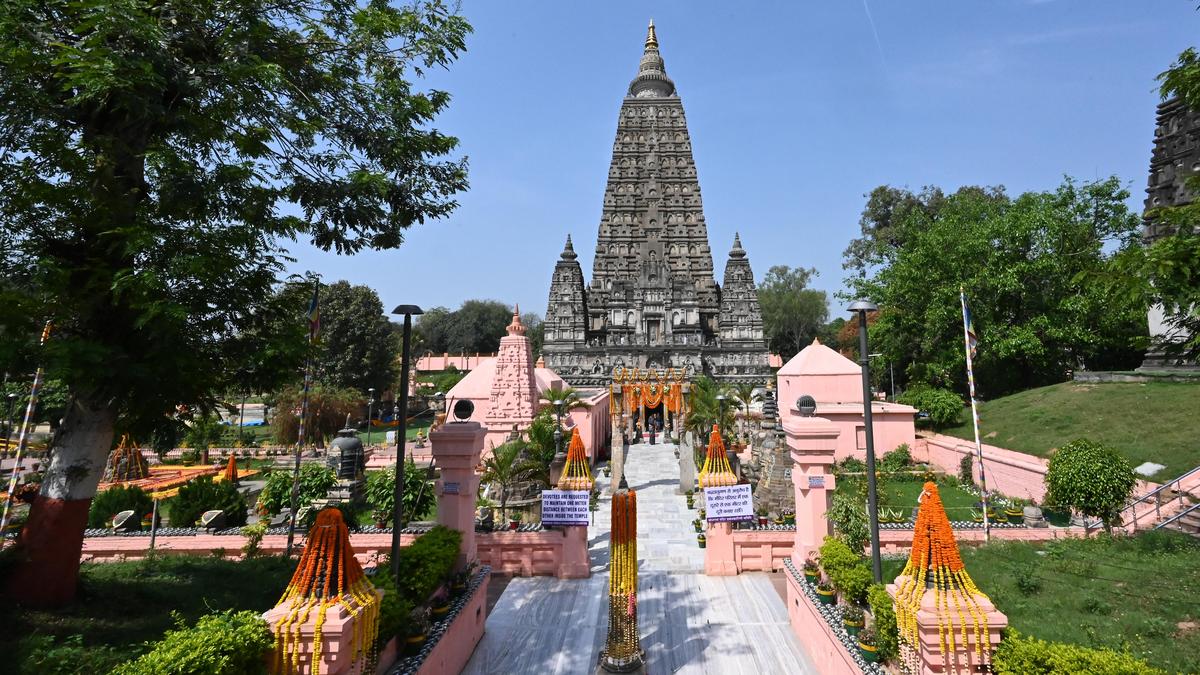
Bihar’s tourism potential is rooted in its status as the cradle of ancient Indian civilization. The state is home to the UNESCO World Heritage site of the Mahabodhi Temple complex and the ruins of Nalanda University. However, data from the Bihar Tourism Development Corporation (BTDC) suggests a heavy concentration of visitors in a few specific "circuits," primarily the Buddhist Circuit.
By mandating visits to "eco-tourism and rural sites," the government is addressing a statistical imbalance. According to recent state reports, while international footfall in Bodh Gaya remains steady, the "Sufi Circuit," "Gandhi Circuit," and the emerging "Eco-Tourism Circuit" (including the Valmiki Tiger Reserve and the wetlands of Kanwar Lake) have seen significantly lower domestic engagement.
The directive also aims to address the "infrastructure gap." Internal surveys suggest that while roads have improved across Bihar, the quality of "last-mile" amenities—such as clean restrooms, standardized signage, and digital payment facilities at rural sites—remains inconsistent. By sending thousands of government employees (who often have higher expectations for service and safety) into these areas, the state is effectively deploying a massive, unpaid "secret shopper" workforce to identify these gaps.
Official Responses: A Unified Vision for Cultural Promotion
The policy has received strong backing from the highest echelons of the state cabinet. Pramod Kumar Chandravanshi, the Minister for Art, Culture, and Youth Department, hailed the move as a visionary step toward cultural preservation.
"I welcome this new directive by the State Government," Minister Chandravanshi told The Hindu. "Bihar is blessed with a rich heritage of art and culture that is spread across every corner of our land, not just in the major cities. This exercise will provide a significant boost to the Art and Culture department. When our own officials visit these sites with their families, they rediscover our roots, and their feedback will help us polish these hidden gems for the world to see."
A senior government official, speaking on condition of anonymity, emphasized the economic rationale. "The initiative is designed to boost local tourist infrastructure and local economies. By bringing families to rural areas, we are encouraging the growth of local homestays, traditional eateries, and artisanal markets. Furthermore, the feedback collected from these officials will be more authentic and technically sound than standard tourist surveys, as these employees understand the administrative hurdles involved in development."
To ensure the reports do not gather dust, the GAD has established a clear hierarchy for feedback. Nodal officers in the offices of DMs and Divisional Commissioners will compile the reports, which will then be forwarded to the Tourism, Environment, and Culture departments for immediate action.
Socio-Economic Implications: Beyond a Family Outing
The implications of this directive extend far beyond a simple weekend getaway. If executed successfully, the policy could lead to several transformative outcomes for the state:
1. The Democratization of Tourism
By forcing a shift away from "home districts," the policy ensures that officials from prosperous urban centers like Patna are exposed to the challenges and beauty of districts like Araria, Kaimur, or West Champaran. This cross-pollination of experiences is expected to foster a greater sense of state-wide identity and shared responsibility for Bihar’s development.
2. Grassroots Economic Stimulus
The influx of thousands of middle-class families into rural tourism hubs every quarter provides a predictable and steady stream of revenue for local vendors. This "forced demand" can encourage local entrepreneurs to invest in better facilities, knowing that a steady stream of "official tourists" is guaranteed by state law.
3. Accelerated Infrastructure Accountability
When a District Magistrate’s subordinate or a department head reports a lack of basic facilities at a specific site, the administrative pressure to fix the issue is much higher than when a generic tourist complains. This creates a high-stakes feedback loop where local administrations are held accountable by their peers and superiors.
4. Psychological Wellbeing of the Workforce
While the visits are mandatory, the inclusion of families and the classification of the time as "on duty" serves as a unique perk. In a high-pressure bureaucratic environment, this policy acknowledges the importance of work-life balance, albeit within the framework of state service.
Challenges and the Path Forward
Despite the optimistic outlook from government quarters, the directive is not without its challenges. Skeptics point to the potential for "report fatigue," where employees might submit perfunctory or repetitive feedback just to meet the requirement. There is also the logistical challenge of ensuring that rural sites, which may currently lack sufficient lodging, can handle a sudden influx of government families on weekends.
Furthermore, the prohibition of "official work" during these visits may be difficult to enforce in an era of digital connectivity. Ensuring that officials truly disconnect from their administrative duties to focus on the "tourist experience" will require a cultural shift within the departments.
However, the Bihar government remains undeterred. The appointment of Nodal Officers suggests a commitment to data-driven governance. By treating tourism not just as a luxury but as a vital sector of state duty, Bihar is attempting a bold experiment in administrative-led economic development.
As the first reports begin to trickle in later this year, the rest of the country will be watching to see if Bihar’s model of "Mandatory Tourism" can indeed turn the state into the national and international hub it aspires to be. For now, the message from Patna is clear: to build a better Bihar, its officials must first step out of their offices and experience the state as its citizens and visitors do.
