

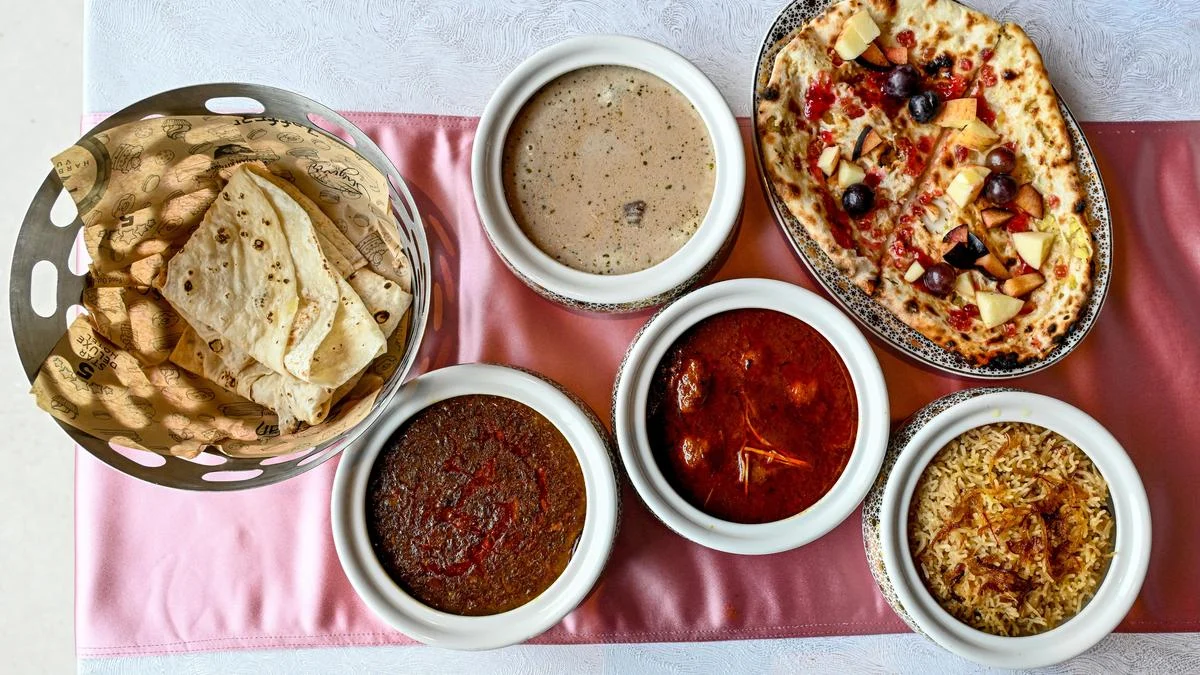
VISAKHAPATNAM – As the salt-laden breeze from the Bay of Bengal sweeps across the promenade of Beach Road, an entirely different olfactory experience is wafting through the corridors of Novotel Visakhapatnam Varun Beach. The delicate, regal aromas of the Kashmir Valley—scents of saffron, fennel, and slow-cooked mutton—have traveled over 2,500 kilometers to find a temporary home at Zaffran, the hotel’s signature fine-dining restaurant.
The ongoing food festival, titled "Dawat-E-Wazwan," is more than a mere promotional event; it is a meticulously curated cultural bridge. Orchestrated by the celebrated culinary duo, Chefs Rehman and Abdul, the festival seeks to transport Vizag’s gourmands from the fiery, spice-heavy traditions of coastal Andhra to the subtle, aromatic, and complex world of the Kashmiri Wazwan.
Main Facts: The Essence of the Festival
The "Dawat-E-Wazwan" festival is a celebration of the traditional multi-course meal in Kashmiri cuisine, a craft that is traditionally passed down through generations of master chefs known as Wastas. Running until June 28, the event features a menu that emphasizes the "slow food" philosophy of the Himalayas.
Unlike many commercial interpretations of North Indian food that rely on heavy cream and pungent garam masalas, the Kashmiri kitchen—and specifically this festival—focuses on the clarity of flavor. The key ingredients highlighted throughout the menu include:
- Saffron (Kesar): Sourced from the fields of Pampore to provide color and a floral backbone.
- Dry Ginger (Sonth) and Fennel (Saunf): The "holy duo" of Kashmiri spice, providing warmth without the searing heat of chilies.
- Cockscomb Flower (Mawal): A traditional coloring agent used to give gravies a deep, natural crimson hue.
- Yogurt: Used as a base for many gravies to provide a tangy, velvety texture.
The festival is priced at approximately ₹3,000 to ₹3,500 for two people, positioning it as a premium experience for those looking to explore authentic regional Indian heritage.
Chronology: The Journey of the Wazwan Tradition
To understand the significance of the dishes served at Novotel, one must understand the chronology of the Wazwan itself. The tradition dates back to the 14th century, following the invasion of Timur, which saw a massive migration of skilled craftsmen, including cooks, from Samarkand to the Kashmir Valley.
Over the centuries, these Central Asian influences blended with local Kashmiri ingredients and the culinary preferences of the Kashmiri Pandits and the royal courts. The result was the Wazwan—a 36-course ritualistic feast.
In the context of the Visakhapatnam festival, Chefs Rehman and Abdul have spent weeks preparing. The process of a true Wazwan begins long before the stove is lit. It starts with the selection of the meat—traditionally young lamb—and the laborious process of hand-pounding it on stone slabs to achieve the unique "springy" texture found in dishes like Rista and Gushtaba. By bringing this ancient timeline of preparation to a modern hotel setting, the chefs are preserving a dying art form where mechanical grinders are strictly forbidden.

Supporting Data: A Deep Dive into the Menu
The menu at Zaffran is structured to guide the diner through the various "layers" of Kashmiri hospitality.
The Appetizers: A Gentle Awakening
The meal commences with the Kashish Paya Shorba. In a region like Andhra Pradesh, where soups are often peppery and sharp, this mutton trotter broth is a revelation. It is thin, collagen-rich, and soothing, designed to prepare the palate for the heavier courses to follow.
The Maaz Seekh Kebab stands out as a testament to the chefs’ skill. In Kashmiri cuisine, the seekh kebab is not just about the char of the tandoor; it is about the fat-to-meat ratio and the delicate infusion of spices that allow the natural sweetness of the lamb to shine. While the Badami Kukar Tikka (almond-infused chicken) provides a nutty contrast, critics have noted that the almond notes could be amplified to better distinguish it from standard Mughlai fare.
The Main Course: The Heart of the Valley
The centerpiece of the festival is undoubtedly the Rista. These are hand-pounded mutton meatballs simmered in a vibrant red gravy. The data of the dish lies in its texture—firm yet yielding—and the use of Kashmiri chilies, which provide a brilliant aesthetic without the aggressive heat levels typical of local Vizag cuisine.
For vegetarians, the Nadur Yakhni offers a masterclass in the use of lotus stem. A staple of the Dal Lake, the lotus stem is sliced and cooked in a mild, yogurt-based sauce flavored with cardamom and dried mint. This dish highlights the "Yakhni" style, which is one of the pillars of the Wazwan, relying on the acidity of the curd rather than the acidity of tomatoes or lemons.
The Sweet Conclusion
The meal concludes with Kong Phirni (saffron ground-rice pudding) and Malai Gilori. While the Phirni serves as a classic palate cleanser, the Malai Gilori—a delicate envelope of milk cream filled with nuts—represents the sophisticated confectionery skills of the North.
Official Responses: The Chef’s Philosophy
In an industry increasingly dominated by rapid-fire cooking and fusion trends, Chef Rehman remains a staunch traditionalist. Speaking on the philosophy behind the festival, he emphasizes that Kashmiri food is an exercise in restraint.
"Wazwan is about patience and balance," Chef Rehman explained during the festival’s launch. "We don’t rely on heavy spices or oil to create impact. Instead, the flavors come from the soul of the ingredients—the slow-cooking process, the quality of the yogurt, and the specific fragrance of dry ginger and fennel. If you rush a Rista, you lose the essence of Kashmir."

The management at Novotel Visakhapatnam Varun Beach echoed this sentiment, stating that their goal is to provide "culinary tourism" for the people of Andhra Pradesh. By bringing in specialist chefs like Rehman and Abdul, the hotel aims to ensure that the authenticity of the Wazwan is not "lost in translation" when served so far from its origin.
Implications: Culinary Exchange and Regional Trends
The "Dawat-E-Wazwan" festival at Novotel carries several implications for the local food landscape and the broader hospitality industry in India.
1. The Diversification of the Vizag Palate
Visakhapatnam has traditionally been a stronghold of "Spicy Andhra" cuisine. However, the success of such festivals indicates a maturing market where diners are seeking "experiential dining" over mere sustenance. The introduction of subtle, aromatic profiles challenges the local preference for high heat and encourages a more nuanced appreciation of regional Indian cuisines.
2. The Rise of "Micro-Regionalism"
General "North Indian" menus are becoming obsolete in luxury dining. Hotels are now pivoting toward "micro-regional" festivals—focusing specifically on Kashmiri Wazwan, Lucknowi Awadhi, or Moplah cuisine from Kerala. This trend helps preserve traditional cooking techniques that are often lost in homogenized "multicuisine" restaurant settings.
3. Cultural Diplomacy Through Food
At a time when Kashmir is often viewed through a political or touristic lens, food festivals like "Dawat-E-Wazwan" provide a sensory connection to the Valley’s rich heritage. It humanizes the region through its craftsmanship and hospitality, reminding diners of the centuries of culture embedded in a single meatball or a bowl of saffron rice.
4. Economic Impact on Traditional Artisans
By insisting on authentic ingredients like Pran (Kashmiri shallots) and Mawal, these festivals support the supply chains of small-scale farmers and spice traders in the North, integrating them into the luxury hospitality economy of the South.
Conclusion
As the "Dawat-E-Wazwan" concludes its run at Novotel Visakhapatnam Varun Beach on June 28, it leaves behind a lingering trail of saffron and a heightened expectation for regional authenticity. For the residents of Visakhapatnam, it was not merely a dinner; it was an invitation to slow down and savor the labor-intensive heritage of the Wazas. In the marriage of the cool flavors of the North and the warm hospitality of the South, the festival proved that while geography may divide, the dinner table remains a powerful site of unity.
Event Summary:
- What: Dawat-E-Wazwan Kashmiri Food Festival
- Where: Zaffran, Novotel Visakhapatnam Varun Beach
- When: Ongoing until June 28
- Time: Available for Lunch and Dinner
- Cost: ₹3,000 – ₹3,500 for two (plus taxes)
- Highlights: Rista, Nadur Yakhni, Maaz Seekh Kebab, and Kong Phirni.
