

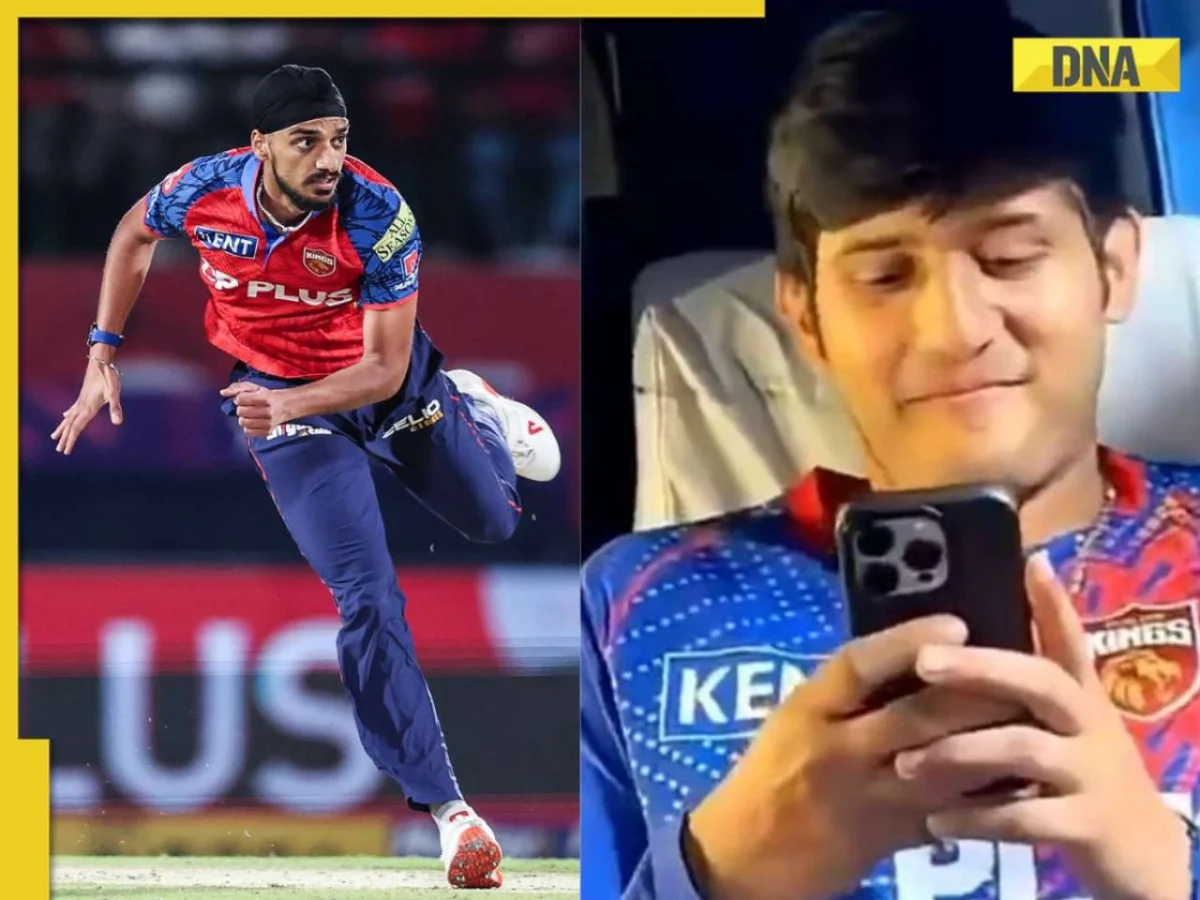
CHANDIGARH, May 22, 2026 – Indian international cricketer and prominent Punjab Kings pacer, Arshdeep Singh, has once again found himself at the epicenter of a social media storm, triggering a fresh wave of criticism and disappointment among fans. The controversy stems from a recent social media reel featuring his young teammate, Priyansh Arya, which rapidly went viral across platforms, igniting a fervent debate about acceptable team conduct, social media etiquette, and the fine line between camaraderie and perceived insensitivity.
The incident, occurring amidst a challenging IPL season for the Punjab Kings, has amplified scrutiny on Arshdeep, who has faced multiple social media-related backlashes in recent weeks. While the team grapples with a dismal performance on the field, these off-field distractions threaten to overshadow the players’ professional commitments and further complicate the franchise’s already precarious position.
Main Facts: A Viral Reel and Its Immediate Fallout
The latest controversy centers around a short video clip, reportedly originating from Arshdeep Singh’s Snapchat story, which captured a moment inside the Punjab Kings’ team bus. In the reel, Arshdeep’s voice is distinctly heard off-camera, playfully (or, as many argue, mockingly) teasing his young teammate, Priyansh Arya. The exchange, which quickly circulated online, has been met with significant disapproval from a large segment of the cricketing community and the wider public.
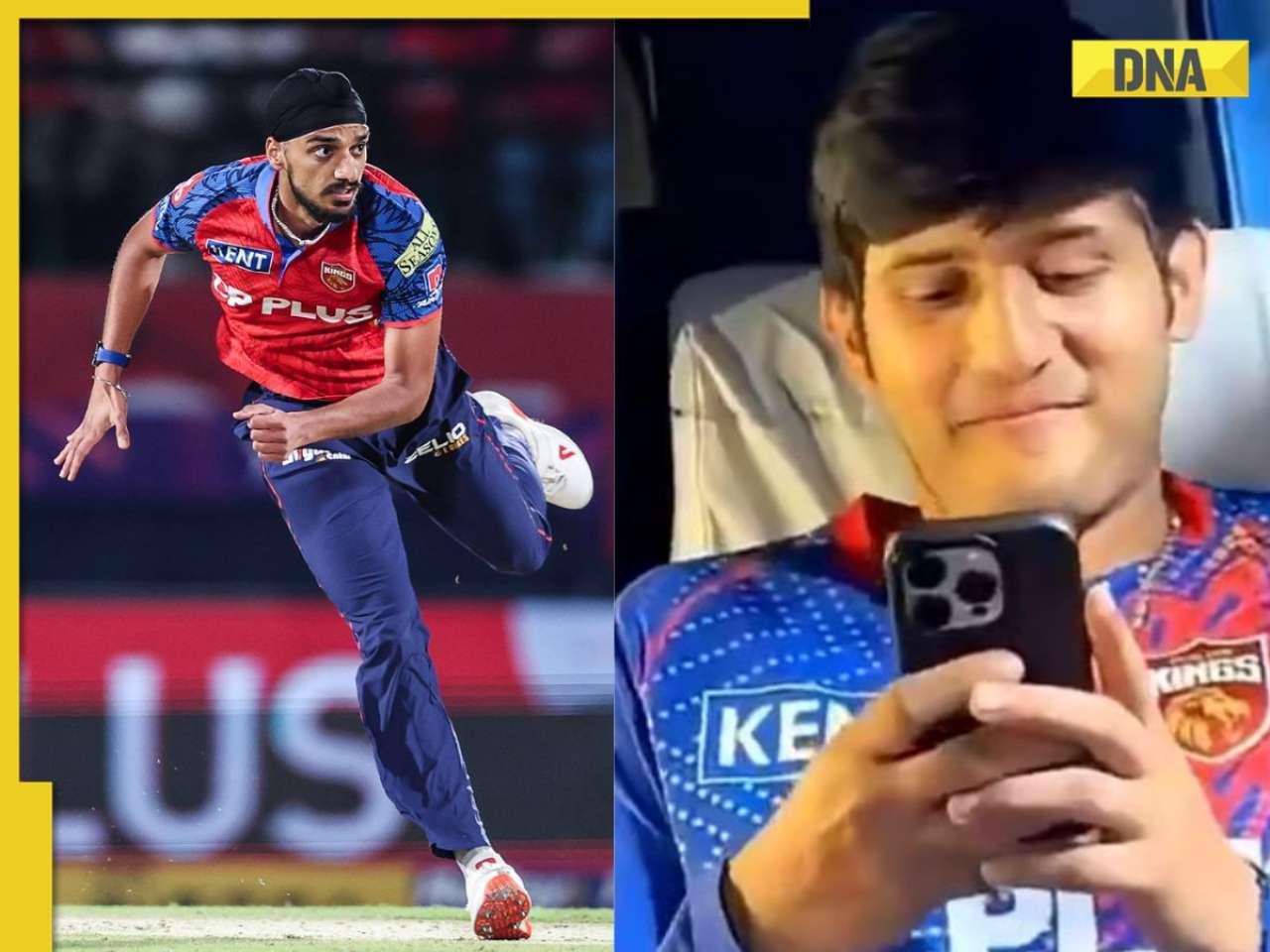
The video shows Priyansh Arya seated alongside fellow teammate Harpreet Brar at the rear of the team bus, which was traveling through Lucknow. While Arshdeep himself does not appear visually in the frame, his voice is unmistakable as he addresses Arya with remarks such as, "What a cutie, man! Show me your smile. Show me your teeth," followed by laughter from Arshdeep and others present. What has particularly irked viewers is Priyansh Arya’s apparent discomfort throughout the interaction. He is seen actively avoiding eye contact, seemingly engrossed in his phone, and displaying body language that many interpreted as an attempt to disengage from the teasing.
The immediate fallout was swift and widespread. The clip rapidly garnered thousands of views, shares, and comments across Twitter (now X), Instagram, and various cricketing fan forums. Many fans expressed profound disappointment, criticizing Arshdeep for what they perceived as insensitive behavior towards a junior colleague. The incident quickly transcended mere team banter, evolving into a public discussion about the responsibilities of professional athletes in the digital age and the potential for seemingly innocuous actions to cause discomfort or offense.
Chronology of Events: A Pattern of Social Media Missteps
This latest incident involving Priyansh Arya is not an isolated occurrence but rather the most recent in a series of social media controversies that have shadowed Arshdeep Singh in the recent past. A detailed look at these events paints a picture of a young athlete grappling with the intense scrutiny and pervasive nature of online platforms.
)
The Priyansh Arya Reel Incident
The incident itself unfolded recently, with the video surfacing on May 22, 2026. The setting was a standard team bus journey in Lucknow, a common environment for teams during the demanding IPL season. The casual, unscripted nature of the moment, initially shared on a seemingly private platform like Snapchat, underscores the challenge athletes face in maintaining privacy in the age of constant connectivity.
Arshdeep’s choice of words, "What a cutie, man! Show me your smile. Show me your teeth," while perhaps intended as lighthearted jest, struck many as infantilizing or even demeaning, especially given the public context and the perceived power dynamic between a senior international player like Arshdeep and a less experienced teammate like Priyansh Arya. Arya’s visible discomfort – his avoidance of direct gaze, his focus on his phone, and his generally subdued demeanor – became a central point of contention, fueling arguments that the interaction crossed the line from playful banter to uncomfortable teasing. The rapid dissemination of the video ensured that this private moment quickly became a public spectacle, inviting widespread judgment and debate.
Prior Social Media Incidents Involving Arshdeep
This episode follows closely on the heels of at least two other notable instances where Arshdeep Singh’s social media activity or public comments drew significant criticism, suggesting a potential pattern in his online interactions.

The Tilak Varma "Oye Andhere" Remark
Just days before the Priyansh Arya incident, Arshdeep faced backlash for a video featuring Mumbai Indians batsman Tilak Varma. In the clip, Arshdeep was heard addressing Varma with the phrase, "Oye andhere" (roughly translating to "Hey dark one" or "Hey darkness"). While some argued this could be a casual, even affectionate, term used among friends in certain cultural contexts, a significant portion of the online community deemed the comment insensitive and potentially colorist.
The immediate reaction on social media was one of outrage, with many fans calling out Arshdeep for what they perceived as an inappropriate and potentially offensive remark. This incident highlighted the complexities of cross-cultural communication and the heightened sensitivity surrounding issues of appearance and identity in the public sphere. Even if unintended, such comments from public figures like professional cricketers can easily be misinterpreted or cause offense, leading to calls for greater awareness and sensitivity.
The Fan Confrontation Regarding Punjab Kings’ Name
Adding to his recent run-ins, Arshdeep had also stirred controversy when he publicly fired back at a fan. The fan had suggested that the Punjab Kings franchise should "drop Punjab" from their team name, likely expressing frustration over the team’s ongoing poor performance. Arshdeep’s response was sharp and dismissive: "I don’t take advice from people who still need their families to buy them chips and cold drinks."
)
This retort, while perhaps born of frustration or a desire to defend his team, was widely criticized for being arrogant, condescending, and unprofessional. Fans felt it was an ungracious way to interact with the very supporters who follow and invest emotionally in the team. This incident further contributed to a growing perception of Arshdeep as someone prone to confrontational or insensitive behavior on public platforms, eroding some of the goodwill he had built through his on-field performances.
The chronological sequence of these events suggests a concerning trend, indicating that Arshdeep Singh may be struggling to navigate the intricate landscape of social media and public relations, especially under the intense pressure of professional sports.
Supporting Data and Public Reactions: The Banter vs. Bullying Debate
The recurring nature of these controversies has ignited a fervent public debate, particularly concerning the boundaries of "banter" in professional sports environments versus what can be perceived as uncomfortable teasing or even bullying. The reactions to the Priyansh Arya video, in particular, were sharply divided, underscoring the differing perspectives on appropriate conduct among teammates.
)
Analysis of the "Banter vs. Bullying" Debate
The central argument that emerged from the Priyansh Arya incident revolves around whether Arshdeep’s actions constituted harmless fun or crossed into an uncomfortable territory for his teammate.
View 1: Harmless Teasing/Team Bonding
A significant portion of online commentators and traditionalists within the cricketing fraternity brushed off the incident as typical locker-room banter. They argued that lighthearted teasing and playful jabs are an intrinsic part of team camaraderie, fostering bonds and easing tension within high-pressure environments. In this view, such interactions are commonplace in sports dressing rooms globally and are not meant to be malicious. Proponents of this view suggested that Arshdeep’s intentions were likely innocent, and that over-analyzing every casual interaction could stifle genuine team spirit. They might point to the fact that sports teams often develop their own unique internal cultures, where certain forms of teasing are understood and accepted by members.
View 2: Uncomfortable/Inappropriate Teasing
Conversely, a substantial and vocal segment of the audience viewed the interaction as uncomfortable, inappropriate, and potentially bordering on mockery. Their arguments centered primarily on Priyansh Arya’s visible body language. His consistent avoidance of eye contact, his apparent distraction with his phone, and his overall subdued demeanor were interpreted as clear signs of discomfort and an attempt to disengage from the situation. Critics emphasized the power dynamic at play: Arshdeep is an established international player, while Arya is a younger, less experienced teammate. In such scenarios, a junior player might feel pressured to tolerate teasing, even if it makes them uncomfortable, for fear of damaging team relations or their own standing.
)
This perspective also highlighted the evolving understanding of consent and personal boundaries, even within supposedly close-knit teams. The argument is that if one party is visibly uncomfortable, the interaction ceases to be "banter" and becomes something else entirely. The public nature of the video, even if initially shared on a restricted platform, further intensified this debate, as it opened up an internal team dynamic to external scrutiny and judgment.
Social Media Sentiment Analysis
The mixed reactions were evident across all major social media platforms. On Twitter (X), hashtags related to Arshdeep Singh and the Punjab Kings trended, with tweets ranging from staunch defense of the pacer to scathing condemnations. Many users posted screenshots of Arya’s body language, dissecting every micro-expression to support their claims of discomfort. Instagram comments sections on related posts were similarly polarized, with arguments frequently devolving into heated exchanges between opposing viewpoints. Fan forums and WhatsApp groups dedicated to cricket were abuzz with discussions, reflecting the deep engagement and emotional investment of the fan base.
Specific keywords used by critics included "bullying," "insensitive," "unprofessional," and "power dynamics." Defenders, on the other hand, frequently employed terms like "overreaction," "banter," "team spirit," and "cancel culture." The sheer volume of engagement underscored the public’s heightened awareness of player conduct, especially in the era where every moment, however private, can become public. The incident also attracted comments from minor social media influencers and sports commentators, further amplifying the debate and shaping public opinion.
)
Impact on Arshdeep’s Public Image
Cumulatively, these repeated controversies have begun to cast a shadow over Arshdeep Singh’s public image. While he is widely respected for his on-field prowess as a death-overs specialist and a promising talent for the Indian national team, his off-field conduct has increasingly become a talking point. Such incidents can erode public goodwill, alienate certain segments of the fan base, and potentially impact his marketability for endorsements and sponsorships. In an age where athletes are expected to be role models, consistent negative publicity regarding conduct can have long-term repercussions on a player’s brand value and public perception, regardless of their athletic achievements.
Official Responses and Team Stance
In the immediate aftermath of the Priyansh Arya reel going viral, the official response from the Punjab Kings management has been notably muted, with only one key figure addressing the issue directly. This limited communication has further fueled speculation and left many questions unanswered regarding the team’s internal handling of such sensitive matters.
Punjab Kings’ Official Position
The only official comment regarding the ongoing social media chatter came from Andrew Leipus, the Head of Sports Science for Punjab Kings. Speaking to reporters before the team’s match against Royal Challengers Bengaluru, Leipus stated, "I don’t follow much social media myself, so I know there’s been a bit of chatter about vlogging and whatnot. I’m not across that." He added, "For now, it seems the controversy off the field isn’t shaking Arshdeep on it," implying that Arshdeep’s focus and performance remain unaffected.
)
Leipus’s statement can be interpreted in several ways. On one hand, it could be a genuine admission of being disconnected from the daily churn of social media, a common stance for many senior professionals. On the other hand, critics suggest it could be a deliberate strategy to downplay the significance of the controversy, avoiding a direct acknowledgment or condemnation of Arshdeep’s actions. The lack of a broader statement from the team management, the head coach, or the captain has been conspicuous. This silence might indicate an internal decision to manage the issue discreetly, avoid further public spectacle, or perhaps a belief that the incidents are minor and do not warrant official intervention. However, in the absence of clear communication, the vacuum is often filled by speculation and amplified public criticism. The responsibility of a professional sports franchise extends beyond on-field performance to ensuring a positive and respectful environment for all its players, and managing their public image effectively.
BCCI/IPL Code of Conduct
While no specific action has been reported against Arshdeep Singh by either the Punjab Kings or the Board of Control for Cricket in India (BCCI), these incidents raise questions about the scope and enforcement of the IPL and BCCI’s respective Codes of Conduct. Professional leagues typically have stringent guidelines covering player behavior, both on and off the field. These codes often include clauses pertaining to "bringing the game into disrepute," "harassment," "disrespectful conduct," and "social media guidelines."
The nature of Arshdeep’s comments and actions – particularly the perceived insensitivity towards teammates and the aggressive retort to a fan – could potentially fall under these broader ethical and conduct clauses. While instances of players being penalized for social media behavior are not uncommon in global sports, the application of such rules can vary. The lack of a formal inquiry or public statement from the governing bodies suggests that either the incidents are not deemed severe enough to warrant official intervention, or they are being handled internally by the franchise. However, repeated instances could eventually force the hand of the league or board to clarify expectations and enforce stricter compliance with their codes.
)
Player’s Perspective: The Pressures of Public Life
Arshdeep Singh himself has not issued any public statement or apology regarding the controversies, beyond his direct retort to the fan. This silence makes it difficult to ascertain his perspective or intent behind these actions. However, it is crucial to acknowledge the immense pressure young professional athletes face. They operate under constant public scrutiny, with every action and utterance potentially scrutinized, dissected, and amplified across digital platforms.
The blurred lines between a player’s personal and professional life are a persistent challenge. What might be considered harmless banter among friends in a private setting can take on an entirely different connotation when broadcast to millions. Furthermore, the relentless demands of a professional league like the IPL, coupled with the expectations of national team selection, can create an environment of intense stress. Navigating social media effectively requires maturity, media training, and a clear understanding of public relations, skills that young athletes may not always possess inherently. The challenge for players like Arshdeep is to find a balance between authentic self-expression and maintaining a professional image in an unforgiving public arena.
Implications and Future Outlook
The confluence of Arshdeep Singh’s recent social media controversies and the Punjab Kings’ struggling performance on the field paints a complex picture, with significant implications for both the player and the franchise moving forward.
)
Impact on Team Morale and Performance
The Punjab Kings are currently enduring a dismal IPL season, having lost six games in a row and clinging to their playoff hopes by the thinnest of threads. The team desperately needs to win their final league match against Lucknow Super Giants to have any mathematical chance of progressing. In such a high-pressure scenario, off-field controversies involving key players can be incredibly detrimental.
Such incidents can serve as significant distractions, diverting focus away from strategic planning and on-field execution. Internal discussions and potential tensions arising from perceived insensitivity could subtly undermine team morale and cohesion. While Andrew Leipus suggested the controversies weren’t "shaking Arshdeep on it," the cumulative effect on the team’s overall psychological state cannot be easily dismissed. A united and focused squad is paramount for success, and any internal friction or external negativity can disrupt that delicate balance, making their already challenging task of securing a playoff spot even more arduous.
Arshdeep Singh’s Career Trajectory
Arshdeep Singh is widely regarded as one of India’s most promising young pace bowlers, a specialist in the death overs with a proven track record in international cricket. However, repeated instances of negative social media attention could pose a significant threat to his burgeoning career. In modern professional sports, a player’s public image and conduct off the field are almost as important as their performance on it.
)
Consistent controversies can impact a player’s brand value, making them less attractive to sponsors and advertisers who prefer to associate with athletes perceived as positive role models. Furthermore, while the BCCI and national selectors primarily focus on performance, a pattern of perceived unprofessionalism or insensitivity could, in the long run, subtly influence decisions regarding national team selection or leadership roles. For Arshdeep, it underscores the critical need for effective media training, social media guidance, and a more cautious approach to his public interactions to safeguard his reputation and future prospects.
Broader Implications for Sports and Social Media
Arshdeep Singh’s situation serves as a poignant case study illustrating the evolving and often fraught relationship between professional athletes, their fans, and the pervasive world of social media. The constant scrutiny means that athletes are perpetually "on," with every casual interaction or off-the-cuff remark susceptible to being recorded, shared, and widely interpreted, often out of its original context.
This scenario highlights several broader implications:
)
- Athlete Education: There is an increasing need for sports organizations to provide comprehensive and ongoing media and social media training for all their players, especially younger ones. This training should cover not just the technical aspects of platforms but also the ethical considerations, the impact of power dynamics, and the nuances of public perception.
- Organizational Responsibility: Teams and leagues have a responsibility to not only protect their players from online abuse but also to guide them in responsible online behavior. This includes establishing clear social media policies and ensuring they are consistently enforced.
- The "Cancel Culture" Phenomenon: The rapid virality and immediate condemnation seen in these cases are characteristic of modern "cancel culture." While it holds public figures accountable, it can also lead to swift judgments without full context or opportunity for explanation.
- Authenticity vs. Professionalism: Athletes often struggle to maintain an authentic personal presence online while adhering to professional standards. The line between genuine camaraderie and perceived insensitivity can be incredibly fine, and public perception often dictates the outcome.
The Road Ahead
For Arshdeep Singh and the Punjab Kings, the immediate future is dominated by their critical match against Lucknow Super Giants. Beyond that, the franchise will likely need to address these recurring off-field issues more directly. This might involve internal discussions with Arshdeep, potentially reinforced social media guidelines, or even a more public statement to reassure fans and manage perceptions. For Arshdeep, learning from these experiences and adapting his approach to social media will be crucial for his long-term success and standing in the cricketing world. The incident serves as a stark reminder that in the hyper-connected world of professional sports, a moment of casual interaction can quickly become a significant public relations challenge.
