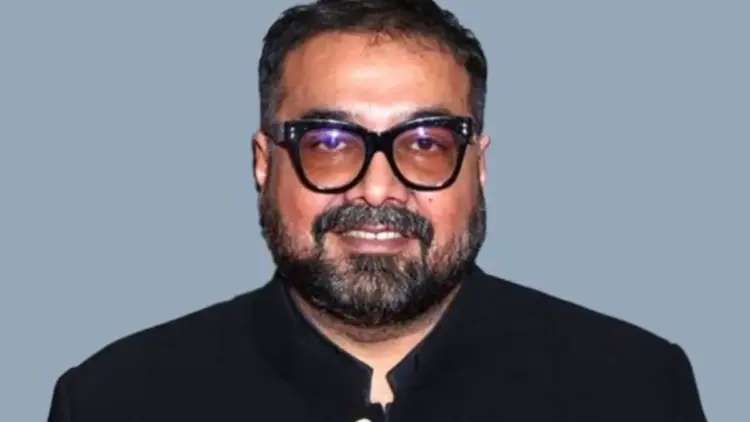
Surat, India – A Surat city court has issued a bailable warrant against renowned Indian filmmaker and actor Anurag Kashyap, citing his persistent failure to appear before the court despite multiple summonses. The warrant stems from a case initiated following allegations that Kashyap made offensive remarks against the Brahmin community on social media last year. The development marks a significant escalation in the legal proceedings against the critically acclaimed director, known for his gritty and thought-provoking cinematic works.
The bailable warrant was issued by Additional Chief Judicial Magistrate JV Chauhan on Monday, with the next hearing scheduled for December 24th. The court’s decision comes after Kashyap, 54, a prominent figure in Bollywood celebrated for films like "Gangs of Wasseypur" and "Black Friday," did not present himself in court. This marks the latest in a series of attempts by the judiciary to secure his presence, including a public summons published in a leading newspaper.
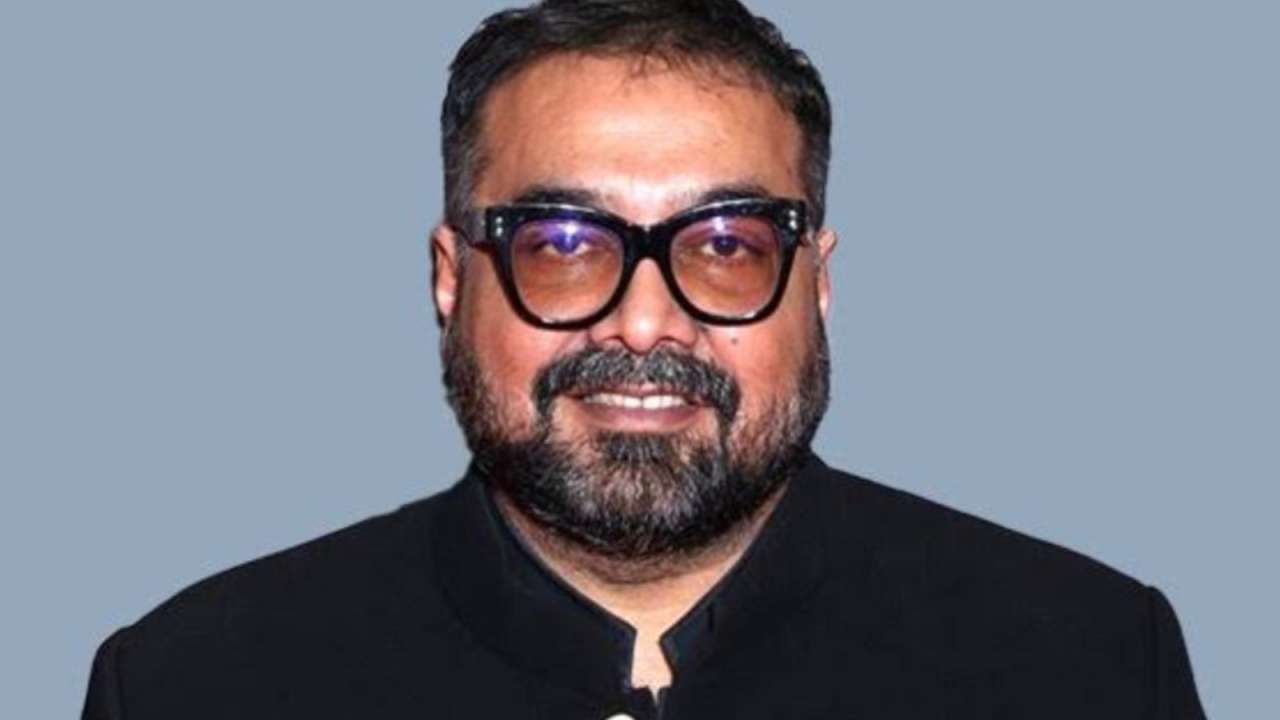
The case against Kashyap was initiated based on a complaint filed by lawyer Kamlesh Raval, who serves as a legal advisor to Hindutva organizations Bajrang Dal and Vishwa Hindu Parishad. Raval’s application led the court in May to direct the registration of a case against Kashyap under relevant sections of the Bharatiya Nyaya Sanhita (BNS), including those pertaining to promoting enmity between different groups, intentional insult with intent to provoke a breach of peace, and circulating false rumors.
Chronology of Legal Proceedings
The legal entanglement involving Anurag Kashyap and the allegations of offensive remarks against the Brahmin community can be traced back to April 2025. The initial complaint was lodged following a social media post by Kashyap on the platform X (formerly Twitter).
April 16, 2025: Anurag Kashyap allegedly posts an "objectionable message on social media (X) that cast a slur upon the entire Brahmin community." According to the complainant, lawyer Kamlesh Raval, the post was made in response to an individual named Aaditya, who had raised an objection to Kashyap’s earlier statement. Kashyap’s alleged reply to Aaditya was reportedly: "what have you achieved by being a Brahmin?"
May 2025: Following the social media exchange, lawyer Kamlesh Raval files an application with the Surat city court, seeking legal action against Kashyap. Raval argues that Kashyap’s statements were intended to "disparage the Brahmin community" and constituted an insult to the entire community. He further contended that such statements risked promoting enmity between different religious and caste groups across the nation.

Subsequent to May 2025: The court, after reviewing Raval’s application, directs the registration of a case against Kashyap under sections of the Bharatiya Nyaya Sanhita (BNS). The specific sections invoked are 192 (promoting enmity between different groups), 352 (intentional insult with intent to provoke a breach of peace), and 352(2) (circulating false rumors).
First Summons Issued: The court issues its initial summons to Anurag Kashyap, requesting his appearance for verification and to respond to the allegations. However, Kashyap fails to appear before the court.

Second Summons Issued (Public Summons): Despite the initial summons, Kashyap remains absent. The court then orders a public summons to be published in a newspaper, an attempt to ensure Kashyap is officially notified of the proceedings. This public summons was reportedly published in a prominent newspaper’s Mumbai edition, aiming to reach the filmmaker.
Monday’s Hearing and Bailable Warrant: Kashyap again fails to appear before the Surat city court on Monday, November 2nd, 2026. In response to his continued absence and failure to respond to multiple judicial notices, Additional Chief Judicial Magistrate JV Chauhan issues a bailable warrant against him. The court sets December 24th as the date for the next hearing. A bailable warrant allows the accused to secure their release by furnishing a bail bond as specified by the court, rather than being taken into immediate custody.

Supporting Data and Allegations
The core of the legal case against Anurag Kashyap rests on his alleged social media posts and the interpretation of their intent and impact. Lawyer Kamlesh Raval, representing the complainant, has detailed the specific allegations that form the basis of the court’s action.
Nature of Alleged Remarks: Raval claims that Kashyap’s social media post on April 16, 2025, was "objectionable" and "cast a slur upon the entire Brahmin community." The specific quote attributed to Kashyap in response to an objection raised by an individual named Aaditya, "what have you achieved by being a Brahmin?", is central to the accusation of insult and provocation.

Impact and Intent: According to Raval, Kashyap, by making such comments, attempted "to disparage the Brahmin community." The petitioner further argues that Kashyap’s statements were not merely an expression of personal opinion but an attempt to "defame the entire Brahmin community" and promote "animosity between different communities in India." The petitioner contends that Kashyap’s actions could potentially disrupt India’s national unity and disturb peace and harmony.
Influence of the Accused: The petitioner highlights Kashyap’s stature as an actor, director, and producer, noting that his films influence people across all age groups. This influence, according to Raval, makes his social media pronouncements particularly impactful and potentially more damaging. The petitioner suggests that Kashyap’s "follow-up social media post revealed his mindset, as he attempted to disrupt a peaceful atmosphere and sought to defame the entire Brahmin community."

Context of the Remarks: The controversy surrounding Kashyap’s comments appears to be linked to objections raised by two organizations, the Akhil Bharatiya Brahmin Samaj and Vipra Sena, concerning certain portions of the Hindi film "Phule" following the release of its trailer. While the exact nature of these objections and Kashyap’s initial remarks leading to the "Phule" controversy are not detailed in the provided text, it is implied that Kashyap’s subsequent social media posts were a reaction to these objections.
Kashyap’s Apology: Significantly, days after his comments triggered a controversy, Anurag Kashyap issued an apology to the Brahmin community. In April 2025, he stated on Instagram that he had "crossed a boundary by using ‘abusive language’ while replying to someone in anger." He expressed his sincere apologies to the community and acknowledged his use of "abusive language" in response to a "cheap comment." This apology, however, has not halted the legal proceedings, as the court’s focus remains on his failure to appear and respond to the legal summons.

Official Responses and Legal Implications
The issuance of a bailable warrant against a prominent figure like Anurag Kashyap carries several implications, both legally and in terms of public perception.
Legal Ramifications: The bailable warrant signifies the court’s growing concern over Kashyap’s non-compliance with judicial orders. While a bailable warrant allows for release upon furnishing bail, it also indicates that the court is prepared to take more stringent measures if the filmmaker continues to evade legal proceedings. Failure to appear even after the issuance of a bailable warrant could lead to a non-bailable warrant, potentially resulting in his arrest. The legal framework under which Kashyap is being prosecuted, the Bharatiya Nyaya Sanhita (BNS), reflects the seriousness with which the law views offenses related to promoting enmity and causing public mischief.

Judicial Process and Due Diligence: The court’s actions demonstrate a commitment to due process. The issuance of multiple summonses, including a public summons via a newspaper, indicates that the court has made considerable efforts to ensure Kashyap is aware of the proceedings against him. The lawyer representing the complainant, Kamlesh Raval, has emphasized the systematic progression of legal steps taken by the court to secure Kashyap’s presence.
Impact on Kashyap’s Career and Public Image: Anurag Kashyap is a highly respected director whose films often push boundaries and spark dialogue. However, allegations of making offensive remarks and subsequently evading legal proceedings could significantly impact his public image and professional standing. The controversy could also lead to increased scrutiny of his future projects and public statements.

Role of Social Media in Legal Cases: This case underscores the growing role of social media platforms in legal disputes. Statements made online, even in what might be perceived as a personal exchange, can have legal consequences if they are deemed to incite hatred, promote enmity, or cause defamation. The speed and reach of social media mean that such remarks can quickly escalate into public controversies with legal ramifications.
Broader Societal Concerns: The case touches upon sensitive issues of caste and community relations in India. The allegations against Kashyap highlight the ongoing challenges in navigating discussions around caste and the potential for such discussions to lead to legal disputes. The involvement of religious and Hindutva organizations in the complaint further amplifies the socio-political dimensions of the case.

The Path Forward: The next hearing on December 24th will be crucial. It will determine the immediate course of action regarding the bailable warrant. Whether Kashyap chooses to appear in court to address the allegations or continues his absence will significantly shape the future of this legal battle. His apology, while a step towards de-escalation, does not absolve him from the legal process initiated by the court. The outcome of this case could set a precedent for how alleged online defamation and incitement to communal disharmony are handled within the Indian legal system.