TECHNOLOGY
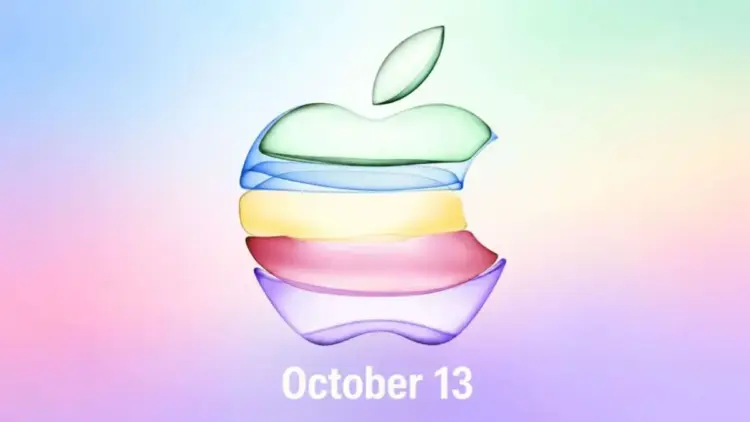
Reports are circulating within the technology sector, pointing towards a significant Apple product launch event rumored for October 13, 2026. This highly anticipated gathering, following closely on the heels of Apple’s September showcase that unveiled the groundbreaking iPhone 17 series, Apple Watch Series 11, and AirPods Pro 3, is expected to focus squarely on the company’s evolving smart home ecosystem. While official confirmation from Cupertino remains elusive, industry observers and reliable tipsters suggest the event will be a pivotal moment, introducing a revolutionary HomePod with a display, an updated HomePod mini 2, and a refreshed Apple TV 4K featuring an advanced, AI-powered Siri.
The potential October 13 event signifies Apple’s intensified commitment to the smart home, an arena where it has historically played a more reserved role compared to competitors like Amazon and Google. These new devices, particularly the flagship HomePod, are envisioned as core pillars in Apple’s strategy to seamlessly integrate artificial intelligence, entertainment, and home automation into users’ daily lives, all under the umbrella of its renowned privacy-first philosophy.
The Main Facts: A Glimpse into Apple’s Smart Home Future
The core of the October 13 speculation revolves around three key hardware announcements, each designed to elevate different facets of the smart home experience:
- The All-New Apple HomePod (with Display): This is arguably the most significant rumored product. Unlike its audio-focused predecessors, this device is expected to feature a prominent 6-inch square display, making it suitable for both tabletop placement and wall mounting. Beyond high-fidelity audio, it will reportedly incorporate speakers, microphones, and a camera, transforming it into a versatile smart home hub. Users are anticipated to control smart home devices visually, make FaceTime calls, stream music and video, view photos, and interact with an advanced, AI-powered Siri. This next-generation Siri is touted as being more personal, contextually aware, and capable of managing complex, multi-step tasks, signaling a deeper integration of Apple Intelligence into the home.
- HomePod mini 2: An eagerly awaited upgrade to the immensely popular 2020 model, the HomePod mini 2 is expected to retain its compact, fabric-clad design while receiving substantial internal enhancements. These likely include a faster, more efficient chip (potentially an iteration of Apple’s U-series for enhanced Ultra Wideband capabilities), significantly improved sound quality through advanced computational audio, and a suite of new Siri AI features. There’s also speculation about new color options, offering users more personalization.
- New Apple TV 4K: The streaming box is also in line for a significant refresh. The next-generation Apple TV 4K is rumored to pack a more powerful processor, offering enhanced performance for streaming, gaming (especially Apple Arcade titles), and app multitasking. Crucially, it’s expected to feature additional memory, specifically to support upcoming Apple Intelligence capabilities, which could manifest in more sophisticated content recommendations, improved voice search, and advanced image processing. Support for Wi-Fi 7 is also anticipated, future-proofing the device for faster and more reliable wireless connectivity. Its design is expected to largely mirror the sleek, understated aesthetic of the 2022 model.
Together, these devices underscore a cohesive strategy to weave Apple’s ecosystem deeper into the fabric of the home, offering an integrated experience that leverages the company’s strengths in hardware, software, and services.
Chronology: Apple’s Evolving Home Strategy
Apple’s journey into the smart home has been a deliberate, albeit sometimes cautious, progression. Understanding this history provides crucial context for the rumored October 13 event.

The Genesis of HomeKit and Smart Speakers
Apple officially entered the smart home fray with HomeKit in 2014, a framework designed to allow users to securely control compatible smart home accessories using their iOS devices and Siri. While providing a robust foundation, HomeKit’s initial adoption was slow, partly due to stringent certification requirements and a smaller ecosystem of compatible devices compared to rivals.
It wasn’t until 2018 that Apple launched its first smart speaker, the original HomePod. Positioned as a premium, audiophile-grade device, its primary selling points were exceptional sound quality and deep integration with Apple Music. However, its high price point ($349 at launch), limited smart assistant capabilities compared to Amazon’s Alexa and Google Assistant, and delayed HomeKit features meant it struggled to gain significant market share. Despite critical acclaim for its audio fidelity, it was ultimately discontinued in 2021, paving the way for a more focused strategy.

The turning point came in 2020 with the introduction of the HomePod mini. Priced significantly lower at $99, the HomePod mini offered respectable sound for its size, Ultra Wideband (UWB) capabilities for precise device location, and a more accessible entry point into Apple’s smart home ecosystem. It proved to be a far greater success, becoming a foundational device for many Apple users looking to expand their smart home setup, enabling features like Intercom and acting as a Thread border router. The HomePod mini revitalized Apple’s presence in the smart speaker market and demonstrated the demand for an affordable, capable Apple-branded smart home hub.
The Apple TV’s Transformation
The Apple TV has also undergone a significant evolution. Originally launched in 2007 as a "hobby project" by Steve Jobs, it has transformed from a simple media streamer into a crucial component of Apple’s services strategy. Early iterations focused on iTunes content, but with the introduction of the tvOS operating system and the App Store in 2015, it became a full-fledged entertainment platform. The Apple TV 4K, first launched in 2017 and updated in 2021 and 2022, brought high-resolution streaming, gaming, and deep integration with Apple’s services like Apple Arcade, Apple Fitness+, and Apple Music. It also quietly served as a HomeKit hub, providing remote access and automation for smart home accessories. The rumored 2026 update, with its focus on advanced processing and Apple Intelligence, signals its continuing importance not just as an entertainment device, but as an increasingly intelligent nerve center for the connected home.

Siri’s AI Rebirth
Siri, Apple’s intelligent assistant, launched in 2011 with the iPhone 4S, was a pioneering force in conversational AI. However, over the years, it faced criticism for falling behind rivals in terms of contextual understanding, multi-turn conversations, and complex task execution. The rumors of an "advanced, AI-powered Siri" for the new HomePod and Apple TV 4K are not isolated; they align perfectly with Apple’s broader Apple Intelligence initiative, unveiled earlier in the year. This initiative promises a re-imagined, deeply personal, and context-aware AI experience, heavily leveraging on-device processing for privacy and speed, and cloud AI where necessary. The October 13 event could be the first major hardware showcase of Apple Intelligence’s capabilities within the home environment.
Supporting Data: Market Dynamics and Competitive Landscape
The smart home market is fiercely competitive, dominated by tech giants like Amazon, Google, and increasingly, Samsung. For Apple to make a significant impact with its rumored October 13 launches, it must differentiate itself effectively.

The Smart Display Market
The introduction of a HomePod with a 6-inch display marks Apple’s direct entry into the smart display category, currently led by Amazon’s Echo Show line and Google’s Nest Hub series. These devices offer visual interactions with voice assistants, video calls, media consumption, and smart home control dashboards.
- Amazon Echo Show: Amazon has a wide range of Echo Show devices, from compact 5-inch models to large 15-inch displays, deeply integrated with Alexa and its vast smart home ecosystem. Their strength lies in affordability, wide compatibility, and mature voice assistant capabilities.
- Google Nest Hub: Google’s offerings emphasize visual search, YouTube integration, and a clean user interface for smart home control. They leverage Google Assistant’s robust knowledge graph and provide excellent integration with Google services.
Apple’s HomePod with a display will likely aim for the premium segment, emphasizing design, audio quality, and its unique privacy stance. The integration of FaceTime and Apple Photos could be key differentiators, leveraging existing Apple ecosystem strengths. A visually enhanced Siri, powered by Apple Intelligence, capable of complex tasks and personalized interactions, would be crucial for standing out.

Smart Speakers and Audio Quality
In the smart speaker realm, the HomePod mini 2 will face renewed competition from the latest generations of Amazon Echo and Google Home speakers, which continually improve audio quality and smart assistant features while often maintaining aggressive price points. Apple’s strategy will likely lean on its superior audio engineering (even in a compact form factor), seamless integration with Apple Music and other Apple services, and its secure HomeKit framework. The rumored faster chip and improved sound for the HomePod mini 2 suggest Apple is doubling down on its audio pedigree while enhancing its smart capabilities.
Streaming Devices and Home Hubs
The Apple TV 4K operates in a crowded market alongside Roku, Amazon Fire TV, and Google Chromecast with Google TV. These platforms offer diverse content libraries and user interfaces, often at lower price points. Apple TV’s differentiation has traditionally come from its premium hardware, polished tvOS experience, deep integration with Apple services (Apple Arcade, Apple Fitness+, Apple Music), and its role as a secure HomeKit hub. The addition of a more powerful processor, extra memory for Apple Intelligence, and Wi-Fi 7 will bolster its position as a high-end media hub, capable of advanced features that its competitors may struggle to match. The enhanced Siri integration will also be vital for seamless navigation and control.

The AI Assistant Battleground
Siri’s rumored upgrade to an "advanced, AI-powered" version is perhaps the most critical element across all new devices. For years, Siri has been perceived as lagging behind Alexa and Google Assistant in terms of natural language understanding, contextual awareness, and proactive assistance. Apple Intelligence aims to rectify this, bringing generative AI capabilities and a deep understanding of the user’s personal context (emails, messages, calendar, photos) directly into Siri. This could transform Siri from a basic command processor into a genuinely intelligent, helpful, and highly personalized assistant, offering a significant competitive advantage, especially given Apple’s emphasis on privacy.
Official Responses: Apple’s Characteristic Silence
As is typical with Apple, there have been no official responses or confirmations regarding the rumored October 13 event or the specific products expected to launch. Apple maintains a notoriously tight-lipped policy regarding unannounced products and future events, a strategy that often builds anticipation and allows the company to control its own narrative at launch.

This characteristic secrecy means that the information circulating comes from reliable industry analysts, supply chain leaks, and reputable technology journalists who have established track records of accurately predicting Apple’s moves. While the absence of official confirmation means all details remain speculative, the consistency and detail of these reports lend significant credibility to the October 13 projections.
However, while specific product details remain under wraps, Apple has been increasingly vocal about its broader strategic shifts, particularly concerning Artificial Intelligence and Privacy. The recent unveiling of Apple Intelligence at its developer conference provides a public framework for the "AI-powered Siri" rumored for these devices. Similarly, Apple has consistently reiterated its commitment to user privacy, emphasizing on-device processing for sensitive data and transparent data handling practices. These public statements serve as a kind of "official response" to the market, signaling the company’s core values that will underpin any new product launches, especially in the sensitive smart home sector. The company’s consistent messaging suggests that any new smart home devices will adhere to these principles, offering a secure and private way to interact with technology in the home.

Implications: Reshaping the Smart Home Landscape
The rumored October 13 event and its expected product launches carry profound implications for Apple, its competitors, and the broader smart home industry.
For Apple: Ecosystem Reinforcement and AI Showcase
These launches represent a concerted effort by Apple to strengthen its ecosystem and capture a larger share of the burgeoning smart home market.

- Deepening Ecosystem Integration: The new HomePod, HomePod mini 2, and Apple TV 4K are designed to work seamlessly together and with existing Apple devices like iPhones, iPads, and Apple Watches. This deep integration further entrenches users within the Apple ecosystem, making it more attractive to invest in additional Apple hardware and services.
- Apple Intelligence Showcase: The smart home environment, with its constant ambient presence, is an ideal stage for demonstrating the capabilities of Apple Intelligence. An advanced, personal, and proactive Siri across multiple home devices will be a powerful testament to Apple’s AI advancements, showing how it can enhance daily life in tangible ways.
- New Revenue Streams: Beyond hardware sales, these devices drive engagement with Apple’s services – Apple Music, Apple TV+, Apple Arcade, and FaceTime. A more capable HomePod with a display could also open up new advertising opportunities, albeit carefully managed to align with Apple’s privacy principles.
- Strategic Advantage in Privacy: In an era of increasing data concerns, Apple’s unwavering commitment to privacy in its smart home offerings could be a significant differentiator, appealing to a segment of consumers wary of how their data is handled by competitors.
For Consumers: A More Integrated and Intelligent Home
For users, these rumored products promise a more sophisticated, intuitive, and private smart home experience.
- Enhanced Control and Interaction: The HomePod with a display offers a visual dimension to smart home control, making it easier to manage devices, view camera feeds, and interact with Siri. The upgraded Siri across all devices means more natural and capable voice interactions.
- Seamless Entertainment: The new Apple TV 4K, with its powerful processor and Wi-Fi 7, ensures a premium streaming and gaming experience, while its Apple Intelligence capabilities could revolutionize content discovery and personalization.
- Privacy-First Smart Home: For those concerned about data privacy, Apple’s approach offers a compelling alternative, emphasizing on-device processing and user control over personal information.
- Premium Experience: While Apple products often come at a premium price, they are expected to deliver a high-quality, reliable, and user-friendly experience that justifies the investment for many.
For Competitors: Heightened Pressure and Innovation Drive
The entry of a more formidable Apple into the smart home arena will undoubtedly intensify competition for Amazon, Google, and other players.

- Smart Display Challenge: The HomePod with a display directly challenges Amazon Echo Show and Google Nest Hub, forcing them to innovate further in areas like audio quality, privacy, and visual AI experiences.
- AI Assistant Race: A truly advanced, Apple Intelligence-powered Siri will put immense pressure on Alexa and Google Assistant to accelerate their own AI advancements, particularly in personalization and on-device processing.
- Ecosystem Rivalry: The strengthened Apple ecosystem will push competitors to highlight their own ecosystem strengths and cross-device integrations, potentially leading to a more diverse and innovative market.
- Matter Adoption: Apple’s continued embrace of Matter, the new smart home interoperability standard, alongside its own HomeKit, will likely accelerate wider industry adoption, benefiting consumers by simplifying device compatibility.
Beyond October 13: A Glimpse at the Broader Roadmap
While the smart home is expected to take center stage on October 13, Apple’s broader product roadmap for late 2026 reportedly includes other significant updates. The original article alludes to a new OLED iPad mini and MacBook improvements also being on the horizon for later in the year.
An OLED iPad mini would bring stunning visual fidelity, deeper blacks, and improved power efficiency to Apple’s smallest tablet, a move that would undoubtedly excite users who value portability without compromising on display quality. MacBook improvements, while less specific, typically involve processor upgrades (M4 or M5 series chips), potential design refinements, and advancements in display technology or battery life. These anticipated updates reinforce the idea that Apple is pursuing a comprehensive refresh across its key product categories, leveraging its silicon prowess and the capabilities of Apple Intelligence to enhance user experiences across all its platforms.

Conclusion: Apple’s Ambitious Vision for the Connected Home
The rumored October 13 event marks a potential inflection point for Apple’s smart home strategy. By introducing a display-equipped HomePod, refining the HomePod mini, and supercharging the Apple TV 4K with advanced AI, Apple is signaling an ambitious vision for a more integrated, intelligent, and private connected home. This isn’t merely about launching new gadgets; it’s about showcasing Apple Intelligence in a tangible, always-on environment and solidifying Apple’s position as a premium provider of smart home technology.
As the industry awaits official confirmation, the anticipation underscores the profound impact these devices could have, not just for Apple’s bottom line, but for how we interact with our homes in the coming years. The future of the smart home, powered by an advanced Siri and deeply integrated hardware, appears poised for a significant transformation, with Apple aiming to lead the charge.