

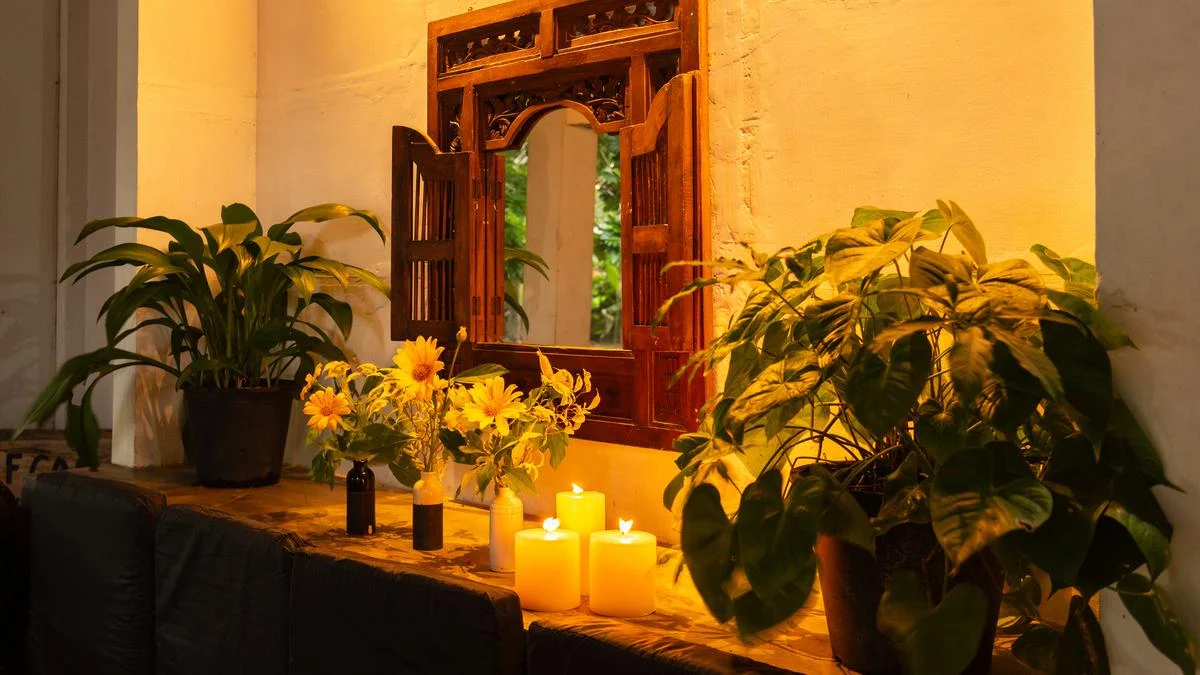
The sanctuary we call home is increasingly recognized not just as a physical space, but as a powerful architect of our inner lives. In an era of heightened stress and digital saturation, the very fabric of our residences is being scrutinized for its profound impact on our mental and emotional equilibrium. Far from being mere shelters, homes are emerging as crucial contributors to our ability to cope, connect, and thrive.
Introduction: The Evolving Role of Home in the Modern Landscape
In the relentless rhythm of contemporary life, the concept of "home" has transcended its utilitarian definition. It is no longer solely about four walls and a roof; it is intrinsically linked to a feeling, a sanctuary, and a critical support system for our mental and emotional well-being. As individuals find themselves spending unprecedented amounts of time indoors, the design and atmosphere of their living spaces have become paramount. This shift in lifestyle has amplified the significance of residential architecture, transforming it from a purely aesthetic or functional consideration into a vital component of holistic health.
The profound connection between our environment and our psychological state is not a new revelation, but it is one that is gaining significant traction within scientific and design communities. Research spanning environmental psychology, interior design, and the burgeoning field of neuroarchitecture consistently underscores a critical truth: the spaces we inhabit profoundly influence our stress levels, our capacity for focus, the quality of our sleep, our emotional responses and regulation, our cognitive performance, and even the dynamics of our social interactions. While residential architecture is not a panacea for existing mental health struggles, it undeniably plays a crucial role in fostering an environment that can either exacerbate or alleviate these challenges.
The increasing recognition of this link has spurred a significant evolution in how homes are conceived and constructed. Developers and designers are moving beyond simply offering luxurious amenities and are instead focusing on creating environments that actively support and enhance the mental and emotional health of their residents. This paradigm shift is not confined to niche markets; it is a burgeoning trend that is reshaping the residential real estate landscape, with a growing emphasis on "wellness-led" homes that prioritize psychological well-being.
The Pillars of a Psychologically Supportive Home: The "Big Four" Design Principles
The intricate relationship between our living spaces and our mental state can be understood through several key design principles that, when thoughtfully implemented, can significantly contribute to a sense of well-being. These foundational elements, often referred to as the "big four," are proving to be instrumental in creating residential environments that nurture rather than detract from our psychological health.
Spatial Layout: Fostering Freedom and Connection
The very arrangement of a home’s interior plays a pivotal role in shaping our experience within it. Open, flowing spaces that allow for unhindered movement can instill a profound sense of freedom and ease. This is particularly important in mitigating feelings of confinement or restriction, which can contribute to stress and anxiety. Conversely, a well-designed home also acknowledges the essential human need for solitude and introspection. The strategic integration of quiet, private corners for reflection alongside shared areas designed for connection creates a dynamic equilibrium. This balance allows residents to engage in social interactions when desired, and retreat for moments of quiet contemplation, ensuring that the home supports, rather than overwhelms, the mind.
The distinction between public and private zones within a home is also critical. Clearly defined areas for communal living, such as living rooms and dining spaces, encourage interaction and bonding, acting as antidotes to feelings of loneliness and isolation. These spaces should be designed to be inviting and comfortable, fostering a sense of belonging. Simultaneously, the provision of dedicated private retreats, such as bedrooms and studies, is essential for personal rejuvenation and focused work. This thoughtful zoning ensures that the home can cater to a spectrum of needs, from active social engagement to quiet personal time.
Strategic Lighting: Illuminating Mood and Focus
Light is a fundamental element that profoundly influences our mood, energy levels, and cognitive functions. The strategic use of natural and artificial lighting is therefore a cornerstone of psychologically supportive home design. Maximizing natural daylight through large windows and strategically placed skylights can significantly elevate mood and sharpen focus. The connection to the outdoors that natural light provides has a demonstrable positive impact on our circadian rhythms and overall sense of well-being.
Beyond daylight, the thoughtful application of artificial lighting is crucial for creating different atmospheres and supporting various activities. Post-sunset, a layered lighting scheme becomes essential. This involves a combination of warm ambient lights that create a cozy and inviting atmosphere, task lighting specifically designed for activities like reading or cooking, and accent lighting that can highlight artwork, plants, or architectural features. This nuanced approach to lighting allows residents to tailor their environment to their needs and preferences, making the home feel not only functional but also deeply personal and welcoming. The ability to control light intensity and color temperature can also influence our physiological responses, promoting relaxation in the evening and alertness during the day.
Designing for Touch: Grounding Through Tactile Experience
While often overlooked, the tactile qualities of our living spaces have a surprisingly significant impact on our psychological state. Texture plays a vital role in creating a sense of grounding and mindfulness. Raw wood, tumbled stone with its smooth, rounded edges, natural linen, and other honest, eco-friendly fabrics offer a rich sensory experience. The friction and varied sensations provided by these contrasting surfaces can create small, involuntary moments of mindfulness throughout the day.
Engaging with these textures can help to anchor us in the present moment, offering a welcome respite from the abstract nature of digital life. The physical sensation of touching a rough-hewn wooden surface or the cool smoothness of a stone countertop can evoke a primal connection to nature and the material world. This tactile engagement can be a subtle yet powerful tool for stress reduction and can help to cultivate a sense of calm and presence within the home. The deliberate incorporation of materials that offer a pleasing tactile experience transforms a house into a more deeply felt and immersive environment.
Leveraging Color Psychology: Painting with Emotion
Color is a powerful psychological tool, capable of evoking a wide range of emotions and influencing our behavior. Understanding color psychology is therefore an essential aspect of designing homes that support mental well-being. Warm colors, such as reds and yellows, are known to stimulate energy and vibrancy, making them ideal for communal spaces like living rooms where sociability and activity are encouraged. These hues can create an inviting and stimulating atmosphere, promoting conversation and engagement.
In contrast, cooler colors, such as greens and blues, have a calming and settling effect on the body and mind. These colors are particularly well-suited for private spaces like bedrooms, where relaxation and restorative sleep are paramount. Greens, reminiscent of nature, can promote tranquility and reduce stress, while blues can induce a sense of peace and serenity. By thoughtfully applying color palettes, designers can intentionally shape the emotional atmosphere of different rooms, creating environments that cater to specific psychological needs and enhance the overall living experience.
Beyond the Core Four: Orchestrating a Harmonious Environment
While the "big four" principles form the bedrock of psychologically supportive home design, a multitude of other factors contribute to the overall emotional resonance of a dwelling. The interplay of openness and enclosure, the careful management of sound and light, and the integration of natural elements all play crucial roles in shaping how we feel within our homes.
The Dance of Openness and Enclosure
The degree to which a space feels open or enclosed significantly impacts our sense of comfort and security. An open layout that facilitates easy movement and encourages interaction can be incredibly beneficial for fostering social connection and combating feelings of isolation. This sense of togetherness can act as a powerful antidote to anxiety, creating a more harmonious and supportive living environment.
However, the need for enclosure and privacy is equally important. Thoughtful design incorporates areas that offer a sense of refuge and personal space, allowing for moments of quietude and introspection. This balance between openness and enclosure ensures that the home can cater to both our social needs and our individual requirements for peace and solitude.
The Symphony of Sound and Light
The way sound and light interact within a space can dramatically influence its atmosphere. Considered acoustics, achieved through the use of sound-absorbing materials and thoughtful room configuration, can create environments that are conducive to both focused work and restful relaxation. Soft materials, such as carpets, upholstered furniture, and acoustic panels, can help to dampen unwanted noise, providing the quiet sanctuary needed after a demanding day.
The interplay of light and shadow can also create dynamic and engaging spaces. Natural light, when strategically directed, can illuminate areas and create a sense of spaciousness, while carefully placed artificial lighting can create pockets of warmth and intimacy. The harmonious balance of these elements contributes to a more pleasant and psychologically supportive living experience.
Biophilic Design: Embracing Nature’s Influence
Biophilic design, which emphasizes the incorporation of nature-based elements into our built environments, is increasingly recognized for its profound positive impact on human well-being. The inclusion of natural elements such as indoor plants, living walls, water features, and views of greenery can foster a sense of calm and connection to the natural world.
Shared gardens, walkable pathways, and internal courtyards can transform a collection of individual dwellings into a cohesive community. These shared natural spaces encourage social interaction, promote a sense of belonging, and contribute to a more vibrant and interconnected living experience. By bringing the restorative qualities of nature indoors and into shared outdoor spaces, biophilic design enhances both individual well-being and community cohesion.
The Hospitality Influence: Luxury Homes Embrace Wellness
The principles of creating memorable and comforting experiences have long been understood and expertly applied within the hospitality sector. High-end hotels and resorts have historically prioritized elements such as sophisticated lighting, seamless spatial flow, and sensory comfort to curate exceptional guest experiences. It is no surprise, then, that many luxury residential projects are now drawing inspiration from this "hospitality playbook."
Developers of premium residences are increasingly adopting similar design principles and incorporating elements that were once the exclusive domain of hotels. The aim is to create homes that not only exude elegance and sophistication but also offer a profound sense of ease and emotional comfort to their inhabitants. This signifies a shift from designing for mere status to designing for genuine well-being.
The Future of Home: A Healthier Dwelling
The contemporary homebuyer is evolving, and their desires extend far beyond the superficial. While aesthetic appeal remains important, there is a growing demand for residences that are not only visually pleasing but also deeply personal and actively contribute to overall well-being. This has prompted a significant response from developers, who are increasingly investing in "wellness-led" homes. These developments prioritize mental health and holistic well-being as central design tenets.
The residential real estate market is at a pivotal juncture. The next frontier of innovation is not simply about offering larger homes or more advanced smart technology. Instead, the significant opportunity lies in the creation of "healthier homes" – residences that are intentionally designed to foster psychological resilience, reduce stress, and enhance the overall quality of life for their occupants. This paradigm shift represents a fundamental redefinition of what constitutes a desirable and valuable home, placing human well-being at the forefront of residential development.
Conclusion: The Home as a Catalyst for Well-being
As the world continues to present us with an ever-increasing array of stressors, the role of our homes as sanctuaries of peace and restoration has never been more critical. The insights gleaned from environmental psychology, interior design, and neuroarchitecture are illuminating the profound and often understated ways in which our living spaces shape our mental and emotional landscapes. By embracing principles of thoughtful spatial design, strategic lighting, tactile richness, and mindful color application, we can transform our houses into environments that actively support our well-being. The trend towards wellness-led homes signifies a hopeful future where our residences are not merely structures, but powerful allies in our pursuit of a healthier, happier, and more fulfilling life. The emphasis is shifting, and the future of residential real estate is undeniably one that prioritizes the health of the mind.
