

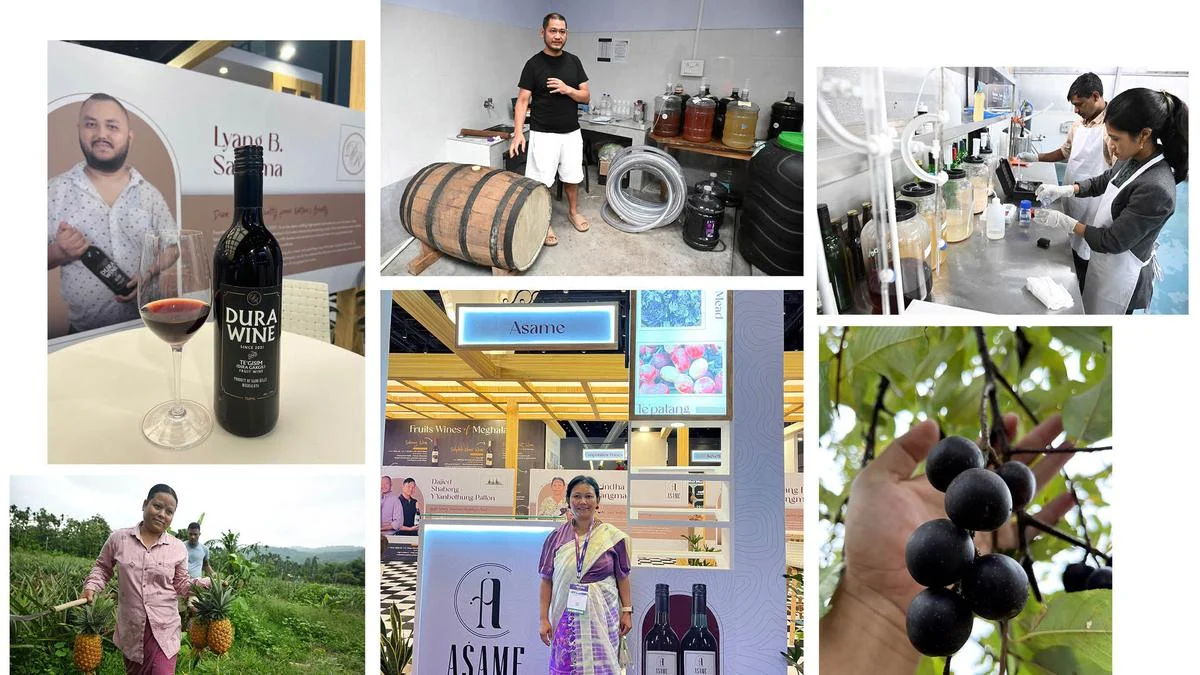
In the mist-shrouded hills of Northeast India, a liquid revolution is fermenting. While the global wine market has long been dominated by the Vitis vinifera grape, the state of Meghalaya is carving out a distinctive niche using the bounty of its ancient jungles. From the "fruit with a dot in its name"—the te.gisim—to the vibrant blue hues of butterfly pea flower infusions, Meghalaya’s winemakers are transforming indigenous biodiversity into a high-value commercial industry.
I. Main Facts: The Commercial Emergence of Indigenous Elixirs
For centuries, the tribal communities of Meghalaya—the Khasis, Jaintias, and Garos—have practiced the art of fermentation. However, until recently, this was largely restricted to bitchi (a smoky rice beer) or small-scale home brewing for festivals. Today, that tradition has been formalized into a burgeoning fruit wine sector that is catching the attention of national connoisseurs.
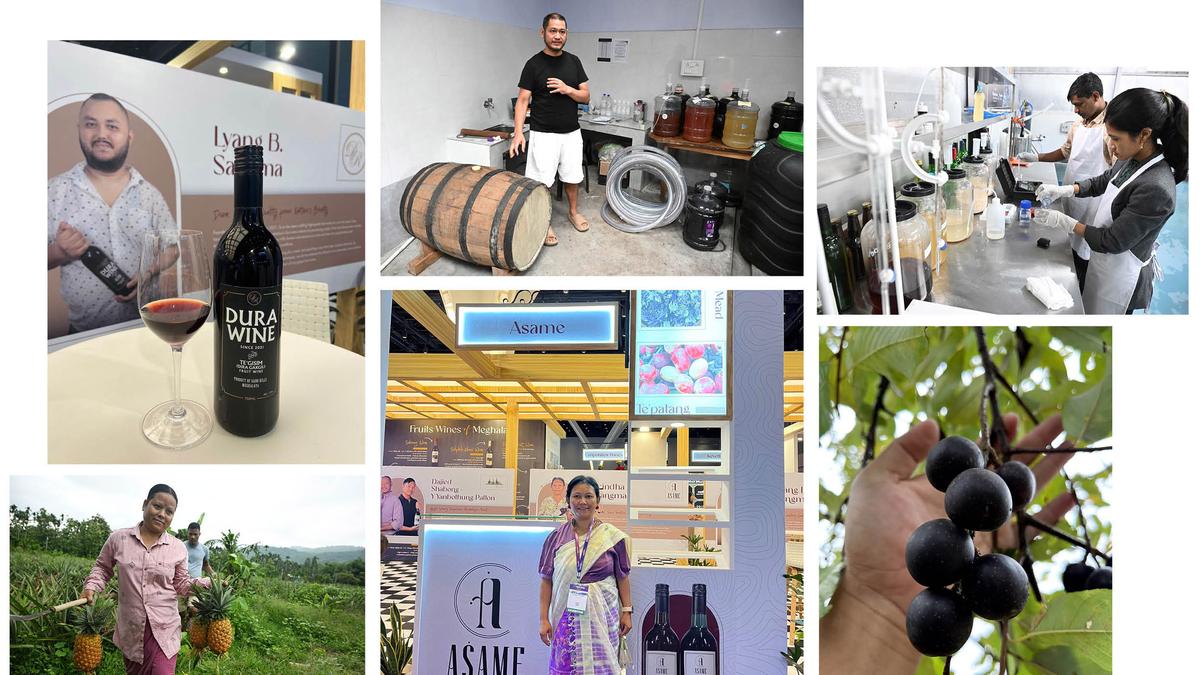
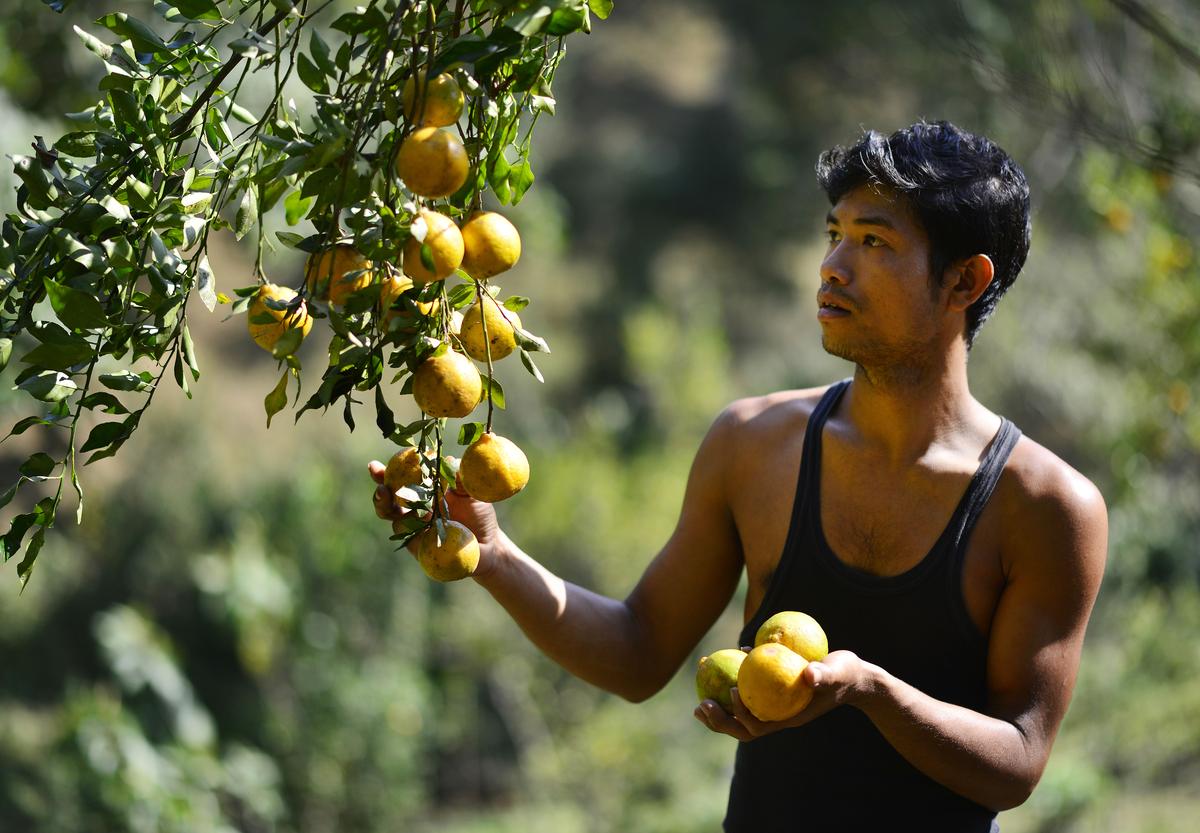
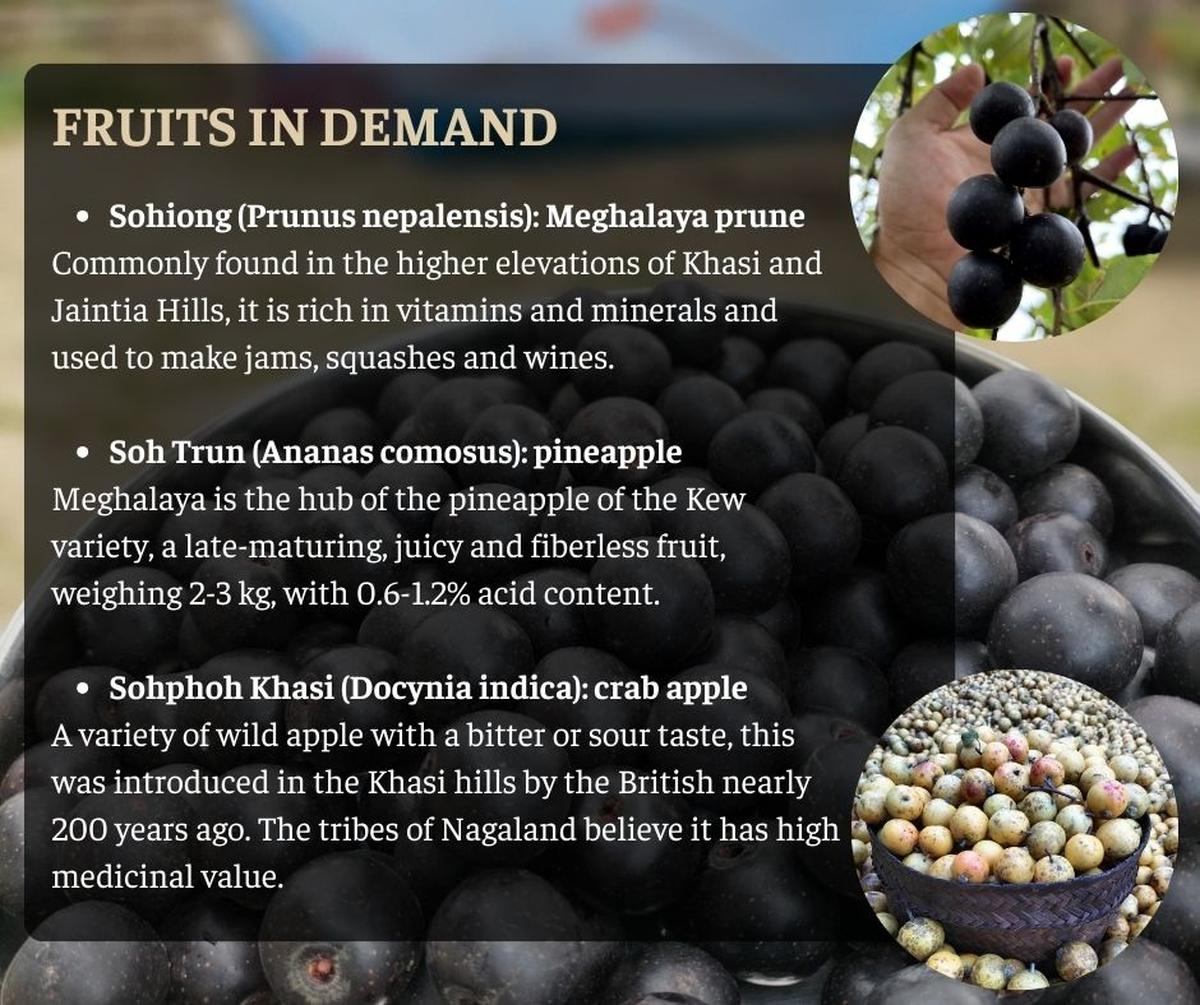
The star of this movement is the te.gisim, or Himalayan cherry (Prunus jenkinsii). Once a wild fruit known only to the Garo Hills, it was botanically documented less than a decade ago. Now, it serves as the backbone for several commercial labels. Alongside it, winemakers are utilizing te.patang (blood fruit), sohiong (Meghalaya prune), sohphie (bayberry), and even jackfruit to create a palette of flavors that range from the deeply sweet to the pungently exotic.
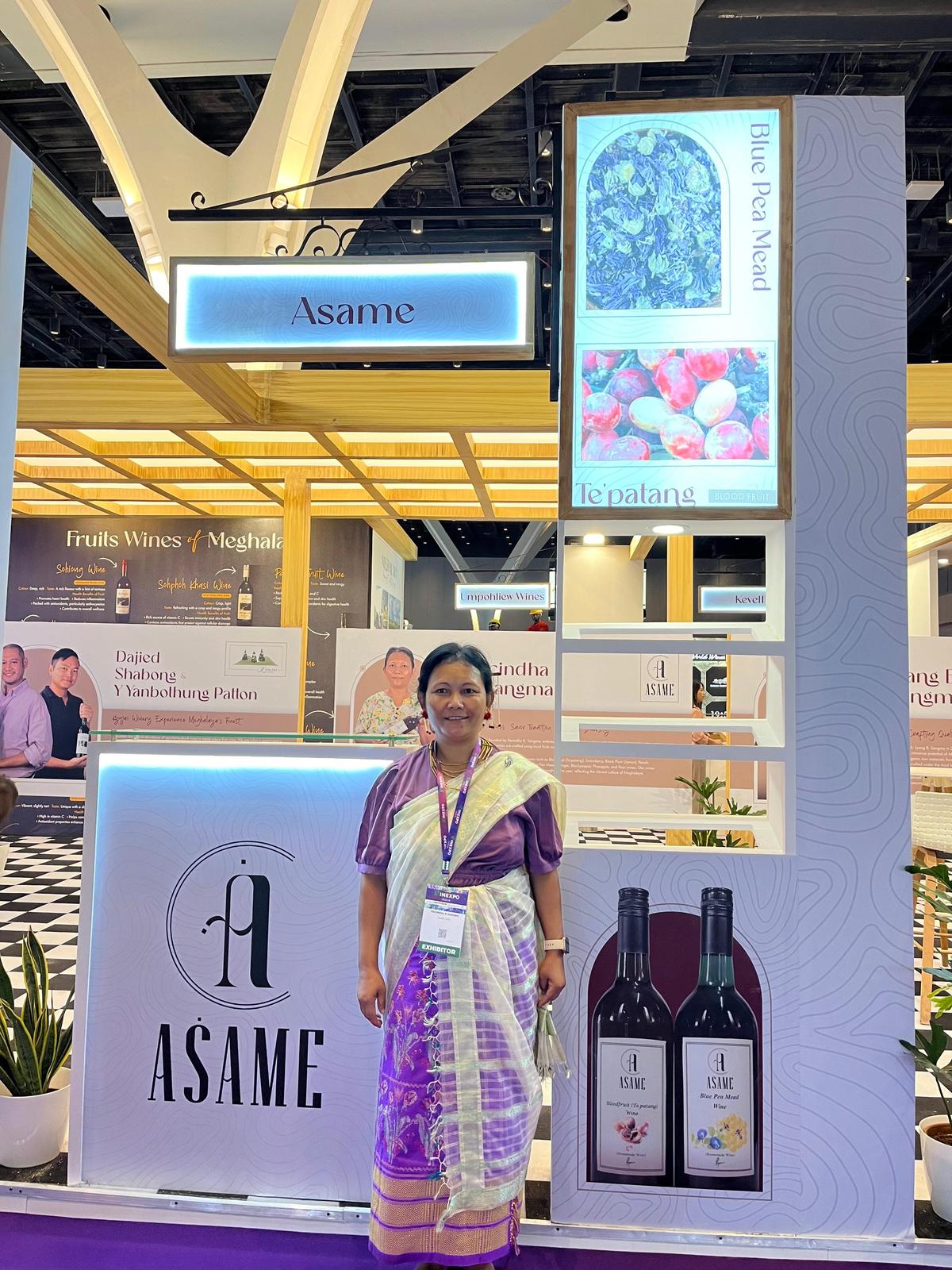
The scale of this shift was highlighted in September 2024 at Vinexpo India in Mumbai. Six exotic fruit wines and meads (honey-based wines) from Meghalaya were showcased to international experts. Entrepreneurs like Lyang B. Sangma of Dura Wine reported that the reaction from global tasters was overwhelmingly positive, signaling that these "non-grape elixirs" have a market potential far beyond the borders of the Northeast.

II. Chronology: From Colonial Roots to Modern Policy
The history of winemaking in Meghalaya is a tapestry of colonial influence, cultural preservation, and modern legislative proactivity.
The Colonial Foundation (1947–1980s)
The modern commercial lineage begins with Captain Harold Douglas Hunt, often cited as the father of wine in Meghalaya. Settling in Mawphlang in 1947, Hunt established India’s first fruit winery. He utilized the sohiong and other wild fruits collected by villagers to create the "Mawphlang cherry wine." His winery created a sustainable ecosystem for local farmers until his death in the 1980s, after which the industry returned to a dormant, domestic state.

The Festival Spark (2004–2019)
In 2004, Michael Syiem of the Forever Young Club organized Shillong’s first wine festival. This annual event was pivotal in changing public perception, positioning fruit wine as a "cool," artisanal alternative for millennials rather than a relic for the older generation. It laid the groundwork for the cultural acceptance of commercial fruit winemaking.
The Legislative Breakthrough (2020–Present)
The true catalyst for the current "renaissance" was the 2020 amendment to the Meghalaya Excise Rules (Assam Excise Rules 1945). This legal shift allowed home-made wines to be sold commercially and streamlined the licensing process for local winemakers. Following this, the Meghalaya Farmers Empowerment Commission (MFEC) was established to provide the institutional framework needed to scale the industry.
III. Supporting Data: The Economics of the Bottle
The growth of Meghalaya’s wine industry is backed by significant capital investment and impressive socio-economic statistics.
- Winery Expansion: Three years ago, Meghalaya had only five licensed fruit winemakers. Today, that number has grown to 17 commercial wineries, the second-highest in India after Himachal Pradesh (which has 22).
- Employment: Approximately 400 families are now directly or indirectly employed by licensed wineries. This includes winemakers, farm laborers, and logistics providers.
- Investment Costs: Setting up a winery with a 5,000-liter capacity requires an average investment of ₹50 lakh (excluding land and buildings). To assist this, agencies like the North East Centre for Technology Application and Reach (NECTAR) have provided machinery grants, such as the ₹25 lakh grant awarded to Dura Wines.
- Tax Incentives: To ensure competitiveness, the Meghalaya government imposes 0% VAT on fruit wines. This stands in stark contrast to other Indian states, where VAT can range from 4% to 53%. The only levies are a nominal ₹100 per case (12 bottles) ad valorem and a ₹10 lifting fee.
- Retail Pricing: The average 750 ml bottle of Meghalaya fruit wine retails for approximately ₹600, positioning it as an affordable luxury in the premium craft segment.
IV. Official Responses: Building a Scientific Ecosystem
The state government, under the leadership of Chief Minister Conrad K. Sangma, has moved beyond mere deregulation to active incubation. The MFEC, led by Chairman B.K. Sohliya, has focused on bridging the gap between "folk art" and "scientific oenology."
The North East Fruit Wine Incubation Centre
Established in 2023 at the Institute of Hotel Management (IHM) in Shillong, this center is a first-of-its-kind training facility. It features an installed capacity of 1,000 liters per cycle and has already trained 137 people in the technical aspects of winemaking—covering everything from pH balance and sugar-alcohol ratios to bottling and branding.
Expert Consultations
The government has also facilitated knowledge transfers from established wine regions. Priyanka Save of Himachal Nectars was roped in as an official training partner, helping local winemakers achieve a consistent 10% Alcohol by Volume (ABV) and refined textures. Professional tasters like Rajesh Swarnakar have noted that while Meghalaya’s wines are still "catching up" to the apple-based dominance of Himachal Pradesh, the rate of quality improvement is unprecedented.
V. Implications: Agriculture, Environment, and Identity
The rise of the fruit wine industry carries profound implications for the state’s rural economy and environmental conservation.
Reducing Post-Harvest Loss
India faces a staggering 40% wastage rate for fruits and vegetables due to poor supply chain infrastructure. In Meghalaya’s rugged terrain, this problem is even more acute. Winemaking offers a solution by converting perishable surplus into shelf-stable, high-value products. According to the MFEC, wastage has dropped significantly as winemakers now book entire farms a year in advance.
Economic Empowerment of Farmers
The financial impact on local farmers is transformative:
- A farmer who previously earned ₹3,000 per sohiong tree can now earn up to ₹15,000 per season by selling to commercial wineries.
- Farmers growing high-value crops like kiwi, plum, and orange have seen seasonal incomes jump from ₹30,000 to over ₹3 lakh.
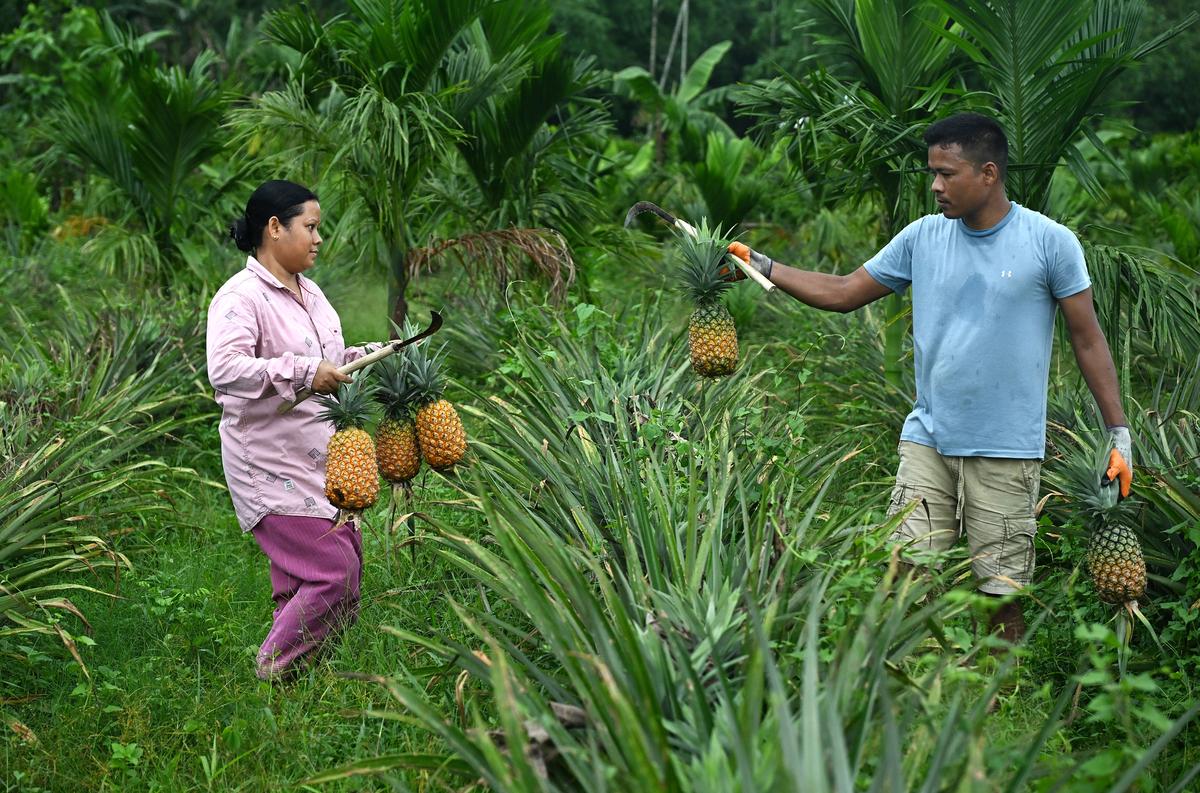
- This has led to a shift from "wild gathering" in the jungles to systematic, sustainable farming.
Conservation through Value
The industry also provides a commercial incentive to protect Meghalaya’s "Sacred Groves." These ancient forests, like the one in Mawphlang, are home to many of the wild species used in winemaking. By proving that these indigenous fruits have global market value, the state is fostering a conservation model where the local community is financially invested in the survival of the forest.
Cultural Branding
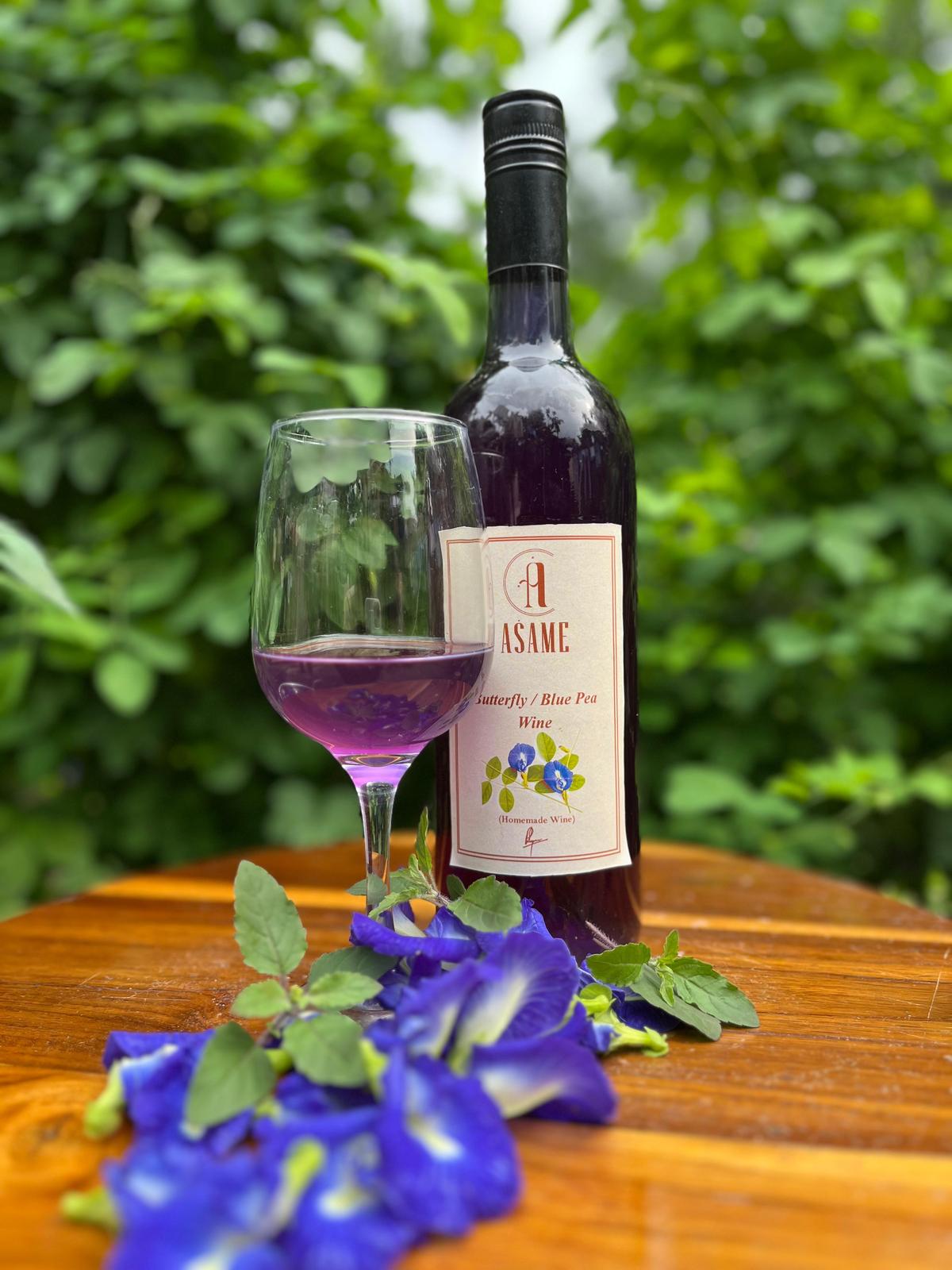
Finally, Meghalaya is using wine to craft a modern identity. By branding "Blue Wine" from butterfly pea flowers or pungent "Jackfruit Wine," the state is positioning itself as a destination for "oenotourism." Entrepreneurs like Andrew Nongdhar (grandson of Capt. Hunt) and Dajied Shabong of Kynjai Wine are not just selling a beverage; they are selling the terroir of the Khasi and Garo Hills.
As these wines move from home kitchens to the shelves of liquor outlets in Assam and eventually to international markets, Meghalaya is proving that the future of wine may not be found in the vineyards of Europe, but in the untamed jungles of the Northeast. The transition from "the fruit with a dot" to a global brand is well underway, promising a sustainable and spirited future for the "Abode of Clouds."
