

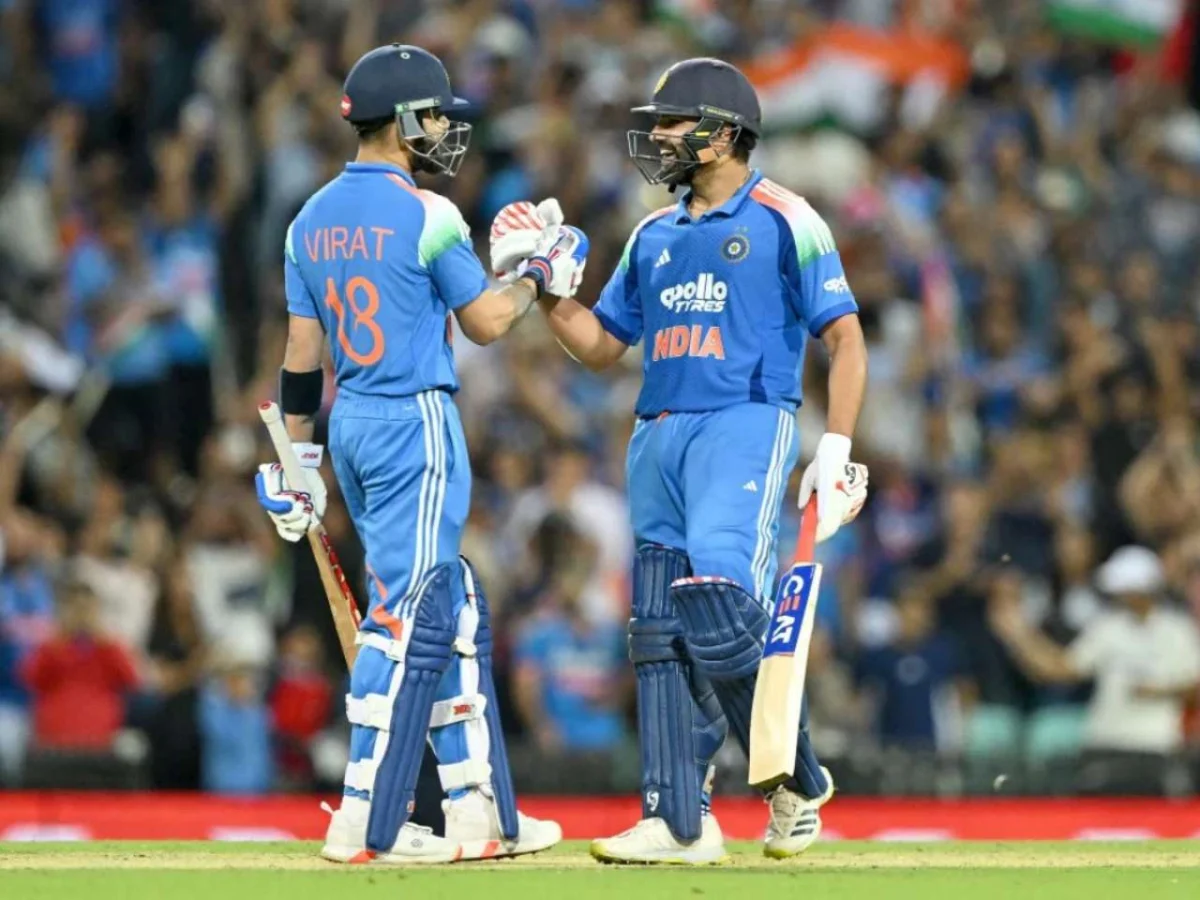
Mumbai, India – In a pivotal moment for Indian cricket, which finds itself at the cusp of a generational shift, India’s bowling coach Morne Morkel has unveiled a strategic blueprint designed to seamlessly integrate the invaluable experience of stalwarts Rohit Sharma and Virat Kohli with the burgeoning leadership of Shubman Gill. Morkel’s candid remarks underscore the team management’s deliberate approach to foster a culture of mentorship, ensuring that the vast reservoir of cricketing knowledge accumulated by two of the modern era’s greatest players is actively transferred to the next generation. This proactive strategy aims not just to support Gill’s nascent captaincy but to fortify the entire squad, equipping young talents with the wisdom necessary to navigate the rigours of international cricket.
The former South African pace sensation, speaking ahead of the first One-Day International against the West Indies, emphasized the critical importance of actively encouraging younger players to engage with Kohli and Sharma. This isn’t merely about their presence on the field or in the dressing room; it’s about a structured, yet organic, knowledge transfer mechanism that extends from formal team meetings to informal net sessions. The objective is clear: to bridge the formidable era defined by Rohit and Virat with the emerging leadership of Shubman Gill, ensuring continuity and sustained excellence for Indian cricket.
The Shifting Landscape: A New Era Under Shubman Gill
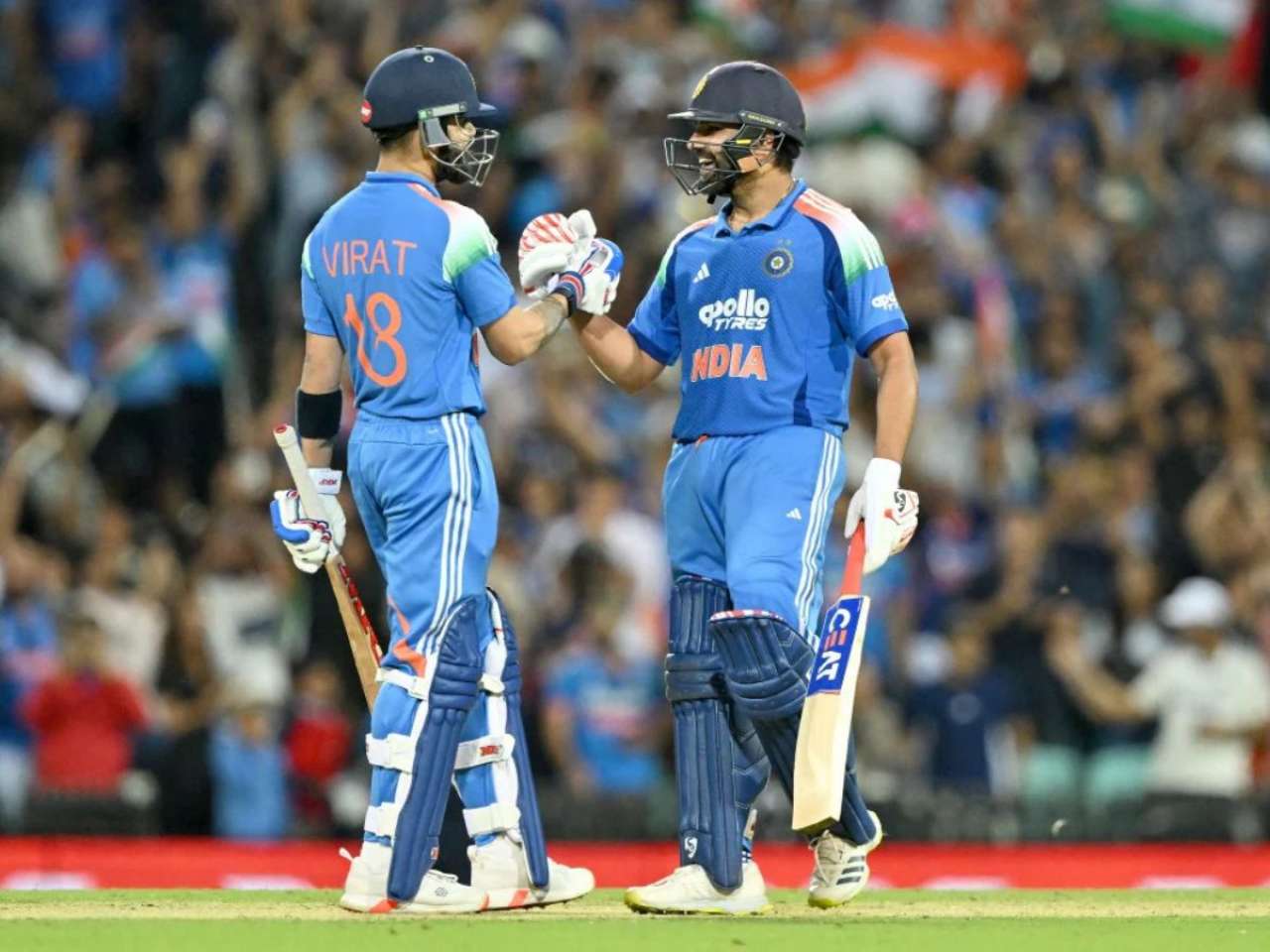
Indian cricket is undeniably entering a transformative phase. While the likes of Virat Kohli and Rohit Sharma remain integral components of the team, particularly in limited-overs formats, the reins of leadership are progressively being handed over to a younger cohort. Shubman Gill, identified as a future leader, has begun to take on captaincy responsibilities, marking a significant transition for the team. This shift, however, is being managed with astute foresight, recognizing that the departure of established leaders can often leave a void if not adequately prepared for.
The challenge for any cricketing nation is to evolve without losing its competitive edge. India, a powerhouse in world cricket, understands that sustained success requires a continuous pipeline of talent complemented by sagacious guidance. Gill’s elevation to captaincy, while a testament to his burgeoning skills and leadership potential, also necessitates a robust support system. It is within this context that the roles of Rohit Sharma and Virat Kohli become even more pronounced – not just as performers, but as living encyclopedias of cricketing wisdom. Their continued presence in the squad is therefore not just about their individual contributions, but about their collective capacity to mentor and guide.
)
Morkel’s Vision: Leveraging Senior Expertise as a Strategic Asset
Morne Morkel’s insights offer a clear window into the team management’s philosophy. His encouragement for the "current generation to seek advice from the two veterans and benefit from their wealth of cricketing knowledge" is more than just a passing remark; it is a directive. The bowling coach articulated how the team plans to "tap into Rohit Sharma’s and Virat Kohli’s experience to support Shubman Gill’s side," outlining a deliberate strategy rather than a passive hope.
"It’s always great to have that experience back in the team. Just to guide Shubman as well, I must say Shubman has done an exceptional job so far leading the team," Morkel stated, acknowledging Gill’s capabilities while highlighting the irreplaceable value of senior counsel. He elaborated further, emphasizing the foundational role of senior players: "But I’m always a big believer in your senior players and how they shape the team. I think different players in the team will feel more comfortable speaking to a certain senior individual and we’re quite fortunate that we’ve got a lot of experience in that." This statement underscores a nuanced understanding of team dynamics, recognizing that rapport and comfort are crucial for effective communication and mentorship. Different personalities may gravitate towards different mentors, and having both Rohit and Virat provides a broader spectrum of accessible wisdom.

From Formal Meetings to Informal Nets: The Channels of Knowledge Transfer
The plan to utilize Rohit and Kohli’s experience is multi-faceted, extending beyond mere presence. Morkel detailed how coaches and management are actively pushing younger players to engage in direct conversations. This isn’t about leaving mentorship to chance; it’s about creating intentional opportunities for dialogue and learning.
"We’re quite fortunate that we’ve got that experience with the senior players and for us it’s just to keep on challenging the guys to have the conversation with the senior guys," Morkel explained. This "challenge" is a key aspect of the strategy, ensuring that younger players overcome any hesitation they might have in approaching cricketing legends. "We always throw out as many questions as possible in team meetings for the senior guys to speak and to share their experience." Formal team meetings, therefore, serve as structured platforms for collective learning, where specific scenarios, strategies, and past experiences are openly discussed, allowing the entire squad to benefit from the insights of the seasoned campaigners.
)
However, Morkel stressed that the most potent learning often occurs outside the formal settings, in the spontaneous, organic moments of training. "But the challenge is to sometimes ask a younger guy while they’re batting in the nets, pick Virat’s brain, speak to Rohit about what is important with a new ball up front," he highlighted. This is where the true depth of the mentorship model lies. The nets, often perceived as a place for technical refinement, are transformed into dynamic classrooms. A young opener can directly query Rohit Sharma, one of the most destructive white-ball openers in history, about reading conditions with the new ball, managing swing, or constructing an innings. Similarly, a middle-order batter can tap into Virat Kohli’s unparalleled expertise in building an ODI innings, particularly in high-pressure chases, understanding shot selection, running between wickets, and managing pressure.
"The more opportunities we can create for conversation with these guys, it’s all great for us," Morkel affirmed. This emphasis on creating abundant conversational opportunities signifies a proactive and hands-on approach by the team management. It’s about demystifying the process of greatness, allowing young players to understand the thought processes, preparations, and tactical adjustments that have defined the careers of these two titans.
)
The Mentors: Rohit and Kohli’s Invaluable Contributions
The selection of Rohit Sharma and Virat Kohli as key mentors is hardly surprising. Their careers are a testament to sustained excellence, adaptability, and an unparalleled understanding of the game across formats.
Rohit Sharma, the ‘Hitman’ and Strategic Captain:
As an opener, Rohit Sharma has redefined white-ball batting with his ability to build monumental innings. His understanding of how to see off the new ball, accelerate through the middle overs, and unleash an onslaught in the death overs is second to none. His transition into a successful captain further adds layers to his mentorship capabilities. Young openers can learn from his meticulous preparation, his mental fortitude against top bowlers, and his ability to convert starts into big scores. Beyond batting, his strategic acumen as a leader, his field placements, and his decision-making under pressure are invaluable lessons for Shubman Gill and other aspiring captains. Rohit’s calm demeanor and insightful tactical calls, honed over years of leading Mumbai Indians in the IPL and now the national team, provide a crucial template for leadership.
)
Virat Kohli, the ‘Chase Master’ and Epitome of Consistency:
Virat Kohli’s career stands as a masterclass in consistency, fitness, and the art of the chase. His ability to anchor an innings, manipulate the field, run fiercely between wickets, and absorb pressure during high-stakes chases is legendary. For any young batter aiming for longevity and impact, Kohli’s approach to fitness, discipline, and mental toughness offers a profound lesson. His unwavering focus, his ability to bounce back from lean patches, and his sheer will to win are attributes that cannot be taught through drills alone but are best imbibed through observation and direct interaction. Young players can pick his brain on everything from building an innings, handling sledging, dealing with media pressure, to maintaining peak physical condition throughout a grueling international schedule.
Together, their combined experience covers virtually every aspect of international cricket – from batting techniques and strategies to mental preparation, leadership, and adapting to diverse conditions and opposition.
)
Shubman Gill’s Supported Ascendancy: A Blueprint for Future Leadership
The direct beneficiary of this strategic mentorship is Shubman Gill. As he steps into the demanding role of captaincy, the availability of Rohit and Kohli provides him with an unparalleled support system. Leadership at the international level is a complex undertaking, requiring not only tactical prowess but also strong man-management skills, resilience, and the ability to inspire confidence.
Gill, while demonstrating immense potential, is still in the early stages of his leadership journey. Having two seasoned captains and batting legends within the squad offers him a unique opportunity to learn on the job. He can lean on their experience for tactical advice, decision-making support, and understanding team dynamics. This mentorship will allow Gill to develop his own leadership style, informed by the wisdom of his predecessors, rather than being forced to learn solely through trial and error. It creates a safe environment for him to experiment, take calculated risks, and grow into the role with the confidence that comes from having experienced heads to consult. Morkel’s acknowledgment of Gill doing an "exceptional job so far" reinforces the idea that this mentorship is about enhancement, not a lack of faith.
)
Broader Implications for Indian Cricket: Sustained Dominance and a Culture of Learning
This mentorship model has far-reaching implications for Indian cricket beyond individual player development.
-
Ensuring Continuity of Excellence: By facilitating the transfer of knowledge from one generation to the next, India aims to ensure that its cricketing prowess is not interrupted by generational shifts. This strategic approach helps maintain a high standard of play and strategic thinking within the team.
)
-
Building a Robust Talent Pipeline: The consistent interaction with top-tier players will accelerate the learning curve for young talents, preparing them more quickly for the demands of international cricket. This strengthens the overall talent pool, making India less reliant on a few star players.
-
Fostering a Culture of Continuous Learning: The emphasis on asking questions and seeking advice instills a culture where learning is valued and actively pursued. This is crucial in a sport that is constantly evolving, requiring players to adapt and refine their skills.
)
-
Team Cohesion and Morale: When senior players actively engage with juniors, it fosters a stronger sense of camaraderie and belonging. It breaks down potential hierarchies, making younger players feel more integrated and valued, thereby improving overall team morale and cohesion.
-
Leadership Succession Planning: This structured mentorship is a vital component of India’s long-term leadership succession plan. By grooming Gill under the watchful eyes of Rohit and Kohli, India is investing in future leaders who are not only skilled but also deeply knowledgeable about the intricacies of international captaincy.
)
Historical Echoes and Modern Adaptations
The concept of senior players mentoring juniors is not new to Indian cricket. Throughout its rich history, legends have passed on their wisdom. From Sunil Gavaskar guiding Sachin Tendulkar, to Sachin himself advising younger players like MS Dhoni and Virat Kohli, the tradition has always existed. However, Morkel’s articulation suggests a more formalized and intentional approach in the modern era.
In today’s high-stakes, data-driven cricketing world, passive mentorship might not suffice. The game is faster, more competitive, and the margins for error are razor-thin. Therefore, a deliberate strategy to "challenge the guys to have the conversation" and "create opportunities for conversation" is a necessary adaptation. It moves beyond simply hoping that wisdom will be absorbed by osmosis, to actively engineering environments where knowledge transfer is efficient and effective.
)
Challenges and Nuances of the Mentorship Model
While highly beneficial, this mentorship model is not without its nuances. The challenge lies in striking a balance between guidance and allowing young players, especially a captain like Gill, to develop their own independent thought processes and decision-making styles. Over-reliance on senior advice, while providing a safety net, could potentially stifle the emergence of unique leadership qualities.
The team management will need to ensure that the mentorship empowers, rather than overshadows. The objective is to equip Gill and the younger players with tools and perspectives, allowing them to make informed decisions that are ultimately their own. The dynamic between active advice and fostering independent leadership will be key to the long-term success of this strategy.
)
Conclusion: A Blueprint for Sustained Excellence
Morne Morkel’s revelations provide a compelling insight into the strategic thinking within the Indian cricket team. By consciously leveraging the monumental experience of Rohit Sharma and Virat Kohli, India is not just managing a transition; it is crafting a blueprint for sustained excellence. This proactive, intentional approach to mentorship ensures that the invaluable lessons learned over decades of international cricket are not lost but are instead meticulously transferred to the next generation.
The vision is clear: to empower Shubman Gill and his cohort with the best possible guidance, fostering a culture of continuous learning and development. As India navigates this new era, the strategic bridge being built between the eras of Rohit-Virat and Shubman Gill stands as a testament to a thoughtful, forward-looking approach, aimed at maintaining India’s position at the pinnacle of world cricket, one honest and impactful conversation at a time. The success of this strategy will undoubtedly shape the future trajectory of Indian cricket, promising a blend of youthful exuberance and seasoned wisdom that could define the next golden chapter for the sport in the nation.
