

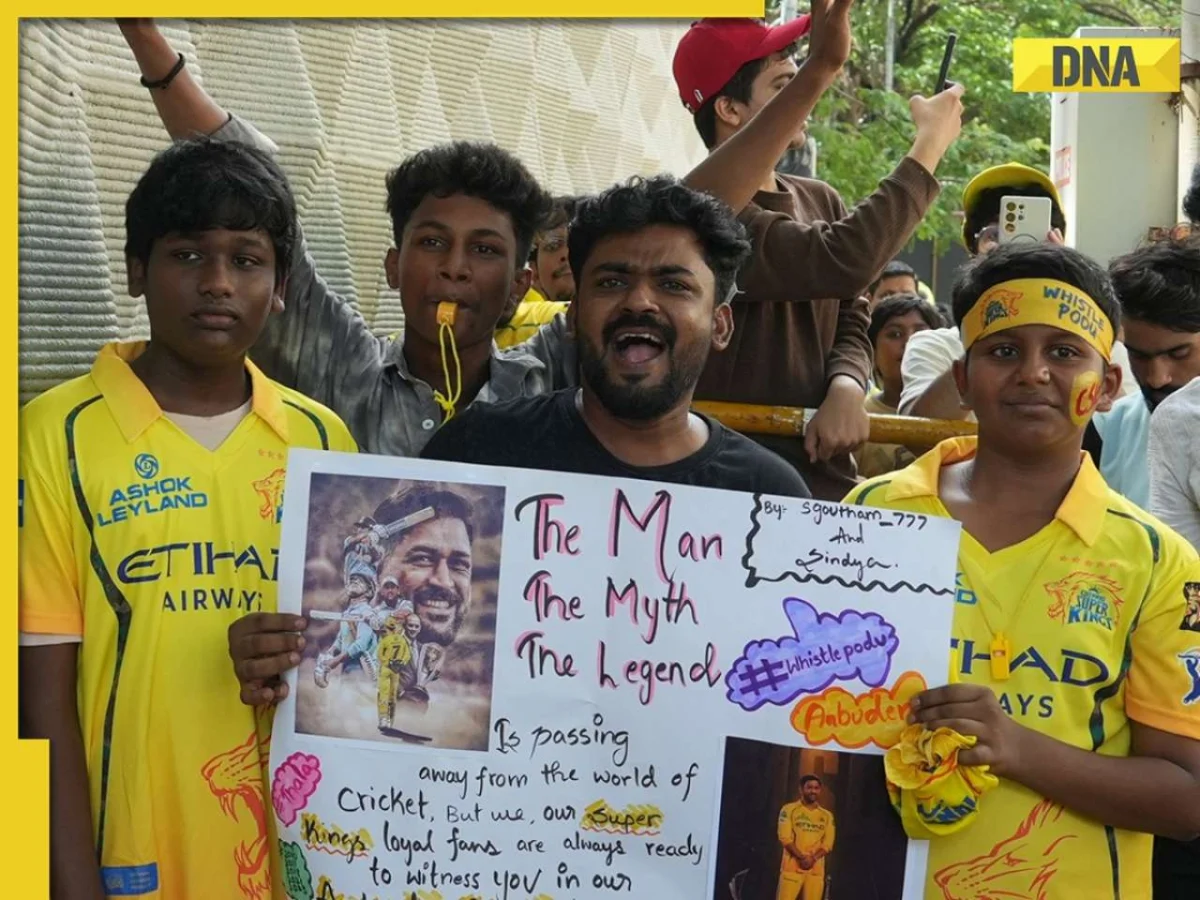
CHENNAI, INDIA – May 10, 2026 – In a move that has stirred considerable discussion across social media and political circles, the Chennai Super Kings (CSK) management reportedly requested fans attending their Indian Premier League (IPL) match against the Lucknow Super Giants (LSG) at the M.A. Chidambaram Stadium, popularly known as Chepauk, to refrain from bringing political banners, flags, or hoardings into the venue. The advisory, issued just hours before the highly anticipated cricket clash on Sunday, May 10, 2026, coincided directly with a significant political event in Tamil Nadu: the oath-taking ceremony of actor-turned-politician C. Joseph Vijay as the state’s new Chief Minister.
This convergence of high-profile sporting action and a pivotal political transition has placed CSK and its iconic home ground at the heart of a debate concerning the intersection of sports, entertainment, and politics in a state where these spheres frequently intertwine. The advisory from one of the most beloved and successful franchises in the IPL highlights the delicate balance sports organizations must maintain when their platforms become potential stages for political expression.
The Advisory Unveiled: CSK’s Appeal for "Yellove"
On Saturday evening, May 9, 2026, the Chennai Super Kings utilized their official social media channels to disseminate a "special note" to their legions of fans, affectionately known as "superfans." The message, crafted in the franchise’s characteristic ‘Anbuden’ (with love) and ‘Yellove’ (a portmanteau of yellow and love) branding, was clear and direct.
"Come celebrate cricket and the spirit of the game with us. Anbuden request our superfans to avoid bringing banners, flags, or hoardings associated with any political party/person and enjoy the game with full Yellove!" the post read.
)
While the advisory meticulously avoided naming any specific political party or individual, its timing was impossible to ignore. The appeal landed squarely in the public consciousness just as the state was buzzing with anticipation for C. Joseph Vijay’s official entry into the Chief Minister’s office, scheduled for the very next day. The confluence of these events immediately sparked widespread speculation and discussion, particularly given the deep cultural integration of cinema, politics, and cricket in Tamil Nadu. The social media post quickly garnered significant attention, becoming a focal point of online debate regarding the boundaries of expression within sporting venues.
A Confluence of Events: Politics Meets Cricket
The backdrop to CSK’s advisory is a testament to Tamil Nadu’s unique socio-political landscape, where the lines between entertainment and governance have historically been blurred. C. Joseph Vijay, a colossal figure in Tamil cinema for decades, formally launched his political party, Tamilaga Vettri Kazhagam (TVK), earlier this year, signaling his intent to contest the 2026 assembly elections. His meteoric rise from screen idol to Chief Minister-designate in such a short span underscores the immense popular appeal and political potency that successful actors command in the state.

Vijay’s oath-taking ceremony, held at Chennai’s Nehru Indoor Stadium, was a grand affair, drawing massive crowds and extensive media coverage. It marked a new chapter in Tamil Nadu politics, echoing the legacies of other actor-turned-chief ministers like M.G. Ramachandran and J. Jayalalithaa. For the CSK advisory to be issued concurrently with such a monumental political event meant that the Super Kings’ management was likely attempting to preempt any potential political demonstrations or displays that could overshadow the cricketing spectacle or, more importantly, politicize the sporting arena.
The timing suggests a conscious effort by CSK to maintain the apolitical sanctity of their home ground, even as the state’s political fervor reached a fever pitch. This decision reflects a broader challenge faced by major sporting franchises and event organizers globally: how to navigate the increasing tendency for public figures and their supporters to use high-visibility events as platforms for political messaging.
)
Chepauk: A Stage for Passion, Not Politics?
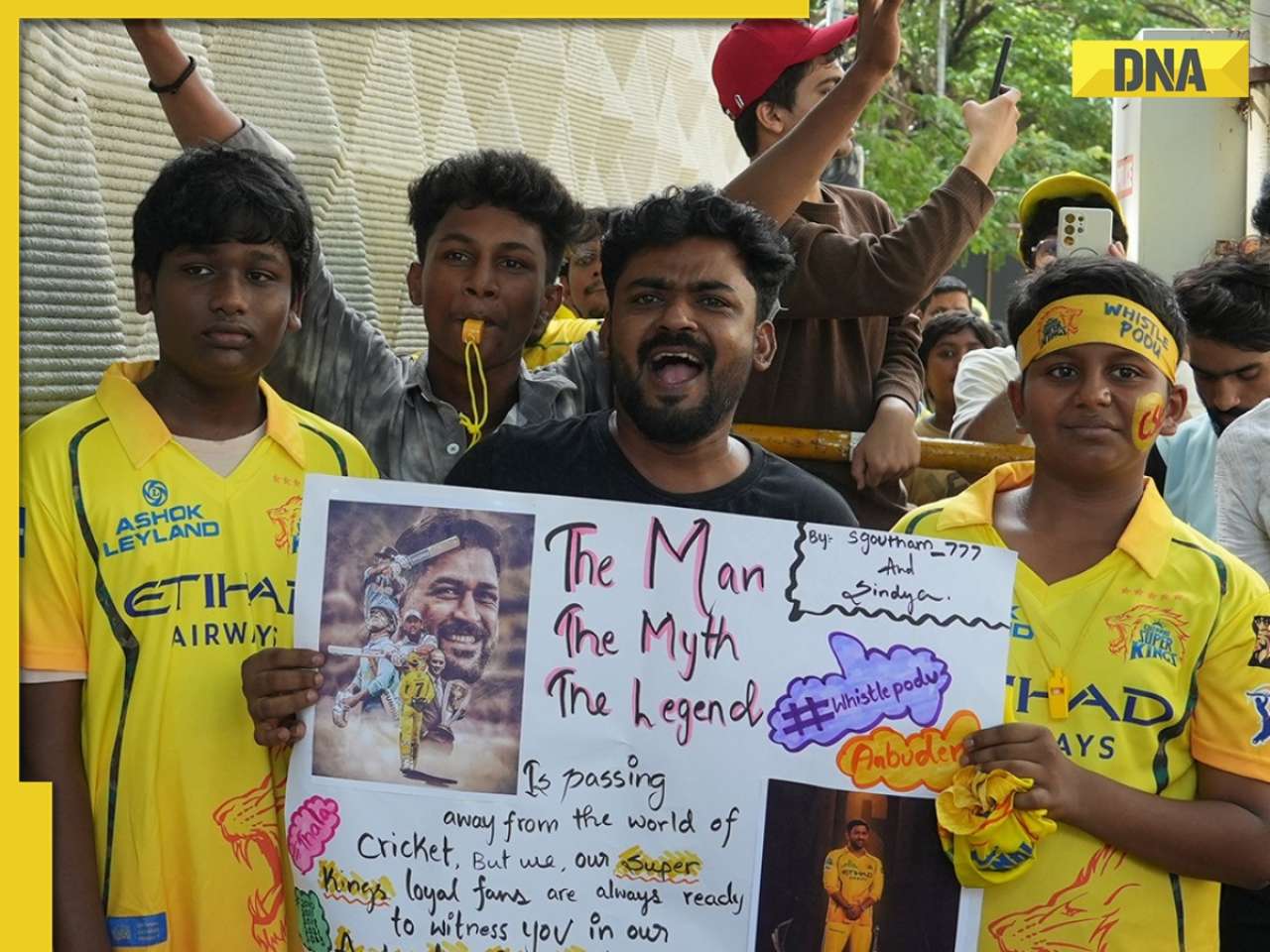
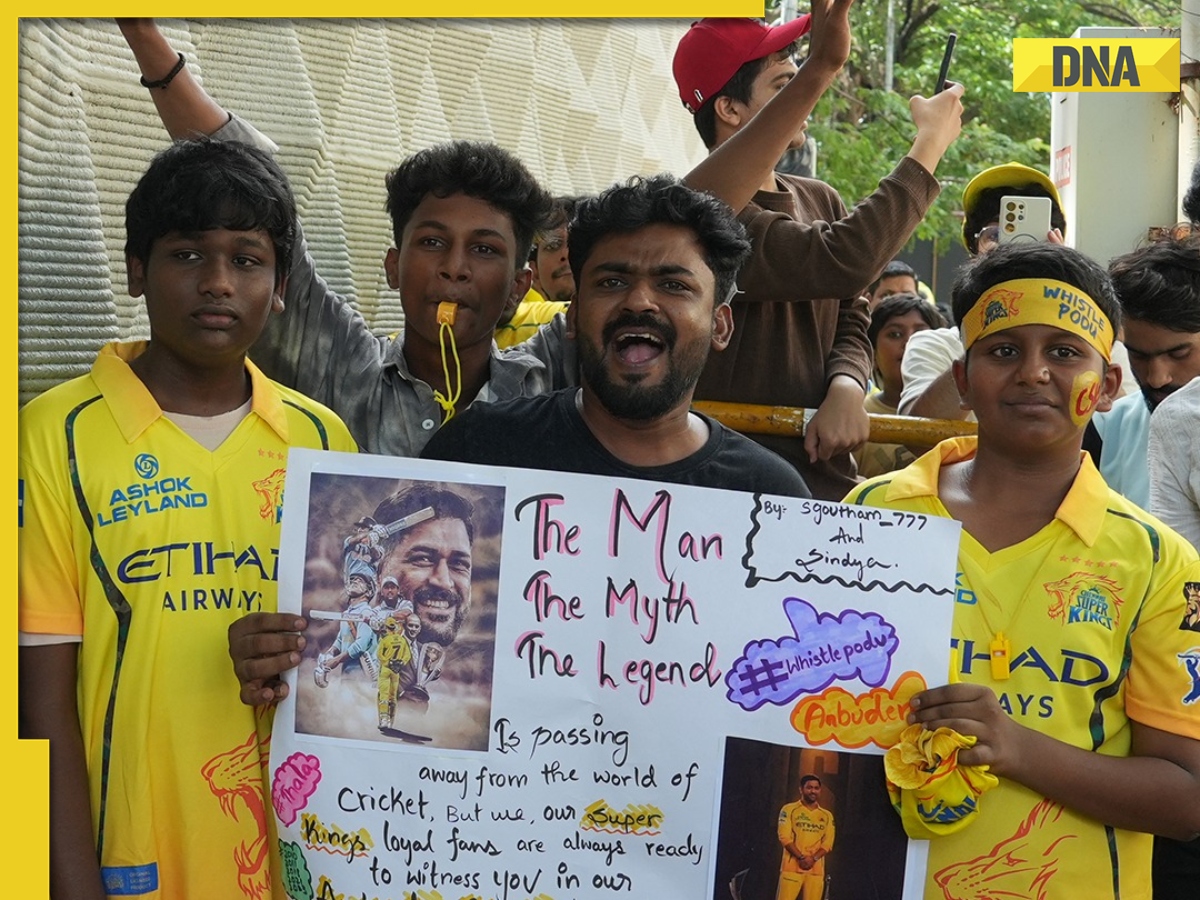
The M.A. Chidambaram Stadium, affectionately known as Chepauk, is not just a cricket ground; it is a cultural landmark in Tamil Nadu. Renowned for its passionate, vocal, and incredibly knowledgeable crowd, Chepauk consistently ranks among the loudest and most atmospheric cricketing venues in the world. The stadium’s connection with CSK is particularly deep, with the "Anbuden" philosophy and the "Whistle Podu" chant having become synonymous with the team and its dedicated fanbase.
The "Whistle Podu" anthem, in particular, holds a special place in the hearts of CSK fans, embodying their fervent support and creating an electrifying atmosphere. However, this seemingly innocuous symbol took on an unexpected political dimension in the lead-up to the 2026 T20I World Cup, which saw several matches hosted at Chepauk.
)
Previous Restrictions: The Whistle Ban
Earlier in February and March of 2026, reports emerged that whistles were reportedly banned inside Chepauk during the ICC Men’s T20I World Cup. This news sent ripples of shock and confusion through the fanbase, as the whistle is not only an integral part of CSK’s identity but also, notably, the election symbol of C. Joseph Vijay’s political party, Tamilaga Vettri Kazhagam (TVK).
The coincidence immediately fueled speculation that the ban was politically motivated, aimed at preventing overt displays of support for Vijay’s nascent political venture within a high-profile international sporting event. However, the Tamil Nadu Cricket Association (TNCA), which manages the stadium, swiftly clarified the situation. They stated that the decision to ban whistles was not imposed by them but was part of a broader security and spectator experience protocol mandated by the International Cricket Council (ICC) for all World Cup venues. The TNCA asserted that the ban was a standard measure for international tournaments, focusing on safety and preventing distractions, rather than having any political undertones.
)
This prior incident set a precedent, highlighting the sensitivity surrounding political symbols within sports venues in Tamil Nadu. It also demonstrated the potential for misinterpretation and controversy when such restrictions are implemented, regardless of their stated intent. The memory of the "whistle ban" undoubtedly influenced CSK’s latest advisory, suggesting a proactive approach to avoid similar political entanglements during their own franchise matches.
Navigating the Complexities: Why the Ban?
The decision by CSK to request fans to avoid political paraphernalia is likely multi-faceted, stemming from a combination of commercial, operational, and ethical considerations.
)
Maintaining Neutrality and Brand Protection
Sports organizations, especially those with significant commercial interests like IPL franchises, typically strive to maintain an apolitical stance. Associating with a specific political party or ideology can alienate segments of their diverse fanbase, sponsors, and other stakeholders. CSK, as one of the most valuable sports brands in India, would be acutely aware of the potential for political alignment to damage its inclusive image and broad appeal. The "Yellove" philosophy is built on universal camaraderie and passion for cricket, transcending political divides. Allowing political banners could inadvertently link the brand to political controversies, which could be detrimental to its carefully cultivated image.
Enhancing Fan Experience and Minimizing Distractions
The primary objective of a cricket match is to celebrate the sport. Political displays, while expressions of individual freedom, can divert attention from the game, create visual clutter, and potentially lead to friction among fans with differing political views. CSK’s request can be seen as an effort to ensure that the focus remains squarely on the cricket, providing an unadulterated sporting experience for all attendees. This aligns with the "spirit of the game" ethos explicitly mentioned in their advisory.
)
Security and Order Concerns
Large public gatherings, particularly those with strong emotional currents like sports events, can become flashpoints for political demonstrations. While such demonstrations might start peacefully, there is always a risk of escalation, conflict, or disruption. By proactively discouraging political banners and hoardings, CSK and the venue management likely aimed to mitigate potential security risks, maintain order, and ensure the safety of all spectators and participants. This is particularly relevant in a state where political passions run deep and can manifest robustly in public spaces.
The Broader Debate: Sports as a Political Arena
The incident at Chepauk is not isolated; it is part of a larger, ongoing global debate about the appropriate role of political expression within sports. Historically, sports venues have often served as powerful platforms for social and political statements, from Jesse Owens challenging Nazi ideology at the 1936 Olympics to Tommie Smith and John Carlos’s Black Power salute at the 1968 Mexico City Olympics.
)
In India, too, sports and politics have frequently intersected. Protests, symbolic gestures, and political messaging have occasionally found their way into cricket stadiums, reflecting national or regional sentiments. The rise of athlete activism and the increasing politicization of public spaces have made it challenging for sports bodies to enforce strict apolitical environments.
The tension lies in balancing an individual’s right to freedom of expression with an organization’s right to control the environment of its private or managed event. While fans might argue for their right to express political views, event organizers often cite rules, security protocols, and commercial interests to justify restrictions. The IPL, being a highly commercialized league, is particularly sensitive to anything that might deter sponsors or create negative publicity. The league’s brand is built on entertainment and competition, and overt political displays can complicate this image.
)
Reactions and Public Discourse
The advisory from Chennai Super Kings predictably captivated the attention of many on social media. While the original article notes the attention garnered, it doesn’t detail specific reactions. However, based on similar past incidents, it is safe to infer a spectrum of public responses:
- Support for Neutrality: Many fans and commentators likely supported CSK’s stance, arguing that sports should be kept separate from politics to maintain focus on the game and ensure an inclusive atmosphere for all. They might emphasize that Chepauk is a place for "Yellove" and cricket, not political campaigning.
- Concerns over Freedom of Expression: Others might have expressed reservations, viewing the ban as an infringement on fans’ freedom of speech and the right to express their political affiliations, especially when the timing was so relevant to a major state political event. They might argue that public venues, even private ones during public events, should allow for democratic expression.
- Political Interpretations: Supporters of C. Joseph Vijay’s TVK party might have seen the move as an attempt to stifle their visibility or to distance a prominent cultural institution (CSK) from their leader’s political ascent, even if indirectly.
- Comparisons to Whistle Ban: The earlier controversy surrounding the whistle ban during the T20I World Cup would undoubtedly have been revisited, drawing parallels and reinforcing the perception among some that these measures, despite official clarifications, carry political undertones in the context of Vijay’s growing political influence.
Crucially, the original article indicates that the post "didn’t mention any political party or politician," and there’s no mention of any official political response directly addressing CSK’s advisory. This suggests that while the timing was politically charged, political parties may have opted not to directly confront a popular sports franchise, choosing instead to let the public discourse unfold.
)
Implications for the Future
The Chennai Super Kings’ decision to discourage political banners at Chepauk carries several significant implications, both for the immediate future of sports events in Tamil Nadu and for the broader landscape of sports and politics in India.
Setting a Precedent
This proactive step by CSK could set a precedent for other IPL franchises and sports organizations in India. As political engagement increases and public figures from entertainment and sports transition into politics, similar situations are likely to arise. Other venues and teams might adopt similar policies to maintain neutrality and manage crowd behavior, potentially leading to more widespread restrictions on political displays at sporting events.
)
Evolving Relationship between Sports and Politics
The incident underscores the evolving and often contentious relationship between sports and politics. While there’s a desire to keep sports apolitical, the reality is that major events and popular teams are often deeply embedded in their local cultures and are susceptible to political currents. This incident highlights the challenges organizers face in navigating this complex dynamic, particularly in a country like India where public figures often transition between these spheres.
Challenge for Organizers
For event organizers, the challenge lies in balancing fan engagement and freedom of expression with the need to ensure a safe, focused, and inclusive environment. Striking this balance requires clear communication, consistent policy enforcement, and an understanding of the local socio-political context. The CSK advisory, while clear in its intent, also demonstrates the fine line that organizations must walk to avoid alienating fans or becoming embroiled in political debates.
)
Impact on TVK and Public Visibility
For C. Joseph Vijay’s Tamilaga Vettri Kazhagam, this development could subtly impact their visibility in highly public spaces. While political rallies and traditional campaigning remain their primary avenues, popular cultural events like IPL matches offer unparalleled reach. Restrictions at such venues, even if not explicitly targeting TVK, could limit opportunities for organic public display of support, forcing the party to rely more heavily on traditional media and direct outreach.
Conclusion
The Chennai Super Kings’ appeal to its "superfans" to keep political banners out of Chepauk during their match against the Lucknow Super Giants is more than just a venue rule; it is a significant moment reflecting the intricate dance between cricket, culture, and politics in Tamil Nadu. Issued amidst the historic oath-taking ceremony of C. Joseph Vijay as the state’s new Chief Minister, the advisory underscores the delicate balance sports organizations must strike to protect their brand, ensure fan experience, and maintain neutrality in an increasingly politicized public sphere.
)
Building on the earlier controversy surrounding the ban on whistles – a symbol closely associated with Vijay’s party – this latest move by CSK highlights a proactive effort to manage the intersection of these powerful forces. As India’s political landscape continues to evolve, with figures from various walks of life entering the political arena, the discussions around freedom of expression versus venue control in sporting arenas are likely to intensify, making such advisories a recurring feature in the narrative of sports and society. The "Anbuden" request from CSK ultimately asks fans to prioritize the "Yellove" of cricket, seeking to preserve the stadium as a sanctuary for the game, distinct from the fervent political currents that define the state.
