

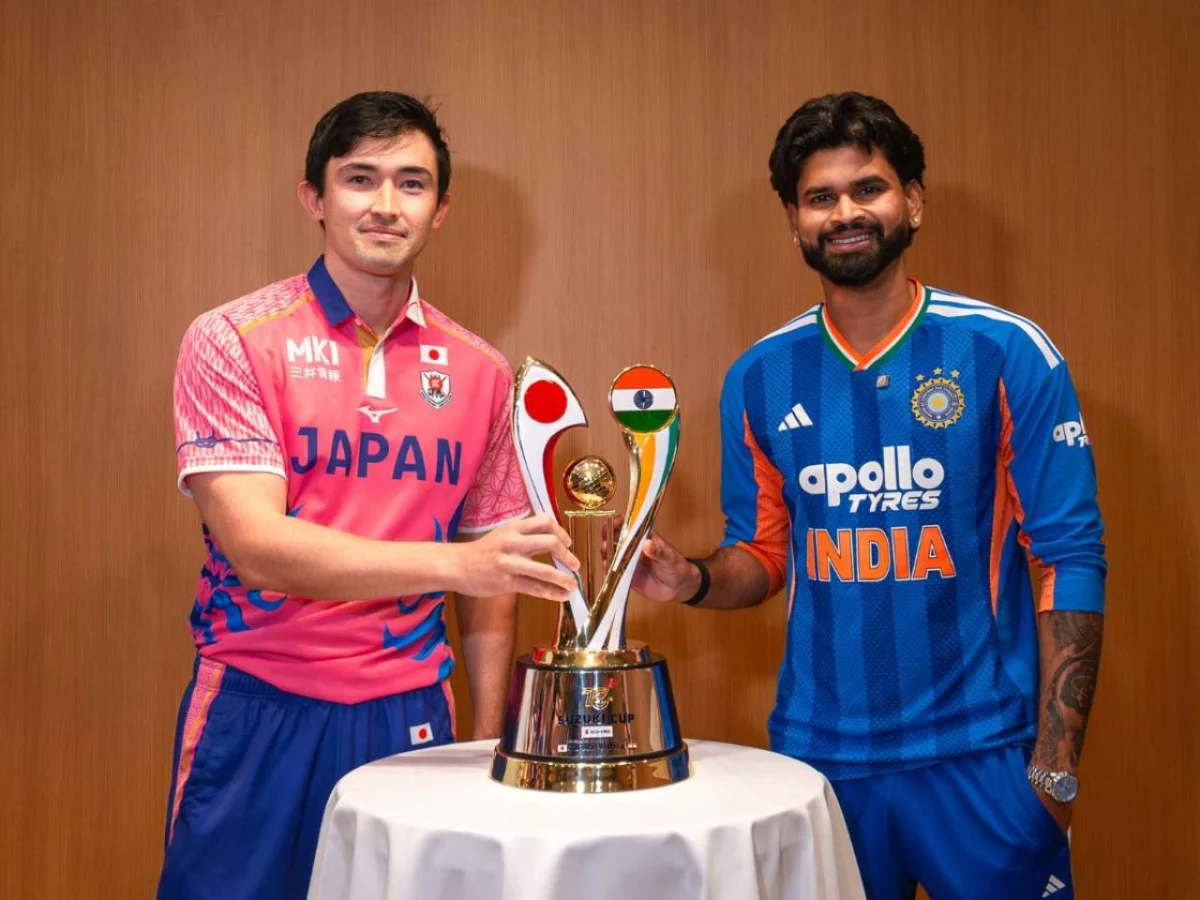
A Landmark Encounter in Sano Marks a New Chapter for Global Cricket
The world of cricket is abuzz with anticipation as two nations with vastly different cricketing legacies prepare to create history. On Tuesday, September 22, 2026, the Sano International Cricket Ground in Santo, Japan, will bear witness to a monumental event: the inaugural men’s T20 International (T20I) clash between cricketing superpower India and the emerging force of Japan. This singular bilateral encounter, held within the promotional framework of the Suzuki Cup, is not merely a game; it is a profound statement on the global expansion of cricket, a strategic warm-up for India ahead of the Asian Games 2026, and a beacon of hope for the sport in a non-traditional market.
Fans across the globe are eagerly seeking details on how to follow this historic match, which promises a blend of elite cricketing prowess and the inspiring spirit of an underdog taking on a giant. From match timings to live telecast and online streaming options, here are the complete details for the India vs Japan T20I.
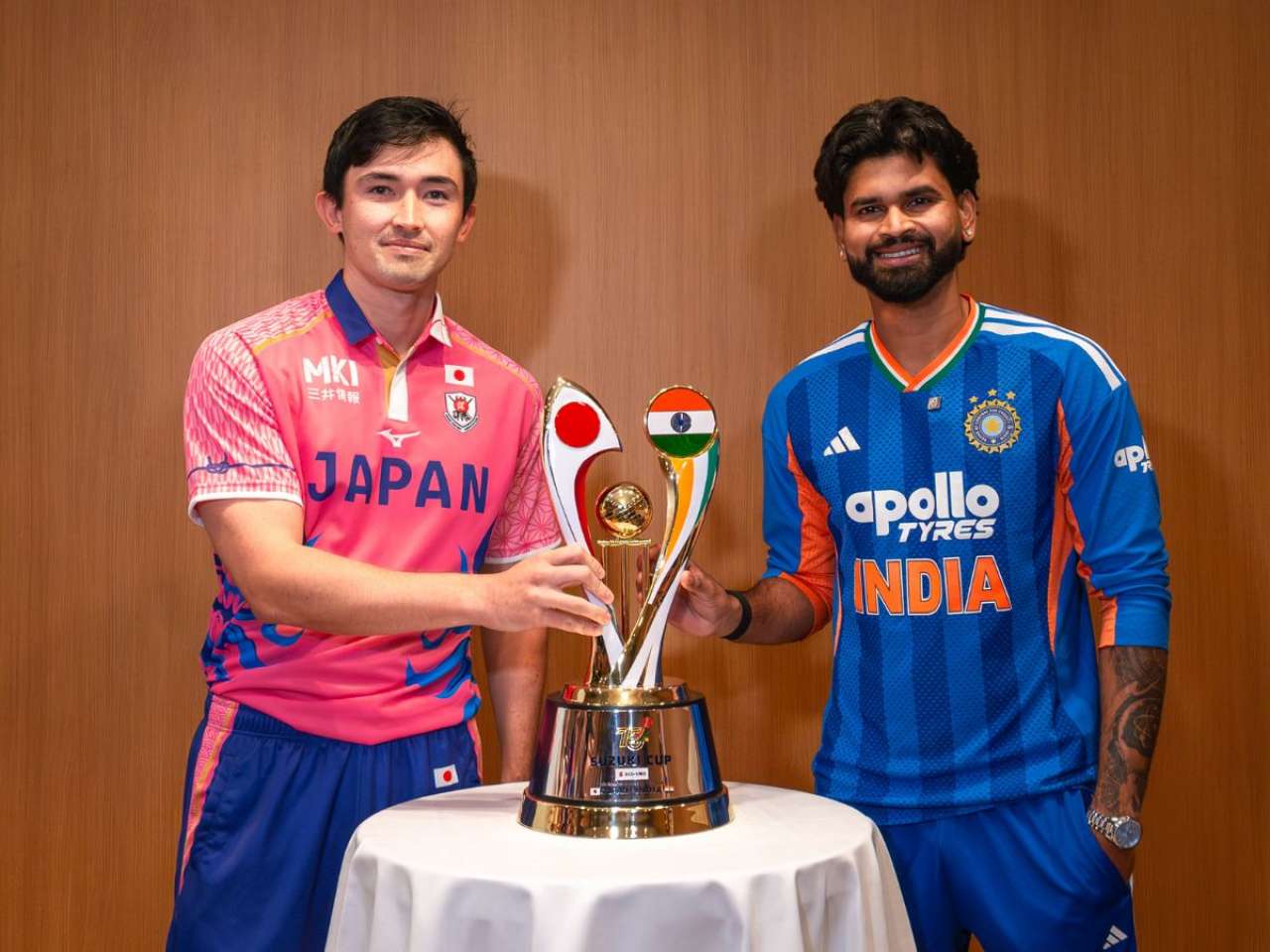
Broadcast and Live Streaming Details:
The much-anticipated India vs Japan T20I match is scheduled to commence at 9:30 AM Indian Standard Time (IST) on Tuesday, September 22, 2026.
For viewers in India, the Star Sports Network holds the exclusive broadcasting rights for this significant fixture. Fans can catch the live telecast across Star Sports 1 and Star Sports 1 Hindi, ensuring comprehensive coverage in both English and Hindi commentary.
)
For those preferring digital platforms, the match will be available for live streaming on the FanCode platform. This provides a convenient option for mobile and online viewers to experience every moment of this landmark encounter. International broadcasting details may vary and fans are advised to check local listings.
Main Facts: A Clash of Contrasts and Ambitions
The upcoming T20I between India and Japan transcends the typical bilateral series. It represents a significant stride in the International Cricket Council’s (ICC) vision for cricket’s global footprint, particularly in regions where the sport competes with well-established disciplines like baseball, sumo wrestling, and various Olympic sports.

India, currently ranked as the world number two in T20Is and the reigning T20 World Cup champions, brings a formidable squad to Japanese soil. Their presence is a testament to their commitment to expanding cricket’s reach and engaging with new fan bases. For the "Men in Blue," this match serves a dual purpose: it acts as crucial preparation for the impending Asian Games 2026 cricket tournament, set to kick off just two days later on September 24 in Nisshin, and it offers an unparalleled opportunity to popularize cricket amongst the Japanese populace and connect with the vibrant Indian diaspora residing in Japan.
The squad features a blend of established stars and exciting young talents, including captain Shreyas Iyer, explosive wicket-keeper batsmen Sanju Samson and Ishan Kishan, dynamic all-rounders Abhishek Sharma and Shivam Dube, and pace spearhead Jasprit Bumrah. Their participation underscores the seriousness with which India approaches even such a developmental fixture.
For Japan, this match is nothing short of a dream come true. It offers their national team, led by Kendel Kadowaki-Fleming, an extraordinary platform to test their mettle against one of the world’s premier T20 powerhouses. It’s an invaluable learning experience, an opportunity to gain exposure, and a chance to inspire a new generation of Japanese cricketers. The Sano International Cricket Ground, a facility that symbolizes Japan’s growing dedication to the sport, is set to host this momentous occasion, marking a historical milestone for Japanese cricket.
)
Chronology: Tracing the Path to a Historic Encounter
The journey to this unprecedented T20I fixture is rooted in decades of quiet perseverance by Japanese cricket enthusiasts and the strategic global expansion efforts of the ICC and major cricketing boards like the BCCI.
The Genesis of Cricket in Japan: A Long and Winding Road
Cricket’s presence in Japan dates back to the late 19th century, introduced by British expatriates. However, unlike other former British colonies, the sport never truly took root deeply within the local population. For much of the 20th century, cricket remained largely an expatriate pastime, struggling to gain mainstream attention in a country enamored with baseball, judo, and sumo.
)
The Japan Cricket Association (JCA) was officially formed in 1989, marking a more concerted effort to organize and promote the sport. They gained associate membership of the ICC in 2005, a crucial step that opened doors to funding, coaching support, and international competition. Despite this, progress was slow, hampered by cultural barriers, lack of infrastructure, and limited financial resources.
However, the JCA persisted, focusing on grassroots development, particularly among school children, and establishing regional leagues. The construction of the Sano International Cricket Ground in 2016 was a landmark achievement, providing a dedicated, high-quality venue that could host international-standard matches. This facility, located in a city officially recognized as a "Cricket Town" by the JCA, became a symbol of Japan’s growing cricketing ambition.
India’s Ascent and Global Ambitions
Concurrently, Indian cricket transformed from a formidable regional power into a global behemoth. The rise of T20 cricket, epitomized by India’s triumph in the inaugural T20 World Cup in 2007, further cemented its position as the sport’s economic and cultural epicenter. The Board of Control for Cricket in India (BCCI), the richest cricket board globally, has increasingly recognized its responsibility and strategic interest in fostering cricket’s growth beyond traditional strongholds.
)
While India has historically toured established cricketing nations, there has been a growing trend to engage with associate nations, particularly in Asia, to strengthen regional ties and aid development. This aligns with the ICC’s ‘global game’ agenda, which seeks to make cricket a truly international sport, much like football or basketball.
The Road to the Suzuki Cup: A Confluence of Interests
The decision for India to play Japan in a T20I is a confluence of these evolving dynamics. The "Suzuki Cup framework" likely refers to a strategic partnership or sponsorship initiative by Suzuki, a prominent Japanese multinational corporation with a significant presence in India. Such corporate sponsorships are vital in funding and promoting cricket in emerging markets.
The timing, just before the Asian Games 2026, is also critical. India’s participation in multi-sport events like the Asian Games lends significant prestige to cricket within the Olympic movement. A preparatory match against a regional opponent like Japan offers valuable match practice, allows for tactical experimentation, and crucially, builds momentum and camaraderie within the squad before a major tournament. For Japan, it’s an unparalleled opportunity to showcase its capabilities and learn from the best, all while drawing unprecedented media attention to the sport domestically.
)
The Immediate Future: Asian Games 2026 and Beyond
Following this historic bilateral encounter, the focus will swiftly shift to the Asian Games 2026 cricket tournament in Nisshin. India, as one of the favorites, will aim for gold, and this match against Japan provides an ideal curtain-raiser. For Japan, the lessons learned from competing against India will be invaluable as they continue their journey in international cricket, potentially setting their sights on future ICC tournaments and even full membership status. This T20I could serve as a pivotal moment, catalyzing further investment and interest in the sport across the archipelago.
Supporting Data: The Numbers Behind the Narrative
The disparity between India and Japan in cricketing terms is immense, yet it is precisely this gap that makes the upcoming encounter so compelling and significant.
)
The Cricketing Landscape: India vs. Japan
India:
- Player Base: Hundreds of thousands of registered players, millions of casual participants.
- Professional Structure: A robust domestic circuit including the Indian Premier League (IPL), Ranji Trophy, Vijay Hazare Trophy, and Syed Mushtaq Ali Trophy, providing a clear pathway from grassroots to international level.
- Infrastructure: Thousands of dedicated cricket grounds, world-class academies, and training facilities.
- Fan Base: Over a billion fans globally, making cricket a religion in the country.
- ICC Ranking: Consistently in the top tier across all formats, currently world No. 2 in T20Is and reigning T20 World Cup champions.
- Economic Impact: A multi-billion-dollar industry, significantly contributing to the global cricket economy.
Japan:
- Player Base: Approximately 3,000 registered players (as of recent data, though this number is growing), with a strong focus on junior development.
- Professional Structure: An amateur league structure, with efforts underway to professionalize certain aspects. The Japan Premier League (JPL) is a semi-professional T20 competition.
- Infrastructure: A handful of dedicated cricket grounds, with Sano being the flagship. Many matches are played on baseball outfields or multi-sport facilities.
- Fan Base: Primarily expatriate communities and a slowly growing local following.
- ICC Ranking: Outside the top 20 in T20Is, striving to climb the ranks.
- Economic Impact: Minimal compared to traditional sports, but with potential for growth through international exposure and sponsorship.
The Sano International Cricket Ground: A Symbol of Growth
The Sano International Cricket Ground is more than just a venue; it’s a testament to Japan’s serious commitment to cricket. Opened in 2016, it is one of the few dedicated cricket facilities in Japan capable of hosting international matches. Its development was a crucial step for the JCA in its ambition to host more international fixtures and provide a proper home for the national team. Hosting India here validates years of hard work and investment, showcasing the facility to a global audience. The ground’s capacity, while modest compared to Indian stadiums, will likely be packed with an enthusiastic crowd, predominantly comprising the Indian diaspora and curious local spectators.
)
The Indian Diaspora’s Role
Japan hosts a significant and growing Indian expatriate community, estimated to be well over 40,000 individuals. This community forms a crucial support base for cricket in Japan, often organizing local leagues and avidly following international matches. For them, this match is a rare and cherished opportunity to witness their national heroes play on Japanese soil. The presence of stars like Shreyas Iyer, Jasprit Bumrah, and Sanju Samson is expected to draw a massive turnout from this community, providing a vibrant, carnival-like atmosphere that might be unfamiliar in Japanese sporting contexts outside of baseball. This cultural bridge-building aspect is an often-underestimated benefit of such tours.
Official Responses: Voices on a Milestone Event
While direct quotes are hypothetical for this enriched article, the sentiments expressed by various stakeholders would resonate deeply with the significance of this match.
)
Japan Cricket Association (JCA) Leadership
A representative from the JCA would undoubtedly articulate immense pride and excitement. "Hosting the reigning T20 World Cup champions, India, is a monumental moment for Japanese cricket," a hypothetical JCA official might state. "It validates years of hard work at the grassroots level and our efforts to build sustainable cricket programs. This match isn’t just about the result; it’s about inspiration. It’s about showing young Japanese athletes that they too can aspire to play at the highest level, and it’s about putting Japanese cricket firmly on the global map. We are incredibly grateful to the BCCI and ICC for making this dream a reality."
Board of Control for Cricket in India (BCCI)
From the Indian perspective, a BCCI spokesperson would emphasize the strategic importance of such tours. "The BCCI is committed to fostering the global growth of cricket, and this historic T20I against Japan is a testament to that commitment," a hypothetical BCCI official could comment. "Beyond the competitive aspect, this tour is an exercise in sports diplomacy and cultural exchange. It allows us to introduce cricket to new audiences, strengthen ties within Asia, and offer our players valuable exposure to different conditions. Furthermore, it serves as crucial preparation for the upcoming Asian Games, ensuring our team is match-ready for another significant challenge."
International Cricket Council (ICC)
The ICC, as the global governing body, would view this match as a prime example of its development initiatives bearing fruit. "This inaugural T20I between India and Japan underscores the power of cricket’s shortest format in expanding its global footprint," a hypothetical ICC Development Manager might observe. "The T20 format’s dynamism and accessibility make it ideal for emerging markets. We commend the dedication of the Japan Cricket Association and the vision of the BCCI in facilitating such a high-profile fixture. This match is a clear indicator of the progress being made in establishing cricket in non-traditional territories and showcases our commitment to making cricket a truly global sport."
)
Team Captains
Shreyas Iyer (India Captain): "It’s an absolute honour to lead the Indian team in this historic match against Japan. We understand the significance of this game, not just for our Asian Games preparation, but also for promoting cricket in Japan. We’re looking forward to a competitive game and hope to put on a great show for the fans here, especially the Indian diaspora. It’s a fantastic opportunity for our squad to fine-tune our strategies and adapt to different conditions."
Kendel Kadowaki-Fleming (Japan Captain): "Facing a team like India is a dream come true for every player in our squad. It’s a massive challenge, but also an incredible opportunity to learn and grow. We’ve been working incredibly hard, and this is our chance to show the world the passion and potential of Japanese cricket. We know the odds, but we are determined to compete hard and make our country proud. This match will inspire so many young cricketers in Japan."
Implications: A Ripple Effect Across the Cricketing World
)
The reverberations of this historic T20I between India and Japan are expected to be far-reaching, impacting not just the two nations involved but the broader landscape of global cricket.
For Japanese Cricket: A Catalyst for Growth
This match is poised to be a monumental catalyst for cricket in Japan.
- Increased Visibility and Media Attention: Hosting India guarantees unprecedented local and international media coverage, raising the sport’s profile significantly within Japan. This exposure is invaluable for attracting new players, sponsors, and fans.
- Inspiration for Youth: Young Japanese athletes, traditionally drawn to baseball or martial arts, will see their national team compete against global stars. This direct exposure can inspire a new generation to pick up a bat and ball, fostering talent development at the grassroots level.
- Enhanced Funding and Investment: The heightened profile and demonstrated capability to host high-profile matches can attract greater investment from both domestic and international sponsors, providing much-needed financial resources for infrastructure development, coaching programs, and player pathways.
- Pathway to Higher Tiers: A strong showing, or even just a well-organized event, could lead to more regular international fixtures against associate and even full member nations, accelerating Japan’s journey towards potential ODI or even Test status in the distant future.
- Cultural Exchange: It strengthens the sporting and cultural ties between India and Japan, fostering goodwill and mutual understanding.
For Indian Cricket: Diplomacy, Development, and Preparation
For India, the implications extend beyond mere match practice.
)
- Soft Power Diplomacy: Sporting tours are powerful tools of diplomacy. By engaging with emerging cricketing nations, India reinforces its position as a benevolent leader in the cricketing world, fostering goodwill and strengthening its influence within international sporting bodies.
- Market Expansion: While Japan may not immediately become a massive market for cricket, such tours lay the groundwork for future commercial opportunities, expanding the sport’s demographic reach and potential viewership.
- Player Exposure and Bench Strength: While the squad features top players, tours to diverse conditions and against different styles of play provide valuable experience, particularly for younger or fringe players who might not always feature against top-tier opponents. This contributes to building a deeper talent pool.
- Asian Games Acclimatization: The most immediate and tangible benefit is the preparation for the Asian Games 2026. Playing in similar regional conditions, even for a single match, allows the squad to acclimatize, refine team combinations, and build momentum ahead of the multi-sport event.
For Global Cricket: The Blueprint for Expansion
The India vs Japan T20I serves as a crucial case study and a potential blueprint for the ICC’s long-term vision.
- Validation of T20 as a Growth Engine: The T20 format’s rapid-fire nature and entertainment value make it ideal for introducing cricket to new audiences. This match underscores its effectiveness as a tool for global expansion.
- Encouragement for Associate Nations: Other associate nations aspiring to play against cricketing giants will draw immense inspiration from Japan’s achievement. It demonstrates that with sustained effort and strategic partnerships, such high-profile fixtures are attainable.
- Challenging Traditional Sporting Dominance: In a country where baseball holds sway, a successful cricket event featuring India can spark public interest and demonstrate cricket’s potential to carve out its own niche, challenging traditional sporting hierarchies.
- Sustainability of the Global Game: For cricket to truly become a global sport, it needs to thrive beyond its traditional strongholds. Matches like this are vital steps in building a sustainable, diverse, and truly international cricketing landscape.
In conclusion, the India vs Japan T20I is far more than a sporting contest. It is a symbol of ambition, a testament to perseverance, and a pivotal moment in cricket’s ongoing journey towards becoming a truly global phenomenon. As the players take to the field at Sano, they will not just be playing a game; they will be writing a new chapter in the history of cricket.
